
Baking Soda for Facial Skin: Benefits, Risks, and the Safest Way to Use It
As skin gets older, it often begins to show fine lines, rough patches, dullness, and uneven texture caused by time, sun exposure, and everyday stress. Even with a steady skincare routine, these changes can feel discouraging. Because of that, many people look for easy, low-cost, and natural skincare options at home, and baking soda is one remedy that often comes up.
But is baking soda actually helpful for facial skin?
This article explores what baking soda may and may not do in a skincare routine. You’ll learn how its properties relate to exfoliation, what benefits it might offer for skin texture, and which precautions matter most before applying it to your face. At the end, you’ll also find a simple step-by-step method for occasional use, along with tips for keeping skin calm, balanced, and hydrated.

Why Baking Soda Gets Attention in Skincare
Baking soda, or sodium bicarbonate, is a mild alkaline powder commonly used in cooking and cleaning. In skincare discussions, it is often mentioned because of its fine, slightly abrasive texture. That texture can help lift dead skin cells from the outer layer of the skin, a process known as physical exfoliation.
Removing this surface buildup may leave the skin feeling smoother and looking fresher for a short period. Research on exfoliation in general shows that clearing away dead cells can improve the appearance of texture and brightness. Some dermatology sources also note that baking soda has been used in certain situations to help soothe minor skin discomfort or support skin cleanliness.
Still, it is important to keep expectations realistic. Baking soda does not erase deeper wrinkles or provide lasting anti-aging results. Its effects are mostly superficial, and using it too often can do more harm than good.
Skin pH and the Importance of Protecting the Barrier
The skin naturally has a slightly acidic protective coating called the acid mantle. This barrier usually has a pH between about 4.5 and 5.5 and plays a major role in:
- Retaining moisture
- Shielding skin from irritants
- Supporting healthy skin bacteria
- Keeping the skin barrier strong
Baking soda is much more alkaline, with a pH close to 9. Because of that difference, frequent use can disturb the skin’s natural balance. Dermatologists often warn that this shift may contribute to:
- Dryness
- Tightness
- Redness
- Sensitivity
- Irritation over time
For this reason, many skincare professionals prefer gentler exfoliating ingredients that are formulated to be pH-balanced and better studied for regular use.
That said, some people may tolerate diluted baking soda occasionally without obvious problems, especially when they use it carefully and stop at the first sign of discomfort.
Possible Benefits of Baking Soda for the Face
When used sparingly and gently, baking soda may provide a few short-term skincare benefits.
1. Mild Surface Exfoliation
Its fine texture can help polish away dull, dead skin cells sitting on the surface. This may temporarily improve softness and make skin appear brighter.
2. Oil Control
Baking soda may absorb some excess oil, which is why people with oily areas, especially around the T-zone, sometimes find it useful.
3. Relief for Minor Skin Discomfort
In some forms, such as diluted pastes or baths, baking soda has been used to calm mild itchiness linked to dryness or irritation.
4. Low Cost and Easy Access
One reason baking soda remains popular in DIY skincare is simple: it is inexpensive and already available in most households.
These benefits are based mainly on general skincare observations and limited topical-use evidence. There is no strong proof that baking soda significantly reduces fine lines, but occasional gentle exfoliation may help skin look more refreshed.
Risks and Side Effects You Should Know
Despite its popularity in home remedies, baking soda is not ideal for everyone. Many dermatologists advise against frequent facial use because it is both alkaline and physically abrasive.
Common concerns include:
- Skin feeling dry or tight after use
- Increased redness or sensitivity
- Damage to the skin barrier
- More noticeable irritation from over-exfoliation
- Texture looking worse if the skin becomes inflamed
People with dry, sensitive, or already weakened skin should be especially cautious. This includes anyone with:
- Eczema
- Rosacea
- Active acne flare-ups
- Broken or irritated skin
Before trying baking soda on the face, a patch test is strongly recommended. Apply a small amount to the inner arm and wait 24 hours. If redness, itching, stinging, or irritation develops, it is best not to use it on the face.
How to Use Baking Soda on the Face Safely
If you still want to test baking soda as an occasional exfoliant, the safest approach is to keep it gentle, diluted, and infrequent. Most people should not use it more than once or twice a week at most.
Step-by-Step Routine
- Begin with clean skin and clean hands. Wash your face first with a mild cleanser.
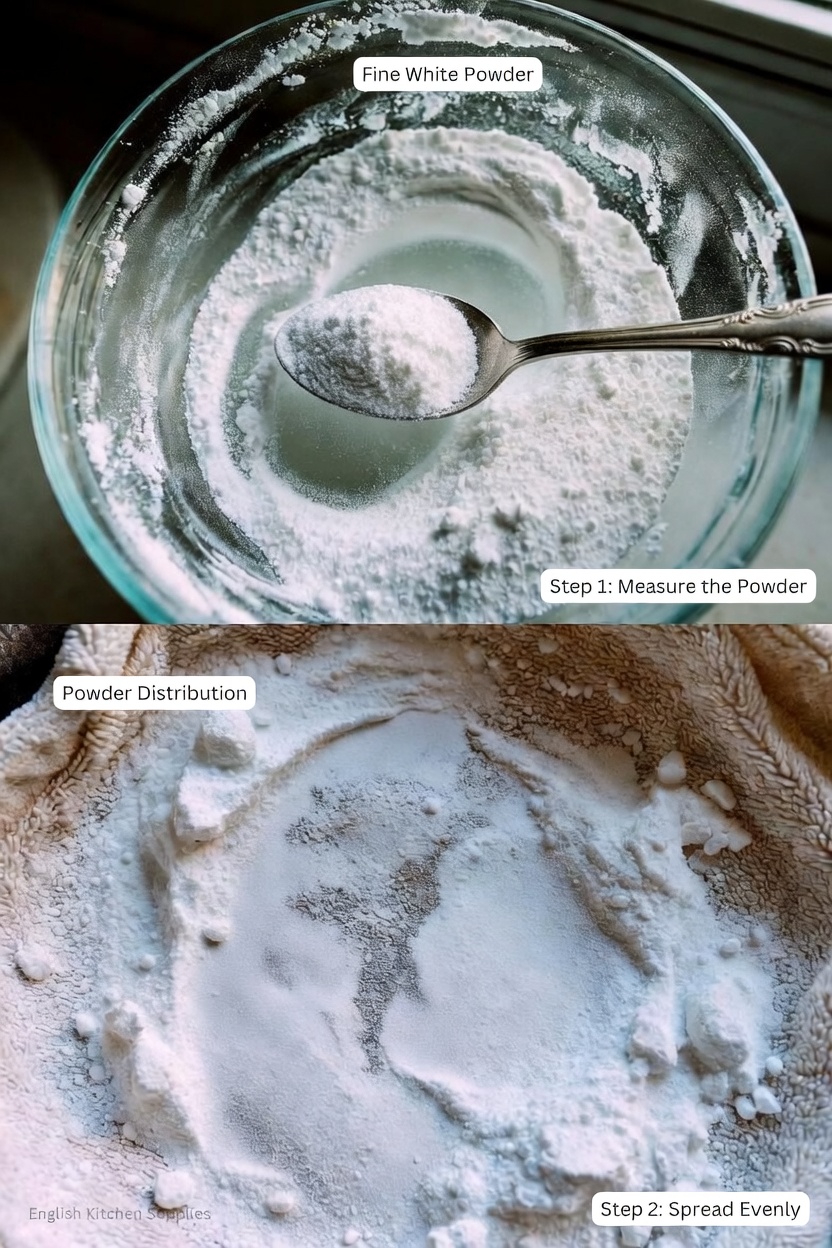
- Make a soft paste. Mix 1 teaspoon of baking soda with enough water to create a smooth consistency. You can also combine it with a gentle moisturizer to reduce harshness.
- Apply to damp skin carefully. Use light circular motions with your fingertips. If your skin gets oily in the T-zone, focus there, but stay very gentle near the eyes and lips.
- Keep contact time short. Leave it on for only 1 to 2 minutes when trying it for the first time.
- Rinse well with lukewarm water. Make sure no residue remains.
- Dry the skin gently. Pat, do not rub.
- Apply moisturizer right away. A hydrating cream or lotion helps restore comfort and reduce dryness.
- Use sunscreen during the day. Freshly exfoliated skin is more vulnerable to sun exposure, so broad-spectrum SPF is essential.
This method is meant for occasional use only. If your skin starts to sting, burn, feel overly dry, or look red, stop using it and let the skin recover.
Extra Tips to Reduce Irritation
If you decide to try baking soda on your face, these simple habits may help lower the chance of a bad reaction:
- Mix it with hydrating ingredients such as honey or yogurt if your skin handles those well
- Avoid making a thick or gritty scrub
- Never press or scrub aggressively
- Keep application time very short
- Follow with moisturizer every time
- Maintain a consistent skincare routine with hydration and sun protection
- Drink enough water and support skin health from the inside as well
The key is moderation. More frequent use does not mean better results.
Baking Soda vs. Other Gentle Exfoliation Methods
If your goal is smoother, brighter skin, it helps to compare baking soda with other exfoliating options.
Baking Soda
- Budget-friendly
- Easy to find
- Works as a physical exfoliant
- Higher risk of irritation because of its pH and abrasiveness
Gentle Chemical Exfoliants
Examples include lactic acid and salicylic acid.
- Often better tolerated when properly formulated
- Supported by more research
- Commonly recommended for improving texture and clarity
Enzyme Exfoliants
Examples include papaya- or pineapple-based products.
- Usually milder than harsh scrubs
- Help dissolve dead skin cells more gently
- Often a better fit for sensitive skin
Soft Cloths or Facial Brushes
- Offer light manual exfoliation
- Can be effective when used gently
- Avoid the pH concerns associated with baking soda
For long-term skincare, many experts recommend starting with products specifically designed for the face, especially those that are pH-balanced and tested for regular use.
Final Thoughts: Gentle, Consistent Skincare Matters Most
Trying natural skincare options like baking soda can be part of learning what your skin responds to. In some cases, it may temporarily improve softness and dullness by removing surface buildup. However, healthy-looking skin depends much more on a balanced routine than on quick DIY fixes.
Hydration, sun protection, barrier support, and consistency usually matter far more than any single exfoliating ingredient. If you want to experiment with baking soda, do so carefully, infrequently, and with close attention to how your skin reacts. When in doubt, getting advice from a skincare professional is the safest path.
FAQ
Is baking soda safe to use on the face every day?
No. Most skincare experts do not recommend daily use. Because baking soda is alkaline and abrasive, frequent application can upset the skin barrier and lead to dryness, irritation, or sensitivity.
Can baking soda replace regular skincare products?
Not really. Although it is cheap and easy to find, it does not offer the same targeted benefits as products developed specifically for facial skin, such as tested exfoliants, moisturizers, and barrier-repair formulas.
What should I do if my skin becomes irritated after using baking soda?
Stop using it immediately. Apply a gentle, fragrance-free moisturizer and avoid further exfoliation until the skin feels normal again. If redness, burning, or irritation continues, consult a dermatologist.