Aging, Muscle Loss, and Everyday Strength
As the years go by, many people notice that simple activities—carrying grocery bags, getting up from a chair, or climbing a few flights of stairs—feel harder than they used to. This is often linked to sarcopenia, the age-related decline in muscle mass, strength, and function. The process usually unfolds gradually, but over time it can affect balance, independence, and overall quality of life if it is not addressed through daily habits.
One of the most powerful tools for protecting muscle as we age is nutrition. Alongside regular movement and strength training, eating the right foods can help slow muscle loss. Among these foods, pumpkin seeds stand out as a convenient, nutrient-dense option that offers both high-quality plant protein and important minerals.
What makes pumpkin seeds especially appealing for older adults is their natural package of complete protein plus key minerals such as magnesium and zinc—nutrients closely tied to muscle function and recovery.
Understanding Sarcopenia and the Role of Nutrition
Sarcopenia describes the progressive loss of skeletal muscle mass, strength, and performance that often accompanies aging. Research connects this condition with:
- A higher risk of falls and fractures
- Reduced mobility and endurance
- A decline in independence and overall well-being
Physical activity—especially resistance exercises—remains a cornerstone of prevention and management. However, what you eat can strongly influence how well your muscles respond to activity and recover afterward.
Key nutrients for older adults include:
- Protein – supplies amino acids, the building blocks needed to repair and build muscle.
- Minerals (such as magnesium and zinc) – support muscle contraction, nerve signaling, energy production, and tissue repair.
Many seniors do not get enough of these nutrients due to reduced appetite, difficulty chewing, or digestive issues. Pumpkin seeds offer a simple, whole-food way to help fill these gaps without depending solely on supplements.
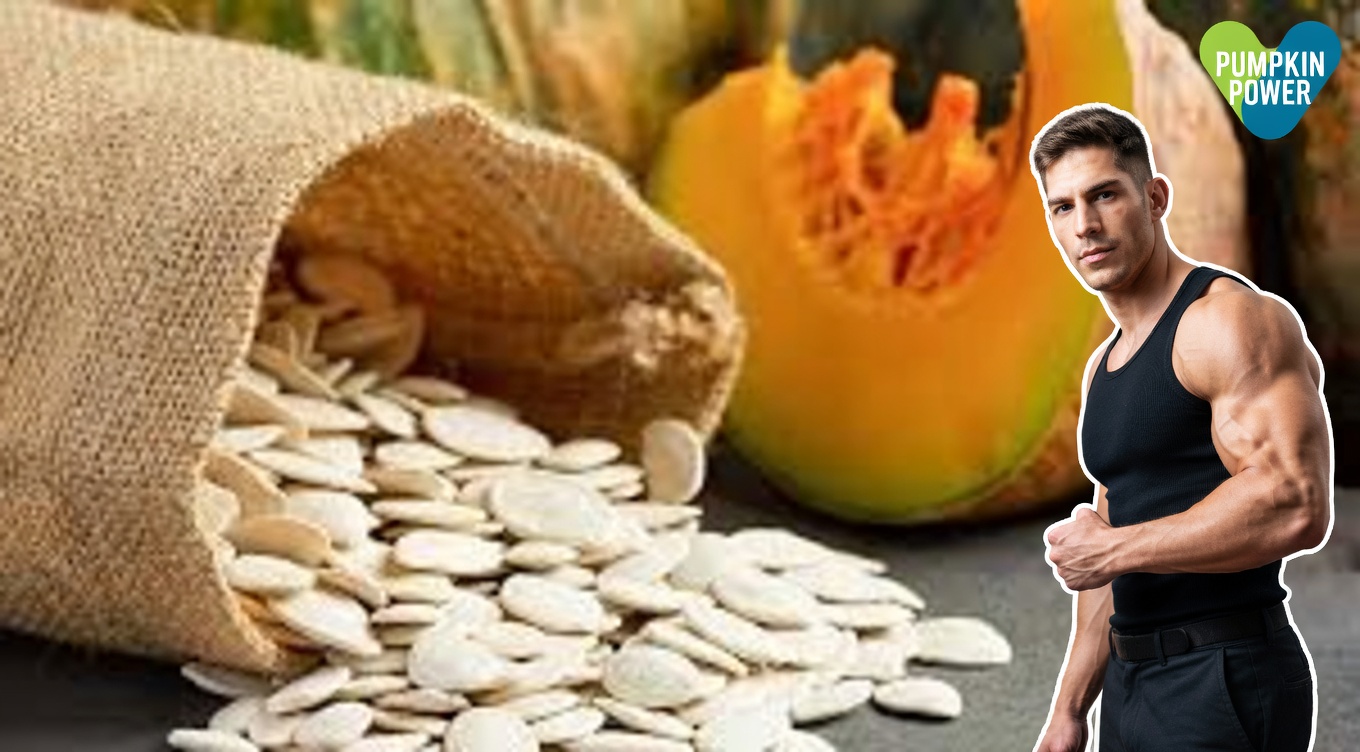
Pumpkin Seeds: A Compact Nutritional Powerhouse
Pumpkin seeds—often called pepitas when the shells are removed—pack a lot of nutrition into a small serving. A typical 1-ounce (about 28-gram) portion of roasted, unsalted pumpkin seeds provides:
- Approximately 8–10 grams of plant-based protein, including all nine essential amino acids.
- A generous amount of magnesium (roughly 30–40% of the daily recommended intake), which supports muscle relaxation and energy metabolism.
- A good supply of zinc, important for immune function, wound healing, and protein synthesis.
- Healthy fats, including unsaturated fats that support heart health.
- Dietary fiber, which aids digestion and helps with satiety.
- Antioxidants, such as vitamin E and other compounds that help combat oxidative stress.
This nutrient profile aligns closely with what research suggests older adults need to support muscle maintenance and overall metabolic health.
How Pumpkin Seeds May Support Muscle Health in Older Adults
Pumpkin seeds may benefit aging muscles through several complementary mechanisms:
-
Complete Protein and Essential Amino Acids
Pumpkin seeds provide all essential amino acids, including leucine. Leucine plays a particularly important role in stimulating muscle protein synthesis—the process your body uses to repair and build muscle tissue after activity or minor damage. -
Magnesium for Muscle Function and Relaxation
Magnesium is involved in hundreds of enzymatic reactions, many of which relate to muscle and nerve function. Adequate magnesium intake helps:- Regulate muscle contractions
- Reduce the likelihood of cramps
- Support energy production in muscle cells
Observational studies have linked higher magnesium levels with better muscle strength and functional performance in older adults.
-
Zinc for Recovery and Hormonal Balance
Zinc is crucial for protein synthesis, tissue healing, and maintaining healthy hormone levels—all factors that can influence muscle health. When combined with adequate protein, zinc supports efficient repair and recovery.
Together, the protein, magnesium, and zinc in pumpkin seeds create a nutrient combination that may help preserve strength and function as part of a broader healthy lifestyle. While no single food can completely prevent sarcopenia, regularly including pumpkin seeds in a balanced diet can be a useful strategy.
Pumpkin Seeds vs. Protein Powders: How Do They Compare?
Many older adults rely on protein powders for convenience, but pumpkin seeds offer a whole-food alternative with extra benefits. Here is a simplified comparison for a typical daily serving:
| Feature | Pumpkin Seeds (1 oz / ~28 g) | Typical Whey Protein Powder (1 serving) |
|---|---|---|
| Complete protein (all essentials) | Yes | Yes |
| Protein source | Whole-food, plant-based | Isolated dairy protein |
| Magnesium content | High (around 150 mg, varies by brand) | Usually low or absent |
| Zinc content | Good natural source | Rarely included unless fortified |
| Added nutrients | Healthy fats, fiber, antioxidants | Often minimal, may contain additives |
| Approximate monthly cost | Low (about $4–$8 depending on intake) | Generally higher (around $30 or more) |
| Digestibility for older adults | Typically gentle if eaten in moderation | May cause bloating or discomfort in some |
Both options can contribute to protein needs, but pumpkin seeds come with valuable minerals and other nutrients that many powders lack, often at a lower cost.
Practical Ways to Add Pumpkin Seeds to Your Routine
For those who are not used to eating seeds regularly, it can be helpful to increase intake gradually to give the digestive system time to adapt. Consider this simple 4-week plan:
-
Week 1: 1 tablespoon per day
- Sprinkle over oatmeal, yogurt, cottage cheese, or salads.
- Use as a topping for soups for a mild crunch.
-
Week 2: Increase to 2 tablespoons per day
- Blend into smoothies with fruit, leafy greens, or milk alternatives.
- Stir into cooked grains like quinoa, brown rice, or barley.
-
Week 3: Aim for ¼ cup (about 1 ounce) per day
- Enjoy as a standalone snack straight from the container.
- Choose raw or dry-roasted, unsalted seeds for the best nutritional profile.
-
Week 4: Maintain ¼ cup and mix into meals
- Toss into stir-fries, roasted vegetables, or grain bowls.
- Add to homemade energy bars or trail mix.
- Pair with vitamin C–rich foods (such as bell peppers, oranges, or strawberries) to support zinc absorption.
Practical tips:
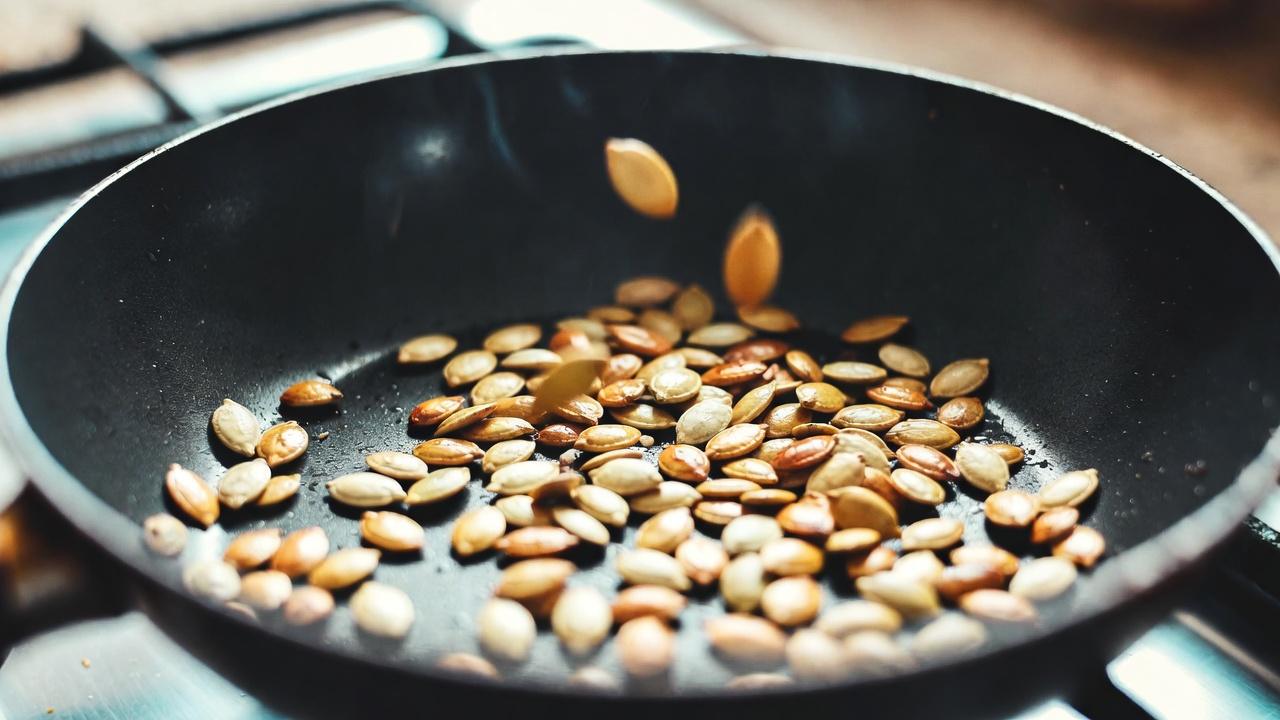
- Lightly toast at low temperature (around 300°F / 150°C) for a few minutes to enhance flavor without burning the seeds.
- Store in an airtight container in a cool, dark place—or refrigerate—to keep them fresh and prevent the oils from going rancid.
Additional Lifestyle Strategies for Muscle Support After 60
Pumpkin seeds work best as part of a comprehensive approach to muscle health. Consider combining them with:
-
Regular resistance training
- Bodyweight moves like squats to a chair, wall push-ups, and gentle lunges.
- Light dumbbells or resistance bands 2–3 times per week.
-
Daily movement
- Short, frequent walks.
- Gentle stretching or mobility exercises to maintain flexibility and balance.
-
Balanced meals
- Include a variety of protein sources: eggs, fish, poultry, beans, lentils, tofu, and dairy (if tolerated).
- Add plenty of vegetables, fruits, and whole grains for vitamins, minerals, and fiber.
-
Hydration and sleep
- Drink water regularly throughout the day.
- Prioritize consistent, good-quality sleep, as much of muscle repair occurs during the night.
Always listen to your body and adjust portion sizes or activity intensity according to how you feel and any guidance from your healthcare provider.
Common Questions About Pumpkin Seeds and Aging Muscles
1. Are pumpkin seeds safe for everyone over 60?
Most older adults can enjoy pumpkin seeds without issues. However, you should speak with your doctor or a registered dietitian if you:
- Have known allergies to nuts or seeds
- Experience digestive conditions (such as severe irritable bowel syndrome or inflammatory bowel disease)
- Take medications like blood thinners or have kidney-related concerns
Your healthcare provider can help you determine an appropriate amount.
2. How much protein do I need after age 60?
Many experts suggest that adults over 60 aim for around 1.0–1.2 grams of protein per kilogram of body weight per day, spread across meals. For example, a person weighing 70 kg (about 154 pounds) may need roughly 70–84 grams of protein daily. Pumpkin seeds can contribute a meaningful portion of this total when combined with other protein-rich foods.
3. Can I eat too many pumpkin seeds?
Yes, it is possible to overdo it. Pumpkin seeds are calorie-dense and high in fat (mostly healthy fats) and fiber. For most people, 1–2 ounces (about ¼–½ cup) per day is a reasonable limit. Eating more may lead to:
- Excess calorie intake over time
- Digestive discomfort, such as bloating or loose stools, especially if fiber intake is suddenly increased
Key Takeaway
Incorporating a small handful of pumpkin seeds into your daily diet is a simple, enjoyable habit that can supply high-quality plant protein, magnesium, zinc, and other valuable nutrients. When combined with regular movement, strength training, and an overall balanced eating pattern, pumpkin seeds can be a helpful part of an aging well strategy aimed at preserving muscle health and daily strength.
This article is for informational purposes only and does not replace personalized medical advice. Always consult your healthcare provider before making significant changes to your diet or exercise routine, particularly if you have existing health conditions or take prescription medications.