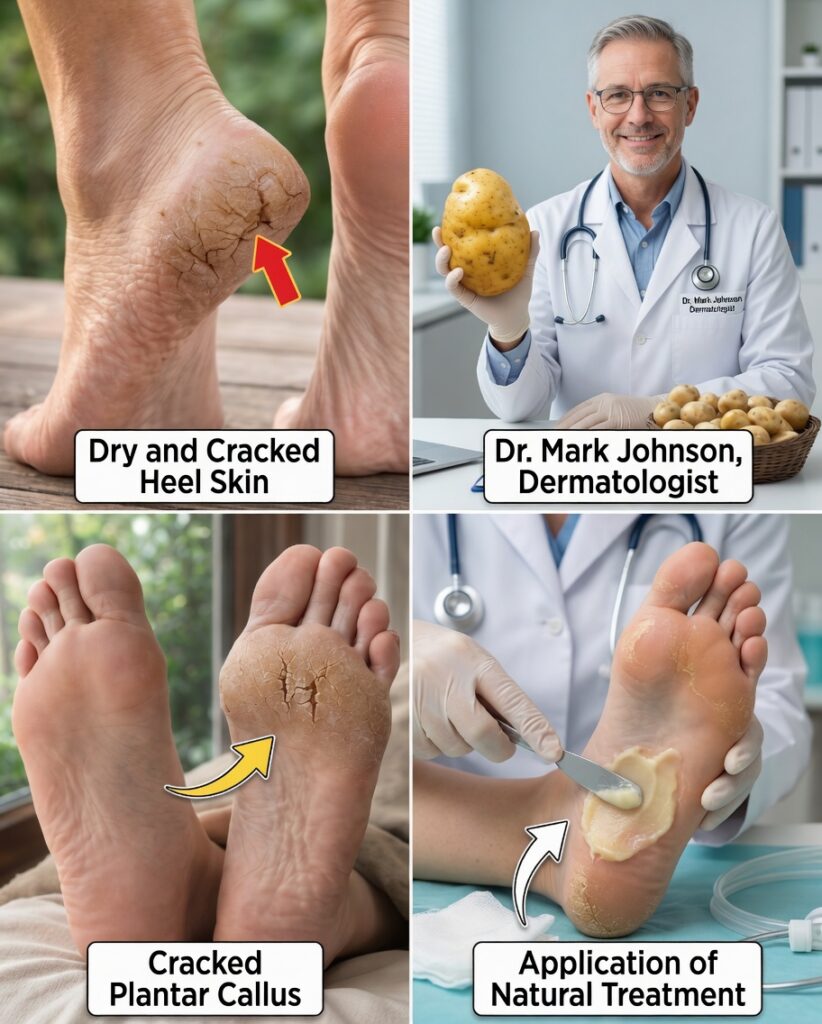
Dry, Painful Heels? This Simple Potato Trick May Help Soften Skin and Ease Discomfort
Dry, cracked heels can be more than a cosmetic issue—they can feel tight, rough, and even painful with every step. For many people, this discomfort makes walking unpleasant, creates self-consciousness when wearing sandals, and turns daily routines into a hassle. It’s a widespread problem, especially during dry seasons or for anyone who spends long hours standing.
What if a basic kitchen staple like a potato could help improve the look and feel of your feet? Below is an easy home method worth trying, plus tips to support smoother, healthier heels.
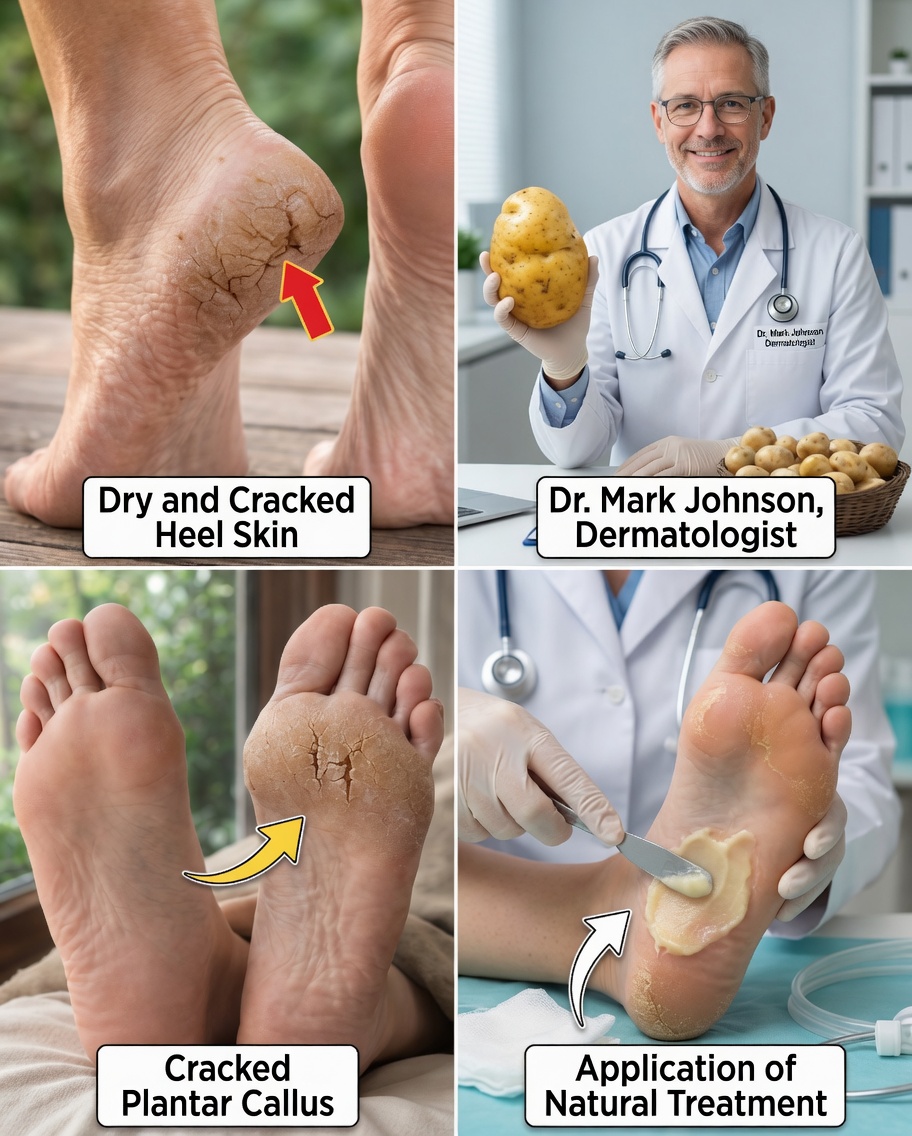
What Causes Cracked Heels?
Heel cracks usually start with dehydrated skin. Over time, the dry area becomes thicker and less flexible. When your body weight puts repeated pressure on the heel during walking, the hardened skin can split.
Common contributors include:
- Low hydration or dry weather, which reduces moisture in the skin
- Wearing open-back shoes often, or walking barefoot frequently
- Standing for long periods, especially on hard floors
- Very hot showers, which can strip the skin’s natural oils
- Aging, which tends to make skin thinner and drier
Keeping heel skin moisturized and protected is essential. Consistent, small daily habits often make the biggest difference.
Why Use Potato for Heel Care?
Potatoes aren’t only useful in cooking—they also contain elements that may support basic, natural skin care.
Potential benefits include:
- High water content, which may temporarily hydrate dry skin
- Natural starch, acting as a mild softening agent for rough areas
- Gentle exfoliating effect, as natural enzymes may help loosen dead skin cells
- Potassium, which supports normal skin hydration balance
This isn’t a replacement for medical treatment, but many people find potato-based care helps improve comfort and softness as part of a routine.
How to Use Potato on Your Feet (Step-by-Step)
Basic method
- Wash and peel one medium potato (organic if possible).
- Grate it finely until it releases juice.
- Apply the grated potato directly to clean heels, or wrap it in a thin cloth first.
- Secure it with a sock or bandage so it stays in place.
- Leave on for 20–30 minutes.
- Rinse with warm water and pat dry gently.
- Finish with a natural moisturizer (or your usual foot cream).
Use 2–3 times per week, adjusting based on how your skin responds.
Easy Variations to Try
If you prefer different textures or routines, consider these options:
- Potato slices: Place slices on the heels and wear socks overnight
- Potato + honey: Mix grated potato with 1 tablespoon of honey for added soothing and softening
- Foot soak idea: Boil potatoes, mash them, and use the warm water for a simple foot bath
Always do a small patch test first, especially if your skin is sensitive.
Extra Tips for Smooth, Healthy Feet
For better results, pair the potato method with simple heel-care habits:
- Soak feet in warm water for 10–15 minutes
- Exfoliate gently using a pumice stone (avoid aggressive scrubbing)
- Moisturize daily, especially right after bathing
- Wear cotton socks at night to help lock in moisture
- Drink enough water throughout the day
These small changes help prevent dryness from returning.
Natural Ingredients That Pair Well with Potato
You can also combine or alternate potato care with:
- Olive oil for deeper hydration
- Aloe vera for a calming, cooling feel
- Honey as a natural softener
- Lemon juice (only small amounts) to support skin renewal
If you use lemon, avoid applying it to cracked or broken skin and be mindful of irritation.
Conclusion
Dry, cracked heels don’t have to be an ongoing struggle. With simple ingredients like potato and consistent foot-care habits, you may be able to improve softness, comfort, and the overall appearance of your heels naturally.
Remember: skin responds differently for everyone. Consistency—and a bit of patience—is what usually brings the best results.
Frequently Asked Questions
How often should I use the potato method?
Typically 2–3 times per week, then adjust depending on how your heels feel.
Can anyone try this?
Usually, yes. However, if you have diabetes, open wounds, severe cracking, or very sensitive skin, consult a healthcare professional first.
Will it work right away?
Natural approaches often take time. Many people notice changes after a few weeks of regular use.
Disclaimer: This content is for informational purposes only and does not replace medical advice. If symptoms persist, worsen, or become severe, seek professional care. Results may vary from person to person.