
The Overlooked Food That Can Help Support Muscle Strength After 60
As the years go by, especially after age 60, the body naturally begins to lose muscle size and strength. This shift can make everyday activities such as walking up stairs, lifting shopping bags, or getting up from a chair feel more challenging than they once did. Over time, that can affect confidence, mobility, and independence.
What makes this especially frustrating is how gradually it happens. Even if you remain somewhat active, muscle loss can still progress in the background. The encouraging news is that nutrition plays a major role in helping protect muscle health as you age.
There is also one simple food, often already sitting in the refrigerator, that offers steady muscle support in a way many other foods cannot. Let’s look at what happens to muscles after 60, why protein becomes more important, and why cottage cheese stands out.
What Happens to Muscles After Age 60?
Age-related muscle loss, often referred to as sarcopenia, is a normal part of aging. It may begin as early as the 30s, but it tends to speed up significantly after 60. Without specific action, some adults may lose around 3% to 8% of muscle mass per decade.
This change affects far more than physical appearance. It can reduce balance, make daily movement harder, lower stamina, and slow recovery after minor illness or injury. Many older adults begin noticing signs such as:
- Weaker grip strength
- Slower walking speed
- Tiring more easily
- Reduced stability
- Greater difficulty staying independent
The good news is that muscle health can still be supported later in life. Regular movement and smart food choices work together to help preserve strength.

Why Protein Matters More With Age
Muscles need protein to repair, rebuild, and maintain tissue. As people get older, the body becomes less responsive to protein intake, meaning it does not use protein as efficiently as it did in younger years.
Because of this, many experts suggest that adults over 60 often need more than the standard recommendation of 0.8 grams of protein per kilogram of body weight. Research commonly supports:
- 1.0 to 1.2 grams per kilogram daily for many older adults
- Up to 1.6 grams per kilogram for active seniors
For a person who weighs 150 pounds, that equals roughly 68 to 82 grams of protein per day, ideally divided across meals rather than eaten all at once.
Consistent protein intake throughout the day helps stimulate muscle protein synthesis more effectively. In other words, it is not just about how much protein you eat, but also how regularly you eat it.
Why Cottage Cheese Deserves More Attention
Among protein-rich foods, cottage cheese is especially valuable for adults over 60. One cup provides about 25 grams of high-quality protein, making it a convenient way to increase daily intake without much effort.
Its biggest advantage is that it contains casein, a slow-digesting protein. Unlike fast-digesting proteins that are absorbed quickly, casein releases amino acids gradually over several hours. That steady delivery can help support muscle repair for a longer period.
Research continues to point to the benefits of dairy proteins for older adults. A 2024 study involving cheese supplementation in older women found improvements in measures linked to muscle mass and strength. Earlier studies on similar dairy products, including ricotta, also showed positive effects on skeletal muscle mass and balance in adults over 60.
Cottage cheese also provides:
- Leucine, an amino acid that helps trigger muscle building and repair
- Calcium, which supports bone strength
- Phosphorus, important for both muscle and skeletal health
- A satisfying, filling texture without excessive calories
On top of that, it is budget-friendly, easy to find, and simple to prepare.
Research-Supported Benefits of Cottage Cheese
Cottage cheese offers several advantages that make it particularly useful for aging adults:
- Complete protein with all nine essential amino acids
- Slow-release casein for ongoing muscle nourishment between meals
- Leucine to help stimulate muscle repair
- Calcium and phosphorus to support bones and muscles together
- High satiety, helping you feel full without unnecessary calories
- Soft texture and easy digestion, which can be helpful for seniors
Some reviews also suggest that dairy proteins may help reduce the effects of anabolic resistance, the age-related decline in how well muscles respond to protein.
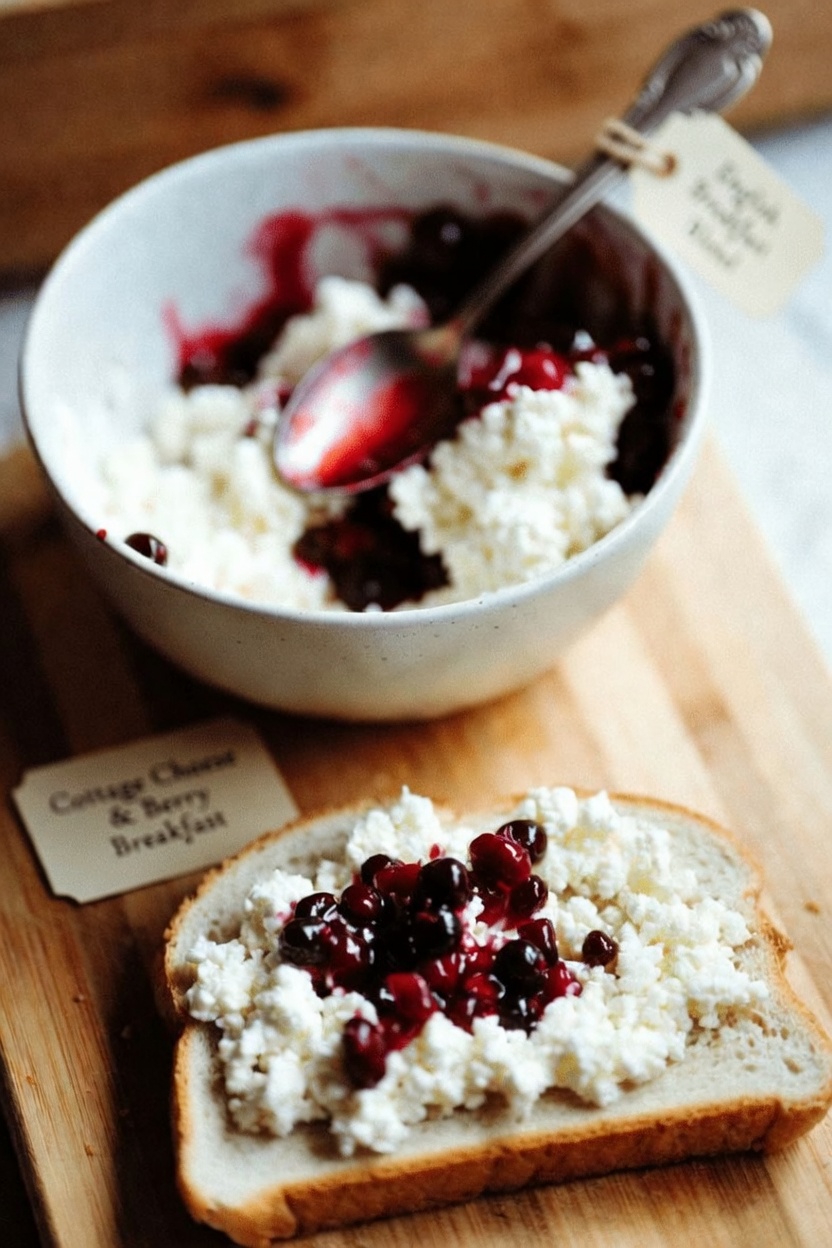
Easy Ways to Add Cottage Cheese to Your Day
You do not need elaborate recipes to benefit from cottage cheese. It can be added to meals and snacks in just a few minutes. Here are five simple options:
-
Breakfast bowl
- Combine 1 cup of cottage cheese with fresh berries, seeds, or chopped nuts.
-
Smoothies
- Blend it with banana, spinach, and milk or water for a creamy, protein-rich drink.
-
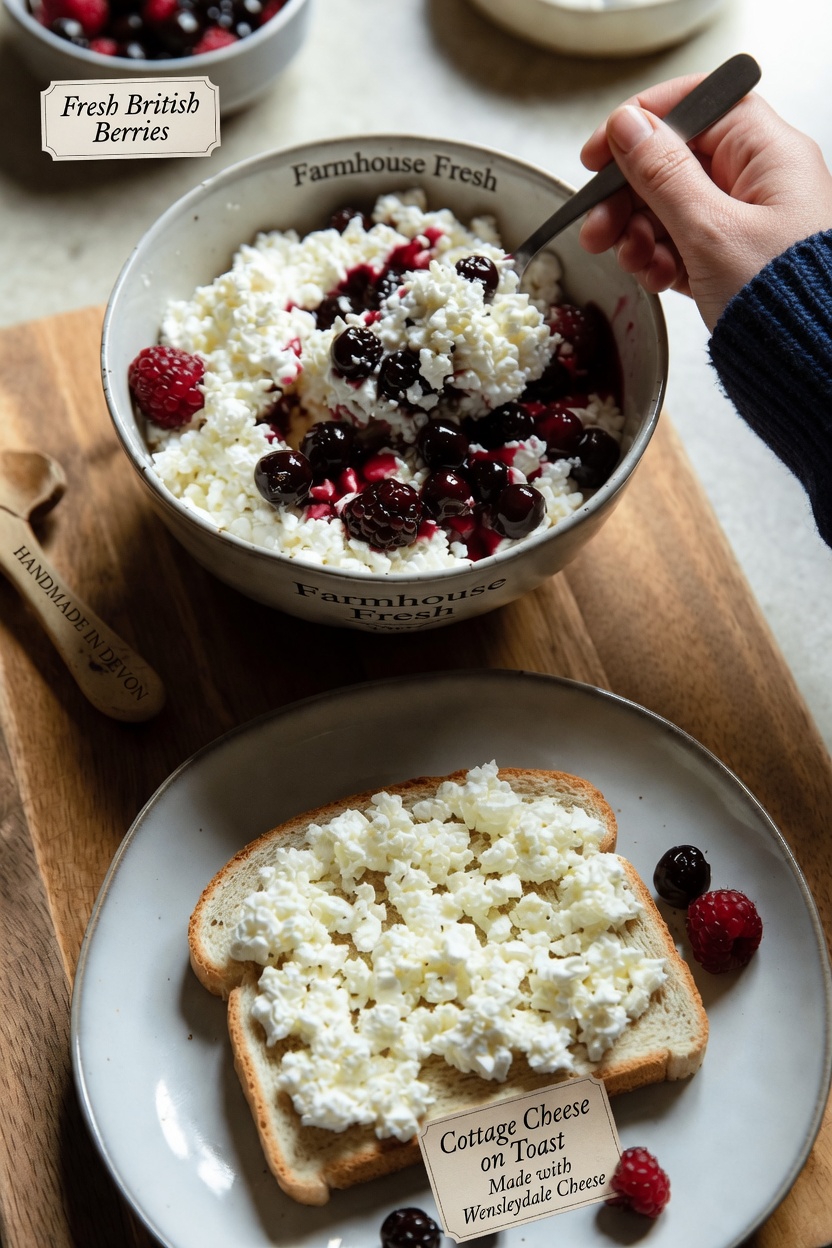
Whole-grain toast topper
- Spoon it over toast and add sliced tomatoes, cucumber, or avocado.
-
Lunch booster
- Stir it into salads, grain bowls, or scrambled eggs for extra protein.
-
Afternoon snack
- Eat it plain or mix with herbs and black pepper instead of reaching for processed snacks.
These small changes can make meals more filling while helping you stay on track with protein goals.
A Simple Plan to Start Today
If you want to support muscle health after 60, a few practical steps can make a real difference:
-
Buy cottage cheese on your next grocery trip
- Choose low-fat, full-fat, low-sodium, or lactose-free based on your needs.
-
Aim for 1 to 2 cups per day
- Spread it across meals or snacks to add about 25 to 50 grams of protein.
-
Pair it with regular movement
- Light resistance exercises such as chair squats, wall push-ups, or resistance band pulls a few times per week can help amplify the benefits.
-
Track your progress for two weeks
- Pay attention to energy, daily strength, balance, and how easy routine tasks feel.
This approach is straightforward, realistic, and easy to maintain.
Cottage Cheese Compared With Other Protein Sources
Here is how cottage cheese compares with a few other common protein choices:
| Food Item | Protein per Serving | Digestion Speed | Why It Helps After 60 |
|---|---|---|---|
| Cottage Cheese (1 cup) | 25g | Slow | Provides a steady supply of amino acids for hours |
| Whey Protein Powder | 25g | Fast | Useful after activity or on busy days |
| Chicken Breast (3 oz) | 25g | Medium | High-quality protein, but requires preparation |
| Greek Yogurt (1 cup) | 20g | Medium | Another dairy option with strong nutritional value |
| Eggs (2 large) | 12g | Medium | Nutritious, though lower in total protein per serving |
Cottage cheese stands out because it combines convenience, affordability, and slow-digesting protein in one food.
Why Food and Movement Work Best Together
Nutrition creates the foundation, but movement helps the body make better use of that nutrition. Light strength training can improve the benefits of a protein-rich diet, even if you are not doing intense workouts.
Good beginner-friendly activities include:
- Chair squats
- Step-ups
- Resistance band exercises
- Wall push-ups
- Daily walking
For many older adults, consistency matters much more than intensity. Even small amounts of regular movement, combined with enough protein, can improve strength, balance, and confidence over time.
Common Concerns to Keep in Mind
Some people hesitate to eat more dairy because of digestive or health concerns. In many cases, simple adjustments can help.
If You Are Sensitive to Lactose
- Try low-lactose or lactose-free cottage cheese
- Start with a small serving
- See how your body responds
Many people tolerate cottage cheese better than expected, especially in moderate portions.
If You Are Watching Sodium
- Choose low-sodium brands
- Balance your meals with potassium-rich foods such as tomatoes, leafy greens, and fruit
If You Have Kidney Issues or Other Medical Conditions
- Speak with your healthcare provider before making major dietary changes
- Personalized advice is especially important if you are on a restricted-protein diet
A Small Change That Can Support Long-Term Strength
Adding cottage cheese to your routine is one of the simplest ways to give your muscles reliable nutritional support after 60. It is easy to find, easy to eat, and easy to fit into nearly any budget or schedule.
When combined with regular movement, it can help support strength, daily function, and independence as you age. Research continues to show that high-quality dairy proteins can make a meaningful difference when used consistently.
FAQ
How much cottage cheese should I eat each day for muscle support?
Many adults over 60 can benefit from 1 to 2 cups daily, divided across meals or snacks. This can provide 25 to 50 grams of protein. Your ideal amount depends on your body weight, activity level, and total protein needs.
Can protein powder replace cottage cheese?
Yes, whey or casein protein powder can be a useful alternative, especially after exercise or when time is limited. However, cottage cheese offers the advantage of being a whole food with additional nutrients such as calcium and phosphorus. Many people use both.
Do I need to exercise for cottage cheese to help my muscles?
Exercise is not required for cottage cheese to provide protein, but movement greatly improves the results. Even light activity such as walking or resistance band exercises can make a noticeable difference. Start at a level that feels manageable and build from there.