Your Blood Pressure Medication May Not Be as Safe as You Think—Here’s How to Protect Your Heart Naturally
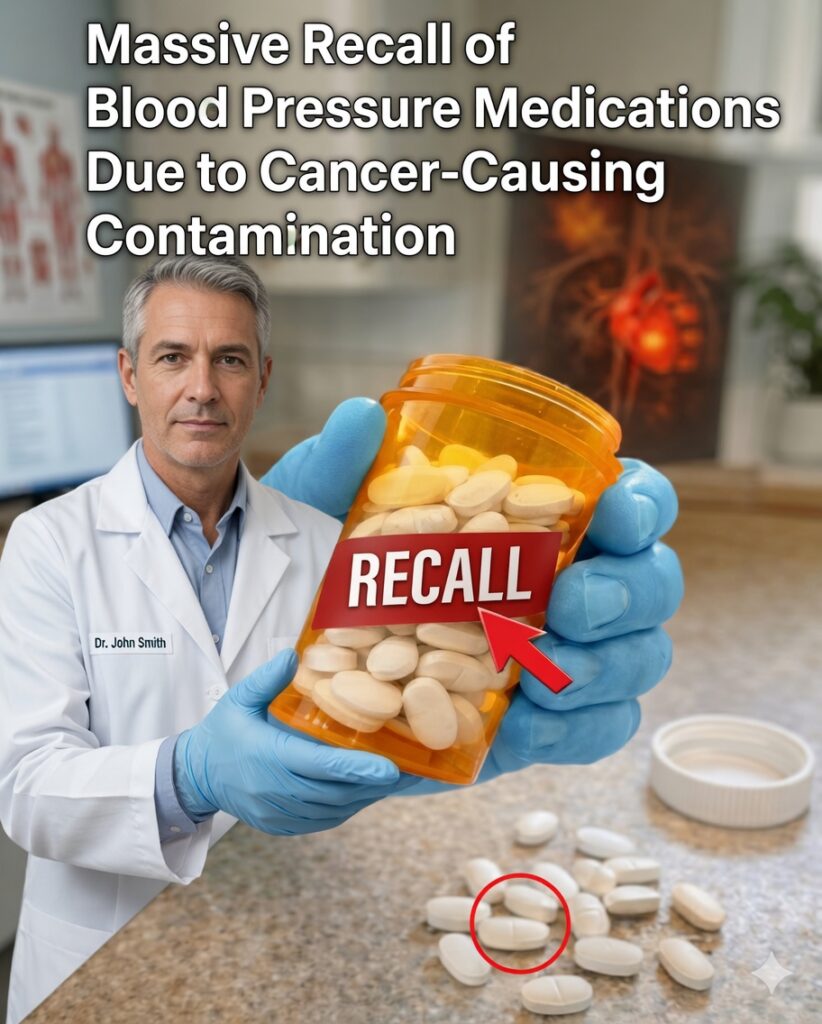
Millions of people rely on blood pressure medication every day to keep numbers in range and support long-term heart health. So when reports surface about a recall involving hundreds of thousands of bottles of a widely used drug—such as prazosin—due to potential contamination linked to cancer-related risk, it’s normal to feel uneasy.
The reassuring part: there are clear, practical steps you can take right now to check your situation and protect your health—without panic. And even if your prescription isn’t affected, understanding how recalls work helps you respond calmly and confidently in the future.
What Happened in This Recall?
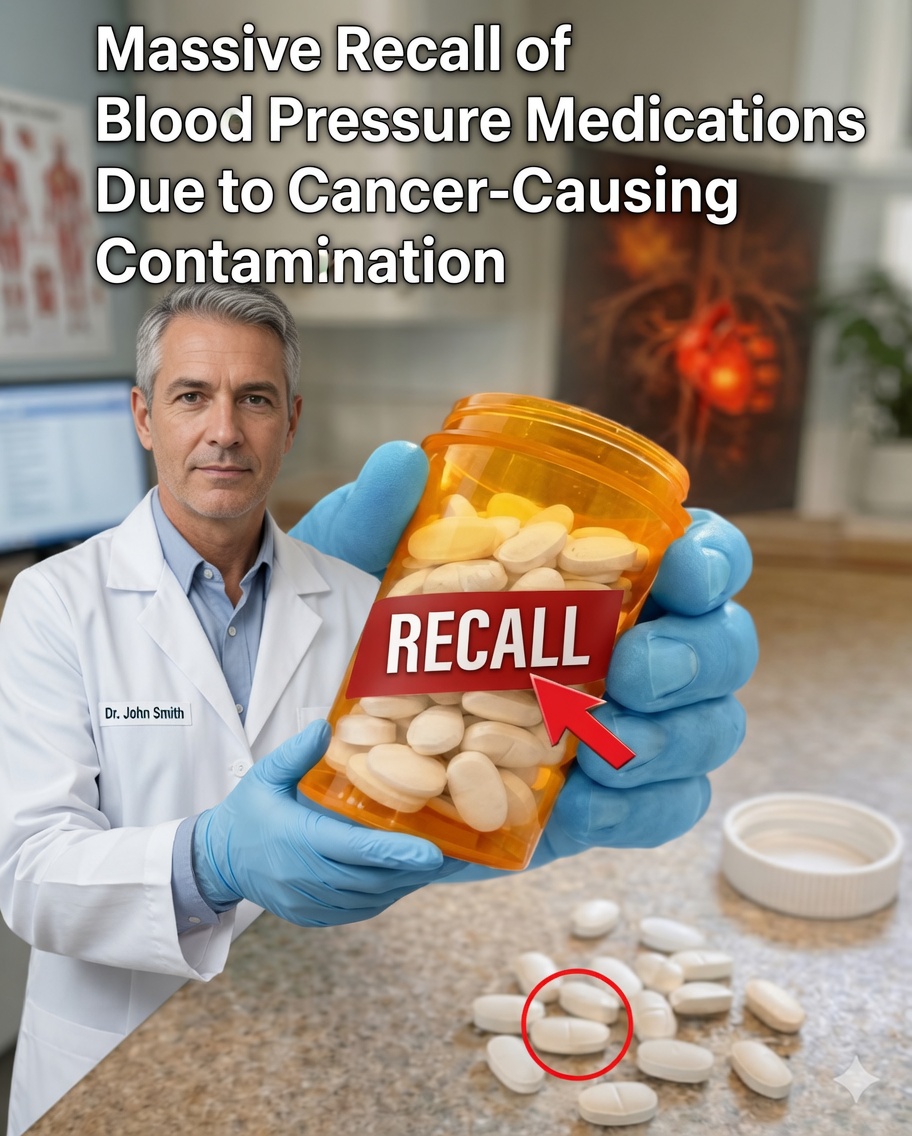
In late October 2025, a large quantity of prazosin hydrochloride capsules was voluntarily recalled after testing found elevated levels of an impurity known as a nitrosamine. When present above strict regulatory limits, nitrosamines may pose long-term health concerns.
Prazosin is commonly prescribed to help relax blood vessels and manage high blood pressure. The recall applied only to specific lots in 1 mg, 2 mg, and 5 mg strengths, with expiration dates extending into 2026.
Key point: not every bottle—and not every blood pressure medication—was involved. Health authorities generally consider the risk from these impurities to be low, particularly with short-term exposure.
Why Do These Impurities Show Up?
Nitrosamines can form during manufacturing or sometimes during storage, depending on ingredients, processes, and conditions. Small traces of nitrosamines can also be found in everyday sources like food and water—but the acceptable limits for medications are much stricter.
Improved testing methods now detect these compounds more precisely, which is one reason similar recalls have occurred in recent years. In many ways, this reflects an active safety monitoring system working to catch problems early and protect patients.
How to Check Whether Your Medication Is Affected
Do not stop taking your blood pressure medicine on your own. Suddenly discontinuing treatment can cause a dangerous spike in blood pressure.
Use this checklist:
- Read your prescription label carefully (manufacturer, medication name, dose, lot number, expiration date).
- Compare the details with official recall notices from trusted health authorities.
- Call your pharmacy to confirm whether your bottle matches the recalled lot information.
- Speak with your doctor if a replacement or alternative treatment is needed.
In confirmed cases, pharmacies commonly offer a replacement or refund, depending on local policy and regulations.
What This Means for Your Health Routine
Headlines about recalls can sound alarming, but they also highlight how important it is to stay informed about your care. Many people successfully manage hypertension by combining medical treatment with daily heart-healthy habits.
If anything, situations like this can be a useful reminder to strengthen your routine and give your cardiovascular health more consistent attention.
Practical Ways to Support Healthy Blood Pressure (Starting Today)
You don’t need extreme changes to make progress. These evidence-based habits can help support blood pressure control alongside your prescribed treatment:
- Track your numbers at home: Use a reliable monitor and log readings consistently.
- Move every day: Even a 30-minute walk can make a measurable difference.
- Eat for heart health: Cut back on salt/sodium and choose more potassium-rich foods (as appropriate for your health status).
- Improve sleep and manage stress: Simple breathing techniques and a steady bedtime can help.
- Stay hydrated: Adequate water intake supports healthy circulation.
Consistency beats intensity—small steps done regularly tend to last longer than sudden overhauls.
Medication Safety: The Bigger Picture
Even with strict quality standards, issues can occur because large-scale pharmaceutical production is complex. When a problem is identified, recalls are typically issued to reduce risk and protect the public.
If you’re unsure what applies to your prescription, your pharmacist and doctor are the most reliable sources for guidance tailored to your situation.
Frequently Asked Questions
-
What should I do if I think my medication is part of a recall?
Contact your pharmacy or physician right away to verify the lot information and get next-step instructions. -
Is the cancer risk high?
No. The risk is generally considered very low, especially for short-term exposure. -
Can I replace medication with lifestyle changes alone?
Not without medical supervision. Healthy habits are powerful, but medication decisions should be made with a healthcare professional.
Final Thoughts
A medication recall can be stressful—but with accurate information and the right actions, you can stay in control. Check your prescription details, seek professional advice when needed, and strengthen the daily habits that support heart health.
Your wellbeing is built over time. The small decisions you make today can create greater safety and confidence tomorrow.
Disclaimer: This article is for informational purposes only and does not replace professional medical advice. Always consult a qualified healthcare provider before changing any medication or health routine.