Epazote (Paico): Medicinal Benefits and Traditional Uses
Epazote is considered one of the most valuable medicinal plants in Latin America. Known in different regions as paico or by its former botanical name Chenopodium ambrosioides (now often classified in the genus Dysphania), this aromatic herb has been used for centuries to support digestion, expel intestinal parasites, and ease menstrual discomfort. Although its scientific terminology may sound unfamiliar, its healing properties are widely recognized in traditional medicine.
Beyond its therapeutic uses, epazote is also a popular culinary herb. Its distinctive flavor and strong aroma are prized in many Latin American dishes, especially for its carminative effect—helping to reduce gas and bloating after meals. If you want to learn how to use epazote safely and effectively, the following guide covers its main benefits, uses, and precautions in detail.
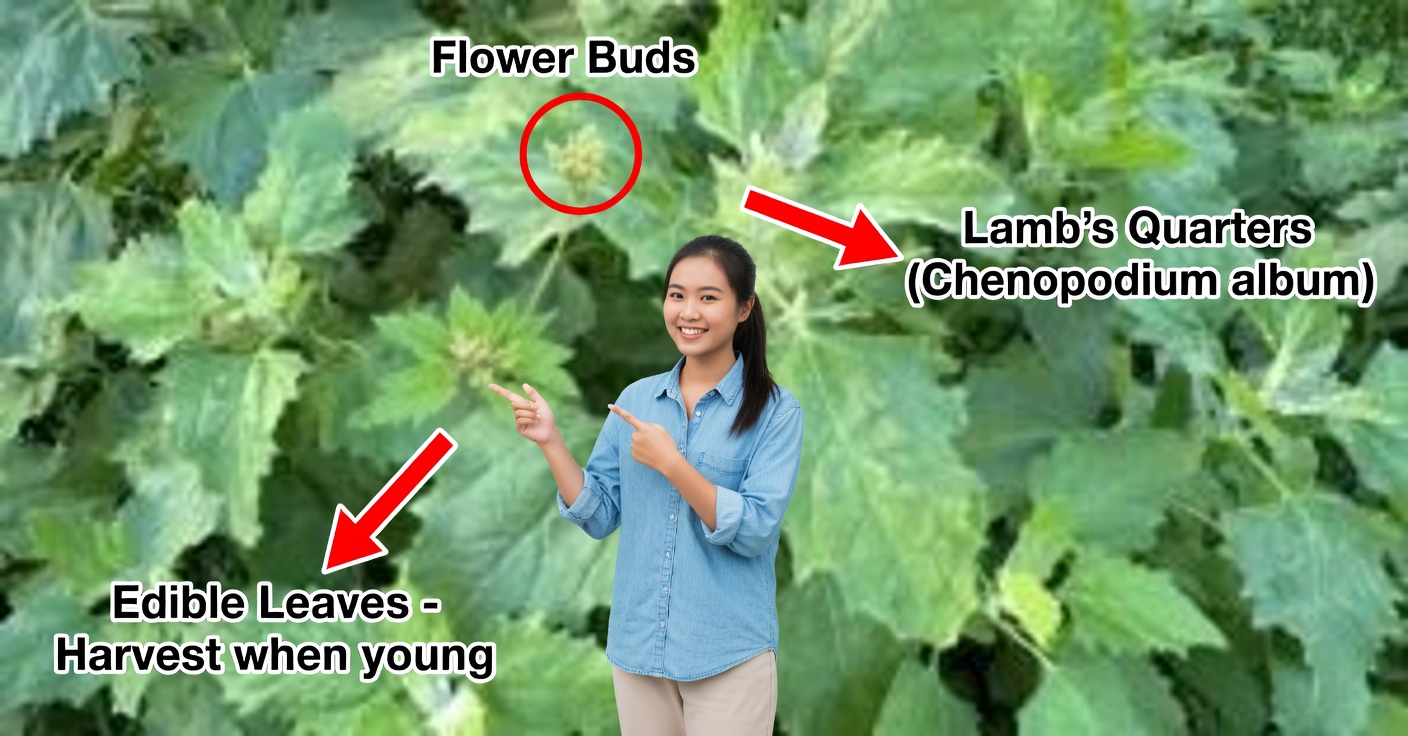
Common Names for Epazote
Depending on the country or region, epazote is known by several different names. Some of the most popular are:
- Epazote – Mexico and Central America
- Paico – Peru, Bolivia, Ecuador
- Cenizo – referring to the grayish tone of its leaves
- Wild quinoa – due to its resemblance to cultivated quinoa
- Stinking weed / foul-smelling herb – a reference to its penetrating odor
- Goosefoot – in English, inspired by the goose-foot shape of its leaves
Key Health Benefits of Epazote
For generations, epazote has been used as a home remedy for a wide variety of ailments. Below are its most recognized medicinal benefits:
1. Natural Intestinal Dewormer
Epazote is best known as a traditional herbal remedy for intestinal parasites. Taken as an infusion, often in combination with crushed pumpkin seeds, it has been used to help expel worms and amoebas from the digestive tract.
2. Relieves Gas and Abdominal Cramps
Thanks to its carminative properties, epazote helps reduce gas formation, bloating, and intestinal spasms. This is why it is frequently added to bean dishes in Mexican cuisine—to make them easier to digest and less likely to cause flatulence.
3. Supports Digestion
Epazote acts as a gentle digestive tonic. It can stimulate the production of digestive enzymes and improve intestinal transit, which may help prevent indigestion and feelings of heaviness after eating.
4. Helps Regulate the Menstrual Cycle
Mild epazote infusions have traditionally been used to ease menstrual cramps and to support more regular menstrual cycles, due to its uterine-stimulating effect.
5. Anti-inflammatory Effects
Applied externally as a poultice or compress, epazote leaves may help soothe muscle pain and reduce mild swelling in joints and soft tissues.
6. Fights Bacteria and Fungi
The essential oils in epazote have documented antimicrobial properties. These can be useful as a complementary remedy for minor bacterial or fungal infections.
7. Natural Expectorant
Epazote is considered a natural expectorant. It helps loosen and expel phlegm, providing relief in cases of common colds, bronchitis, or respiratory congestion.
8. Supports Liver Function
Traditionally, epazote has been used as a liver tonic. It is believed to stimulate liver activity and assist the body’s natural detoxification processes.
9. Boosts Immune Defenses
Thanks to its content of natural antioxidants, epazote can help protect cells from oxidative stress and support overall immune function.
10. Natural Insect Repellent
The strong odor of epazote has long been used to repel insects such as mosquitoes, fleas, and ticks. Bundles of the plant are sometimes placed in homes or animal shelters for this purpose.
Natural Recipe: Digestive and Antiparasitic Infusion
This simple traditional recipe combines epazote with optional pumpkin seeds to support digestion and help expel intestinal parasites.
Ingredients
- 5 fresh epazote (paico) leaves
- 1 teaspoon crushed pumpkin seeds (optional)
- 1 cup water
- ½ teaspoon raw honey (optional)
Preparation
- Rinse the epazote leaves thoroughly.
- Bring the cup of water to a boil in a small pot.
- Add the leaves (and pumpkin seeds if using) and simmer over low heat for about 5 minutes.
- Remove from heat, cover, and let steep for 10 minutes.
- Strain and sweeten with honey if desired.
How to Use
- For parasites: Drink 1 cup on an empty stomach for 5 consecutive days.
- For digestion: Drink 1 cup after main meals to reduce gas and heaviness.
20 Notable Benefits of Epazote
Epazote is associated with a wide range of traditional uses. Among the most commonly cited benefits are:
- Helps eliminate intestinal parasites
- Relieves gas and flatulence
- Reduces stomach cramps and colic
- Fights bacteria and fungi
- Stimulates appetite
- Regulates bowel movements
- Eases symptoms of gastritis
- Strengthens the immune system
- Relieves menstrual pain
- Improves liver function
- Helps prevent respiratory infections
- Calms coughs and chest congestion
- Reduces joint and muscle inflammation
- Acts as an antioxidant
- Decreases oxidative stress
- Supports the body’s detoxification processes
- Contributes to clearer, healthier-looking skin
- Protects against intestinal infections
- Supports hormonal balance
- Encourages sweating in cases of fever
Main Medicinal Properties of Epazote (Summary)
| Property | Primary Benefit |
|---|---|
| Antiparasitic | Helps expel worms and intestinal amoebas |
| Carminative | Reduces gas, bloating, and cramps |
| Digestive | Stimulates digestive enzymes and motility |
| Antibacterial | Assists in mild infection control |
| Expectorant | Clears mucus from the respiratory tract |
| Anti-inflammatory | Eases muscular and joint pain |
| Uterine stimulant | Helps regulate the menstrual cycle |
| Hepatic tonic | Supports liver health and detoxification |
| Diuretic | Promotes fluid elimination |
| Antioxidant | Protects against cellular aging and damage |
Precautions and Safety Tips When Using Epazote
Although epazote is a powerful medicinal plant, it must be used with caution:
- Avoid its use during pregnancy and breastfeeding.
- Do not exceed recommended doses. Epazote contains ascaridole, a compound that can be toxic in high amounts.
- Do not administer to children under 2 years of age.
- People with liver or kidney conditions should consult a healthcare professional before using epazote.
Conclusion
Epazote, or paico, is much more than a traditional kitchen herb—it is a potent natural ally for digestive health, parasite control, and immune support. Whether used as an infusion or as a culinary ingredient, this plant can significantly contribute to daily well-being. However, due to its strong active compounds, it should always be consumed in moderation and with proper knowledge of its effects and contraindications.