Health Benefits of Candilillo (Senna alata) and Its Traditional Medicinal Uses
The health benefits of candilillo have been valued for generations across many tropical regions. This plant, scientifically known as Senna alata, has long been used in folk medicine to treat fungal infections, skin problems, inflammation, muscle pain, and mild digestive discomfort. Thanks to its strong antifungal and anti-inflammatory properties, candilillo is considered one of the most accessible and effective natural remedies in traditional medicine throughout the Caribbean and Central America.
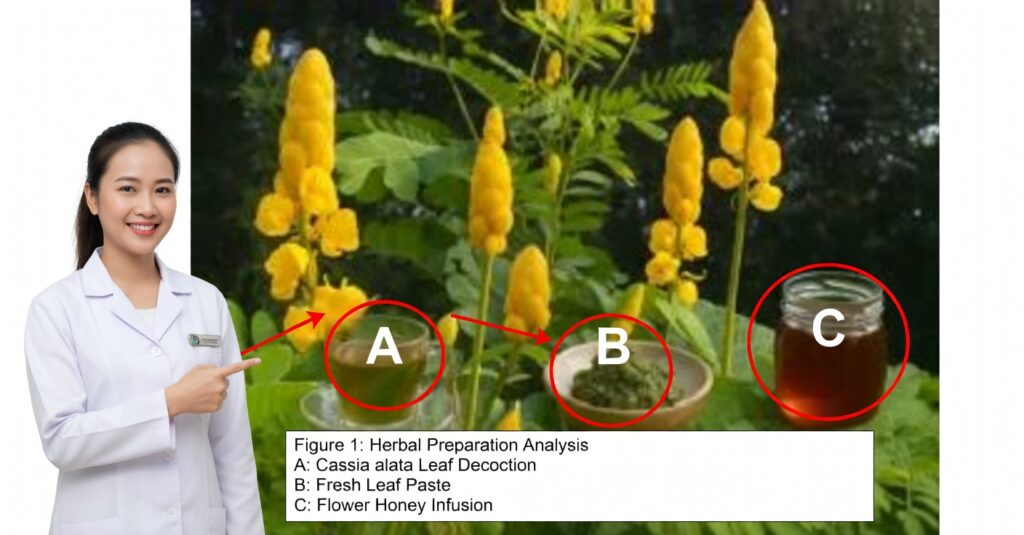
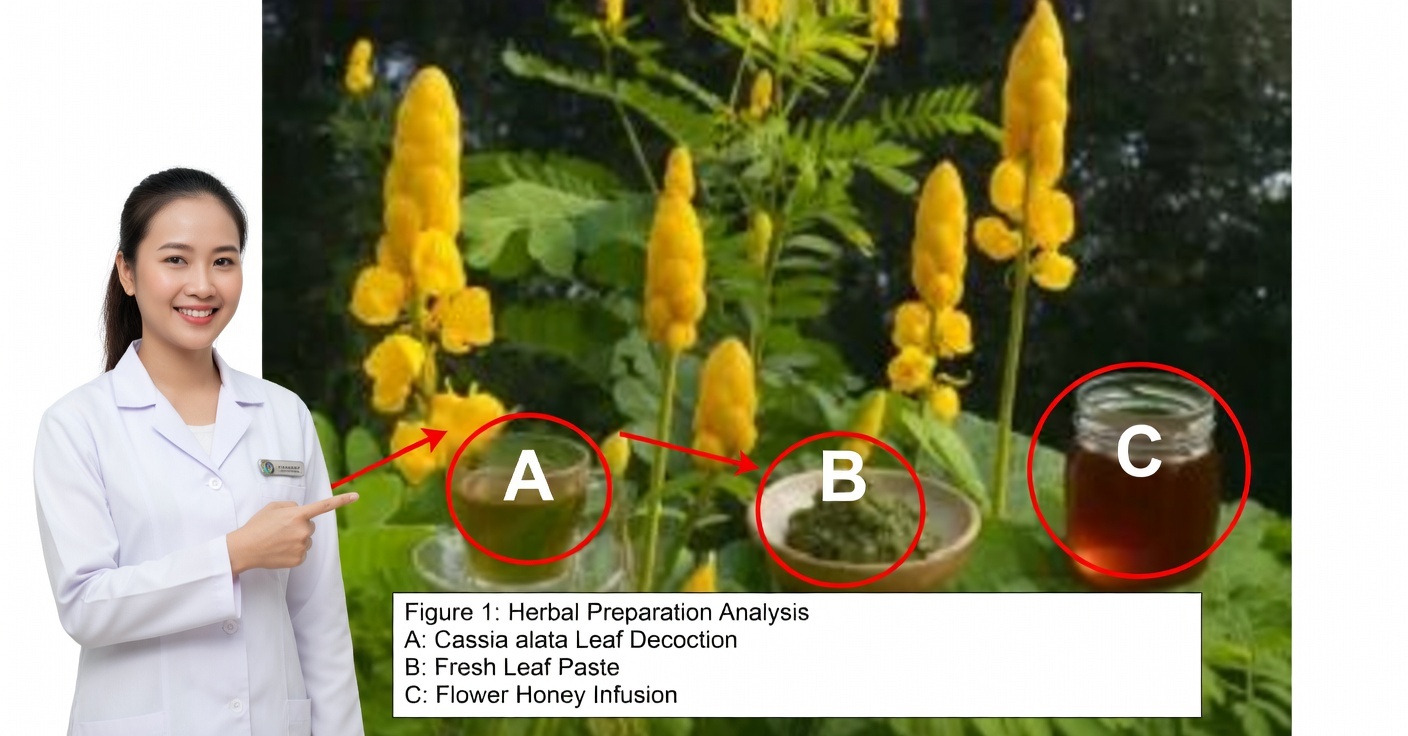
Candilillo is easy to recognize by its striking candle‑like yellow flower spikes and its ability to thrive in hot climates. Although it is known by several common names—such as candelabra bush, acapulín, butterfly bush, candle bush, ringworm bush, among others—its reputation mainly comes from its effectiveness against stubborn fungi and its capacity to support skin regeneration.
In this guide, you will discover the main benefits of candilillo, its therapeutic properties, traditional preparations, simple home remedies, and essential precautions to use it safely at home.
What Makes Candilillo (Senna alata) So Special?
The leaves and other parts of Senna alata contain active compounds with multiple medicinal actions:
- Antifungal
- Anti‑inflammatory
- Antibacterial
- Mild laxative
- Expectorant
- Wound‑healing (cicatrizing)
These combined effects help explain why candilillo is commonly used to treat skin infections, nail fungus, irritated skin, and joint or muscle pain.
Home Remedies with Candilillo
Below are traditional candilillo remedies that have been used for decades in rural communities. They are for informational purposes and should not replace professional medical advice.
1. Purifying Candilillo Infusion
Ingredients:
- 5 fresh leaves
- 1 cup of water
- Honey (optional)
Preparation:
- Wash the leaves thoroughly and cut them into small pieces.
- Bring the water to a boil, then remove from heat and add the leaves.
- Let steep for about 10 minutes and strain.
How to use:
Drink on an empty stomach up to 3 times per week to support digestion, relieve mild constipation, and help the body’s natural detox processes.
2. Poultice for Muscle and Rheumatic Pain
Ingredients:
- 10 leaves
- 1 tablespoon olive oil
Preparation:
- Crush or grind the leaves until they form a thick paste.
- Mix the paste with the olive oil.
- Apply directly to the painful area for about 30 minutes, then rinse if desired.
This traditional poultice is used to lessen inflammation and ease lower back pain, joint discomfort, and tense or sore muscles.
3. Medicinal Bath for Fungal Infections and Ringworm
Ingredients:
- 20 leaves
- 2 liters of water
Preparation:
- Boil the leaves in the water for around 10 minutes.
- Allow the decoction to cool to a comfortable temperature.
- Use the liquid to wash affected areas such as feet, toenails, or patches of skin.
Duration of use:
Apply twice daily for about 15 days. This remedy is traditionally used for persistent fungal infections and ringworm.
4. Homemade Syrup for Cough and Congestion
Ingredients:
- 1 cup of leaves
- 1 cup of honey
- ½ cup of lemon juice
Preparation:
- Boil the leaves in water (just enough to cover them) to obtain a concentrated extract.
- Strain and combine the liquid with the honey and lemon juice.
- Pour into a glass bottle and store in the refrigerator.
How to use:
Take 2 tablespoons per day for up to 10 days to help soothe cough, loosen phlegm, and relieve mild chest congestion.
5. Homemade Antifungal Ointment
Ingredients:
- 15 leaves
- 3 tablespoons petroleum jelly or cocoa butter
Preparation:
- Crush the leaves thoroughly to extract their juice.
- Mix the juice with the petroleum jelly or softened cocoa butter until well combined.
- Store in a clean container.
How to use:
Apply a thin layer 3 times a day to the affected area. Traditionally used for fungal rashes, skin irritation, itching, and minor eruptions.
Therapeutic Properties of Candilillo (Ringworm Bush)
Candilillo, also known as ringworm bush or candle bush, has several medicinal actions that explain its popularity in traditional herbal medicine:
- Antifungal
- Anti‑inflammatory
- Wound‑healing (cicatrizing)
- Expectorant
- Antibacterial
- Analgesic (pain‑relieving)
- Mild laxative
- Skin‑regenerating
- Anti‑rheumatic
Most Recognized Health Benefits of Candilillo
The best‑known benefits of candilillo include:
- Fights fungal infections on skin and nails
- Helps relieve ringworm, scabies, and dermatitis
- Reduces inflammation and joint pain
- Eases back pain and sciatic discomfort
- Supports healthy digestion
- Helps regulate bowel movements
- Aids natural detoxification processes
- Promotes skin repair and speeds up wound healing
- Alleviates cough, excess phlegm, and nasal or chest congestion
- May help reduce fluid retention
- Supports better circulation
- Relaxes tense muscles
- Contributes to immune system support
- Helps with fungal issues on the scalp
Safety Precautions When Using Candilillo
Although candilillo is widely used in folk medicine, it should be handled with care:
- Avoid excessive internal use, as it may cause diarrhea.
- Not recommended during pregnancy or breastfeeding.
- Do not combine with commercial laxatives without medical supervision.
- People with diabetes, high blood pressure, thyroid disorders, or chronic illnesses should consult a healthcare professional before using it.
- For topical use, always do a patch test on a small area of skin to check for sensitivity or allergy.
Conclusion
The many benefits of candilillo make it a valuable natural ally for managing fungal infections, inflammation, muscle and joint pain, and mild respiratory or digestive issues. Its preparations are generally simple, inexpensive, and widely used in traditional medicine when applied correctly.
If you have access to this plant and use it responsibly, candilillo can be a helpful complement to your wellness routine—always keeping in mind professional medical guidance and appropriate precautions.