Turmeric: A Gem of Natural Medicine
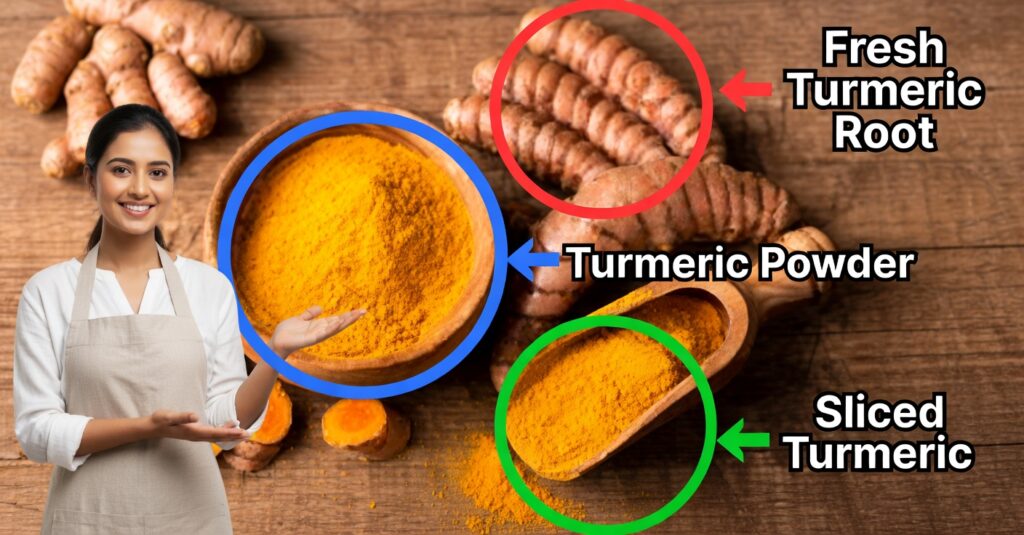
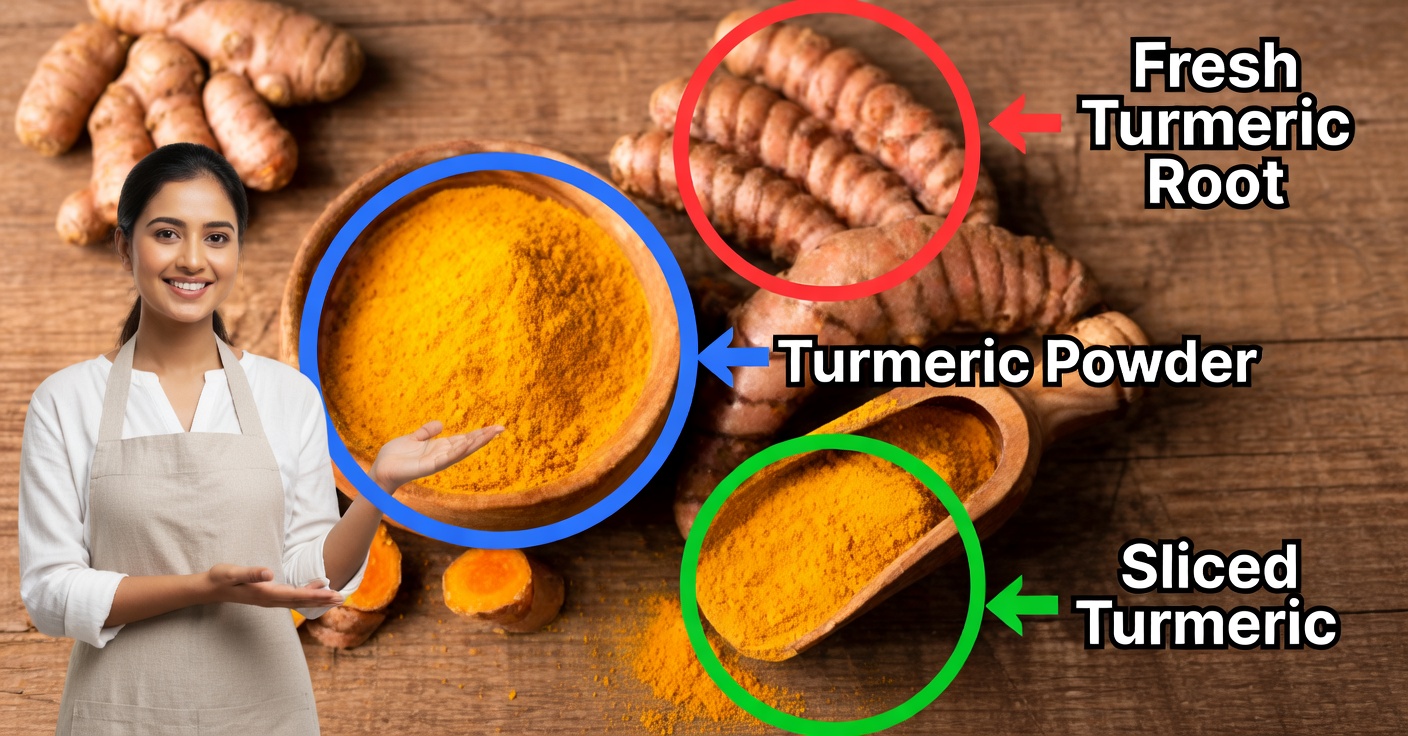
Turmeric, scientifically known as Curcuma longa, is a bright golden-yellow root native to Southeast Asia. For thousands of years, it has been a cornerstone of traditional Indian and Chinese medicine thanks to its remarkable healing properties.
Modern research now supports what ancient cultures already understood: turmeric is a powerful natural anti-inflammatory, antioxidant, and overall protector of the body.
Its main active compound is curcumin, a bioactive substance with a wide range of benefits for both body and mind. Below, we’ll look at its key advantages, the best ways to consume it, and the precautions you should keep in mind.
Main Health Benefits of Turmeric
-
Helps Reduce Inflammation in the Body
One of turmeric’s best-known effects is its strong natural anti-inflammatory action. Curcumin helps block certain molecules involved in chronic inflammation, which can ease muscle discomfort, joint pain, and conditions such as arthritis.
For this reason, many natural health practitioners recommend adding turmeric to your daily diet as a complementary aid in managing inflammatory issues.
-
Supports and Strengthens the Immune System
Turmeric is rich in antioxidants that help strengthen the body’s defenses and enhance immune response against viruses and bacteria. Regular intake may help lower the risk of common infections such as colds and flu.
-
Improves Digestion and Protects the Liver
Turmeric stimulates bile production, which makes it easier for the body to break down fats and supports overall liver function. It also aids in detoxification, helping the liver eliminate waste products and toxins.
This contributes to better digestive health and may help prevent issues such as indigestion and fatty liver. -
Helps Regulate Cholesterol and Blood Sugar
Several studies suggest that curcumin can help reduce levels of “bad” LDL cholesterol and support healthier blood sugar levels. As a result, turmeric is considered a valuable natural ally for cardiovascular health and metabolic balance.
-
Supports Brain Health and Cognitive Function
Turmeric also has notable effects on the brain. Curcumin appears to increase levels of BDNF (brain-derived neurotrophic factor), a hormone that encourages the growth and repair of neurons and supports memory and learning.
This mechanism may help protect against age-related cognitive decline and neurodegenerative diseases such as Alzheimer’s. -
Fights Cellular Aging
The antioxidants in turmeric help defend cells against oxidative stress, one of the main drivers of aging. By counteracting free radical damage, regular turmeric consumption can contribute to healthier, more radiant, and youthful-looking skin, as well as overall cellular protection.
How to Consume Turmeric Correctly
There are several effective ways to enjoy the health benefits of turmeric:
-
Turmeric Tea or Infusion
- Boil one cup of water.
- Add one teaspoon of grated fresh turmeric or turmeric powder.
- Simmer for a few minutes, then strain if desired.
- For extra flavor and enhanced anti-inflammatory power, add a slice of ginger and a little honey.
-
As a Powdered Spice in Food
Use turmeric powder as a seasoning in everyday dishes such as soups, rice, stews, vegetables, smoothies, or sauces.
It adds a rich golden color, a warm earthy flavor, and a powerful nutritional boost. -
Combined with Black Pepper
Black pepper significantly increases the absorption of curcumin—by up to 20 times. For optimal benefits, it’s recommended to pair turmeric with a pinch of black pepper whenever possible.
-
In Capsules or Dietary Supplements
For those seeking a more concentrated dose, turmeric and curcumin supplements are available in capsule or tablet form, often standardized for curcumin content.
Always consult a healthcare professional before starting regular supplementation, especially if you have existing health conditions or take medication.
Precautions and Contraindications
Although turmeric is generally considered safe as a food and natural remedy, there are situations where caution is advised:
- People with gallbladder problems or gallstones should avoid high doses.
- Excessive consumption is not recommended during pregnancy.
- Turmeric may enhance the effects of anticoagulant (blood-thinning) medications.
- Large doses can sometimes cause digestive upset, such as stomach pain or diarrhea.
It is best to start with small amounts and pay attention to how your body responds.
Conclusion: A Golden Root for Your Well-Being
Turmeric is far more than a fragrant spice; it is a potent natural remedy that can support health on multiple levels.
From easing inflammation and protecting the liver to boosting immunity, supporting brain function, and combating cellular aging, this “golden root” truly deserves its reputation as a jewel of natural medicine.
Incorporating turmeric into your daily routine—whether in teas, meals, or supplements—can be a simple yet powerful step toward better overall wellness.
You may also be interested in: Benefits of Kalanchoe: Uses and How to Take It.