Banana Peel for Rough Skin Bumps: What You Can Honestly Expect
Rough, raised bumps on the skin can be annoying and hard to ignore, especially when they appear on visible areas such as the neck, fingers, or hands. For many people, these common skin concerns affect confidence and create interest in low-cost remedies that can be tried at home. One option that keeps coming up is banana peel.
People are often drawn to this method because it sounds simple, natural, and inexpensive. But the real question is not whether it is popular — it is whether it actually makes a noticeable difference. Below, we take a realistic look at why banana peel is so widely discussed, what people usually do when trying it, what research says, and what real users report seeing.
Why Banana Peel Became a Popular Home Remedy
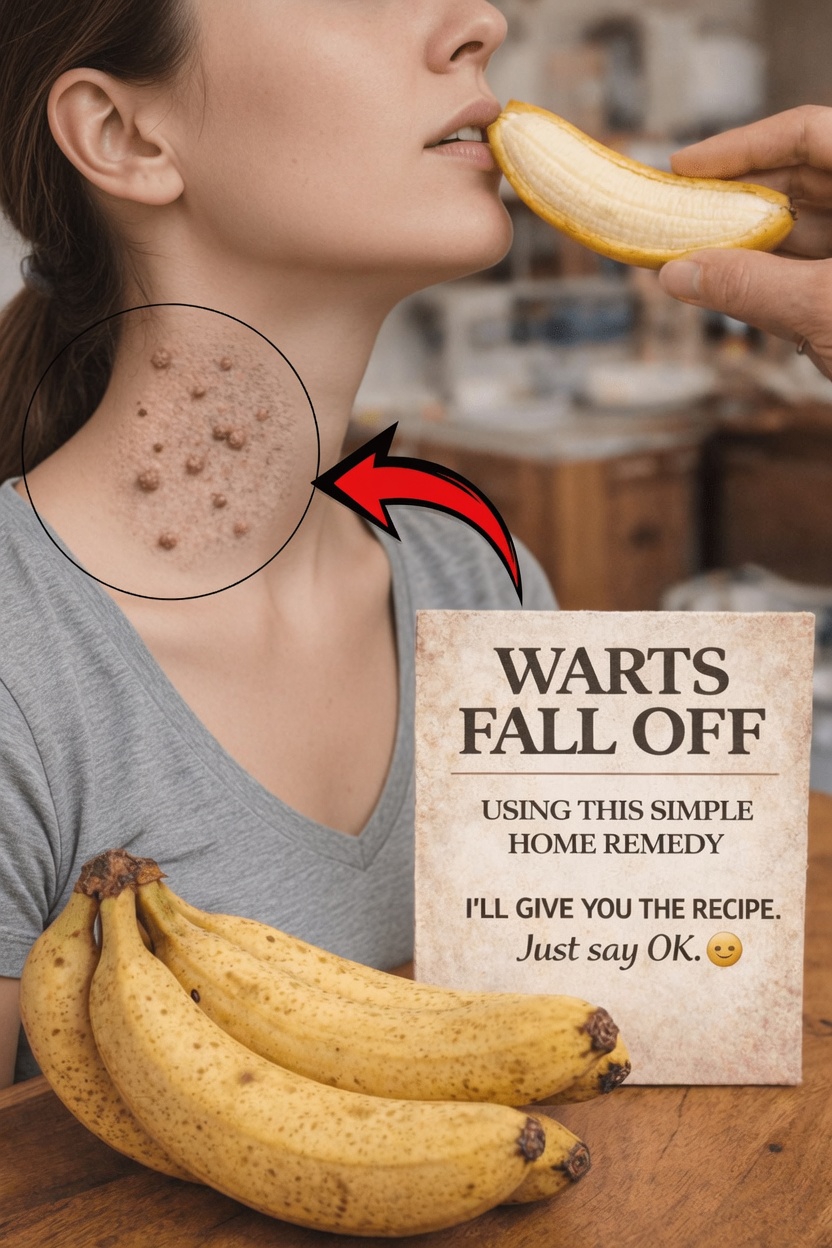
Using banana peel for skin bumps is not a new trend. It has circulated for years in home remedy discussions because bananas are inexpensive, easy to find, and already part of many households. After eating the fruit, the peel is readily available, which makes the method seem practical and convenient.
Still, popularity does not equal proven effectiveness. Many people try banana peel after seeing personal stories online or because they want to avoid more aggressive treatments.
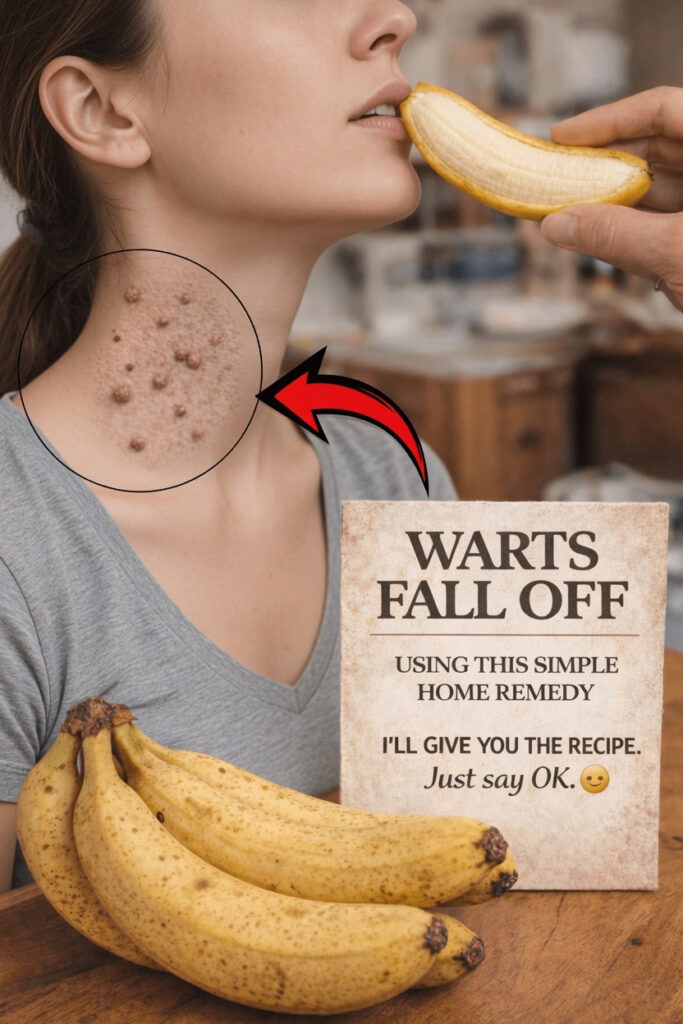
Common growths such as warts are usually linked to the human papillomavirus, or HPV. Although they are often harmless, they can linger for a long time and may spread in some cases. That is one reason gentle home approaches appeal to so many people.
How People Commonly Use Banana Peel
If you are curious about this remedy, the routine most often described is fairly simple. It is important to remember that these steps come from user experiences, not from a standard medical recommendation.
Typical application method
- Pick a fresh, ripe banana and cut off a piece of peel about the same size as the affected area.
- Clean the skin with mild soap and dry it carefully.
- Place the inner, softer side of the peel directly against the bump.
- Hold it in place with medical tape or a bandage, often overnight.
- Remove it in the morning, wash the area again, and repeat the process with a fresh piece each day.
Many people who share their experiences stress the importance of consistency. Some continue for several weeks while watching for any visible changes. If irritation, redness, or discomfort develops, stop using it and wash the area thoroughly.
Cleanliness is especially important with any home treatment applied directly to the skin.
What Research Says About Banana Peel for Skin Bumps
When the scientific evidence is reviewed, the answer is fairly straightforward: there is currently no strong proof that banana peel is a reliable treatment for common warts.
One small study from around 2016 compared banana peel with cryotherapy, a treatment that freezes the wart. The findings did not show a meaningful difference in results, and both methods had limited success in that particular group. Medical sources such as Medical News Today note that while anecdotal stories exist, controlled studies do not currently support strong claims about banana peel working well.

Banana peels do contain compounds that sound promising, including antioxidants, enzymes, and minerals such as potassium. Some laboratory research suggests they may have antimicrobial properties in general. However, that is very different from proving they can remove skin bumps caused by HPV.
Another important point is that some skin growths improve or go away on their own over time. When that happens, a home remedy may get the credit even if the real reason was simply natural resolution.
What Real Users Say They Notice
Online forums, social media discussions, and health communities include a wide mix of opinions about banana peel. Some people feel they saw improvement, while others report no change at all. This variety gives a more balanced view of what you might realistically expect.
Commonly reported experiences
- Some users say the area felt softer or looked slightly smoother after one to two weeks.
- Others report no visible improvement even after using it daily for a month.
- A few mention gradual fading, although they were sometimes using other skin-care methods at the same time.
- Some people say the peel made the skin feel more moisturized.
Results appear to vary greatly from person to person. The type of bump, where it is located, skin sensitivity, and overall health may all influence the experience. That is why experts usually advise keeping expectations realistic when trying home remedies.
Safety Tips and Precautions
Banana peel is generally considered low risk for most people, but that does not mean it is suitable in every case. It is still possible to develop irritation, especially on sensitive skin.
Watch for:
- Itching
- Redness
- Burning
- Increased tenderness
If the bump is on the face, genital area, or changes in concerning ways — such as bleeding, growing quickly, or becoming unusually painful — it is better to skip home treatment and get medical advice promptly.
Helpful skin-care habits during home treatment
- Keep the area clean and dry.
- Do not share towels or other personal items.
- Support your immune system with good nutrition and enough sleep.
- Limit exposure to harsh products or constant moisture that may irritate the skin.
These habits are useful whether or not you decide to try banana peel.
Other Options People Often Consider
Banana peel is only one of several home-based approaches people explore for common skin issues. Other frequently mentioned options include duct tape occlusion and over-the-counter treatments containing salicylic acid. These methods have varying levels of evidence behind them.
The best approach often depends on the person and the exact nature of the skin concern. A dermatologist can help identify what the bump actually is and suggest the most suitable treatment based on your needs.
Many people start with simple remedies because they are easy to access and feel less intimidating. That can be a reasonable first step for some situations. However, when a skin problem is stubborn or spreading, professional care is often the more dependable route.

Long-Term Habits for Healthier Skin
No single remedy matters as much as daily skin care over time. Healthy habits can improve the appearance of your skin and support its ability to recover.
Smart habits to maintain
- Drink enough water
- Eat vitamin-rich foods
- Protect skin from sun exposure
- Get regular sleep
- Avoid picking or irritating bumps
Many people find that overall wellness plays a bigger role in skin health than any one quick fix. Small, steady improvements often do more than relying on a single household trick.
Final Thoughts on Banana Peel for Warts and Similar Bumps
Banana peel remains a popular home remedy because it is simple, cheap, and easy to try. Some people share encouraging experiences, but current research does not show strong evidence that it works consistently for common warts or similar skin bumps.
The most practical way to view this remedy is with curiosity balanced by realistic expectations. Pay attention to how your skin reacts, stop if irritation occurs, and seek professional advice if anything seems unusual or does not improve.
FAQ
How long do people usually try banana peel before switching to something else?
Many people say they use it every day for about two to four weeks before deciding whether to continue. The timeline can differ from person to person, and home remedies often require patience.
Is banana peel safe for children or sensitive areas?
It is best to speak with a healthcare professional first, especially for children or delicate areas of the body. Even mild home remedies can cause irritation in sensitive skin.
What should I do if the bump does not improve?
If the area stays the same, gets worse, or starts changing in unusual ways, book an appointment with a doctor or dermatologist. A professional can identify the problem and recommend treatments that are more appropriate for your situation.