Salt-Baked Potatoes with Garlic, Rosemary, and Thyme
This salt-baked potato recipe transforms a simple comfort food into something rustic yet refined.
Baked inside a thick crust of coarse sea salt scented with garlic, rosemary, and thyme, the potatoes turn incredibly fluffy inside while the skins become beautifully crisp.
The salt shell traps moisture and gently infuses the potatoes with aromatic flavors, taking them far beyond ordinary baked potatoes.
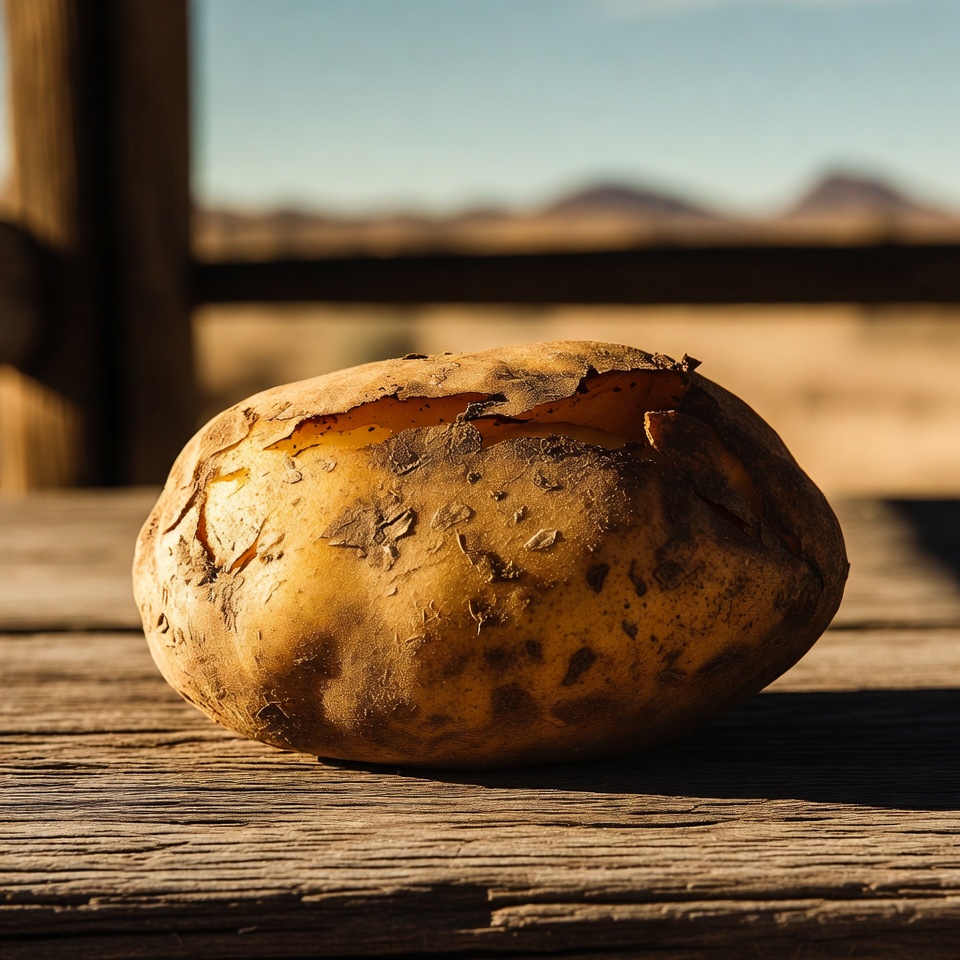
Finished with cool sour cream and fresh chives, these salt-baked potatoes can stand alone as a satisfying main course or complement almost any dish as a standout side.
Elegant but easy, this recipe works just as well for a casual weeknight meal as it does for entertaining guests.
Ingredients
- 4 large potatoes (see tips for best varieties)
- 2 cups coarse sea salt
- 4 cloves garlic, finely chopped
- 2 tablespoons fresh rosemary, chopped
- 2 tablespoons fresh thyme, chopped
- 1/4 cup olive oil
- Salt and freshly ground black pepper, to taste
- Sour cream, for serving
- Finely chopped chives, for garnish
Instructions
-
Preheat the oven
Preheat your oven to 200°C (about 400°F). -
Prepare the potatoes
- Scrub the potatoes thoroughly to remove any dirt.
- Rinse well, then dry completely with paper towels so the skins can crisp up.
-
Season the salt mixture
In a mixing bowl, combine:- Coarse sea salt
- Chopped garlic
- Chopped rosemary
- Chopped thyme
Stir until the herbs and garlic are evenly distributed throughout the salt.
-
Layer the baking dish
- Spread half of the seasoned salt mixture evenly over the bottom of a baking dish, creating a bed for the potatoes.
-
Arrange the potatoes
- Place the potatoes on top of the salt layer.
- Drizzle the potatoes with olive oil, then season the skins lightly with salt and pepper.
-
Cover with salt
- Pour the remaining herb-salt mixture over the potatoes.
- Make sure the potatoes are fully covered in the salt mixture to create a crust while baking.
-
Bake
- Place the dish in the preheated oven.
- Bake for 60–75 minutes, or until the potatoes are tender all the way through.
- To test, insert a skewer or fork into the center; it should slide in and out easily.
-
Cool slightly
- Remove the dish from the oven carefully—both the salt and potatoes will be very hot.
- Let the potatoes rest for a few minutes so the steam can subside slightly.
-
Serve
- Gently brush off or crack away the salt crust and lift out the potatoes.
- Slice each potato lengthwise and gently squeeze or fluff the insides with a fork.
- Top with a generous spoonful of sour cream and a sprinkle of chopped chives.
Enjoy these aromatic salt-baked potatoes, inspired by traditional methods like those in Curtis Stone’s Cooking Well With You—comforting, flavorful, and endlessly versatile. While this recipe uses regular potatoes, you can easily adapt it for sweet potatoes and pair them with your favorite toppings such as cream and fresh herbs.
Variations
-
Cheese-Stuffed Potatoes
After baking:- Scoop out the potato flesh into a bowl.
- Mix with shredded cheddar, cream cheese, salt, pepper, and any extra seasonings you like.
- Spoon the mixture back into the potato skins.
- Broil for a few minutes until the tops are golden and bubbly.
-
Herb Variations
Swap or add different herbs according to your taste:- Sage
- Oregano
- Dill
- Marjoram
Create your own signature herb blend.
-
Spicy Version
Add a touch of heat and smokiness to the salt mixture:- A pinch of chili powder, cayenne, or smoked paprika
This gives the potatoes a subtle spicy kick.
- A pinch of chili powder, cayenne, or smoked paprika
-
Sweet Potatoes
Replace regular potatoes with sweet potatoes for a naturally sweeter, more colorful option. The salt crust technique works beautifully with them as well. -
Loaded Toppings
Go beyond sour cream and chives and try:- Crumbled bacon
- Caramelized onions
- Shredded cheese (cheddar, gouda, or mozzarella)
- Sautéed mushrooms
- Crispy fried shallots
-
Mediterranean Style
Top your salt-baked potatoes with:- Greek yogurt instead of sour cream
- A drizzle of extra virgin olive oil
- Fresh parsley
- Crumbled feta cheese
-
Vegan-Friendly Option
Use plant-based toppings such as:- Vegan sour cream or cashew cream
- Olive oil and fresh herbs
- Nutritional yeast for a cheesy flavor
Tips for Perfect Salt-Baked Potatoes
-
Choose the Right Potatoes
- For light and fluffy insides, use starchy potatoes like Russet or Idaho.
- For creamier, slightly denser interiors, try waxy or all-purpose varieties like Yukon Gold.
-
Pick Uniform Sizes
Select potatoes that are similar in size so they cook evenly and are done at the same time. -
Clean Thoroughly
Scrub the skins well, as they become wonderfully crisp and are delicious to eat. -
Let Them Cool Slightly Before Cutting
Allow the potatoes to rest briefly after baking. This helps prevent steam burns and makes them easier to handle. -
Reuse the Salt
The salt used for baking can be strained to remove large bits of garlic and herbs and reused:- For another round of salt-baked vegetables or potatoes
- As a seasoned cooking salt (note that it will be quite flavorful)
-
Check for Doneness
Use a skewer, knife, or fork: if it glides into the center without resistance, the potato is fully cooked. -
Serve Right Away
Salt-baked potatoes are at their best hot from the oven, when the skins are still crisp and the insides are steamy and soft.
Storing and Reheating Salt-Baked Potatoes
To keep leftover salt-baked potatoes tasty and maintain a good texture, follow these steps.
Refrigeration
-
Cool Completely
Allow the potatoes to come to room temperature before storing to avoid condensation, which can make the skins soggy. -
Wrap or Seal
- Wrap each potato individually in aluminum foil,
- Or place them in an airtight container.
This helps prevent the skins from drying out.
-
Refrigerate
Store in the refrigerator for up to 4 days.
Freezing
Whole baked potatoes don’t freeze particularly well because their texture can become mealy or watery. For better results:
-
Prepare the Filling
- Scoop out the cooked potato flesh.
- Mash it, if you like, with a bit of butter or cream to help maintain texture during freezing and thawing.
-
Portion and Pack
- Divide the mashed potato into portions.
- Place in freezer-safe bags or containers, pressing out as much air as possible.
-
Label and Freeze
- Label with the date.
- Freeze for up to 2 months.
Reheating
-
Oven Method (Best Texture)
- Preheat the oven to 180°C (350°F).
- Place the potatoes (or potato halves) on a baking tray.
- Heat for 15–20 minutes, or until warmed through and the skins crisp up again.
-
Microwave Method (Quickest)
- Wrap each potato in a damp paper towel.
- Microwave in 30-second intervals until hot, to avoid drying them out.
-
From Frozen
- Thaw frozen mashed potato in the refrigerator overnight.
- Reheat using the oven or microwave methods above, stirring occasionally if reheating mashed potatoes.
Additional Storage Tips
- Add toppings like sour cream, cheese, or bacon only after reheating. Storing potatoes with toppings can make them soggy and affect flavor.
- If you plan to freeze the mashed potato filling, incorporating some butter or cream helps preserve a smooth, creamy texture once thawed and reheated.
Elevate your comfort food repertoire with these salt-baked potatoes: aromatic, customizable, and ideal for everything from a simple family dinner to an impressive side dish for guests.