
When Ginger May Not Be the Best Choice: 5 Health Situations to Watch
Ginger is widely loved for its bold, spicy taste and its long-standing reputation for easing digestion and adding soothing warmth to teas, soups, and everyday dishes. Still, even this familiar kitchen ingredient is not ideal for everyone in every situation. In some cases, regular use or high-dose ginger products may trigger unwanted effects or interfere with existing health concerns.
If you have ever felt disappointed after learning that a “healthy” ingredient might not suit your body, you are not alone. The encouraging part is that with the right information, you can make smarter decisions based on your own health needs. And if ginger is not a good fit, there are other gentle options to consider as well.
How Ginger Affects the Body
Ginger contains natural compounds, especially gingerol, that contribute to its well-known properties. These substances may influence digestion, circulation, and other body functions. While that can be beneficial for many people, it also means ginger is not automatically safe in every circumstance.
Below are five important health conditions where caution is often recommended.

1. Bleeding Disorders or Blood-Thinning Medication Use
One of the most common concerns about ginger is its possible effect on blood clotting. Research suggests that ginger may have mild blood-thinning properties, which means it could slow clot formation in some individuals.
This matters if you:
- Have a bleeding disorder
- Take warfarin
- Use aspirin regularly
- Are on other anticoagulant or antiplatelet medications
In these situations, ginger could increase the chance of bruising or bleeding. That said, many people are still able to use small amounts safely with proper medical guidance.
What to do:
- Tell your doctor if you consume ginger regularly, especially in supplement form
- Be more cautious with capsules, extracts, and concentrated powders
- Watch for unusual bruising, prolonged bleeding, or other unexpected symptoms
2. Gallbladder Problems, Including Gallstones
Ginger is often praised for digestive support, but it may also stimulate bile production. For someone with gallstones or a history of gallbladder disease, that effect may lead to discomfort or worsen existing issues.
Clinical references often advise people with gallbladder concerns to speak with a healthcare professional before using ginger frequently, particularly in concentrated forms.
Important note:
- Ginger used in cooking may affect the body differently than strong teas, tinctures, or supplements
- Pay attention to how you feel after meals that contain ginger
- If symptoms appear after using it, discuss that pattern with your provider
3. Diabetes and Blood Sugar Control
Ginger has been studied for its potential role in lowering blood sugar. Although that may sound helpful, it can become a problem for people who already use insulin or diabetes medications.
When ginger is added to an existing treatment plan, blood glucose could sometimes drop too far. Because of this, individuals with diabetes should be especially careful before increasing their intake.
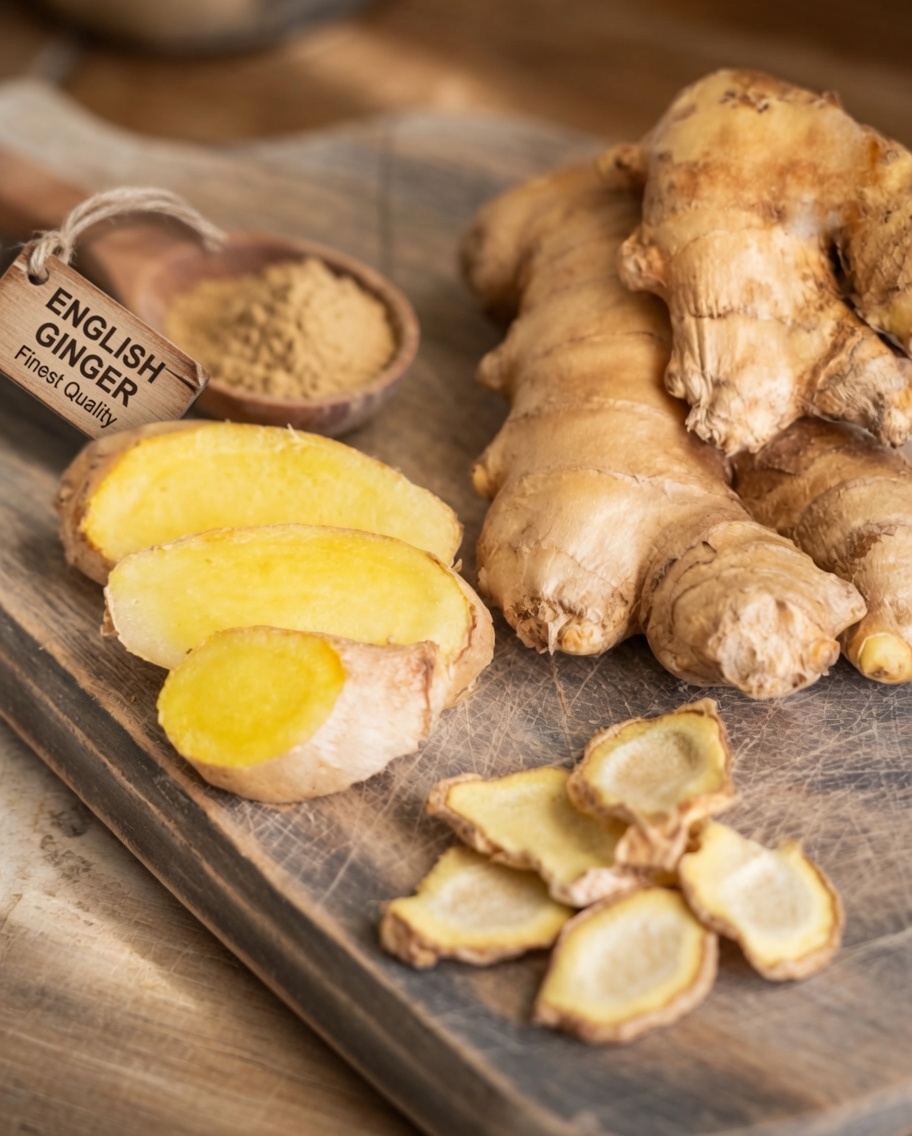
Practical guidance:
- Prefer normal food amounts instead of high-dose supplements
- Check blood sugar more closely when adding ginger regularly
- Ask your doctor before using ginger as part of a wellness routine
4. Low Blood Pressure or Certain Heart Conditions
Ginger may influence circulation and blood pressure. For people who already have low blood pressure, or for those taking medication for hypertension, ginger may intensify those effects and contribute to symptoms such as lightheadedness or dizziness.
Some sources also suggest that larger amounts may not be appropriate for certain heart-related conditions. This does not mean everyone with a cardiovascular issue must avoid ginger completely, but it does mean a professional opinion is important.
Best approach:
- Notice how your body responds after consuming ginger
- Speak with your primary care doctor or cardiologist if you have concerns
- Avoid assuming “natural” always means risk-free
5. Before Surgery
Because ginger may affect clotting, many surgeons recommend stopping it before an operation, especially if you take it as a supplement.
A common precaution is to avoid ginger for at least two weeks before scheduled surgery. This helps reduce any added risk of bleeding during or after the procedure.
If ginger is part of your daily routine, be sure to mention it during your pre-operative visit.
General Tips for Safer Ginger Use
For most healthy adults, about 3 to 4 grams of ginger per day is often considered a reasonable upper range by various health sources. That is roughly equal to:
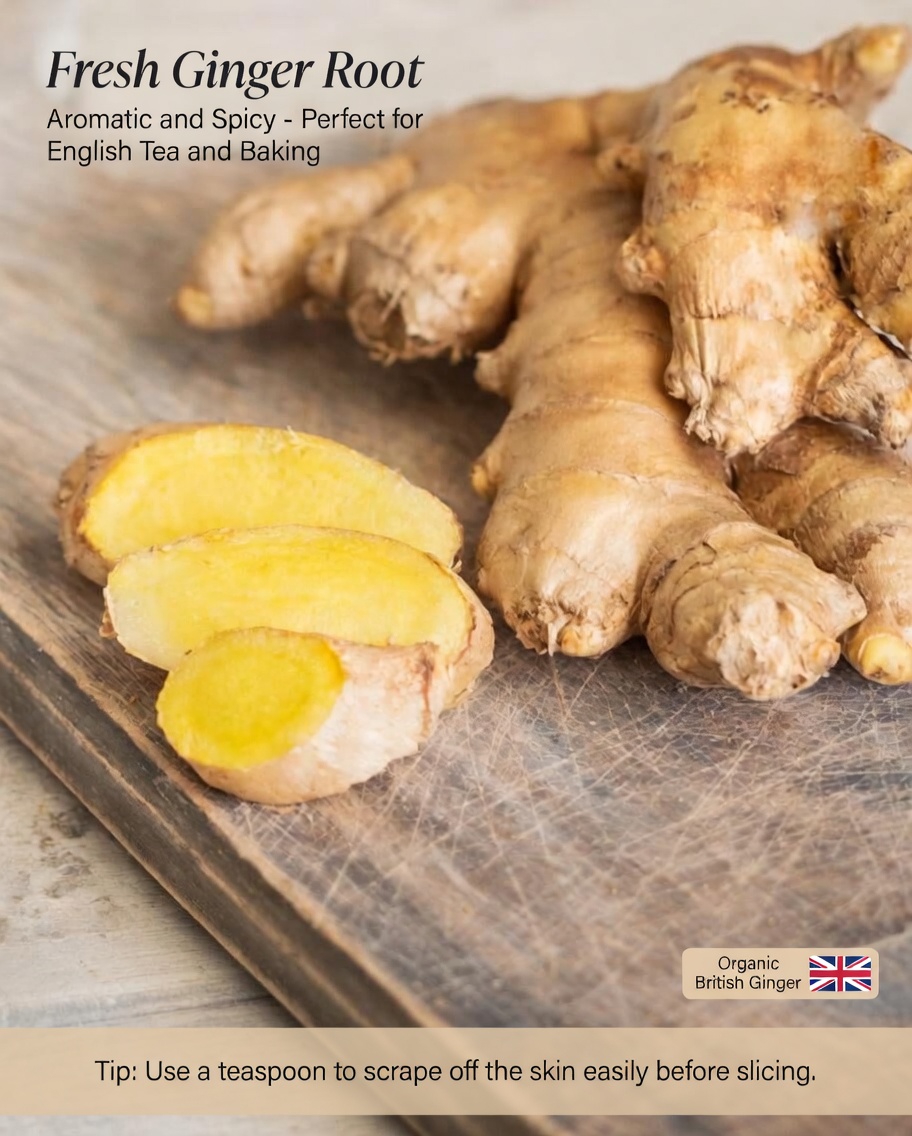
- About 1 tablespoon of freshly grated ginger
- A few cups of mildly prepared ginger tea
To use ginger more safely:
- Start with small amounts
- Choose fresh ginger in meals rather than high-strength products
- Drink enough water and observe how you feel
- Keep a simple food journal if you are testing how ingredients affect you
Quick Comparison of Common Ginger Forms
| Form of Ginger | Concentration | Best Use | Safer Option for Cautious Users | Suggested Amount |
|---|---|---|---|---|
| Fresh ginger root | Low | Everyday cooking | Usually the gentlest option | Up to 1 to 2 tsp grated |
| Dried ginger powder | Medium | Baking and recipes | Use moderately | 1/2 to 1 tsp |
| Ginger tea or infusion | Medium | Occasional sipping | Better when brewed lightly | 1 to 2 cups |
| Supplements or extracts | High | Only with medical approval | Requires extra caution | Follow label and doctor guidance |
Alternatives to Ginger
If you usually turn to ginger for digestion, warmth, or flavor, there may be other options that better match your health profile. Depending on your needs, a healthcare professional may suggest:
- Peppermint for digestive comfort
- Chamomile tea for relaxation and soothing support
- Lemon water for a fresh, bright taste
The best choice depends on your individual condition, medications, and goals.
Final Thoughts
Ginger can absolutely be a valuable part of a healthy diet, but it is not the right fit for everyone at all times. Being aware of these five health situations can help you avoid unnecessary side effects and make more informed choices.
With the support of your healthcare provider, you can decide whether ginger belongs in your routine and in what form. Often, small adjustments and honest conversations are all it takes to stay safe while still enjoying the foods and drinks you love.
Frequently Asked Questions
1. Can I still have ginger tea occasionally if I have one of these conditions?
In many cases, small amounts in food or weak tea may be acceptable. However, the safest answer depends on your medical history, so it is best to ask your doctor.
2. Are ginger supplements riskier than fresh ginger?
Yes. Supplements usually contain more concentrated amounts, which can make side effects or interactions more likely. Fresh ginger used in cooking is generally milder.
3. What should I do if ginger seems to cause side effects?
Stop using it and contact your healthcare provider. They can help determine whether ginger is the cause and advise you on what to do next.