Avocado Leaf Tea: A Little-Known Natural Boost for Digestion, Inflammation, and Heart Health
Most people already enjoy avocado for its creamy texture, heart-friendly fats, and flexibility in smoothies, salads, and toast. Yet one valuable part of the plant is often overlooked and tossed away: avocado leaves.
What many don’t realize is that these leaves contain powerful natural compounds that may support digestion, help the body manage inflammation, and contribute to overall cardiovascular wellness. In several traditional practices, avocado leaf tea and herbal preparations have been used for generations. If you’re looking for a simple, plant-based addition to your wellness routine, avocado leaves may be worth a closer look.
The Nutritional Power of Avocado Leaves
Avocado leaves are rich in bioactive compounds, including flavonoids, polyphenols, and natural alkaloids. These plant substances are widely studied for their antioxidant and anti-inflammatory properties—helping the body defend itself against oxidative stress, which is associated with premature aging and many chronic conditions.
Key compounds commonly found in avocado leaves include:
- Quercetin: a strong antioxidant that may help protect the heart and calm inflammatory processes
- Rutin: supports circulation and may help strengthen small blood vessels (capillaries)
- Natural alkaloids: linked to antimicrobial activity and mild pain-relief potential
- Essential oils: may help defend against certain bacteria and fungi
In addition, avocado leaves contain important minerals such as calcium, magnesium, and potassium, which contribute to bone health, nervous system function, and heart rhythm support.
Traditional Uses of Avocado Leaves
Across parts of Central and South America, avocado leaves have a long history as a natural home remedy. Common traditional uses include:
-
Digestive support
Avocado leaf tea is often used to ease mild bloating, gas, and general digestive discomfort. -
Blood sugar balance
Some traditional accounts suggest regular use may help support steadier glucose levels. -
Blood pressure support
Certain plant compounds may encourage blood vessel relaxation, which can promote more balanced blood pressure. -
Respiratory comfort
Inhaling steam from boiled leaves is a common practice to soothe mild cough and airway irritation.
What Modern Research Is Exploring
In recent years, scientific interest in avocado leaves has grown, with studies investigating the mechanisms behind their traditional reputation.
-
Anti-inflammatory potential
Leaf extracts have shown the ability to reduce inflammatory markers linked to conditions such as joint discomfort and cardiovascular issues. -
Antioxidant activity
The polyphenols in avocado leaves may help neutralize free radicals, supporting cellular protection and healthy aging. -
Possible support for blood sugar control
Animal studies suggest improved insulin sensitivity and fewer post-meal glucose spikes, though more human research is needed. -
Cardiovascular support
Minerals like potassium and magnesium are well-known for their role in heart function and circulation, and avocado leaves can contribute to overall intake.
How to Use Avocado Leaves in Everyday Life
Avocado Leaf Tea
Ingredients
- 3–5 dried avocado leaves
- 2 cups boiling water
Directions
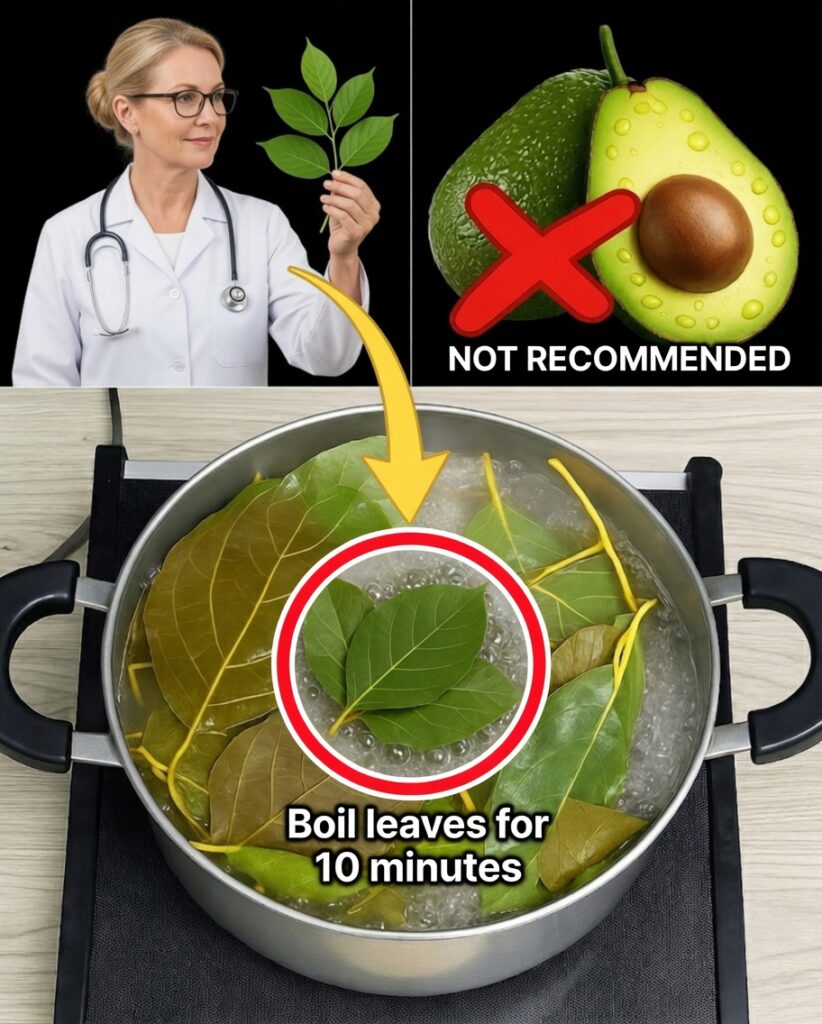
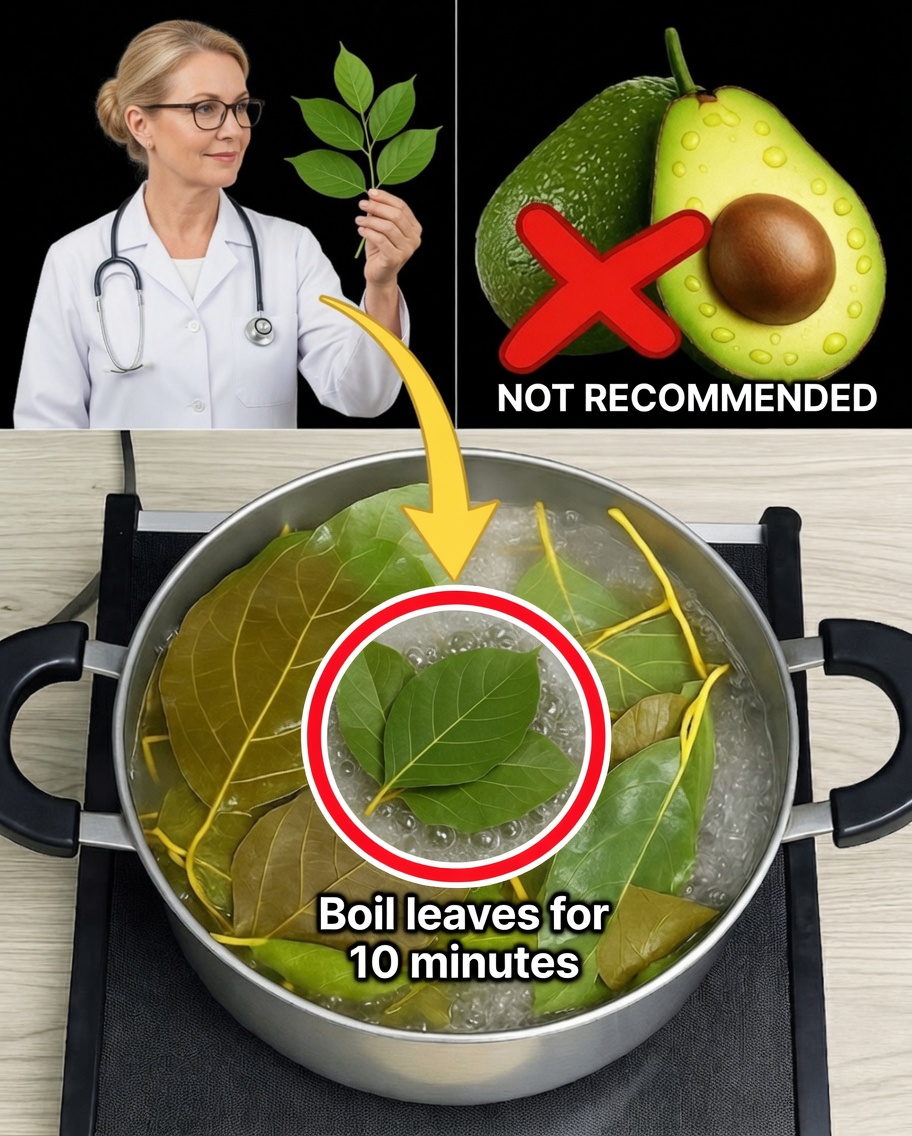
- Add the leaves to boiling water.
- Steep for 10–15 minutes.
- Strain and drink warm.
For general wellness support, many people limit intake to up to 2 cups per day.
Cooking with Avocado Leaves
Fresh leaves can be added to soups, rice dishes, and stews. They may provide a gentle flavor sometimes described as slightly anise-like, along with added plant compounds.
Infused Oil (Topical Use)
Crush the leaves and combine them with olive oil or coconut oil, then let the mixture infuse for a few days. The resulting oil is sometimes applied to minor skin irritation.
Steam Inhalation
Boil a few leaves in water and carefully inhale the steam to support mild congestion relief.
Storage Tips
- Dry the leaves in a cool, shaded, well-ventilated place.
- Store dried leaves in airtight containers.
- Fresh leaves can typically be kept in the refrigerator for up to one week.
Important Precautions
Avocado leaves are generally considered safe for healthy adults when used in moderation, but keep these guidelines in mind:
- Avoid excessive intake.
- If you are pregnant or breastfeeding, consult a healthcare professional before using avocado leaf tea.
- Use only leaves from pesticide-free trees.
Conclusion
Avocado leaves are a true hidden gift from nature. Thanks to their antioxidants, anti-inflammatory compounds, and essential minerals, they may help support digestion, cardiovascular health, blood sugar balance, and even skin comfort.
Whether steeped into tea, added to recipes, or used in simple traditional preparations, avocado leaves offer an accessible way to enhance daily wellness. Sometimes, what we usually throw away is exactly what the body can benefit from most.