Should Seniors Worry About Vitamin B Supplements and Stroke Risk? What Research Actually Shows
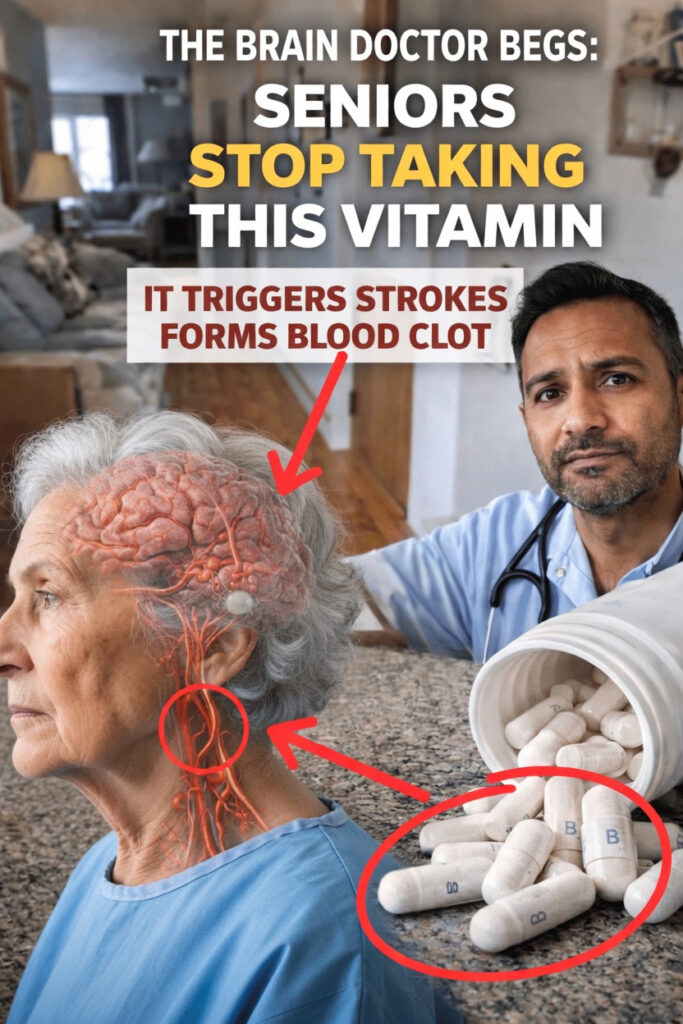
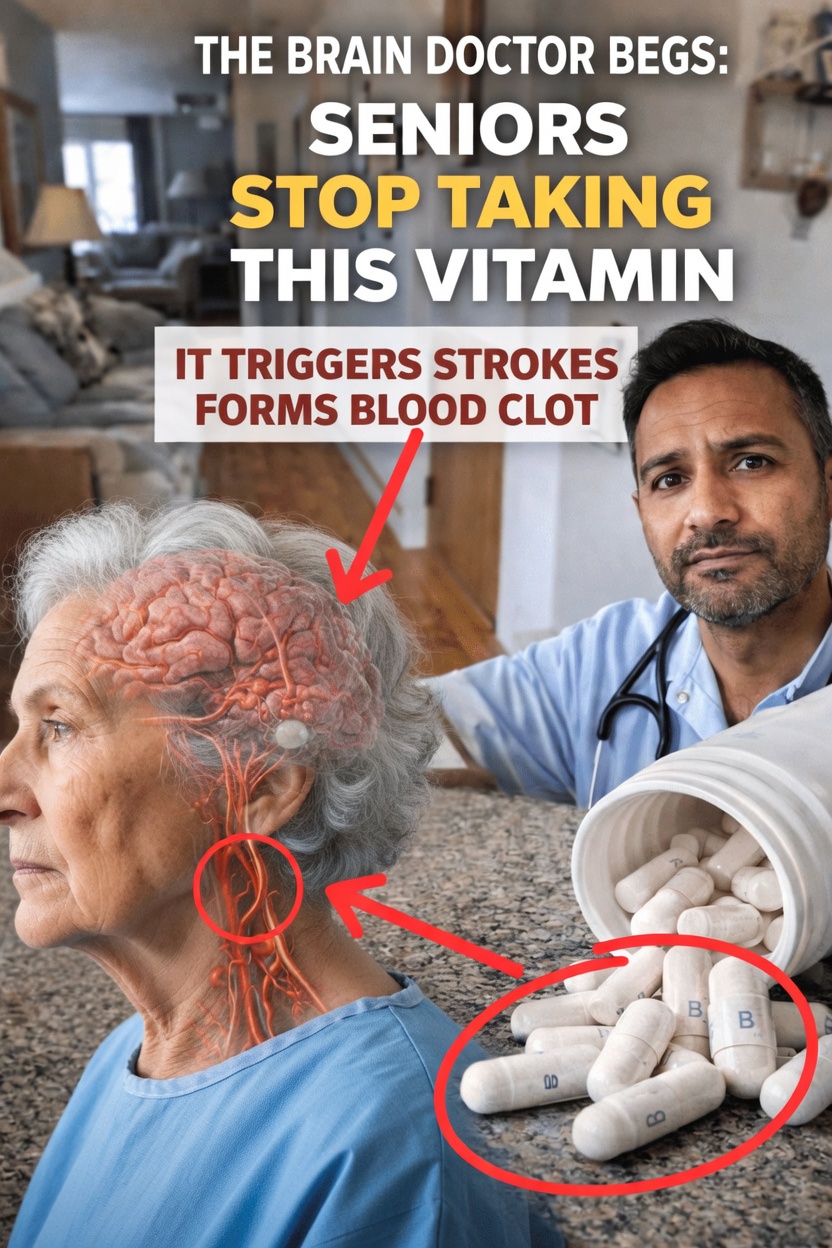
Vitamin B supplements are widely used by older adults to support energy levels, nerve function, and general health. Recently, however, social media posts and video clips have raised concerns by claiming that a common B vitamin may suddenly increase stroke risk or encourage dangerous blood clot formation. For seniors already focused on protecting their heart and brain, that message can be unsettling.
The good news is that the broader scientific evidence does not support those dramatic claims for most people. Large research reviews generally do not show an overall increase in stroke risk from B vitamins. In many cases, they suggest the opposite: when used appropriately, certain B vitamins are linked with a modest reduction in stroke risk.
This article looks at what the evidence says about B vitamins, homocysteine, and stroke risk in older adults. It also explains when extra caution may be needed and how seniors can approach supplementation in a sensible, informed way.
Why B Vitamins Matter for Older Adults
Several B vitamins are especially important in healthy aging, including:
- Vitamin B6 (pyridoxine)
- Vitamin B9 (folate or folic acid)
- Vitamin B12 (cobalamin)
These nutrients help the body perform many essential tasks. They support:
- Energy metabolism
- Red blood cell production
- Healthy nerve function
- Brain and cardiovascular health
One of their most important roles is helping regulate homocysteine, an amino acid found in the blood. When homocysteine levels become too high, studies have linked that pattern to greater long-term vascular risk. B vitamins help the body process and reduce homocysteine naturally.
This is especially relevant for seniors because aging can make it harder to absorb certain nutrients, particularly B12. Digestive changes, medications, and medical conditions can all affect vitamin status, which is one reason supplements are so common among older adults.
What the Research Says About B Vitamins and Stroke
When looking at the full body of evidence, the overall picture is more reassuring than alarming headlines suggest.
Many major reviews and meta-analyses of randomized trials have found that folic acid alone or in combination with other B vitamins may lower the likelihood of stroke in some populations. Reported reductions often fall in the range of roughly 7% to 18%, although results are not identical across all studies.
The effect seems to depend on factors such as:
- Population group
- Baseline homocysteine levels
- Supplement dose
- Length of use
- Regional diet patterns
- Kidney function
In particular, benefits may be more noticeable in places where foods are not heavily fortified with folic acid, since people in those regions may begin with lower folate intake. Individuals with higher homocysteine levels at baseline may also gain more from supplementation.
Importantly, there is no strong general evidence that standard vitamin B supplementation causes strokes overnight or routinely creates blood clots in healthy seniors. Those claims are often based on exaggerated interpretations rather than solid clinical proof.

Where Some Concerns Come From
Although the overall data is mostly reassuring, there are a few situations where researchers have raised caution.
Some concern has centered on people with impaired kidney function, especially when taking high doses of certain forms of vitamin B12, such as cyanocobalamin. In these specific groups, the expected benefits may be weaker, and in some cases the supplement approach may not be ideal.
That does not mean all seniors should avoid B vitamins. It means that health status matters. A possible issue in a narrow subgroup should not be mistaken for a universal danger.
There have also been observational findings linking very high blood B12 levels with certain health risks in limited contexts. However, these studies do not prove that B12 itself caused the problem. Elevated B12 can sometimes reflect underlying illness rather than harmful supplement use. This is very different from saying that ordinary daily B vitamin supplements are broadly dangerous.
Key Factors That Affect Outcomes
The relationship between B vitamins and stroke risk is not the same for everyone. Several factors influence the results.
1. Homocysteine Levels at the Start
People with higher baseline homocysteine often appear more likely to benefit from B-vitamin support, especially when the supplements effectively lower those levels.
2. Kidney Health
Reduced kidney function may change how the body responds to certain supplements. This is one of the main reasons seniors with kidney disease should review vitamin use with a healthcare professional.
3. Dose and Duration
Some reviews suggest better outcomes with:
- Moderate doses
- Longer-term use, often beyond three years
- Folic acid intake in ranges such as 0.4 to 0.8 mg daily
Mega-dosing without medical guidance is not the same as using standard supplementation.
4. Overall Cardiovascular Health
Stroke risk depends on much more than a single nutrient. Major contributors include:
- Blood pressure control
- Smoking status
- Physical activity
- Diet quality
- Diabetes management
- Medication use
B vitamins may play a supportive role, but they are only one part of the bigger health picture.
Practical Advice for Seniors Considering Vitamin B Supplements
Rather than reacting to fear-based claims, seniors should take a balanced and evidence-based approach. The following steps can help.
Get Tested Before Supplementing
Ask a doctor whether it makes sense to check:
- Vitamin B12
- Folate
- Homocysteine
Lab results can show whether supplementation is needed and whether the current dose is appropriate.
Prioritize Food Sources When You Can
A nutrient-rich diet remains a strong foundation. Good sources include:
- Leafy greens for folate
- Eggs, fish, and meat for B12
- Bananas, nuts, and other whole foods for B6
Food and supplements can work together, but diet should not be overlooked.
Stick With Reasonable Doses
For most seniors, standard daily amounts are far more appropriate than very high doses. Unless a clinician recommends otherwise, avoid unnecessary megadoses.
Talk With Your Healthcare Team
This is especially important if you have:
- Kidney problems
- High blood pressure
- A history of stroke or vascular disease
- Multiple medications or chronic conditions
A doctor can help determine whether you should continue, adjust, or change the form of your supplement.
Support Vascular Health Holistically
No supplement can replace healthy lifestyle habits. The strongest long-term protection comes from combining good nutrition with:
- Regular movement
- Blood pressure monitoring
- Smoking avoidance
- Balanced meals
- Ongoing medical care

FAQ: B Vitamins and Stroke Risk in Seniors
Are B vitamins generally safe for seniors?
Yes. In standard amounts from food or supplements, B vitamins are considered safe for most older adults and may support nerve, brain, and cardiovascular health. Individual medical conditions still matter, so personalized guidance is important.
Can high-dose B vitamins cause blood clots or strokes?
Current evidence does not support this as a broad rule. Research more often shows neutral or mildly protective effects, particularly with folic acid and related B vitamins. Some caution has been raised in specific groups, such as people with impaired kidney function taking certain high-dose formulations.
Should I stop taking my B vitamin supplement if I’m worried?
Do not stop suddenly based on online claims alone. Speak with your doctor first. They can review your blood work, kidney function, medications, and overall health to decide whether your supplement should be continued, reduced, or changed.
Final Thoughts
For most seniors, B vitamins are not something to fear. The best available evidence shows no overall increase in stroke risk from standard use, and in many studies these nutrients are linked with a lower chance of stroke, especially when they help reduce homocysteine.
The real takeaway is not panic, but personalization. Testing, moderate dosing, and professional guidance matter far more than sensational headlines. When used thoughtfully, vitamin B supplements can remain a useful part of a broader strategy for healthy aging, brain support, and cardiovascular wellness.