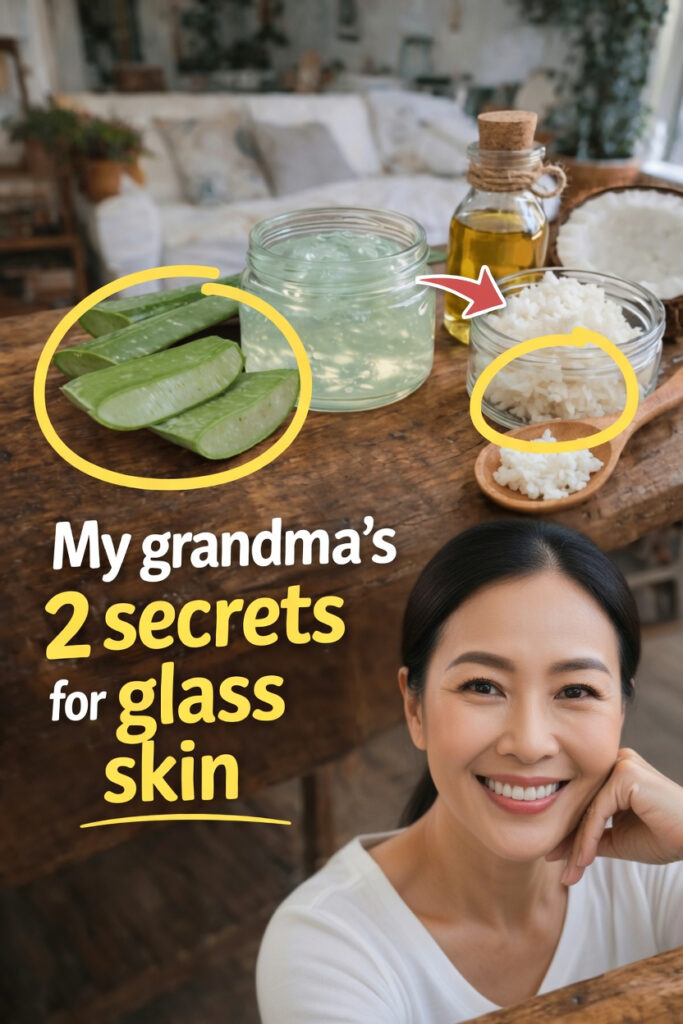
When Your Skin Looks Tired No Matter What You Try
You look at your face in natural light and instantly notice it again: dullness, uneven tone, and that worn-out appearance makeup never seems to fix. It can feel discouraging, especially after spending money on products that promise glowing skin but barely make a difference. At some point, it is natural to wonder whether the solution is not another luxury serum, but something much simpler that has been there all along.
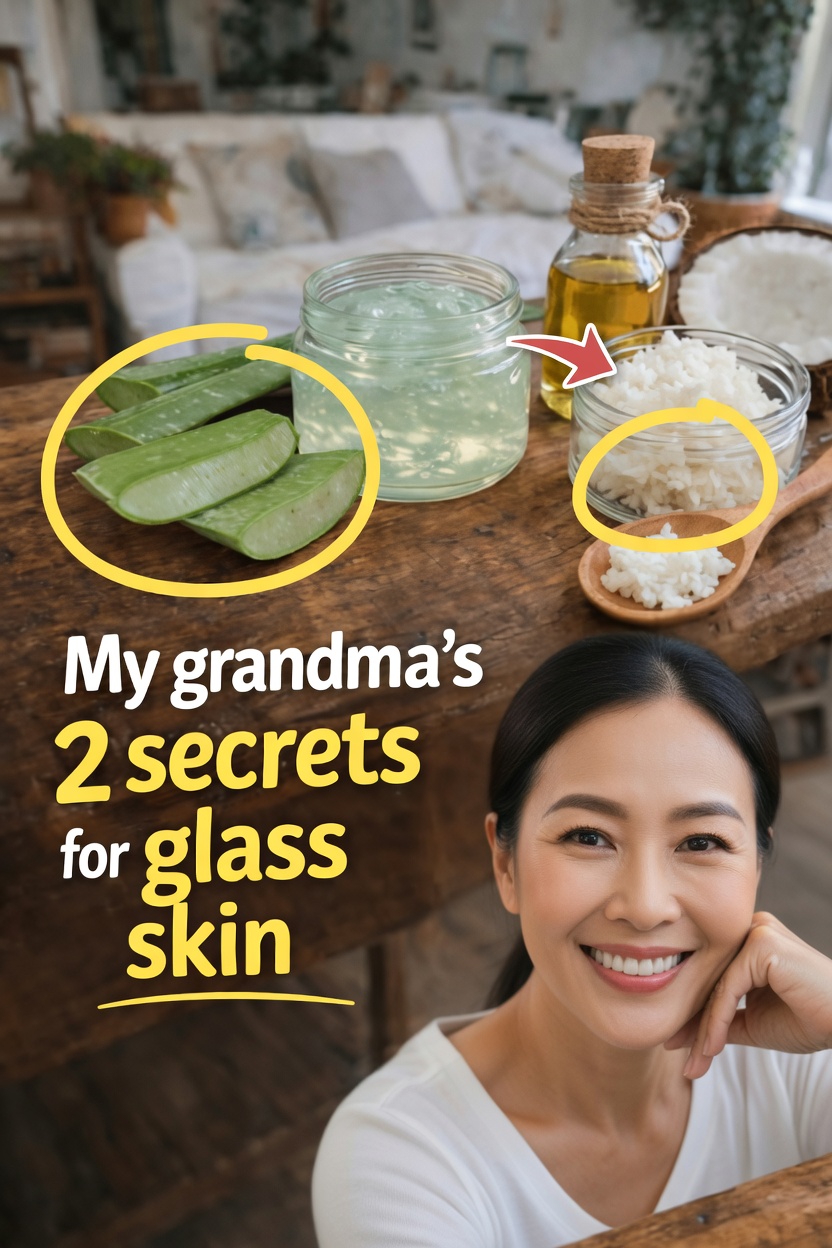
The Viral “2-Ingredient Glass Skin” Trend: What Is It Really About?
You have probably seen the trend already: a basic blend made with natural ingredients, often aloe vera and coconut oil. It sounds attractive for obvious reasons. It is simple, budget-friendly, and marketed as a natural path to radiant skin.
However, there is an important detail that many viral posts leave out:
Not every skin type responds in the same way.
For some people, these ingredients feel calming and moisturizing. For others, they may trigger irritation or lead to blocked pores. Dermatology research has repeatedly shown that natural ingredients can be helpful, but “natural” does not automatically mean suitable for everyone.
Still, this trend does reveal something useful.
The real value is not in a so-called miracle mixture. It is in the idea of returning to a simple, steady skincare routine.
Why Mature Skin Often Benefits From Less, Not More
As skin ages, it usually becomes thinner, drier, and more reactive. That means layering too many products can sometimes create more problems instead of solving them.
Common issues include:
- Cleansing too aggressively and stripping away natural oils
- Combining too many active ingredients and causing irritation
- Wearing heavy makeup that settles into fine lines
What many people miss is this:
Skin that looks healthy usually comes from reducing unnecessary steps, not constantly adding new ones.
Studies published in dermatology journals suggest that regular hydration and protecting the skin barrier are essential for maintaining a smoother, healthier appearance over time.
Aloe Vera and Coconut Oil: Benefits and Cautions
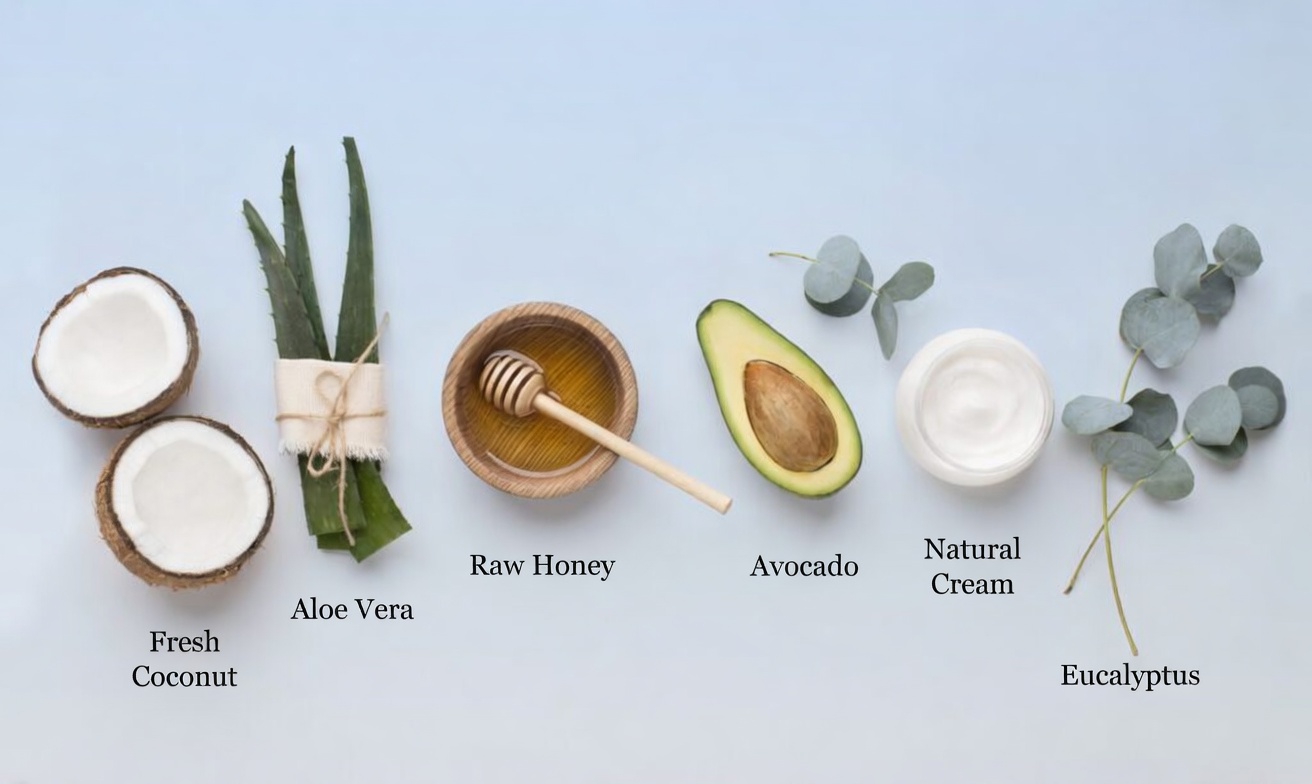
These two ingredients are often at the center of the “glass skin” trend, so it helps to understand what they actually do.
Aloe Vera
Aloe vera is widely known for its calming effect on the skin. It can:
- Soothe irritation
- Provide lightweight hydration
- Absorb quickly without feeling heavy
Coconut Oil
Coconut oil is rich in fatty acids and may help:
- Seal in moisture
- Nourish very dry skin
- Leave skin feeling softer and less tight
But there is a catch.
Coconut oil can be pore-clogging for some people, especially when used on the face. If your skin is acne-prone or easily congested, it may not be the best option.
Quick Comparison
-
Aloe Vera
- Best for: Sensitive or dry skin
- Possible concern: Rare allergic reactions
-
Coconut Oil
- Best for: Very dry skin
- Possible concern: Can clog pores
So yes, both ingredients can be useful, but only when matched to the right skin type and used carefully.
The Real Secret: Consistency Matters More Than Skin “Hacks”
This is the part many people overlook, even though it is the most important one.
Your skin changes not because of what you use once, but because of what you do consistently.
Daily habits that truly matter include:
- Cleansing your face gently instead of scrubbing harshly
- Applying moisturizer while the skin is still slightly damp
- Protecting your skin from sun exposure every day
- Drinking enough water to support hydration from within
Chasing viral beauty tricks while ignoring these basics often leads to frustration. Results usually come from repetition and patience, not shortcuts.
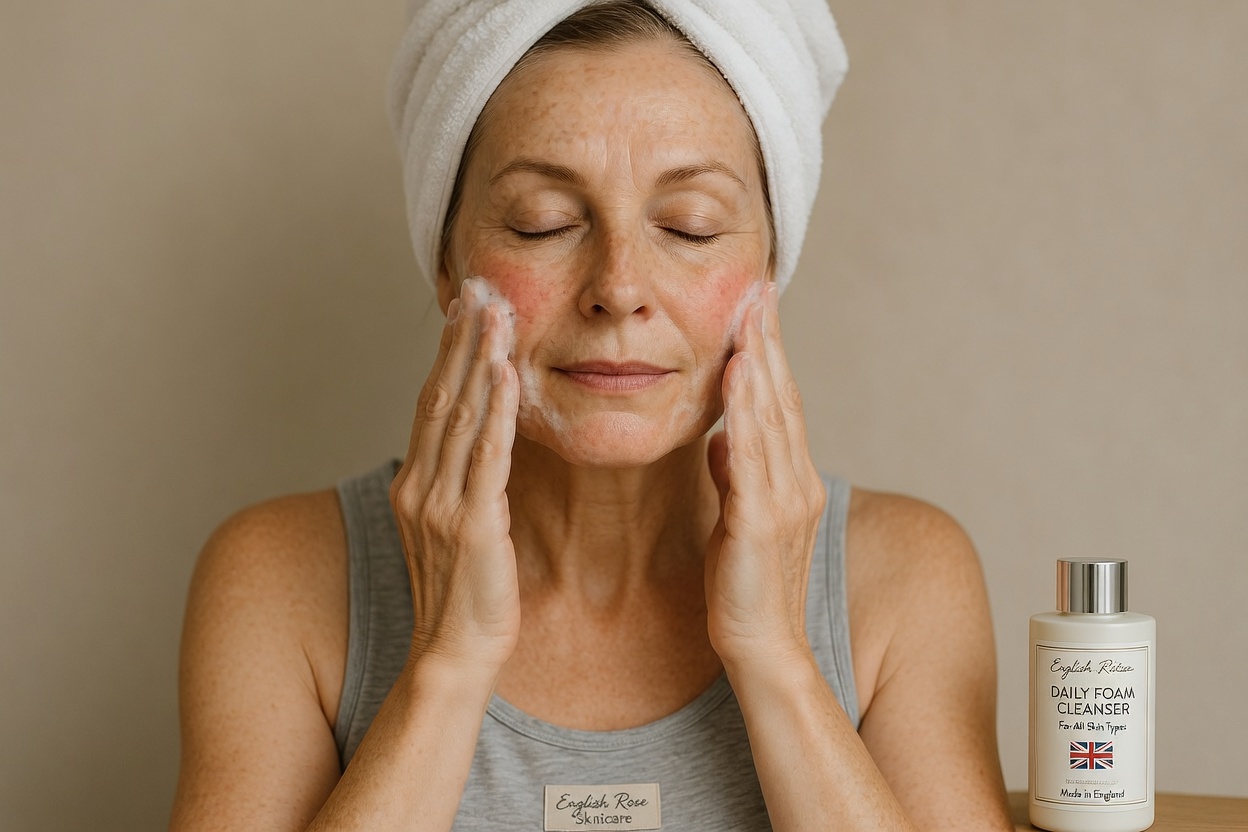
A Simple, Safe Skincare Routine to Start Today
If you want healthier-looking skin without an overwhelming routine, begin with the essentials.
Morning Routine
- Wash your face with a gentle cleanser
- Apply a lightweight moisturizer
- Use sunscreen, even indoors if you spend time near windows
Evening Routine
- Cleanse again using a mild formula
- Apply a moisturizer or a simple hydrating gel
- If your skin is extremely dry, use a small amount of natural oil as an optional final step
Optional Natural Addition: Aloe Vera
If you want to test aloe vera in your routine:
- Choose pure, clean aloe gel
- Apply only a thin layer
- Always patch test first, especially if your skin is sensitive
Habits That Can Make Skin Look Worse
It is also important to recognize the small mistakes that may be quietly affecting your skin.
Watch for these common issues:
- Using harsh exfoliating scrubs too often
- Going to bed without removing makeup
- Neglecting hydration, both internally and externally
- Changing skincare products too frequently
Even a great ingredient will not do much if these habits continue. Good skin depends just as much on what you avoid as on what you apply.
Final Thoughts: Glowing Skin Comes From Thoughtful Care
You do not need shelves full of products to improve your skin.
You do not need a complicated routine.
And you certainly do not need to follow every viral skincare trend that appears online.
What helps most is a steady routine built on gentleness, hydration, and patience.
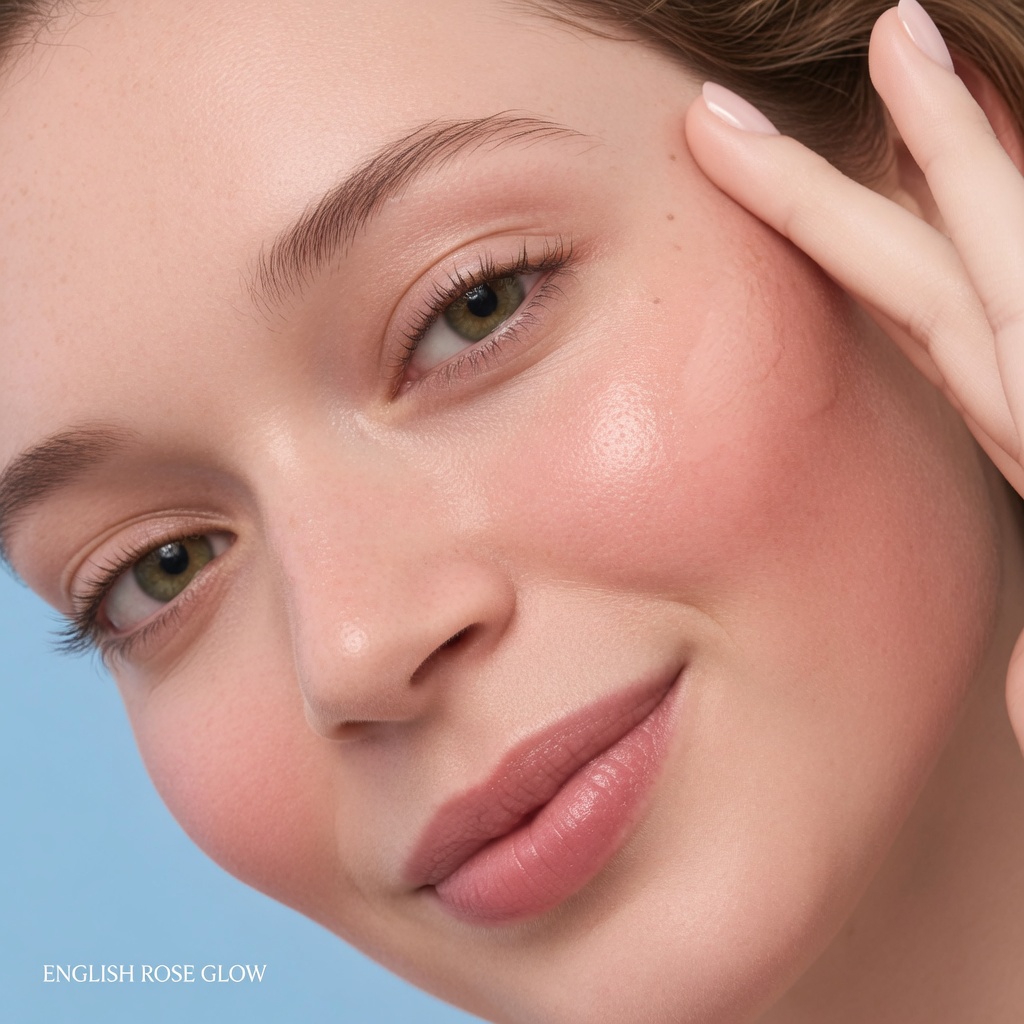
That smooth, “glass-like” look people talk about is usually not about perfection. More often, it is the result of skin that is calm, moisturized, and consistently cared for.
Frequently Asked Questions
1. Can natural ingredients replace my full skincare routine?
Not completely. Natural ingredients can be a helpful addition, but cleansing, moisturizing, and sun protection are still the foundation of good skincare.
2. Is coconut oil safe to use on the face every day?
That depends on your skin type. It may work well for very dry skin, but for some people it can clog pores and cause breakouts.
3. How long does it take to notice improvement?
Many people start to see visible changes within 2 to 4 weeks of consistent care, although results vary from person to person.
Disclaimer
This content is for informational purposes only and should not be considered medical advice. If you have ongoing skin concerns or irritation, speak with a qualified healthcare professional or dermatologist.