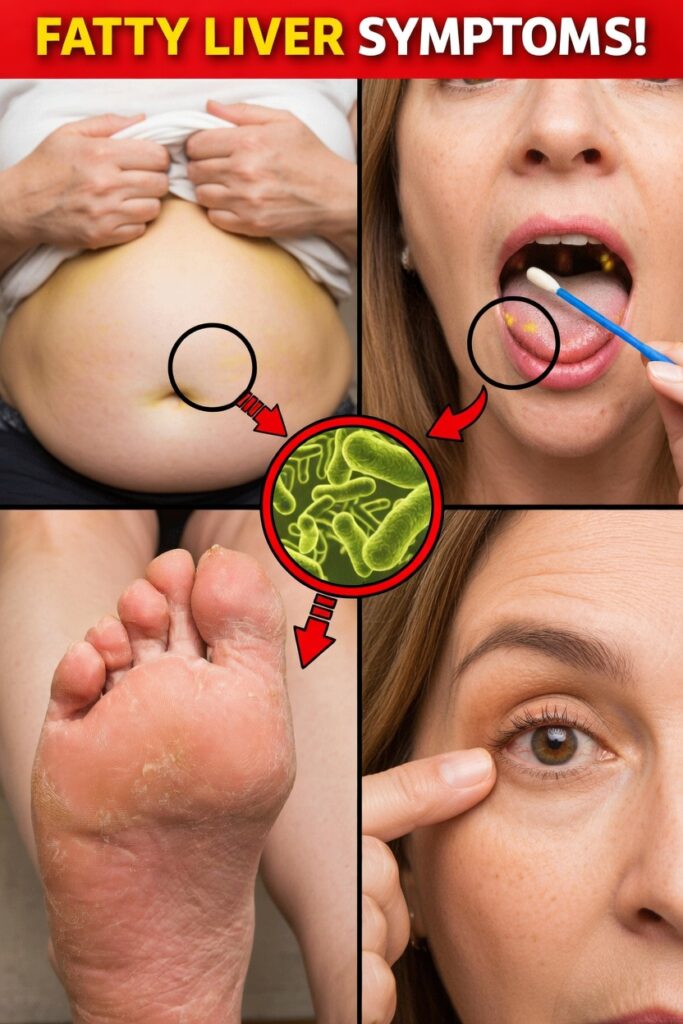
Fatty Liver Warning Signs: Symptoms, Causes, and Simple Ways to Support Liver Health
Many adults move through the day feeling unusually tired or dealing with mild physical discomfort without suspecting that their liver may be storing too much fat. This condition is called metabolic dysfunction-associated steatotic liver disease (MASLD), previously known as non-alcoholic fatty liver disease. It often develops quietly and is becoming more common due to factors such as diet, body weight, and metabolic health.
One of the biggest challenges is that the earliest signs are easy to mistake for normal stress, poor sleep, or getting older. Still, recognizing these signals early can help you take steps to protect your liver before the condition becomes more serious. Below, we’ll look at the common signs linked to fatty liver buildup, based on information from trusted medical sources such as Mayo Clinic, Cleveland Clinic, NHS, and Johns Hopkins, along with practical habits that may help support liver function.
What Is Fatty Liver Buildup?
Fatty liver develops when too much fat collects inside liver cells. In many cases, this is related to metabolic dysfunction rather than alcohol use. Research shows it is frequently associated with:
- Obesity
- Insulin resistance
- High blood sugar
- Elevated cholesterol or triglycerides
The encouraging news is that the liver can often respond well to healthy lifestyle changes, especially in the early stages.
However, MASLD is often described as a silent condition because many people do not notice clear symptoms at first. When symptoms do appear, they are often vague and mild, making them easy to ignore.
Early Symptoms That May Point to Fatty Liver
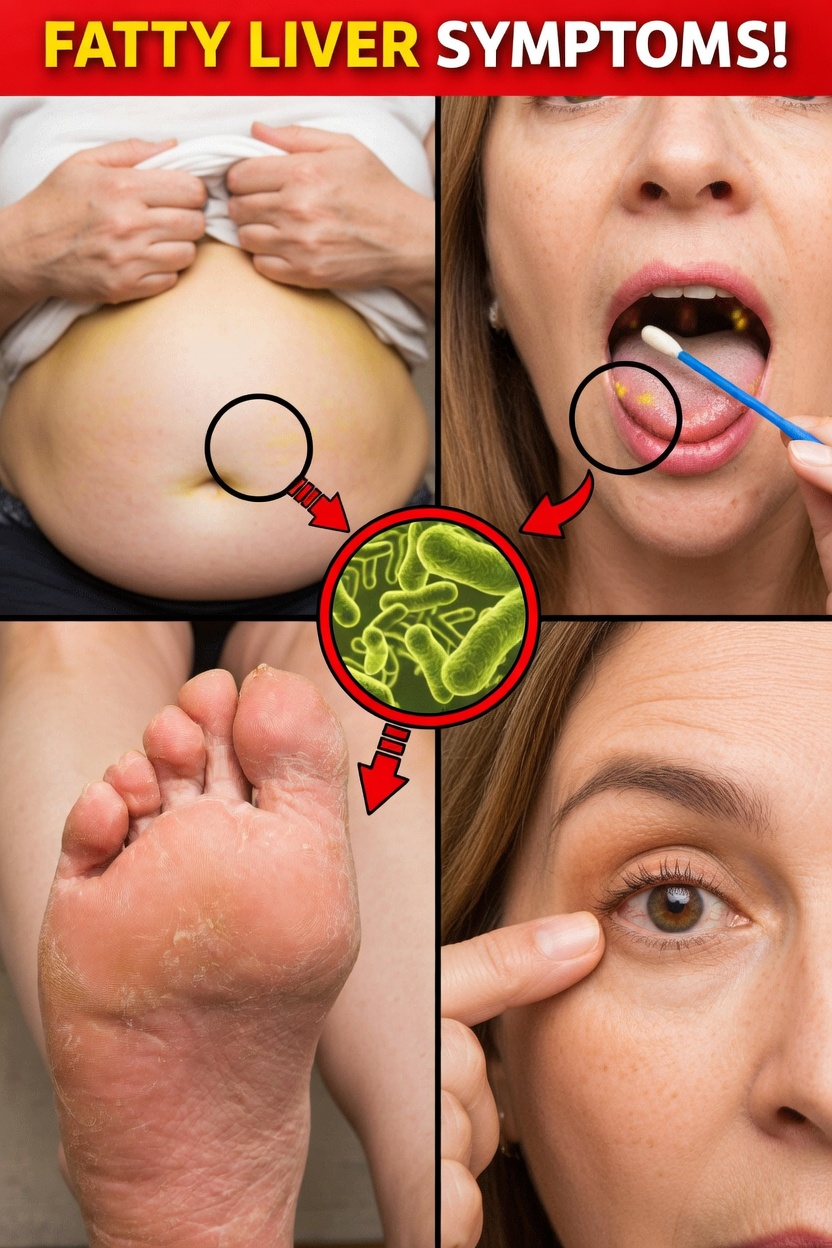
According to medical references like Mayo Clinic and the NHS, several subtle symptoms are commonly reported in the early stages:
-
Ongoing fatigue or low energy
You may feel worn out even after getting enough sleep, and routine activities may seem more exhausting than usual. -
A general sense of feeling unwell
Some people notice a lingering feeling of weakness or discomfort without an obvious reason. -
Mild discomfort in the upper right side of the abdomen
A dull ache, pressure, or sense of fullness under the right ribs can occur because that is where the liver is located.
These signs can appear gradually and may not seem serious at first. That is why they are so often dismissed.
Symptoms That Can Appear as Fatty Liver Progresses
If fatty liver disease advances and leads to greater inflammation or liver scarring, sometimes referred to as MASH or more severe liver disease, the symptoms can become more noticeable. Sources such as Johns Hopkins and Cleveland Clinic note the following possible warning signs:
-
Itchy skin
Persistent itching may develop even when no visible rash is present. -
Swelling in the feet, ankles, or legs
Fluid retention may cause puffiness, especially later in the day. -
Yellowing of the skin or eyes
Also called jaundice, this can happen when the liver is no longer processing bilirubin effectively. -
Abdominal swelling
Fluid may build up in the abdomen, causing visible bloating or enlargement. -
Dark urine or pale-colored stools
Changes in waste color may reflect problems with liver processing. -
Bruising or bleeding more easily than usual
Since the liver helps make proteins needed for clotting, liver strain can affect this function. -
Spider-like blood vessels on the skin
Small, visible branching vessels may appear close to the skin’s surface. -
Reduced appetite or unexplained weight changes
Eating patterns and body weight may shift without a clear reason.
These symptoms are not considered routine or minor, so they should not be ignored.
Why These Symptoms Happen
The liver plays a central role in the body. It helps:
- Filter toxins
- Process nutrients
- Support digestion
- Regulate metabolism
- Produce important proteins
When fat builds up in the liver, the organ may not work as efficiently. This can lead to inflammation, fluid imbalance, and a buildup of waste products.
For example:
- Jaundice develops when the liver struggles to clear bilirubin, a substance created when red blood cells break down.
- Swelling in the abdomen or lower limbs may result from increased pressure in liver-related blood vessels or reduced production of certain proteins.
- Fatigue can occur because the body is not managing energy and metabolism as effectively.
Understanding the cause behind these symptoms makes them easier to recognize as possible warning signals instead of random discomforts.
Practical Ways to Support Liver Health
No single habit can guarantee perfect liver function, but research does show that healthy lifestyle choices can make a meaningful difference. Here are some simple and effective steps:
-
Work toward gradual weight loss if needed
Studies suggest that losing even 5% to 10% of body weight may help reduce liver fat. -
Choose a balanced, nutrient-rich diet
Focus on foods such as:- Vegetables
- Fruits
- Whole grains
- Lean proteins
- Healthy fats like olive oil, nuts, and avocado
Try to reduce:
- Added sugars
- Refined carbohydrates
- Highly processed foods
-
Stay physically active
Aim for at least 150 minutes of moderate exercise per week, such as:- Brisk walking
- Cycling
- Swimming
Regular movement helps improve metabolic health and reduce excess fat.
-
Limit alcohol intake
Even moderate drinking can place additional stress on a liver that is already affected. -
Drink enough water
Good hydration supports the body’s natural processes, including waste removal. -
Track related health markers
Regular check-ups can help you monitor:- Blood sugar
- Cholesterol
- Blood pressure
Small steps matter. Replacing one sugary drink with water or adding a short walk after dinner can be a good place to begin.
Early Signs vs. Advanced Signs of Fatty Liver
Here is a simple comparison to help distinguish between milder symptoms and signs that may indicate progression.
Early or Mild Signs
- Fatigue
- Upper right abdominal discomfort
- General feeling of being unwell
More Advanced Signs
- Jaundice
- Swelling in the legs or abdomen
- Itchy skin
- Easy bruising or bleeding
Recognizing these differences can help highlight why early attention is so important.

Everyday Habits That May Help Your Liver
In addition to the basics, some everyday habits may offer extra support for liver health:
-
Eat more fiber-rich foods
Foods like oats, beans, lentils, and leafy greens may help improve blood sugar control and overall metabolic health. -
Drink coffee in moderation
Some studies suggest that moderate coffee intake may be linked to a lower risk of liver fat buildup. -
Practice portion control
Eating smaller, balanced meals may help reduce metabolic strain. -
Manage stress levels
Ongoing stress can affect hormones involved in fat storage. Helpful strategies include:- Deep breathing
- Short meditation sessions
- Light daily movement
- Better sleep habits
The most important factor is not perfection, but consistency.
Final Thoughts: Pay Attention to Subtle Signals
Fatty liver disease often begins with very mild symptoms, if any at all. Signs such as persistent tiredness, a vague feeling of poor health, or mild discomfort in the upper right abdomen may be early clues that deserve attention.
By making sustainable lifestyle changes, including better food choices, regular activity, and routine medical check-ups, you can give your liver a better chance to recover and function well. Small improvements made today may lead to meaningful benefits over time.
Frequently Asked Questions
What is the most common early symptom of fatty liver?
One of the most commonly reported early symptoms is fatigue or a persistent lack of energy, even before pain or other clear signs develop.
Can fatty liver cause swollen feet?
Yes. In more advanced stages, liver dysfunction can lead to fluid retention, which may cause swelling in the feet, ankles, or legs.
How can I tell if my symptoms are related to fatty liver?
Fatty liver symptoms are often nonspecific, so it is difficult to know based on symptoms alone. A healthcare professional may recommend blood tests, imaging, or further evaluation. Self-diagnosis is not reliable.