Breast Cancer Warning Signs Every Woman Should Know
Many women move through everyday life without realizing that even minor breast changes can sometimes point to a serious health issue. Breast cancer often begins quietly, with subtle symptoms that may be mistaken for normal hormonal shifts or harmless concerns. When these early signs are overlooked, diagnosis may happen later, when treatment choices can be more limited. The encouraging news is that understanding your body and recognizing unusual changes can help you act earlier and improve health outcomes.
This guide explains the most common warning signs identified by trusted health organizations, offers practical ways to stay aware, and highlights one surprisingly simple habit that helps many women notice changes sooner than expected.
Common Breast Cancer Symptoms to Watch For
Breast cancer does not look the same in every person. Some women have clear symptoms, while others may notice nothing in the early stages. Guidance from respected sources such as the American Cancer Society, Mayo Clinic, and the CDC shows that being familiar with possible changes can make a meaningful difference.
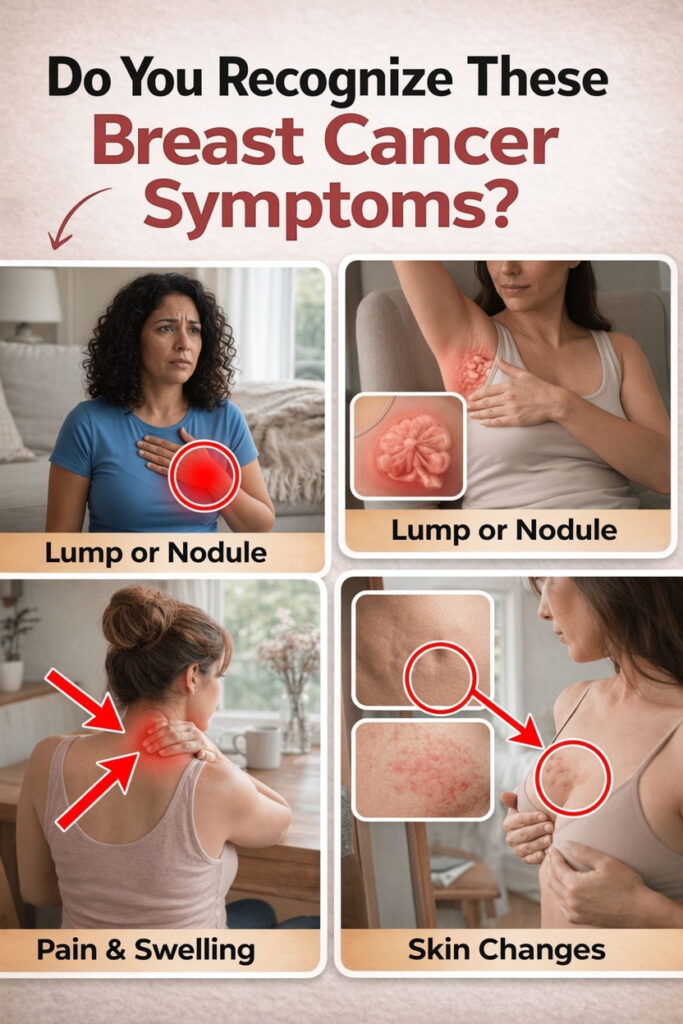
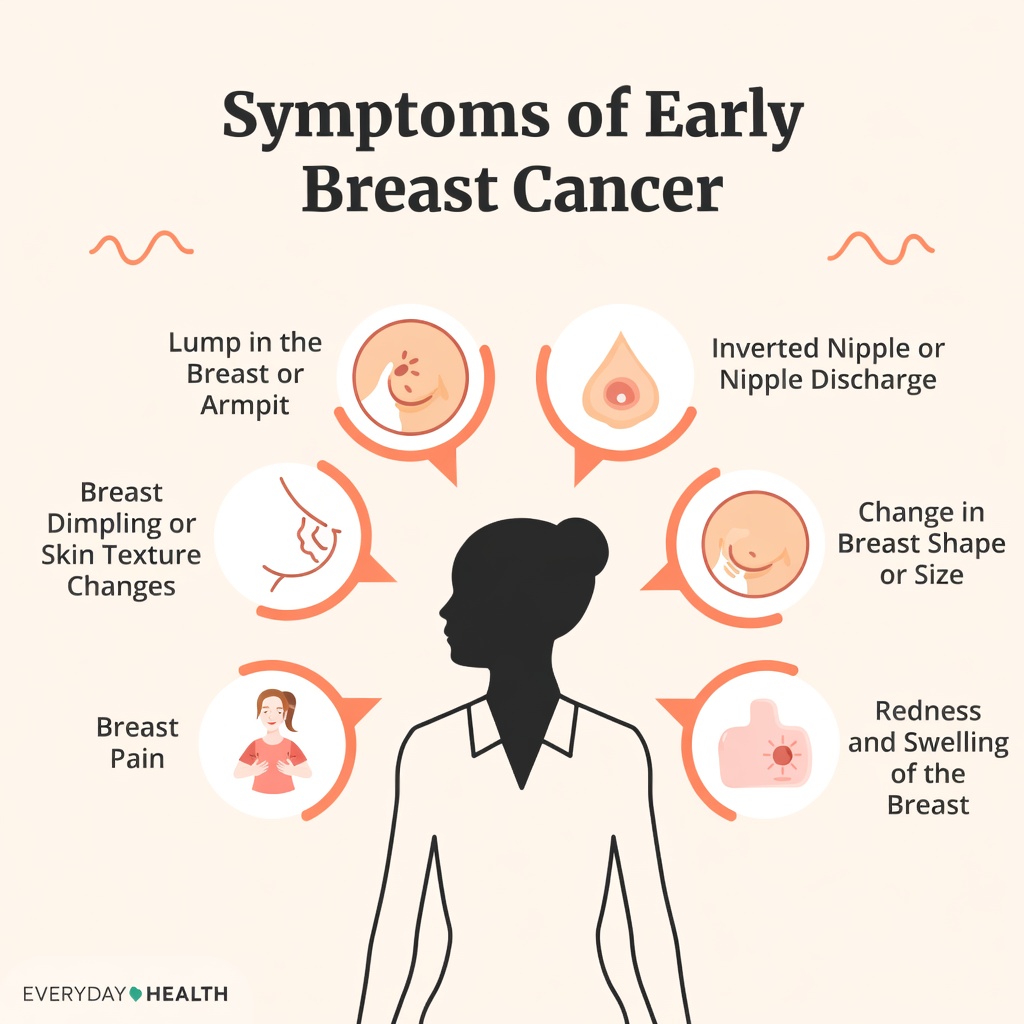
Key warning signs include:
- A new lump or mass in the breast or underarm
- Swelling or thickening in part of the breast
- A change in breast size, shape, or overall appearance
- Dimpling, puckering, or irritation of the skin, sometimes similar to an orange peel
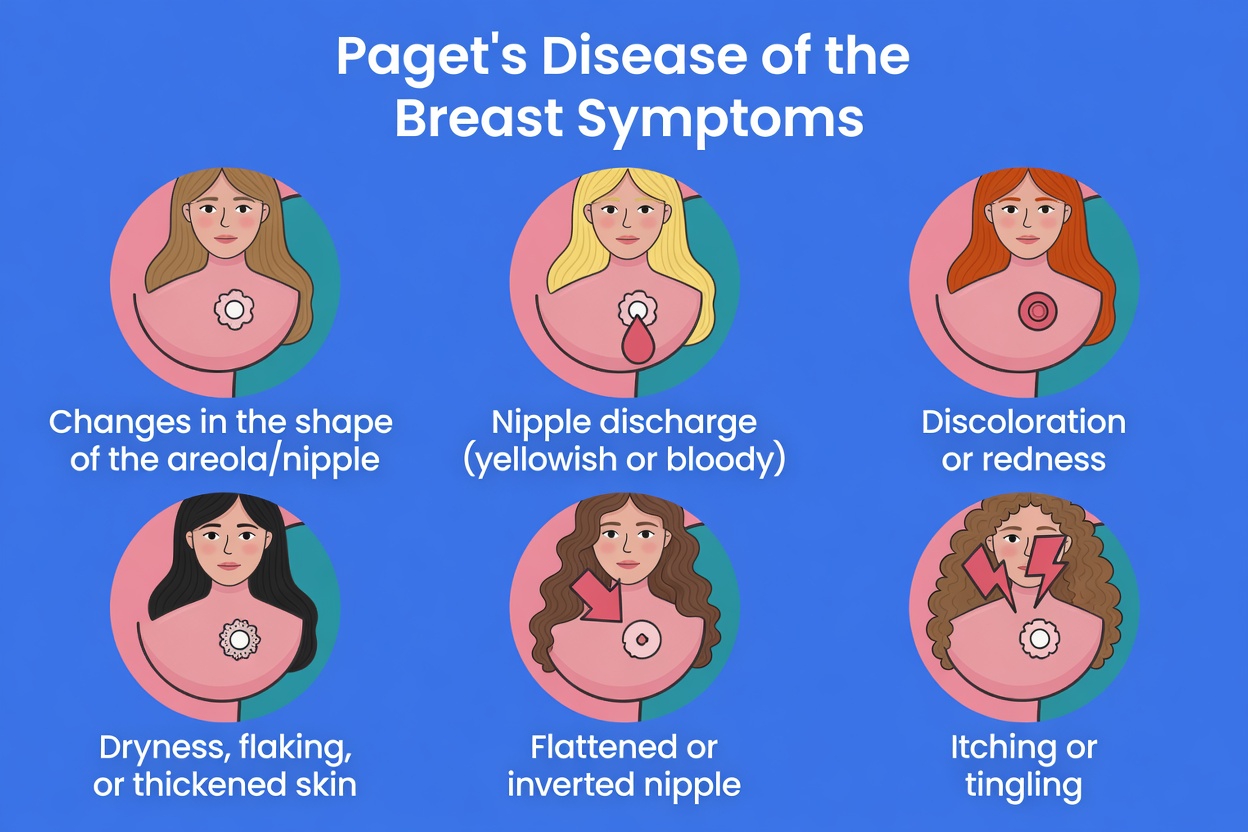
- Redness, flaking, or scaling on the breast skin or around the nipple
- A nipple that turns inward or pain in the nipple area
- Nipple discharge that is not breast milk, including bloody discharge
- Ongoing pain in one area of the breast
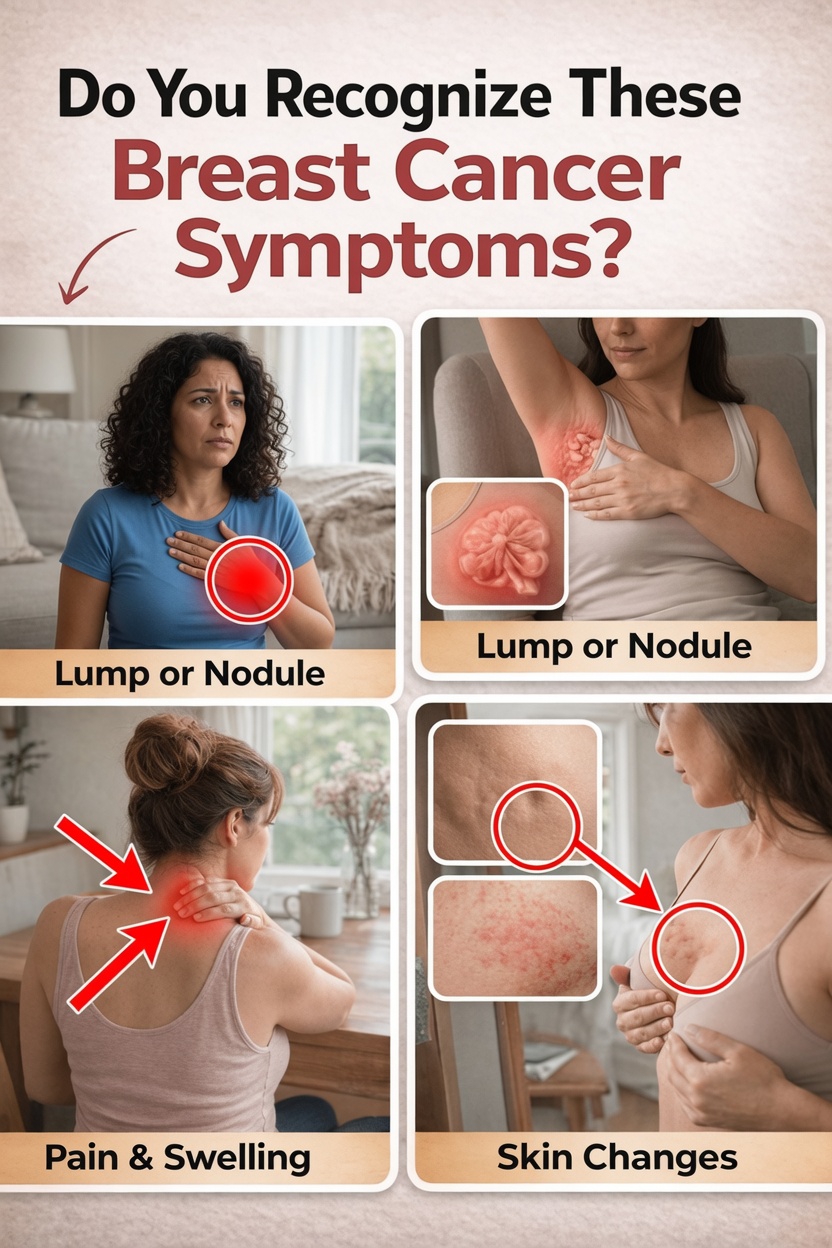
It is important to remember that these symptoms are not always caused by cancer. Many can result from non-cancerous breast conditions. What matters most is recognizing anything new, persistent, or unusual for your body.
Why Early Awareness Is So Important
Early detection often leads to better outcomes. Health authorities, including the American Cancer Society, stress that regular awareness combined with recommended screening can help identify concerns before they progress.
Because breast cancer can begin with very small changes, it is easy to dismiss early signs. A slight swelling, a small dent in the skin, or a new area of firmness may not seem urgent at first. That is why body awareness is so valuable. When you know what is normal for you, unexpected changes are easier to spot quickly.
How to Do a Breast Self-Exam at Home
Checking your breasts regularly is simple and only takes a few minutes. Many experts suggest doing a self-exam once a month, ideally a few days after your menstrual period ends, when breast tenderness is usually lower.
Use these steps:
- Stand in front of a mirror with your arms relaxed at your sides. Then raise your arms above your head. Look for visible changes in breast shape, size, contour, or skin texture, including dimpling or puckering.
- Examine the nipples for any changes such as inversion, discharge, dryness, or scaling.
- Lie down and use the pads of your fingers to feel each breast in small circular motions. Begin at the outer area and move inward, covering the whole breast and the underarm.
- Repeat the exam while sitting or standing. Some changes may be easier to feel in these positions, especially near the underarm.
- Use different levels of pressure: light pressure for tissue near the skin, medium pressure for deeper areas, and firmer pressure closer to the chest wall.
If you notice something different, there is no need to panic. Make a note of the change and contact a healthcare provider for proper advice and evaluation.
Daily Habits That Support Breast Health Awareness
No single habit can guarantee prevention, but healthy routines can help you stay more connected to your body while supporting overall wellness. Research from health organizations often recommends these habits:
- Maintain a healthy weight with balanced nutrition and regular exercise
- Limit alcohol, since higher intake has been linked to increased breast cancer risk
- Stay physically active on most days of the week
- Eat nutrient-dense foods such as fruits, vegetables, and whole grains
These are not extreme lifestyle changes. They are realistic, sustainable steps that help support your health while making it easier to notice when something feels different.
Breast Cancer Screening Guidelines to Know
Self-awareness is valuable, but professional screening is also essential. The American Cancer Society and other leading organizations generally recommend:
- Women with average risk begin regular mammograms around ages 40 to 45, depending on personal discussion with a doctor
- Screening should continue as long as a woman remains in good health
- Women at higher risk, including those with a family history or dense breast tissue, may need earlier or more frequent screening, along with additional imaging such as ultrasound or MRI
Because every medical history is different, it is always best to speak with a healthcare professional who can recommend a screening plan based on your individual risk factors.
What to Do If You Notice a Breast Change
Finding something unusual does not automatically mean it is cancer, but it should never be ignored. Contact your doctor promptly if you notice:
- A new lump or area of thickening that does not go away
- Unexplained changes in the skin or nipple discharge
- Lasting pain or a visible shift in breast shape
Your healthcare provider may suggest a clinical breast exam, a mammogram, or other tests to better understand what is happening. Taking action early offers reassurance and gives you the best chance of addressing any issue quickly.
Final Thoughts: Make Breast Awareness a Priority
Paying attention to breast changes is one of the most powerful things you can do for your health. When you understand the warning signs, perform regular self-checks, and follow screening recommendations, you give yourself the benefit of earlier awareness. Most breast changes are not serious, but the first step in knowing the difference is noticing them.
One simple but often overlooked habit can help many women detect changes faster: keeping a monthly journal of how their breasts look and feel. This creates a personal baseline, making it much easier to recognize anything new.
Frequently Asked Questions
If I find a lump that does not hurt, should I still get it checked?
Yes. Many breast lumps, including some cancerous ones, cause no pain at all. Any new lump should be evaluated by a medical professional, even if it feels harmless.
How often should I perform a breast self-exam?
For most women, once a month is a good routine. Choosing the same time each month, such as the week after your period, can make it easier to remember.
Are mammograms the only way to detect breast cancer early?
Mammograms are one of the most effective tools for early detection, but they are not the only one. Self-awareness and clinical breast exams can also play an important role. Your doctor can help determine the best approach based on your age, health history, and risk level.