9 Popular Supplements That May Affect Your Liver (and How to Use Them More Safely)
Many people reach for vitamins and herbal supplements to boost energy, support overall wellness, or make up for nutritional gaps in a hectic schedule. Because these products are sold over the counter and often marketed as “natural,” it’s easy to assume they’re harmless.
However, research shows that some widely used supplements, especially in high doses or taken for long periods, have been linked to potential liver stress in certain individuals. Studies suggest that herbal and dietary supplements now account for a growing share of liver-related problems reported to health professionals.
The upside: being informed goes a long way. When you understand which supplements may carry liver risks and how to approach them more carefully, you can make smarter decisions about what you take. Below, you’ll find nine supplements frequently mentioned in medical literature for their potential impact on liver health—plus practical steps to reduce your risk and support your body more effectively.
Why Liver Health Deserves More Attention
The liver is your body’s main detoxification hub. It processes:
- Foods and drinks
- Medications
- Alcohol
- Vitamins and herbal extracts
When the liver is overworked, it may first show vague signs—like fatigue, mild digestive discomfort, or a general sense of not feeling well—before more serious issues appear.
Reports from organizations such as the National Institutes of Health indicate that liver concerns related to supplements are increasing, particularly with:
- Highly concentrated herbal extracts
- Multi-ingredient “proprietary blend” formulas
Still, that’s only part of the story. Most people use supplements without serious problems when they:
- Respect recommended doses
- Choose quality products
- Pay attention to warning signs from their body
Common Supplements Linked to Possible Liver Concerns
Data from sources such as the LiverTox database and journals like Hepatology highlight several popular supplements that have been associated with changes in liver enzymes or liver injury in susceptible users.
These do not automatically cause harm for everyone. The actual risk depends on factors such as:
- How much you take
- How long you use it
- Your individual health status and genetics
- The quality and purity of the product
Here are nine supplements that frequently appear in discussions about liver health:
-
Green Tea Extract
Concentrated green tea extract (often found in weight-management or antioxidant capsules) contains high levels of catechins. At elevated doses, these have been linked in some reports to acute liver reactions, particularly when combined with other stimulants or taken in excess. -
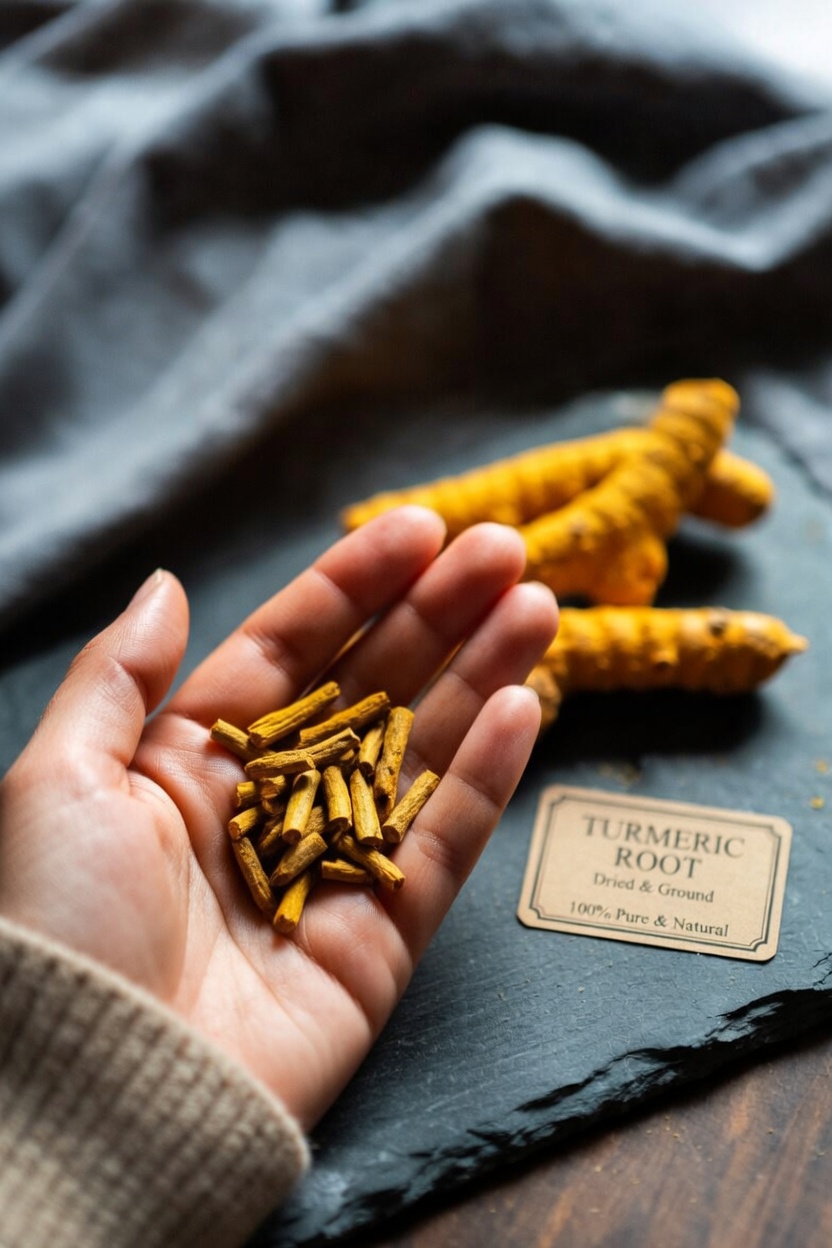
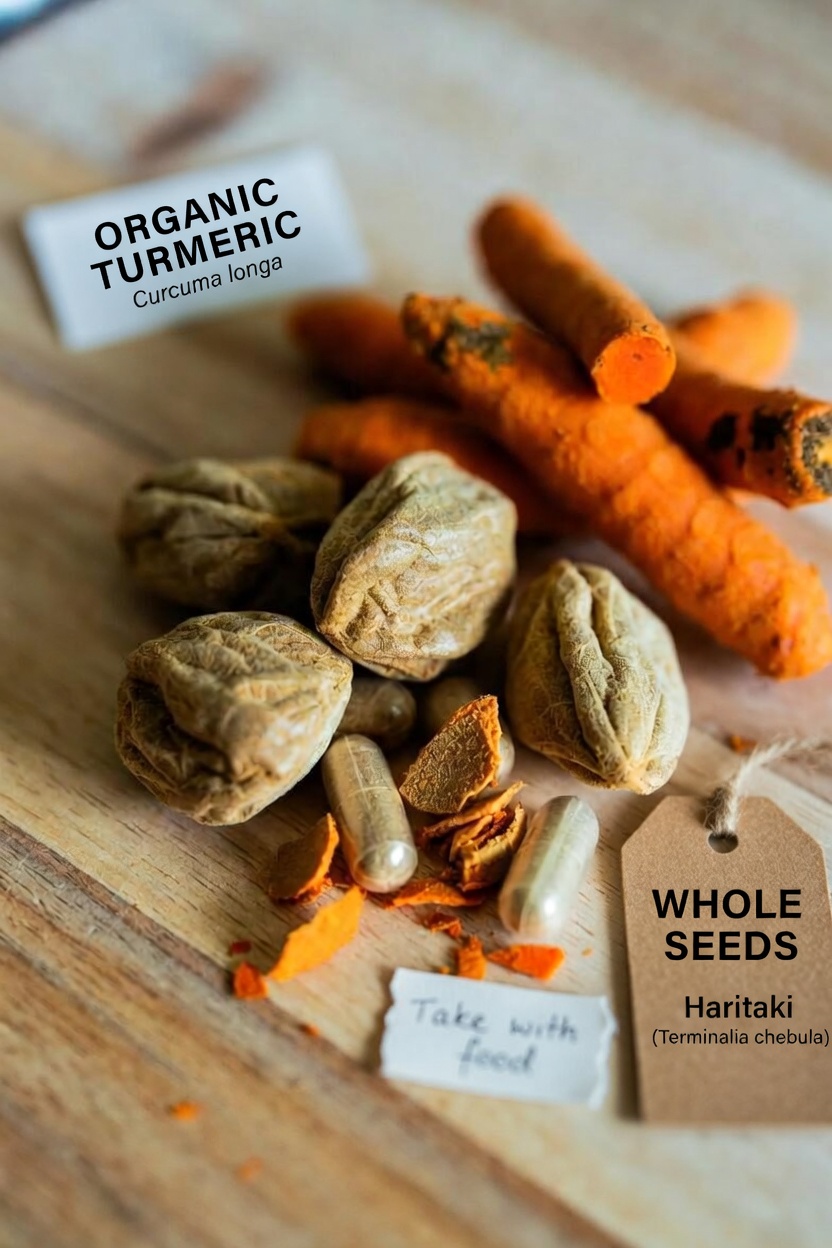
Turmeric / Curcumin
Widely used for joint comfort and inflammation support, turmeric and its active compound curcumin are generally considered beneficial. However, high-dose supplements—especially enhanced-absorption formulas—have been reported in some cases of liver-related effects, despite turmeric’s overall “healthful” reputation. -
Ashwagandha
This adaptogenic herb is often used for stress relief, sleep, and energy. A number of case reports have connected prolonged or high-dose ashwagandha use with potential liver strain or injury in certain individuals. -
Black Cohosh
Commonly taken to ease menopausal symptoms, black cohosh has been associated with liver concerns in multiple case studies. The exact mechanism is still being studied, and not all products may carry the same level of risk. -
Garcinia Cambogia
Marketed heavily for weight loss, Garcinia cambogia extract appears regularly in reviews of supplement-related liver issues, particularly when taken in strong doses or as part of multi-ingredient weight-loss formulas. -
Kava
Traditionally used for relaxation and anxiety relief, kava has a well-documented association with liver toxicity. Because of this, its use has been restricted or banned in some countries. -
Red Yeast Rice
Red yeast rice is often used to support cholesterol levels because it naturally contains compounds similar to prescription statins. When taken improperly or at high doses, it may cause liver side effects similar to those seen with statin medications. -
High-Dose Vitamin A
Vitamin A is fat-soluble and stored in the liver. Taking amounts well above daily needs through supplements can lead to accumulation over time, potentially resulting in liver damage and other toxicity symptoms. -
Multi-Ingredient Weight-Loss or Bodybuilding Products
Complex formulas—often labeled as “fat burners,” “pre-workouts,” or “muscle-building stacks”—frequently appear in reports of liver injury. They may contain stimulants, hormone-like compounds, or proprietary blends where it’s difficult to pinpoint the exact trigger.
Research estimates that roughly 20% of reported liver problems in the United States are linked to herbal and dietary supplements, with many involving:
- Multi-ingredient weight-loss products
- Bodybuilding and performance-enhancing formulas
Key patterns that stand out:
- Turmeric/curcumin ranks high in recent usage surveys among botanicals flagged for potential liver concerns.
- Green tea extract is often associated with quicker-onset liver effects in published case reports.
- Bodybuilding and weight-loss supplements are repeatedly implicated due to strong doses and complex ingredient combinations.
Even ingredients that seem “safe” in food form can behave very differently when concentrated into potent extracts.
How These Supplements Can Affect the Liver
Most liver-related concerns arise from a combination of several factors:
-
High Concentration of Active Compounds
Drinking a cup of green tea or seasoning food with turmeric typically provides modest amounts of active ingredients. Extracts and capsules, however, can deliver many times that dose in a single serving. -
Long-Term or Excessive Use
The liver has to process everything you ingest. With high-dose or long-term supplementation, potentially problematic compounds can accumulate or keep the liver under constant stress. -
Individual Susceptibility
Genetics, existing liver conditions, alcohol use, age, and other medications can all influence how your body handles supplements. What’s safe for one person may cause issues for another. -
Product Quality and Contaminants
Inconsistencies in labeling, undisclosed ingredients, heavy metals, or contaminants have occasionally been found in poorly regulated products. These can add extra strain on the liver.
Patterns documented in research range from:
- Mild, temporary increases in liver enzymes
- Reversible liver irritation that improves after stopping the product
- Rare but more severe cases requiring medical treatment
In many instances, liver function returns to normal once the supplement is discontinued, especially if the issue is caught early.
How to Protect Your Liver While Taking Supplements
You don’t necessarily need to avoid supplements altogether to protect your liver. Thoughtful use makes a major difference. Consider these practical steps:
1. Stay Within Recommended Doses
- Follow serving sizes on the product label unless a healthcare provider suggests otherwise.
- Avoid assuming that “more is better,” particularly with fat-soluble vitamins and strong herbal extracts.
2. Choose Reputable, Tested Brands
- Look for supplements that have undergone third-party testing, such as:
- USP
- NSF
- ConsumerLab
- These certifications help confirm that what’s on the label matches what’s in the bottle and that contaminants are less likely.
3. Talk to a Healthcare Professional
- Consult a doctor, pharmacist, or qualified practitioner if you:
- Have a history of liver disease
- Take prescription medications
- Plan to use a supplement long-term
- Ask specifically about potential interactions and whether periodic liver tests are advisable.
4. Listen to Your Body
Monitor for symptoms that can signal liver stress, such as:
- Persistent fatigue
- Nausea or loss of appetite
- Pain or discomfort in the upper right abdomen
- Yellowing of the skin or eyes (jaundice)
- Dark urine or pale stools
If these occur, stop the suspected product and seek medical evaluation promptly.
5. Focus on Food First
- Aim to get most nutrients from whole foods:
- Colorful fruits and vegetables for antioxidants
- Whole grains and legumes for fiber
- Fish, nuts, and seeds for healthy fats and omega-3s
- Use supplements to fill genuine gaps, not as a substitute for balanced nutrition.
6. Consider Periodic Breaks
- For non-essential supplements, some experts recommend occasional pauses or “cycles” to give your system a rest, unless your healthcare provider advises continuous use.
7. Support Your Liver with Healthy Habits
- Drink enough water throughout the day
- Limit heavily processed foods, excessive sugar, and alcohol
- Maintain a balanced diet with adequate protein and fiber
- Move your body regularly and manage stress
All of these habits support liver health more reliably than any single pill.
Warning Signs: When to Seek Help
If you’re using supplements and notice any of the following persisting or worsening, it’s important not to dismiss them:
- Ongoing tiredness that doesn’t match your activity level
- Unexplained abdominal pain or pressure, especially on the right side
- Nausea, vomiting, or a significant drop in appetite
- Itching without a clear cause
- Dark-colored urine or very light-colored stools
- Yellowing of the eyes or skin
Early evaluation—often including blood tests to check liver enzymes—can detect problems before they become serious. In many reported cases, stopping the supplement leads to improvement, but timely medical care is crucial.
Long-Term Wellness: Using Supplements Wisely
Supplements can absolutely have a place in a healthy lifestyle, but they’re only one piece of the puzzle. By emphasizing:
- Quality over quantity
- Moderation instead of megadoses
- Professional guidance rather than guesswork
you greatly reduce the chance of liver-related issues while still benefiting from targeted support.
Ultimately, the strongest protection for your liver comes from consistent, everyday habits: balanced eating, regular movement, restorative sleep, stress reduction, and minimal unnecessary substances. No supplement can fully replace those foundations.
Stay thoughtful about what you put into your body, and you’re far more likely to feel the difference in your energy, resilience, and long-term health.
FAQ
What are the first signs that a supplement might be affecting my liver?
Early signs can be subtle and may include:
- Persistent fatigue
- Mild nausea or digestive upset
- Reduced appetite
More obvious warning signs—such as dark urine, pale stools, or yellowing of the skin or eyes—should be treated as urgent and checked by a healthcare professional immediately.
Are all herbal supplements risky for the liver?
No. Many herbs, when used at standard doses or consumed in food form (like culinary spices or teas), are well-tolerated for most people. Liver risks tend to increase with:
- Highly concentrated extracts
- Very high or prolonged dosing
- Products of uncertain quality or origin
How can I continue taking supplements more safely?
To use supplements while keeping liver health in mind:
- Start with the lowest effective dose.
- Choose brands that use third-party testing.
- Inform your doctor about everything you take, including “natural” products.
- Get periodic blood tests if you use certain supplements long-term.
- Keep diet and lifestyle as your primary tools for wellness, and view supplements as supportive add-ons rather than the foundation of your health plan.