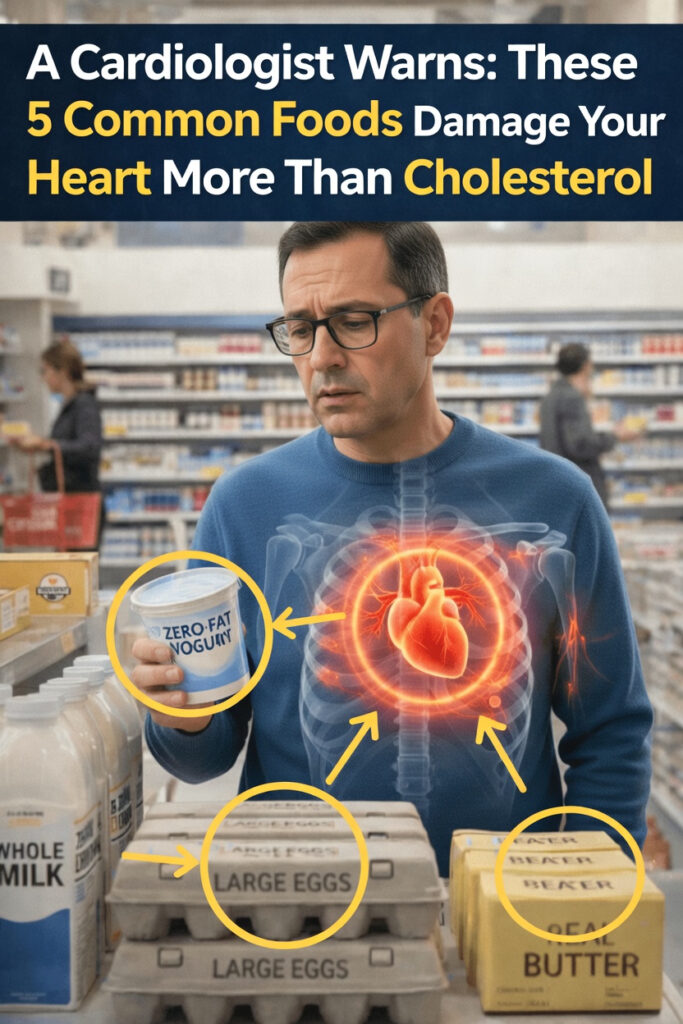
Why Cholesterol Is No Longer the Only Heart Health Concern
For a long time, many people checked nutrition labels carefully, skipped eggs, reduced butter, and picked low-fat products to protect their hearts. The common belief was simple: eating less cholesterol would automatically lower heart disease risk. Today, heart health experts are looking at the issue differently.
Current evidence suggests that the bigger problem often comes from foods high in added sugar, refined carbohydrates, trans fats, excess sodium, and heavily processed ingredients. These foods can have a stronger effect on inflammation, blood pressure, and plaque buildup in the arteries than dietary cholesterol alone. In many cases, the cholesterol made by the liver has a greater impact on blood cholesterol levels than the cholesterol naturally found in food.
What surprises many people is that some everyday foods, including items often seen as harmless or even healthy, may quietly put extra pressure on the cardiovascular system. The good news is that small, practical changes can make a real difference.
Why Dietary Cholesterol Is No Longer Seen as the Main Problem
For decades, cholesterol-rich foods such as eggs were treated as major threats to heart health. But newer research shows that, for most healthy adults, foods like eggs do not significantly raise blood cholesterol in the way once feared.
Most of the cholesterol circulating in the bloodstream is produced by the body itself, especially by the liver. Factors such as saturated fat, trans fat, and high sugar intake appear to influence that process more than dietary cholesterol from food.
Major organizations, including the American Heart Association, now place greater emphasis on overall eating patterns instead of focusing only on cholesterol intake. In other words, it matters more to reduce foods that trigger inflammation, raise blood sugar quickly, or hide large amounts of salt and unhealthy fats.
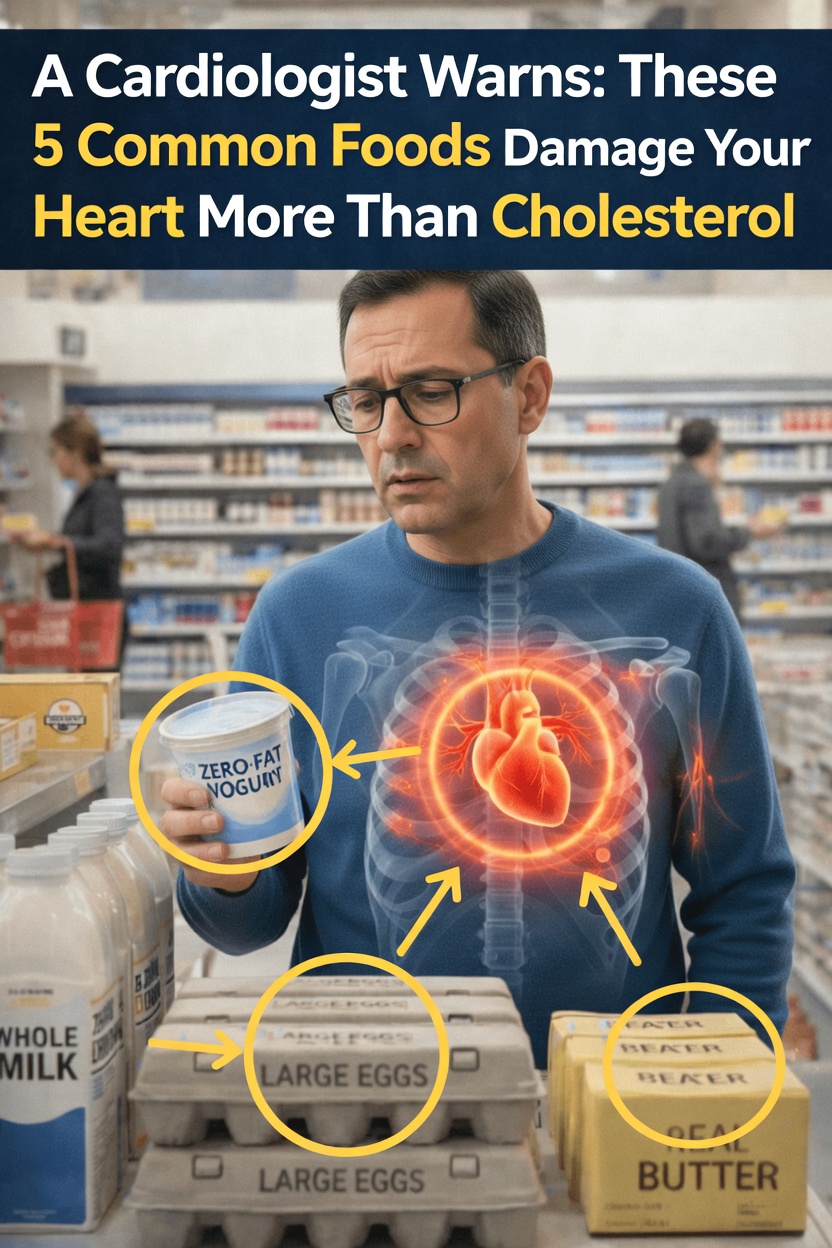
5 Common Foods That May Be Harder on Your Heart Than Expected
These foods do not always need to be banned completely, but eating them often and in large amounts can work against heart health. The goal is awareness, balance, and better daily choices.
1. Added Sugars in Drinks and Snacks
Sugary products are one of the biggest concerns among heart specialists. This includes:
- Regular soft drinks
- Sweetened coffee drinks
- Energy drinks
- Flavored beverages
- Some packaged fruit juices
- Candy and sugary snacks
Over time, too much added sugar may contribute to:
- Higher triglyceride levels
- Increased belly fat
- More inflammation
- Greater metabolic stress linked to heart disease
A diet high in sugar can quietly affect cardiovascular health even when cholesterol intake seems low.
2. Refined Carbohydrates Such as White Bread and Pastries
Foods made with refined grains break down quickly into sugar in the body. Common examples include:
- White bread
- Pastries
- Cookies
- Cakes
- Many breakfast cereals
- Crackers made with refined flour
Frequent intake can lead to blood sugar spikes, insulin resistance, and increased inflammation markers. Choosing whole grains instead can support steadier energy, better blood sugar balance, and healthier blood vessels.
3. Processed Meats Like Bacon, Sausage, and Deli Slices
Processed meats often contain a combination of ingredients that may challenge heart health, including:
- High sodium
- Preservatives
- Saturated fat
- Additives used in curing and flavoring
Population studies have linked regular consumption of processed meats to higher blood pressure and greater cardiovascular concerns over time.
4. Fried Foods and Fast Food Choices
Deep-fried foods are often made with oils that are poor for cardiovascular health, especially when reused or heavily processed. Common examples include:
- French fries
- Fried chicken
- Chicken nuggets
- Donuts
- Fast food sides and snacks
These foods may promote oxidative stress and negatively affect blood lipid patterns. They also tend to be calorie-dense and low in fiber, making them easy to overeat.
5. Too Much Sodium from Packaged and Restaurant Foods
Excess salt is one of the most overlooked heart health issues. Sodium shows up in many everyday foods, such as:
- Canned soups
- Packaged sauces
- Frozen meals
- Snack foods
- Fast food
- Restaurant dishes
Consistently high sodium intake can raise blood pressure, forcing the heart and blood vessels to work harder over time.
The Bigger Issue: Daily Diet Patterns
The real risk is not always one single food. It is often the combination of these foods appearing repeatedly in daily meals and snacks. A sugary drink with a pastry at breakfast, processed meat at lunch, and salty fast food at dinner can create a pattern that places ongoing stress on the heart.
That is why experts now focus less on one nutrient in isolation and more on the overall dietary picture.
Old Advice vs. Current Understanding
Here is a simple way to see how heart health guidance has changed:
Older Common Focus
- Strictly avoid eggs
- Cut butter at all costs
- Eliminate full-fat dairy mainly because of cholesterol
Current Heart Health Perspective
- Reduce added sugars first
- Cut back on refined carbohydrates
- Limit processed meats
- Avoid frequent fried and fast foods
- Watch sodium intake closely
This shift reflects growing evidence that these factors often have a more direct effect on inflammation, blood pressure, and long-term heart risk for many individuals.
Simple Ways to Support Heart Health Starting Today
You do not need to completely rebuild your diet overnight. A few manageable changes can move you in the right direction.
Practical swaps to try
-
Replace sugary drinks with:
- Water
- Unsweetened tea
- Sparkling water
- Water infused with lemon or cucumber
-
Choose whole grains instead of refined grains:
- Oatmeal instead of sugary cereal
- Brown rice instead of white rice
- Whole-wheat bread instead of white bread
-
Eat processed meats less often and switch to:
- Fish
- Skinless poultry
- Beans
- Lentils
- Nuts
-
Cook more meals at home to better control:
- Salt
- Oil
- Portion size
-
Use healthier cooking methods:
- Baking
- Grilling
- Steaming
- Roasting
-
Read food labels and compare sodium levels before buying packaged items
-
Add more heart-friendly foods to your plate, including:
- Salmon and other fatty fish
- Avocados
- Olive oil
- Nuts and seeds
- Fruits
- Vegetables
The One Habit Cardiologists Often Recommend
A common habit many cardiologists encourage is to build meals around:
- Vegetables and other plant foods
- Lean proteins
- Healthy fats
- Reasonable portions
This pattern closely resembles the Mediterranean-style diet, which has been consistently associated with better cardiovascular outcomes in research. It is not about perfection. It is about choosing foods that support the heart more often than they strain it.
What Research Says About This Shift in Focus
A large body of research supports eating patterns rich in:
- Fruits
- Vegetables
- Whole grains
- Legumes
- Healthy fats
- Lean protein sources
These diets are linked to lower rates of heart-related problems. Reducing added sugar and refined carbs can also help improve weight management, blood sugar control, and important blood markers. While every person responds differently, these broad dietary habits provide a strong foundation for better heart support.
Final Thoughts: Small Changes Can Add Up
Looking beyond cholesterol alone can feel freeing. Instead of fearing a single food, you can focus on the bigger dietary factors that may matter more for your heart. Cutting back on added sugars, refined carbohydrates, processed meats, fried foods, and excess sodium addresses several issues strongly connected to cardiovascular strain.
You do not need to change everything at once. Start with one or two improvements this week and continue from there. Over time, those choices can become powerful support for a healthier heart.
FAQ
Is it okay to eat eggs if I care about heart health?
For most people, yes. Current evidence suggests that moderate egg intake can fit well within a heart-conscious eating pattern, especially when meals also include vegetables, whole grains, and minimally processed foods.
Do I have to avoid all dairy for a healthier heart?
Not necessarily. If saturated fat is a concern, lower-fat dairy options may be helpful. Still, moderate portions of some full-fat dairy foods can also fit into a balanced diet, depending on the rest of your eating pattern.
How much sodium is considered too much?
Many health guidelines suggest staying below 2,300 mg of sodium per day, with an ideal target closer to 1,500 mg daily for people concerned about blood pressure. Reading labels and preparing fresh meals more often can make this easier.