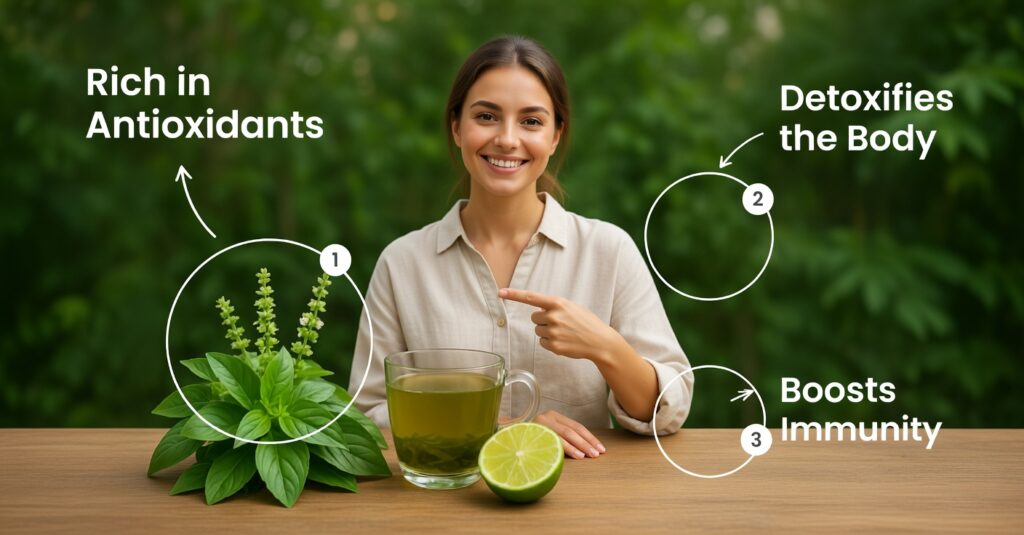
Vision Tree: natural herbal tea to support tired eyes
“Árbol de la Visión” (literally, “Vision Tree”) is a popular folk name used in several Latin American countries for a plant—or different plants, depending on the region—traditionally prepared as an herbal tea to support eye comfort and relieve the feeling of eye fatigue. A key point is that this common name does not always refer to the same species: in some areas, completely different herbs share the same nickname.
Because of this, it is essential to confirm the exact plant used in your region, ideally through a trusted herbalist or someone experienced with medicinal plants, before preparing it as a tea.
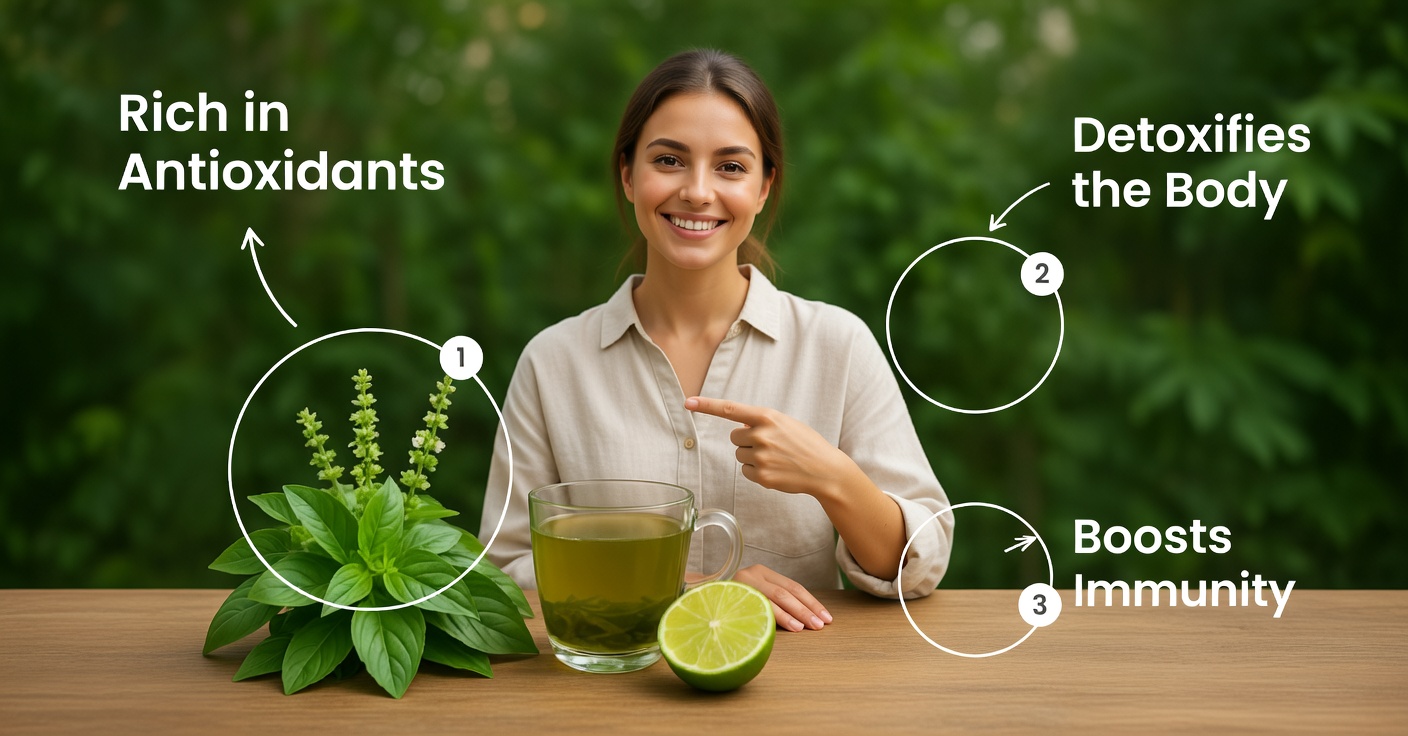
Even though the specific species may change from place to place, many plants called “Vision Tree” tend to share similar characteristics. They often contain plant-based antioxidants (such as flavonoids and polyphenols) and, in some cases, mildly soothing components. In the wellness context, these compounds are associated with general support against oxidative stress—a process that contributes to tissue aging, including in the eyes.
This does not mean they “cure” eye diseases. Instead, Vision Tree tea is best understood as a traditional, generally gentle drink that can accompany healthy habits.
Traditional uses of Vision Tree
In folk and home remedies, Vision Tree is consumed as a tea or used externally over closed eyelids when people experience:
- Tired or overworked eyes from screens, reading, or night driving
- Mild irritation caused by dust, smoke, air conditioning, or seasonal allergies
- A feeling of dryness, heaviness, or strain at the end of the day
- The need for a calming ritual (a warm cup of tea) that promotes relaxation and hydration
If you notice strong pain, discharge, intense light sensitivity, sudden blurry vision, flashes of light, or any loss of vision, this is not a case for home remedies. It requires prompt medical evaluation.
Common supportive properties
Depending on which plant your local community calls “Vision Tree,” it is often attributed with the following supportive actions:
- Antioxidant support: helps protect cells from damage caused by free radicals
- Mild soothing/anti‑inflammatory effect: useful for light irritation or discomfort (not infections)
- Source of phytonutrients: can complement a nutrient-rich, eye-friendly diet
These potential benefits make the most sense when combined with real lifestyle changes: taking breaks from screens, getting good sleep, staying hydrated, and eating foods that support eye health.
Vision Tree tea recipe (internal use)
Ingredients
- 5 fresh leaves of the plant locally known as Vision Tree (only if you are sure of the correct identification and that it is safe for infusion)
- 250 ml (about 1 cup) of filtered water
- ½ teaspoon honey (optional)
- 1 teaspoon lemon juice (optional)
Directions
- Rinse the leaves thoroughly under clean, drinkable water.
- Bring the water to a boil, add the leaves, and reduce to low heat for 3–5 minutes.
- Turn off the heat, cover, and let steep for about 10 minutes.
- Strain the infusion carefully. Sweeten with honey or add lemon only if it agrees with you.
How to drink it
- Drink 1 warm cup, 2–3 times per week.
- If it is your first time, start with 1 cup once a week and pay attention to how your body responds.
Vision Tree for external use (without homemade eye drops)
If you want to use Vision Tree for eye relaxation, the safest approach is not to put drops directly into the eye. Homemade herbal liquids are not sterile and may cause irritation or infection. Instead, use it as a compress:
- Prepare the tea as described above, then strain it very well.
- Allow it to cool completely to room temperature.
- Wash your hands thoroughly.
- Moisten a clean piece of gauze or a cotton pad with the cooled tea.
- Place it gently over closed eyelids for 5–10 minutes.
- Discard the gauze or pad after each use.
This method works as a gentle compress, without exposing the inside of the eye to non‑sterile liquids.
Recommended duration of use
If you choose to use Vision Tree as a supportive wellness routine (not as a medical treatment):
- Use it for 3 weeks (2–3 times per week)
- Then take a 1‑week break
- Resume only if it feels comfortable and no irritation appears
If you notice itching, burning, increased dryness, redness, or worsening discomfort, stop using it.
Important precautions
- Do not apply hot tea to your eyes. Always let it cool completely.
- Do not use it on open wounds, obvious infections, discharge, severe pain, or over irritated eyes with contact lenses in place.
- If you are pregnant, breastfeeding, taking blood thinners, or living with a chronic health condition, talk to a healthcare professional before using herbal infusions regularly.
- Vision Tree tea does not replace prescribed treatments for conditions such as glaucoma, cataracts, macular degeneration, or any other diagnosed eye disease.
Everyday habits that truly protect your vision
The biggest impact on “tired eyes” usually comes from simple lifestyle changes:
-
Follow the 20‑20‑20 rule: every 20 minutes, look at something in the distance for at least 20 seconds.
-
Adjust screen brightness and use soft ambient lighting when using devices at night.
-
Aim for 7–8 hours of sleep and reduce screen time before bed.
-
Stay well hydrated throughout the day.
-
Prioritize foods rich in eye‑supporting nutrients:
- Green vegetables: spinach, broccoli, kale
- Orange/yellow foods: carrots, pumpkin, mango
- Healthy fats: walnuts, avocado, chia or flax seeds, and omega‑3 rich fish
Conclusion
Vision Tree tea is part of a long-standing folk tradition used to support eye comfort and relaxation. Its role is complementary: to hydrate, soothe lightly, and accompany a broader routine of healthy habits.
If you decide to use it, do so thoughtfully: ensure you have correctly identified the plant, avoid putting homemade liquids directly into the eyes, and focus on what truly protects your vision—visual breaks, quality sleep, good hydration, and a nutrient-dense diet. This combination offers a safer and more effective way to care for your eyes over the long term.