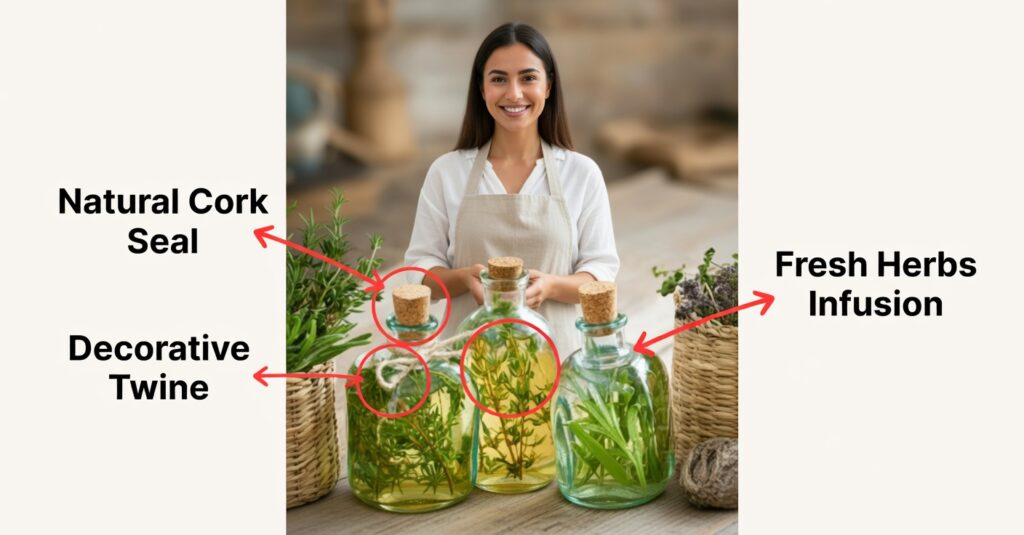
Rosemary Alcohol: A Versatile Natural Remedy
Rosemary alcohol is a traditional home remedy with a wide range of uses. You can easily prepare it yourself, and it works both as a personal care product and as a natural cleaner for the home. This simple tincture, made from rosemary leaves and ethyl alcohol, has been used for centuries in folk medicine.
In this guide, you’ll learn how to make rosemary alcohol step by step, how to use it safely, and 25 practical ways to incorporate it into your daily routine.
What Is Rosemary Alcohol?
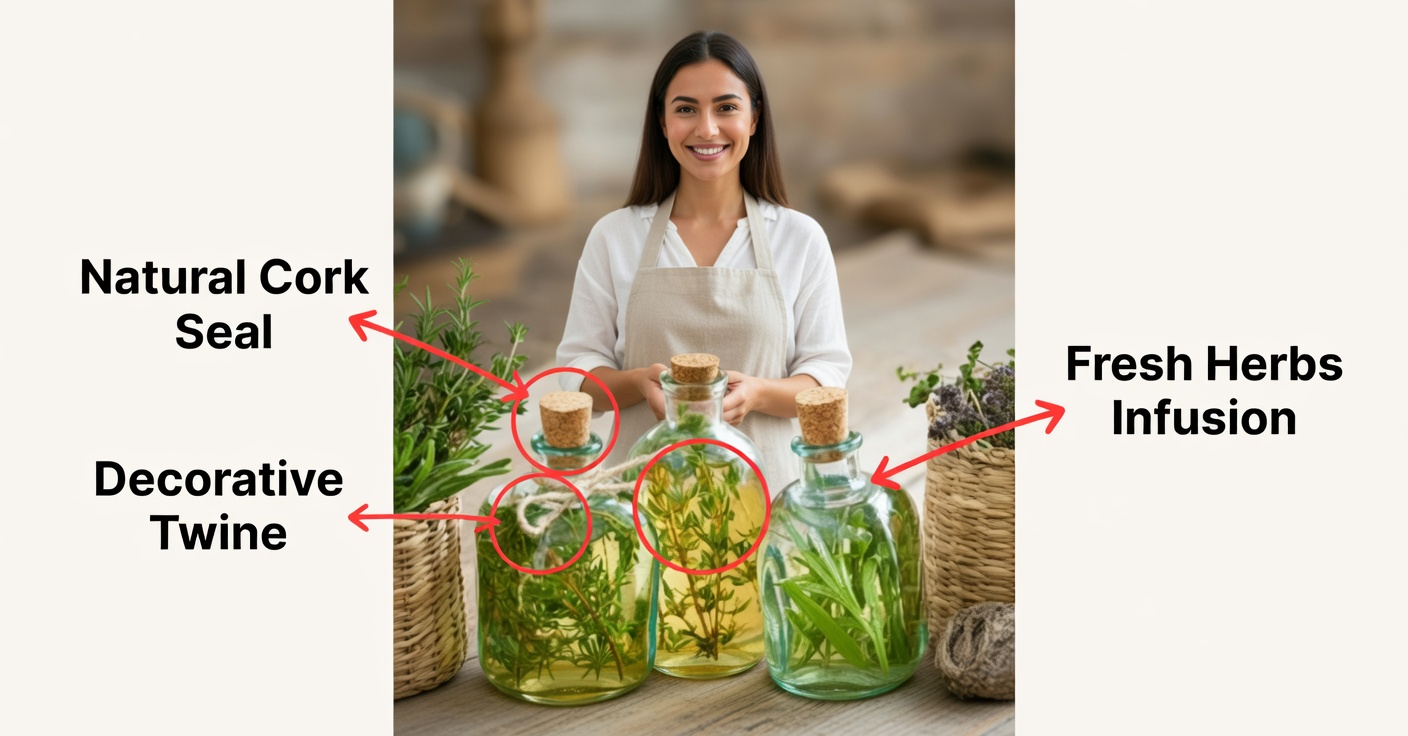
Rosemary alcohol is a homemade preparation obtained by soaking fresh rosemary leaves in high-proof ethyl alcohol. During the maceration process, the alcohol draws out the active compounds from the plant, resulting in a liquid rich in beneficial properties.
This remedy is especially valued for easing pain, stimulating hair growth, disinfecting minor wounds, toning the skin, and more.
Key Benefits of Rosemary
Rosemary is an aromatic herb packed with essential oils, antioxidants, flavonoids, and anti-inflammatory compounds. Because of this, rosemary alcohol is believed to offer several benefits:
- Helps stimulate blood circulation
- Relaxes tense or tired muscles
- Has antibacterial and antifungal effects
- Tones and revitalizes the skin
- Relieves minor aches and pains
How to Make Rosemary Alcohol at Home
Ingredients
- 1 cup of fresh rosemary leaves
- 90° ethyl alcohol (rubbing alcohol / ethanol)
- 1 glass jar with a tight-fitting lid
- 1 strainer or piece of gauze
- 1 dark glass bottle for storage
Step-by-Step Instructions
- Rinse the rosemary leaves and let them dry completely.
- Fill the glass jar with the rosemary leaves.
- Pour in the alcohol until the leaves are fully submerged.
- Seal the jar tightly.
- Store it in a cool, dark place for about 2 weeks. Shake gently once a day.
- After 2 weeks, strain the liquid through gauze or a fine strainer.
- Transfer the filtered rosemary alcohol into a dark glass bottle.
If kept away from light and heat, your rosemary alcohol can last for about 6 to 12 months.
25 Uses for Rosemary Alcohol
Here is a clear and practical list of ways you can make the most of this natural preparation.
For the Body
-
Relieve muscle pain
Gently massage rosemary alcohol onto sore muscles to help reduce discomfort. -
Soothe inflamed joints
Apply to knees, wrists, elbows, or other joints to ease mild inflammation and stiffness. -
Boost circulation
Massage it into your legs using upward strokes to support blood flow. -
Refresh tired legs
Use it on heavy, fatigued legs to cool, energize, and relax at the same time. -
Support cellulite care
Regular massage with rosemary alcohol may help improve skin texture and appearance.
For Hair Care
-
Stimulate hair growth
Massage a small amount into the scalp to activate circulation and support hair growth. -
Strengthen weak hair
With consistent use, it may help reduce hair shedding and fortify the hair fiber. -
Fight dandruff
Helps regulate excess oil on the scalp and calm irritation associated with dandruff. -
Natural conditioner booster
Add a few drops to your usual conditioner to enhance its invigorating effect.
For the Skin
-
Natural facial toner
Dilute with water or rose water and use as a toner to refresh and cleanse the skin. -
Spot treatment for acne
Apply with a cotton swab directly on pimples to help dry and disinfect them. -
Nail strengthener
Soak nails in a mix of rosemary alcohol and water to help reinforce brittle nails. -
Aftershave lotion
Use a small amount after shaving to calm irritation and reduce the risk of minor infections. -
Natural deodorant alternative
Applied (well diluted) to clean skin, it can help neutralize body odor without synthetic chemicals.
For First Aid
-
Disinfect minor cuts and scrapes
Ideal for cleaning small wounds, scratches, and superficial abrasions. -
Soothe insect bites
Dab on bites to lessen itching and reduce swelling. -
Support nail fungus care
Apply daily to affected nails as part of a broader antifungal routine. -
Ease tension headaches
Rub a few drops on the temples and the back of the neck to help relax and soothe discomfort.
For the Home
-
Natural disinfectant
Use to wipe surfaces such as tables, door handles, or phone screens (check material compatibility first). -
Insect repellent
Spray (diluted with water) around windows, doors, or on exposed skin, avoiding eyes and mouth. -
Flea repellent for pets
Mix with water and lightly spray on your pet’s fur, steering clear of the eyes, nose, and mouth. Consult your vet before use. -
Odor eliminator
Leave an open container of rosemary alcohol in the bathroom or kitchen to help absorb bad smells. -
Room spray
Diluted with water in a spray bottle, it freshens the air and leaves a pleasant herbal scent. -
Relaxing bath additive
Add a small amount to warm bathwater to help unwind muscles and relieve tension. -
Rodent repellent
Place cotton balls soaked in rosemary alcohol in corners or entry points where rodents might appear.
Precautions and Safety Tips
- Do not apply to deep or open wounds.
- Avoid contact with eyes and mucous membranes.
- Keep out of reach of children and pets.
- Perform a patch test on a small area of skin before first use to check for sensitivity or allergic reactions.
Final Thoughts
Rosemary alcohol is a simple, natural, and multi-purpose preparation that can be useful in many areas of everyday life. With just two basic ingredients, you can create a versatile product for muscle relief, skincare, hair care, first aid, and even household cleaning.
Try making your own and see why this traditional remedy has been passed down through generations.