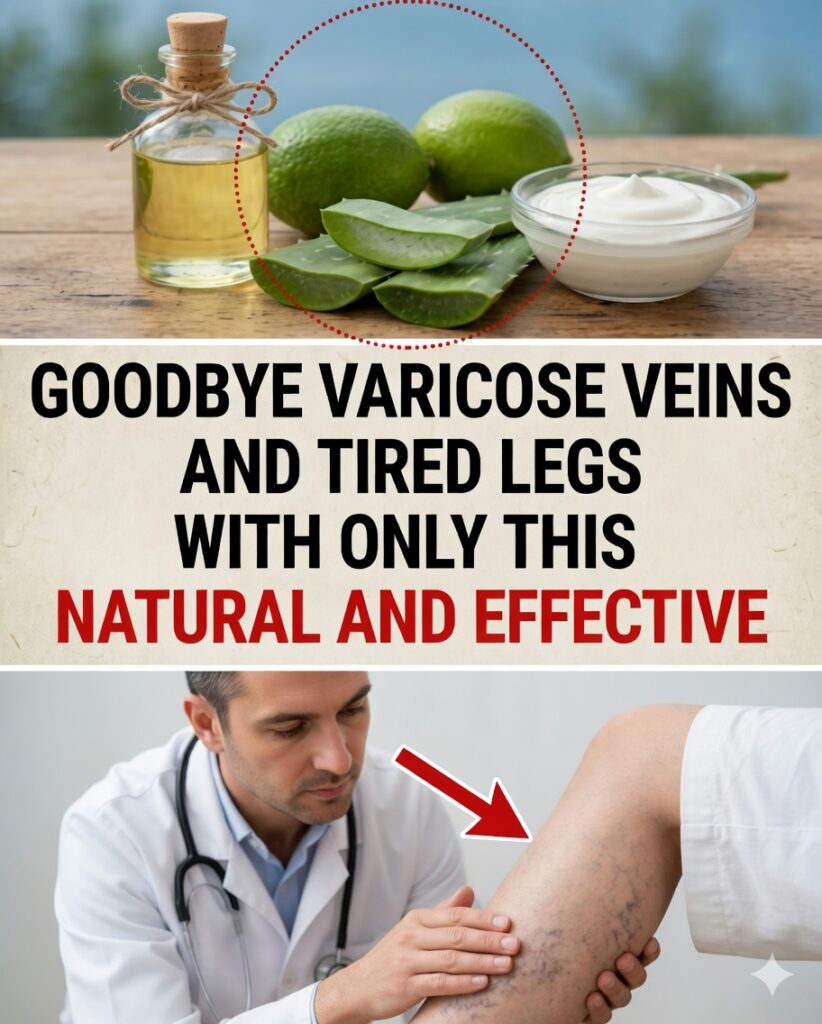
Tired of Heavy Legs? The Truth About Garlic and Varicose Veins
All over the internet, you can find claims that garlic can “erase” varicose veins and completely relieve heavy legs. Some home remedies even present garlic as a near-miracle cure.
But what does scientific evidence actually say?
Below is a clear, fact-based explanation so you can separate myth from reality.
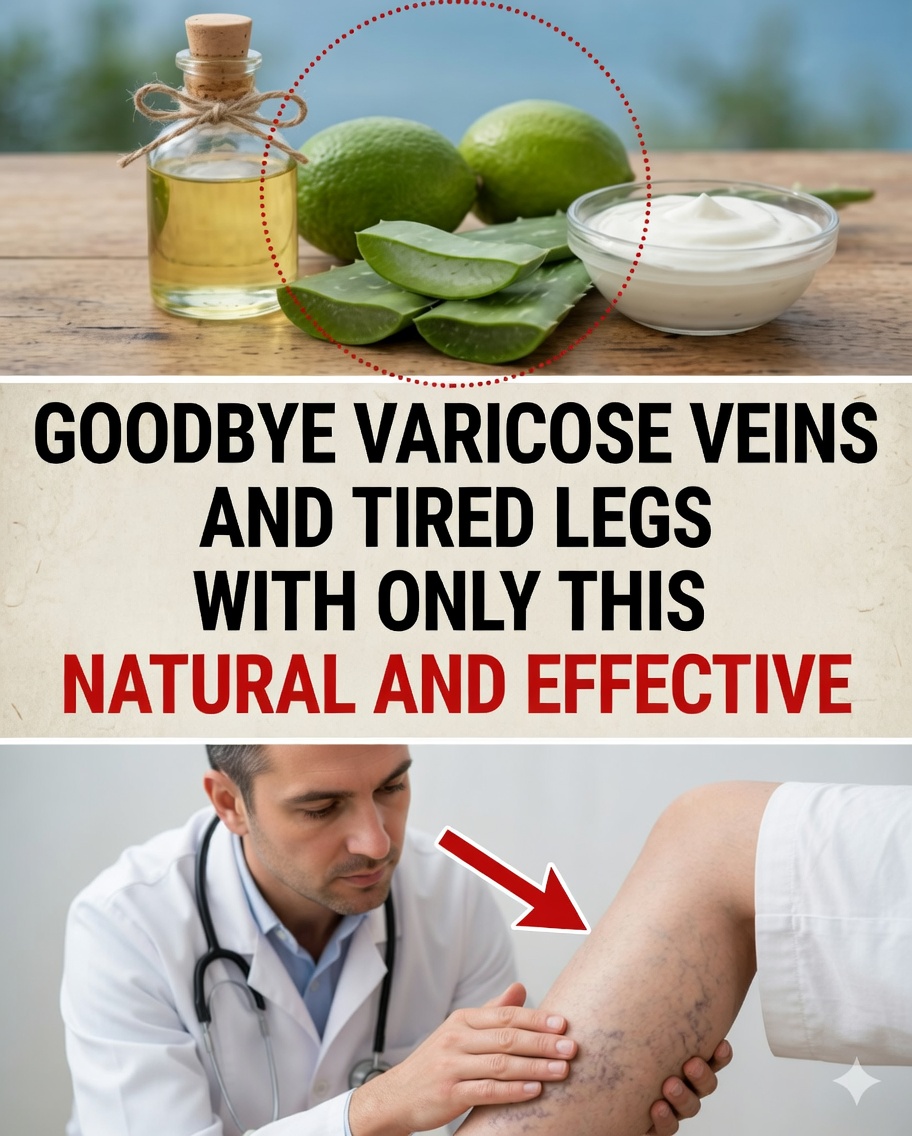
Why Do Varicose Veins Develop?
Varicose veins are much more than a cosmetic concern.
They form when the valves inside your veins stop working properly. Instead of pushing blood efficiently back toward the heart, these valves allow blood to pool in the legs. Over time, this leads to:
- Swelling in the legs or ankles
- Pain or discomfort
- A sensation of heaviness or tired legs
- Enlarged, twisted, and visible veins just under the skin
This underlying problem with venous valves is what makes varicose veins a chronic condition.
Garlic and Varicose Veins: Can It Really Help?
What Garlic Can Actually Do
Garlic contains several bioactive compounds, including allicin, that have been widely studied. These substances may:
- Support healthy blood circulation
- Help reduce platelet aggregation (making blood less likely to clump)
- Provide antioxidant effects, helping combat oxidative stress
Because of these properties, garlic can:
- Contribute to overall cardiovascular health
- Help improve certain risk factors such as high cholesterol and low-grade inflammation
This is why garlic is often associated with better blood flow and circulatory support.
What Garlic Cannot Do (Crucial to Understand)
Here is the key point:
- Garlic does not make varicose veins disappear
- It does not repair damaged or failing vein valves
- It cannot replace medical treatments or professional care
Experts agree: while garlic may support circulation and reduce some risk factors, it does not cure varicose veins and cannot reverse structural damage in the veins.
Why Is Garlic So Popular in Home Remedies?
Garlic’s popularity in traditional and home remedies is not entirely unfounded. It does have real, though limited, effects:
- It may promote a more efficient blood flow
- It can help ease mild inflammation
- It may reduce certain symptoms, such as a feeling of heaviness or discomfort
Because of these benefits, garlic is often used as a natural ally for circulatory issues. However, its role is supportive—not curative—for varicose veins.
What Does Science Actually Say?
Research has shown that:
- Garlic can positively influence several cardiovascular markers, such as blood lipids and blood pressure
- Its antioxidant and anti-inflammatory properties are real and documented
However:
- Studies have not demonstrated a strong, specific effect of garlic on venous diseases such as varicose veins
- In some clinical trials on more serious circulatory disorders, garlic performed no better than a placebo in terms of meaningful symptom improvement
Bottom line: Garlic can be useful as a complementary measure for general cardiovascular health, but it should not be considered a main treatment for varicose veins.
How to Use Garlic Safely
If you want to take advantage of garlic’s health benefits, it’s important to do so sensibly.
Internal Use
- Add fresh garlic to meals (salads, sauces, marinades, cooked dishes)
- Consume it regularly but in moderate amounts to avoid digestive discomfort or interactions with medication
External Use (Traditional Practices)
Some people use garlic topically as part of folk remedies:
- Massaging the legs with garlic-infused oil
- Applying preparations containing garlic to areas of heaviness
This may offer a temporary feeling of relief or warmth in the legs, but:
- It will not remove visible varicose veins
- It does not repair the underlying venous damage
Important: Garlic can irritate the skin, especially in concentrated or raw form. Always:
- Test on a small area first
- Discontinue use if redness, burning, or itching occurs
If you are on blood-thinning medication or have a bleeding disorder, speak with a healthcare professional before increasing garlic intake or using supplements.
More Effective Natural Strategies for Varicose Vein Symptoms
To truly improve symptoms such as swelling, heaviness, and discomfort, lifestyle measures are often more impactful than any single ingredient:
- Regular physical activity: walking, swimming, cycling, and gentle leg exercises stimulate venous return
- Leg elevation: raising your legs above heart level several times a day helps reduce pooling and swelling
- Cold compresses: applying cool (not icy) compresses can ease discomfort and heavy-leg sensations
- Flavonoid-rich diet: foods like berries, citrus fruits, onions, kale, and dark chocolate may support blood vessel health
These approaches can significantly support circulation and help reduce swelling when practiced consistently.
Common Myths to Ignore
Misleading claims about garlic and varicose veins are widespread. Be cautious of statements such as:
- “Garlic removes varicose veins in a few days”
- “Home remedies alone can completely eliminate varicose veins”
- “You don’t need medical advice for varicose veins”
Varicose veins are a chronic venous condition. In many cases, medical evaluation and, if necessary, treatments such as compression stockings, sclerotherapy, or minimally invasive procedures provide the most effective relief.
The Real Key to Managing Varicose Veins
There is no magic ingredient or overnight cure for varicose veins—garlic included.
Effective management usually combines:
- Healthy lifestyle habits
- Daily movement and avoiding prolonged sitting or standing
- Weight management when needed
- Professional medical follow-up and appropriate treatment if symptoms are significant
Garlic can be a small part of this broader strategy, but not the centerpiece.
Conclusion
Garlic is not a miracle remedy for varicose veins.
It can:
- Support circulation
- Contribute to cardiovascular health
- Help ease very mild symptoms in some people
But it does not:
- Remove varicose veins
- Repair damaged venous valves
- Replace medical treatments or professional care
Use garlic as a helpful addition to a healthy lifestyle, not as your only strategy. For persistent discomfort, visible varicose veins, or worsening symptoms, consult a healthcare professional for a tailored treatment plan.