How to Make Homemade Avocado Oil: A Natural Guide
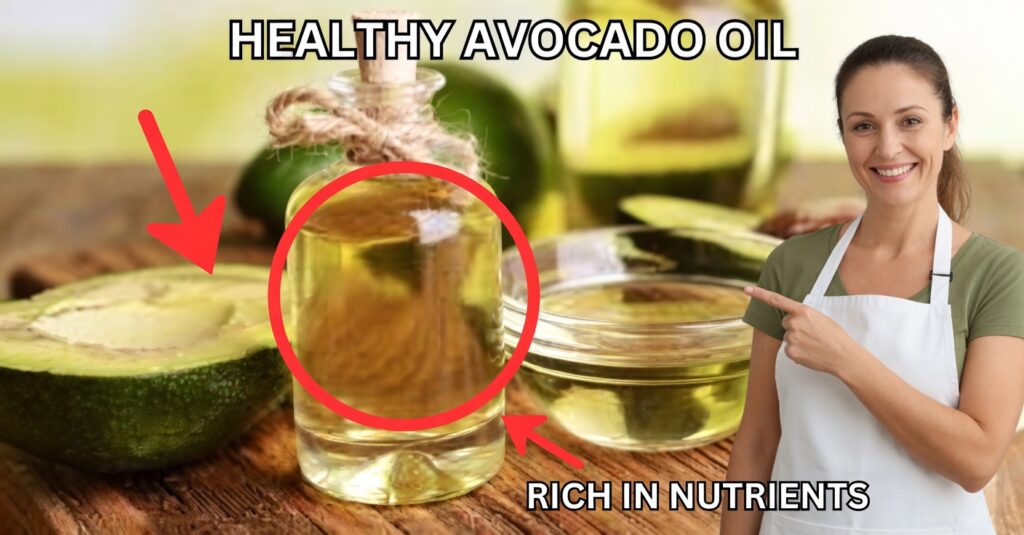
Homemade avocado oil is a powerful natural ally for wellness, both inside and out. Packed with vitamins A, D, and E, antioxidants, and healthy fats, this oil is perfect for skin care, hair treatments, and even cooking. Making avocado oil at home is easier than it looks, and the best part is that it’s free from synthetic chemicals and preservatives.
In this guide, you’ll learn step by step how to make avocado oil at home, its main benefits, and practical ways to use it every day.
Benefits of Avocado Oil
Before getting into the methods, it helps to understand why homemade avocado oil is worth adding to your routine.
1. Deeply nourishes and repairs the skin
Thanks to its high vitamin E content, avocado oil:
- Provides intense hydration
- Helps fade dark spots and even out skin tone
- Soothes irritated or sensitive skin
- Supports elasticity and helps prevent premature aging
2. Strengthens hair and boosts shine
Used as a hair mask or treatment, avocado oil can:
- Restore moisture to dry, damaged, or chemically treated hair
- Reduce frizz and improve manageability
- Add natural shine
- Support healthy hair growth by nourishing the scalp
3. Provides healthy fats for your body
When used in food, avocado oil:
- Supplies heart-healthy monounsaturated fats, especially oleic acid
- Can support cardiovascular health when part of a balanced diet
- May aid digestion and help you feel satisfied longer
Ingredients and Tools You’ll Need
To make your own avocado oil, gather:
- 4 to 6 very ripe avocados (the riper, the better)
- A frying pan or baking tray
- A fine strainer or muslin/cheesecloth
- A dark glass bottle or jar with a lid for storage
Method 1: Heat-Extracted Avocado Oil
This is the quickest method and is ideal for using up ripe avocados you already have at home.
Step 1: Cut and mash the avocados
- Peel the avocados and remove the pits.
- Scoop out the flesh and mash it thoroughly with a fork or use a blender to form a smooth, even paste.
Step 2: Cook gently over low heat
- Place the avocado paste in a pan over low to medium-low heat.
- Stir frequently for about 45 minutes.
- The mixture will gradually darken to a deep brown color as the oil separates from the pulp.
Step 3: Strain out the oil
- Transfer the warm mixture to a fine strainer or muslin cloth.
- Press or squeeze to extract as much liquid as possible.
- The oil should have a rich, dark green hue.
Step 4: Store properly
- Pour the filtered oil into a dark glass bottle or jar.
- Keep it in a cool, dry place away from direct sunlight.
- Properly stored, it can last around 6–8 months.
Method 2: Cold-Pressed Style (No Heat)
If you prefer a more natural option without heat exposure, this slower method better preserves some nutrients and antioxidants.
Step 1: Mash and let ferment
- Puree the avocado flesh until smooth.
- Place the paste in a clean container and cover it (without sealing it airtight).
- Let it sit at room temperature for 2–3 days, until it begins to ferment lightly. The surface may darken and release some liquid.
Step 2: Press the oil
- Transfer the fermented pulp to a muslin or cheesecloth.
- Squeeze slowly and firmly to extract the oil.
- This can take a while, but it helps retain more of the oil’s natural properties.
Step 3: Store in a dark container
- Pour the extracted oil into a dark glass jar or bottle.
- Store as with the previous method, in a cool, dry, and dark place.
How to Use Homemade Avocado Oil
Here are some simple, effective ways to include avocado oil in your daily routine:
For the skin
- Apply a few drops to clean skin before bed as a night serum.
- Use it as a daily moisturizer for dry areas like elbows, knees, and hands.
- Mix a small amount with your usual face or body cream for extra nourishment.
For the hair
- Use as a hair mask: apply to lengths and ends, leave on for about 20 minutes, then shampoo as usual.
- Add a few drops to your conditioner to boost hydration.
- Massage a small amount into the scalp to nourish the roots (rinse if your hair gets oily easily).
In the kitchen
- Drizzle over salads, grain bowls, or roasted vegetables.
- Use for light sautéing at medium heat.
- Substitute for butter or other oils in some recipes to add healthy fats.
Final Tips for Best Results
- Choose avocados that are very ripe but not moldy or rotten.
- Avoid plastic containers for storage; glass—especially dark glass—is best.
- If the oil develops a strong off smell, a very unusual color, or visible mold, discard it.
Recommended Articles
- How to Make Bay Leaf Oil
- Natural Ingredients for Inflammation and High Blood Pressure
Conclusion
Making avocado oil at home is a simple, cost-effective way to tap into the many benefits of this nutrient-dense fruit. Whether you want to enhance your skincare routine, deeply nourish your hair, or add a healthy fat source to your meals, homemade avocado oil is a versatile, natural, and powerful option.