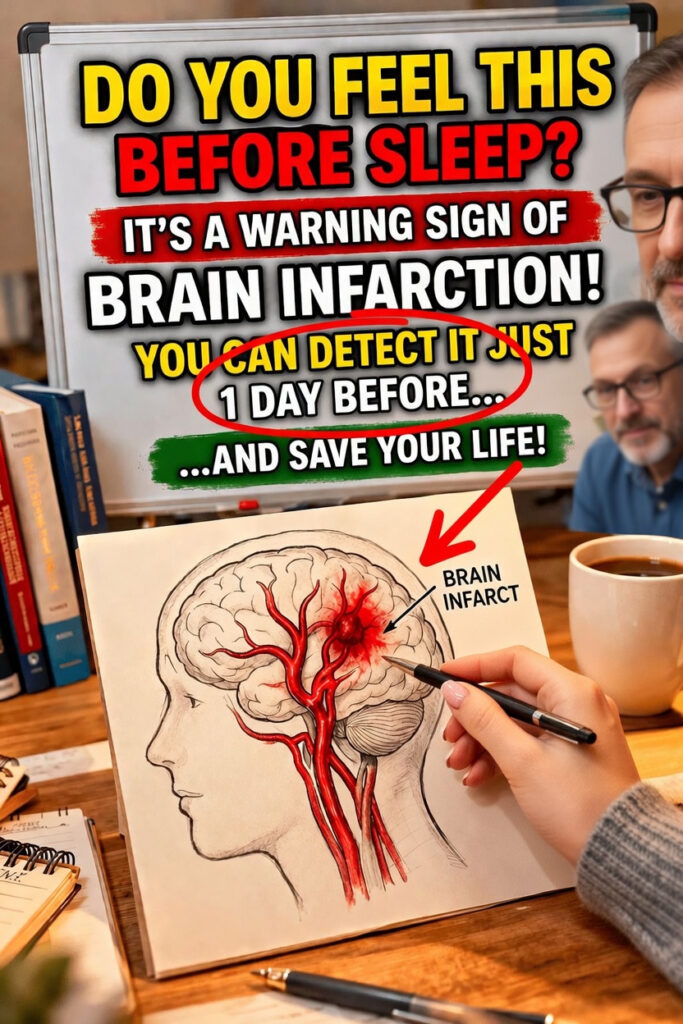
Could a Strange Feeling Upon Waking Be a Stroke Warning Sign?
Have you ever opened your eyes in the morning and felt that something was not quite right—maybe a sense of heaviness, numbness, or a slight unevenness you assumed came from sleeping in a bad position? Many people dismiss these experiences. However, stroke is still one of the world’s leading causes of long-term disability, and its earliest signs are not always dramatic.
A major danger is that subtle symptoms, especially those noticed at night or first thing in the morning, are often ignored. Yet medical organizations such as the American Stroke Association and Mayo Clinic stress that recognizing possible warning signs early can be critical. One often-overlooked nighttime symptom may provide an important chance to take action before a more serious event occurs.
What a Stroke Is and Why Early Recognition Is So Important
A stroke happens when blood supply to part of the brain is disrupted. This may be caused by a blockage or by bleeding. According to the CDC, ischemic stroke—the type caused by a blocked vessel—makes up roughly 87% of all stroke cases.
Although strokes usually appear suddenly, warning signs can sometimes happen earlier. In some people, a transient ischemic attack, or TIA, develops hours or even days before a major stroke. TIAs are often called “mini-strokes.”
A TIA can produce symptoms similar to a full stroke, but those symptoms usually fade within minutes or hours and do not leave lasting damage. Even so, they should never be ignored. Research published in journals such as Neurology suggests that as many as 43% of people may have a TIA within the week before a major stroke. That is why awareness matters so much—especially during the night, when symptoms may begin during sleep or become noticeable as soon as you wake.
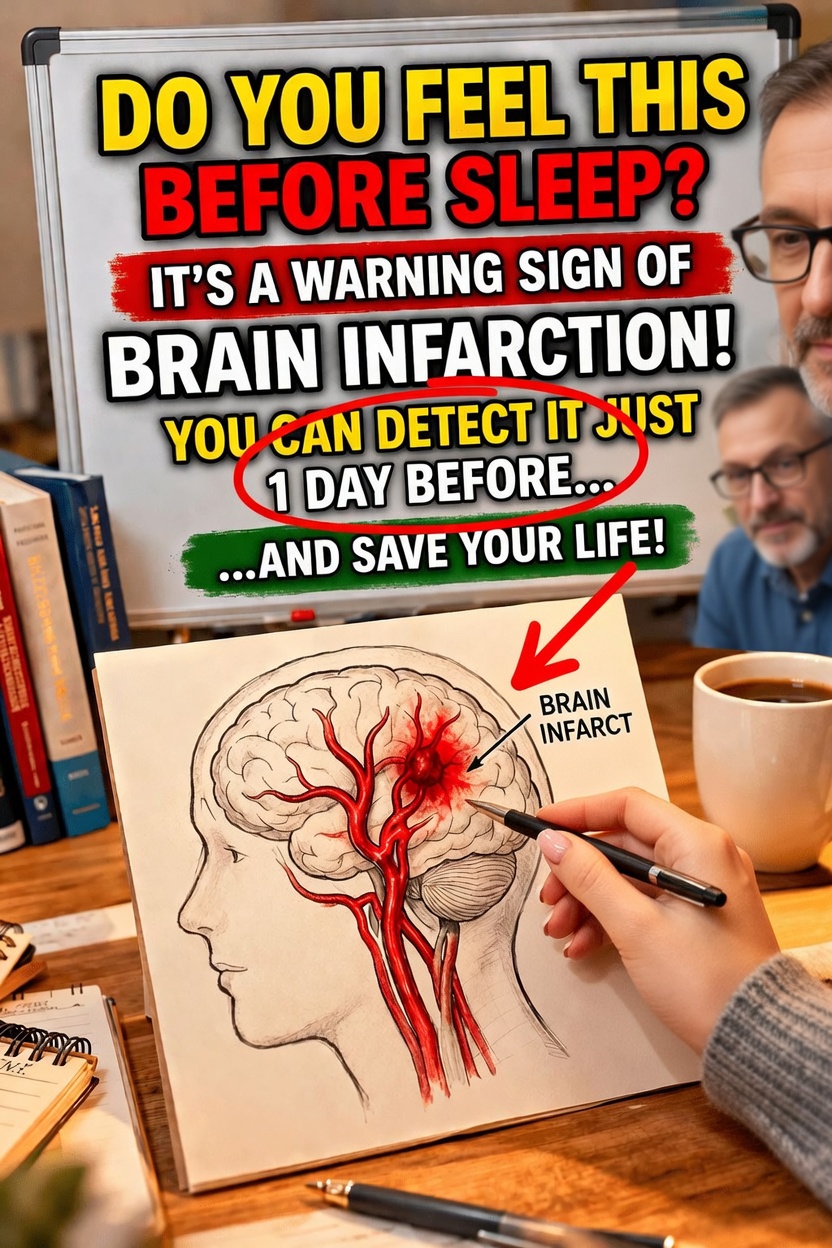
The Nighttime Sign Many People Overlook
One warning pattern that deserves more attention is waking up with neurological changes that were not present before sleep. These “wake-up” strokes or TIA-like episodes account for about 14% of ischemic strokes, based on findings from the American Academy of Neurology.
Possible signs include:
- A drooping face or uneven facial sensation when looking in the mirror
- Numbness or weakness, especially on one side of the body
- Trouble speaking clearly
- Difficulty understanding speech
In many cases, the first clue is not severe pain or dramatic collapse. Instead, it may be a strange sense of imbalance, heaviness, or asymmetry noticed immediately after waking. Because this can feel mild, people often blame fatigue, poor sleep posture, or a stiff neck. Unfortunately, that delay can be dangerous. In some cases, these symptoms may reflect reduced blood flow to the brain that developed overnight.
Risk Factors That Make Nighttime Stroke Warnings More Concerning
Some health conditions increase the likelihood of stroke-related symptoms appearing at night or in the early morning. High blood pressure is one of the biggest concerns because it places constant stress on blood vessels.
Other major risk factors include:
- Atrial fibrillation, or irregular heartbeat
- Diabetes
- High cholesterol
- Smoking
- Obesity
- Obstructive sleep apnea
Sleep apnea is especially important because it repeatedly lowers oxygen levels during sleep. This ongoing strain can affect both the brain and the heart, increasing stroke risk. If you snore loudly, wake up gasping, or still feel exhausted after a full night in bed, sleep apnea may be contributing to the problem.
Normal Morning Discomfort vs. Potential Stroke Symptoms
Not every unusual feeling after sleep is a medical emergency, but knowing the difference can help you respond appropriately.
Experiences that are often harmless
- Mild stiffness caused by sleeping in one position
- Temporary grogginess that clears as you wake up
- Brief numbness that improves quickly with movement
Signs that may be more serious
- Weakness or numbness on only one side that does not go away
- Facial drooping or a clearly uneven smile
- Slurred speech or confusion that continues after waking
- Difficulty lifting one arm normally
Recognizing the difference early can make a major difference in outcomes.
Practical Ways to Reduce Stroke Risk Starting Tonight
While no one can eliminate every risk, consistent daily habits can significantly support brain and vascular health. These steps are simple but powerful:
-
Check your blood pressure regularly
Try to keep it below 120/80 mmHg when possible. A home monitor can help you track changes over time. -
Improve sleep quality
Aim for 7 to 9 hours of sleep each night. Keep your bedroom cool, dark, and quiet, and avoid screens before bed. -
Stay physically active
Even 30 minutes of walking a day can improve circulation and reduce strain on blood vessels. -
Choose heart- and brain-healthy foods
Focus on fruits, vegetables, whole grains, fish, nuts, and other healthy fats. -
Reduce stress
Deep breathing, meditation, and other relaxation methods may help stabilize blood pressure. -
Know your health numbers
Regular checkups for cholesterol, blood sugar, and heart rhythm can reveal hidden risks early.
Use the F.A.S.T. Method if Symptoms Appear
If you notice unusual symptoms during the night or first thing in the morning, use the F.A.S.T. stroke test recommended by the American Stroke Association:
- Face: Does one side droop when the person smiles?
- Arms: Can both arms be raised evenly, or does one drift downward?
- Speech: Is speech slurred, strange, or hard to understand?
- Time: If any of these signs are present, call emergency services right away.
Fast treatment can greatly improve the chances of effective care and recovery.
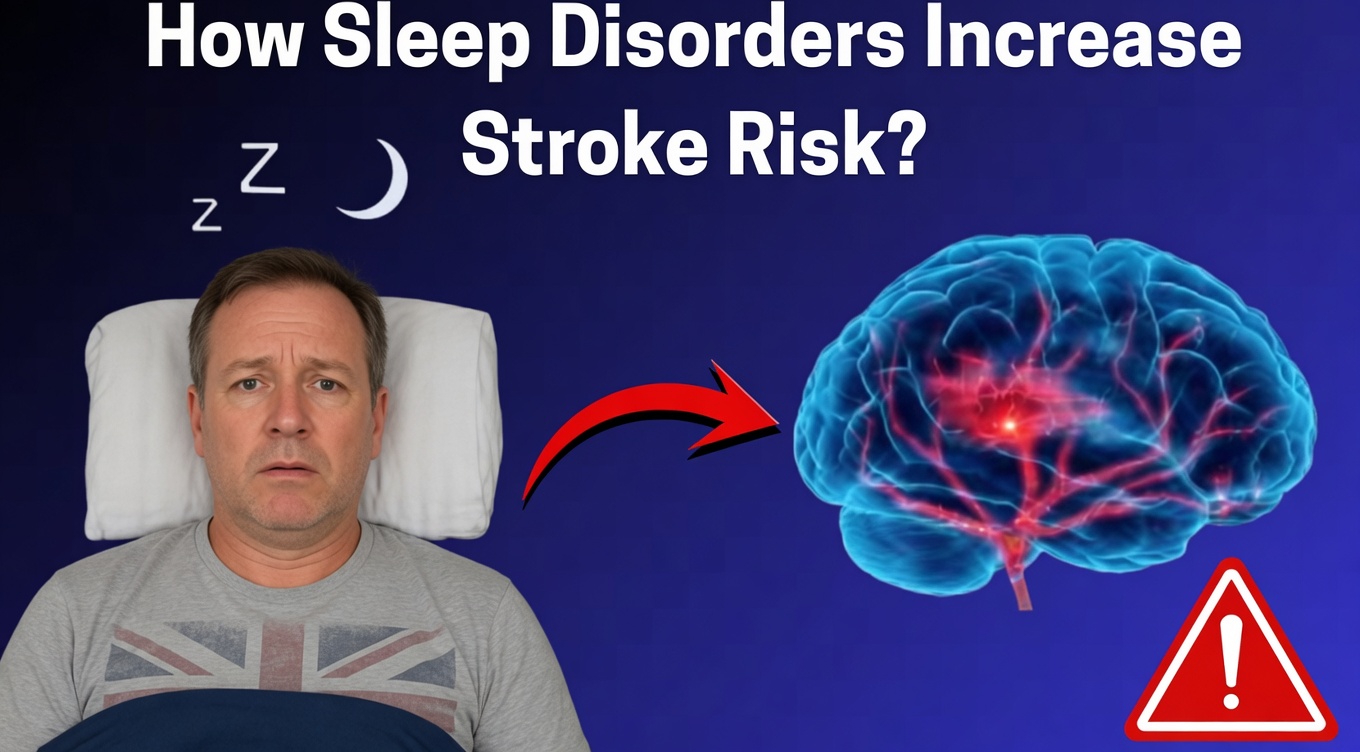
What Research Says About Stroke Prevention
Scientific evidence consistently shows that prevention matters. Long-term studies indicate that controlling high blood pressure can lower stroke risk by up to 40%. Managing sleep apnea—through CPAP therapy or lifestyle changes—may also reduce the likelihood of stroke-related events.
No single habit can guarantee prevention. Still, combining healthy sleep, blood pressure control, regular activity, and medical follow-up creates a much stronger defense.
Final Thoughts
Paying attention to how you feel before sleep and when you wake up can reveal important signals about your brain health. A small change that seems easy to dismiss—especially one-sided weakness, heaviness, or facial asymmetry—may deserve urgent attention.
By understanding stroke warning signs, managing personal risk factors, and responding quickly to unusual symptoms, you give yourself the best chance of avoiding severe outcomes. Small daily decisions can lead to meaningful long-term protection.
Frequently Asked Questions
What should I do if I wake up with weakness on one side?
Get emergency medical help immediately. Call emergency services without waiting, even if the symptom fades. It may be a TIA, and that still requires urgent medical evaluation.
Can poor sleep by itself cause a stroke?
Poor sleep does not directly cause a stroke on its own, but it can worsen important risk factors such as high blood pressure and cardiovascular strain. Better sleep supports healthier blood vessels and overall brain health.
Are wake-up strokes different from strokes that happen during the day?
The brain injury itself is similar, but wake-up strokes can make treatment timing harder to determine. That is one reason any sudden change noticed after waking should be taken seriously.