Dark Spots on Your Hands? The “Natural” Method Everyone Talks About—And What You Should Know First
As time passes, it’s normal for your skin to change—especially on the hands and arms, which are constantly exposed to sunlight. Dark spots, fine lines, and a more aged look can appear even if you take good care of your skin. That can feel discouraging, particularly when the way you look doesn’t match how youthful you feel inside.
But what if there were a quick, simple fix using ingredients already in your kitchen? A viral DIY blend has been circulating online, claiming to leave skin brighter and more even-looking. Does it actually work? And more importantly—should you try it? Read to the end before putting anything new on your skin.
What Is the Viral Mixture?
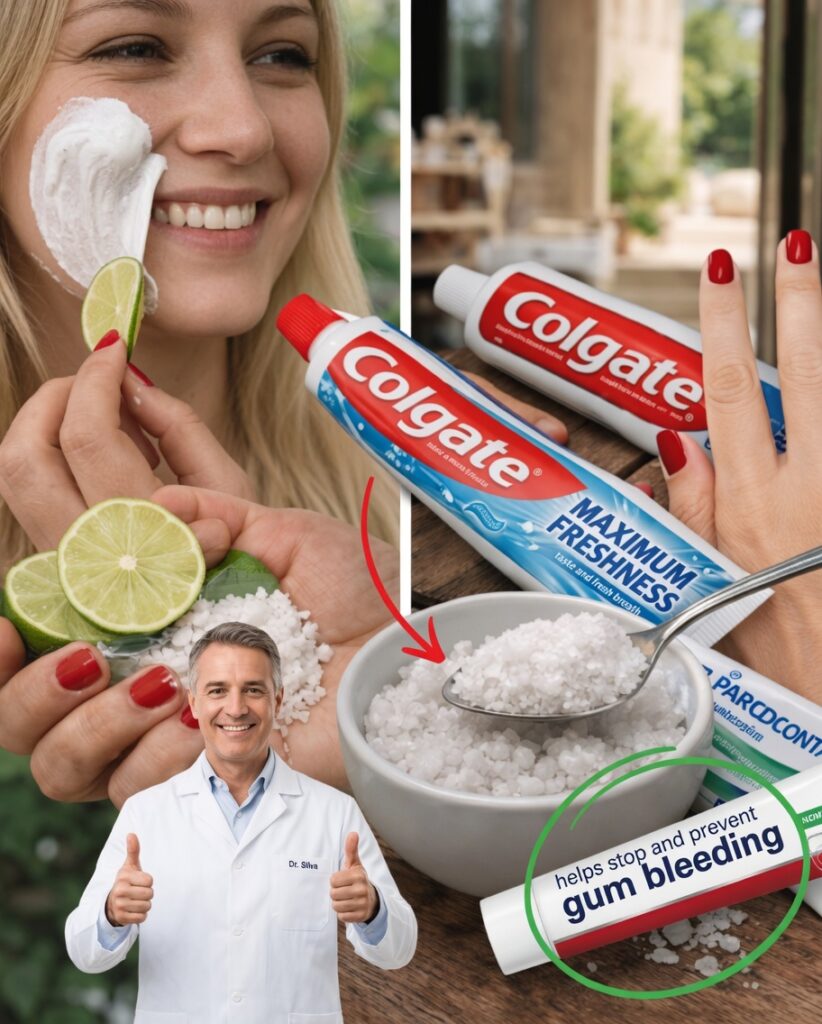
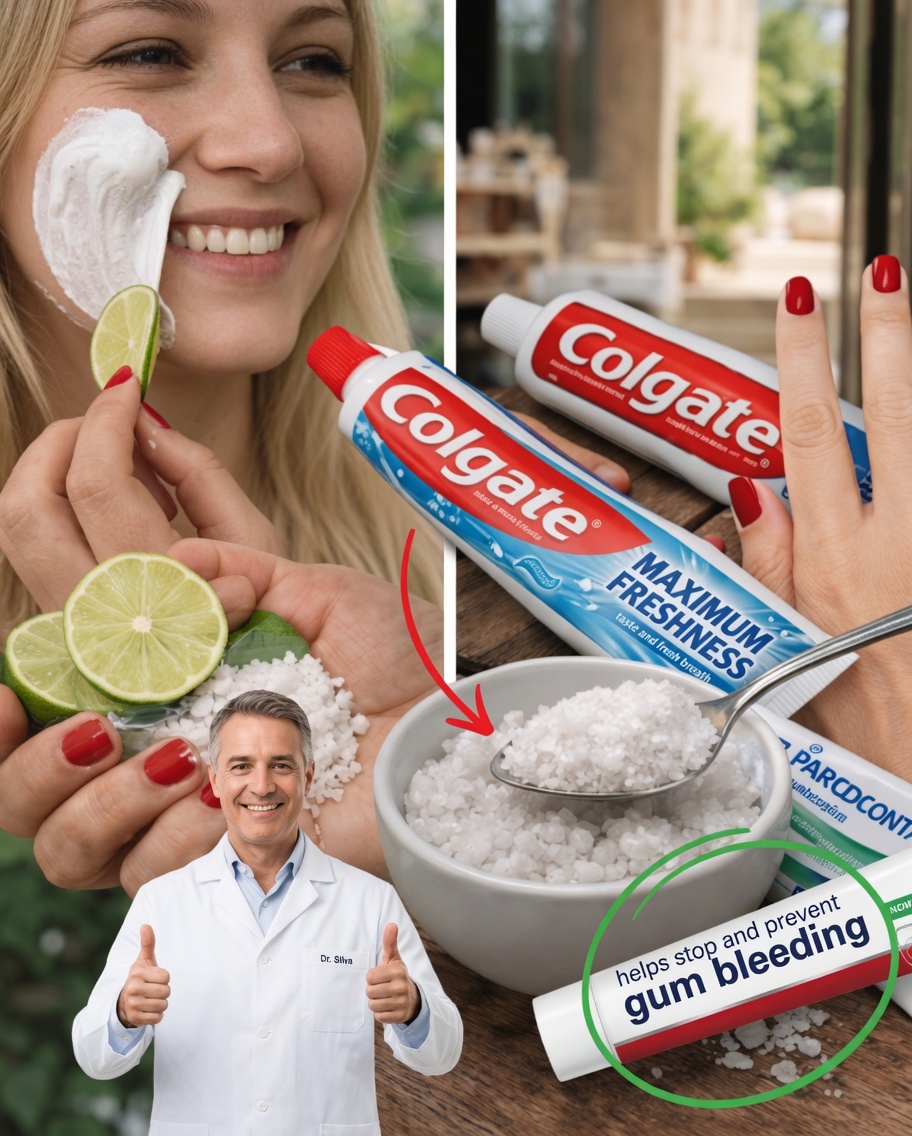
You’ve likely seen it on social media: a homemade mix of toothpaste, fresh lemon juice, and a pinch of salt. The idea is straightforward—use it as a DIY exfoliating scrub to remove dead skin cells and “lighten” darker areas.
Supporters say:
- Lemon, with its natural acidity, helps brighten the skin’s appearance
- Salt provides a physical exfoliation effect
- Toothpaste is added as a “cleansing” component
Many people even post dramatic “before and after” photos, claiming their hands look noticeably younger after only a few uses. It’s easy to see why the trend spread: the ingredients are cheap, accessible, and the results are promised fast.
But Is It Actually Safe?
This is the most important part: skin professionals frequently warn that this mixture can do more harm than good.
Why toothpaste can be problematic on skin
Toothpaste is formulated for teeth, not for the delicate barrier on your hands. It may contain ingredients such as:
- Fluoride
- Menthol
- Baking soda
- Other strong cleansing agents
These can lead to irritation, dryness, and disruption of the skin’s natural protective barrier.
Lemon + sun exposure can backfire
Although lemon is popular in DIY skincare, it can make skin much more sensitive to sunlight. This may increase the risk of developing darker, more stubborn pigmentation over time—the opposite of what you want.
Salt can be too harsh if used often
While salt can exfoliate, frequent or vigorous scrubbing may cause micro-irritation and weaken the skin barrier, leaving hands rougher and more reactive.
In other words, any initial “smooth” feeling can be temporary—and may come with real risks.
Safer, More Effective Ways to Brighten the Hands
If your goal is more even-toned, healthier-looking hands, there are simple, well-supported options that work better long term:
- Apply broad-spectrum sunscreen daily (SPF 30+) on your hands—even on cloudy days
- Moisturize consistently with formulas containing hyaluronic acid or glycerin
- Add vitamin C, which can help improve the look of uneven tone and dullness
- Try niacinamide, known for calming skin and improving texture
- Consider retinol at night to support skin renewal (ideally with proper guidance)
A Simple At-Home Hand Care Routine
If you want to start today, follow this gentle routine:
- Wash hands using a mild, fragrance-light cleanser
- In the morning, apply a hand cream with SPF (or layer sunscreen over moisturizer)
- At night, use a nourishing hand cream and massage for about 1 minute
- Once or twice weekly, use a gentle exfoliant made for sensitive skin (not harsh scrubs)
- Always finish with hydration to protect the skin barrier
Consistency matters most. Within a few weeks, many people notice improvements in texture and overall appearance.
Habits That Can Boost Your Results
Skincare isn’t only topical—your daily habits also affect how your skin looks:
- Eat more antioxidant-rich foods (fruits, vegetables, nuts)
- Drink enough water throughout the day
- Avoid smoking, which accelerates visible skin aging
Final Thoughts
Taking care of your hands doesn’t need to be complicated—or risky. While viral home remedies can be tempting, the safest approach is usually the simplest: sun protection, steady moisturizing, and gentle, proven ingredients.
Everyone’s skin is different, and the best results come from consistent, skin-friendly habits.
Disclaimer: This content is for informational purposes only. Consult a dermatologist before trying any new routine, especially if you have sensitive skin.