
A Gentle Morning Habit: Why Mulberry Leaf Tea Is Gaining New Attention
Many people begin to notice a dip in energy later in the day or occasional digestive discomfort after meals as they get older. Daily stress, food choices, and normal shifts in the body can all make it harder to feel steady and comfortable from morning to evening. That is one reason simple, soothing routines are becoming more appealing.
In many Asian homes, mulberry leaf tea has long been enjoyed as part of everyday life. A warm cup in the morning is often seen as a calming way to start the day. What makes this traditional drink especially relevant now is that modern research is beginning to examine how the natural compounds in mulberry leaves may support daily wellness.
If you are looking for an easy habit to add to your morning, mulberry leaf tea may be worth exploring.

What Is Mulberry Leaf Tea?
Mulberry leaf tea is made from the dried leaves of the mulberry tree, most commonly Morus alba. In Japan, it is often known as kuwacha, while in traditional Chinese use it may be called sangye tea. For generations, people in China, Japan, Korea, and other parts of Asia have dried these leaves and brewed them into a mild herbal tea.
Historically, it was consumed as part of a balanced lifestyle rather than treated as a medicine. Its popularity comes not only from tradition, but also from its gentle flavor and simplicity.
The leaves contain several naturally occurring plant compounds, including:
- Flavonoids
- Phenolic acids
- 1-deoxynojirimycin (DNJ), a unique iminosugar that has drawn growing scientific interest
It is important to note that mulberry leaf tea is quite different from mulberry fruit. While the berries are sweet and widely recognized, the leaves have a more subtle taste. Fresh leaves can be slightly bitter, but once dried and steeped, they usually produce a smooth, mild cup.
Why Researchers Are Interested in Mulberry Leaves
One of the most studied compounds in mulberry leaves is DNJ. Research suggests that it may help slow the digestion of certain carbohydrates. In practical terms, this could contribute to a more gradual rise in blood sugar after eating rather than a sharp spike.
Other plant compounds in the leaves, especially antioxidants such as flavonoids, have also attracted attention. These substances are often studied for their role in helping the body respond to oxidative stress. Some researchers have also looked at whether mulberry leaf tea may gently support digestion and reduce occasional feelings of heaviness or bloating after meals.
There is also early interest in how these compounds may relate to circulation and overall physical comfort, although findings are still mixed and further studies are needed.
Main areas of study include:
- Support for healthy post-meal blood sugar responses
- Help with digestive ease and reduced bloating sensations
- General antioxidant support for overall wellness
Most of the current evidence comes from a combination of laboratory studies, animal research, and human trials. While the results are promising, scientists continue to emphasize that more research is needed before drawing firm conclusions for everyday use.
How Mulberry Leaf Tea Can Fit Into a Morning Routine
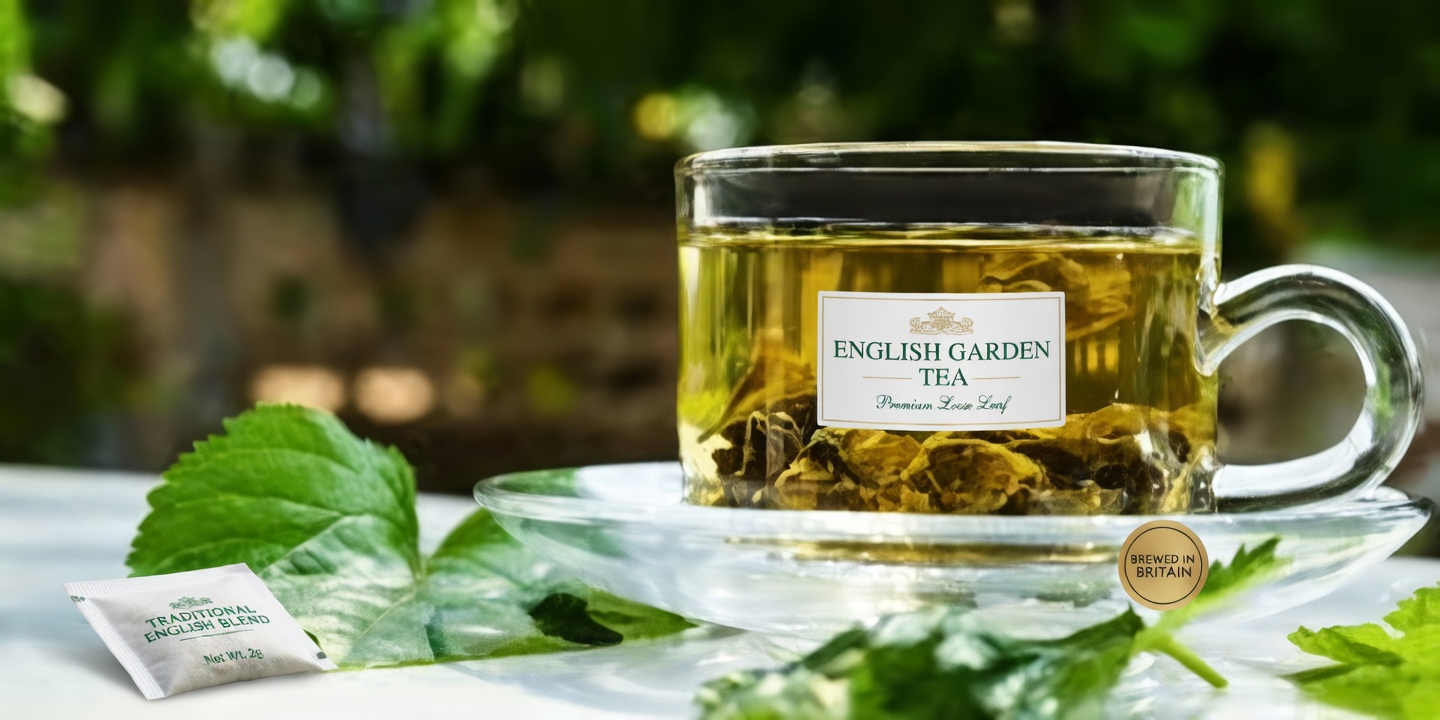
A warm cup of herbal tea in the morning can create a calm and grounding start to the day. For many people, the ritual itself becomes valuable: heating the water, waiting for the tea to steep, and taking a few quiet moments before the day becomes busy.
This is one reason mulberry leaf tea has remained popular for so long. It is simple, caffeine-free, and easy to include in a morning routine.
Some placebo-controlled studies have observed that mulberry leaf extracts containing DNJ may help moderate blood sugar rises after carbohydrate-rich meals. In one study with adults, researchers reported noticeable differences in glucose and insulin responses over a two-hour period compared with a placebo.
Other research has explored longer-term use. In some participants, regular intake over a period of weeks was associated with modest improvements in fasting glucose markers. Even so, these findings should be seen as one part of a broader wellness strategy, not a replacement for healthy eating, movement, or medical care.
In traditional practice, mulberry leaf tea is often paired with other healthy habits such as light exercise and balanced meals. Today, researchers are also exploring whether its antioxidant compounds may indirectly support vascular health, although clinical evidence is still developing.
How to Make Mulberry Leaf Tea at Home
Preparing mulberry leaf tea is easy and takes only a few minutes.
Simple brewing method
- Choose dried mulberry leaves from a trusted source.
- Use 1 to 2 teaspoons of dried leaves for each cup of water.
- Bring fresh water to a boil, then allow it to cool slightly to about 90°C, just under a full boil.
- Steep the leaves for 5 to 10 minutes, depending on how strong you want the tea.
- Strain and drink warm, ideally in the morning before or alongside breakfast.
For a little extra flavor, you can add:
- A slice of lemon
- A few fresh mint leaves
Some people also make a larger batch in the morning and enjoy it throughout the day, either warm or at room temperature.
Tips for the best experience
- Start with one cup per day and see how your body responds
- Store dried leaves in an airtight container away from heat and sunlight
- Pair the tea with healthy habits such as walking after meals or eating more fiber-rich foods

Potential Benefits for Everyday Wellness
Many people value mulberry leaf tea not only for its history, but for the steady routine it creates. Beyond that, some studies suggest it may offer supportive benefits in several areas.
1. Blood sugar support
Multiple human studies have found that mulberry leaf preparations may help reduce the glycemic effect of certain meals. In one dose-ranging study, participants experienced a smaller rise in blood glucose after eating starchy foods.
2. Digestive comfort
Some people in clinical trials reported fewer sensations of bloating or heaviness. This may be linked to slower carbohydrate digestion in the gut, although experiences can vary from person to person.
3. Circulation and vitality
Traditional Asian wellness systems often associate mulberry leaf tea with better flow and a greater sense of balance in the body. Modern research is now exploring whether antioxidant activity in the leaves could indirectly support vascular wellness.
As with any habit, results are influenced by factors such as age, diet, physical activity, and overall health. Mulberry leaf tea is best viewed as a supportive addition to a healthy lifestyle rather than a quick solution.
Mulberry Leaf Tea Compared With Other Morning Drinks
If you are deciding what to drink in the morning, here is how mulberry leaf tea compares with other common options:
- Coffee: Often provides a fast energy boost, but may lead to jitters or stomach irritation in some people
- Green tea: Contains antioxidants and a small amount of caffeine
- Mulberry leaf tea: Naturally caffeine-free, mild in taste, and being studied for possible metabolic support
Many people appreciate mulberry leaf tea because it offers a calm start to the day without the overstimulation or afternoon crash sometimes linked to caffeinated drinks.
Who May Want to Try It?
This tea may appeal to adults who want a natural, traditional, and caffeine-free addition to their morning routine. It is especially popular among people interested in Asian wellness traditions or those seeking gentle ways to support daily balance.
However, it is not suitable for everyone without caution.
Speak with a healthcare professional first if you:
- Take medication for blood sugar control
- Are pregnant or breastfeeding
- Are considering giving herbal teas to young children
Because mulberry leaf tea may affect glucose responses, professional guidance is important for anyone managing a medical condition or using prescription medication.
Common Questions About Mulberry Leaf Tea
How much mulberry leaf tea should I drink each day?
Many people begin with 1 to 3 cups daily, often starting in the morning. The right amount depends on individual response. Research studies have used different quantities, often equal to several grams of dried leaves.
What does mulberry leaf tea taste like?
Mulberry leaf tea usually has a light, earthy, slightly grassy flavor. When properly dried and brewed, it is often less bitter than many other herbal teas. Many people find it refreshing, smooth, and easy to drink.
Final Thoughts
Mulberry leaf tea is a simple traditional drink with a long history in Asia and growing interest in modern wellness research. Its mild flavor, caffeine-free nature, and easy preparation make it a practical addition to a morning routine. While studies suggest it may support blood sugar balance, digestive comfort, and antioxidant activity, it works best as part of a healthy overall lifestyle.
For those looking for a calm and natural way to begin the day, this centuries-old tea may be a habit worth trying.