
A Simple Kitchen Tonic Many People Over 50 Are Exploring
As the years go by, many people in their 50s and beyond start to notice concerns like stiffer arteries, creeping cholesterol levels, and slower circulation. These changes can show up as lower energy, discomfort during walks or exercise, and a growing interest in daily habits that might support healthier blood flow and overall cardiovascular wellness.
No single home remedy can “clean” arteries overnight, and any dramatic claims should be viewed with caution. However, certain everyday ingredients do have research behind them for supporting healthier cholesterol balance, easing inflammation, and promoting better vascular function when used consistently as part of a balanced lifestyle.
One popular example is a homemade mixture that combines garlic, ginger, lemon, and often apple cider vinegar and honey. It has gained a lot of attention online as a potential cardiovascular-supportive tonic. Below, you’ll find what current evidence suggests and how you might use it safely as a complementary habit.

Why This Tonic Is Linked to Cardiovascular Support
Over time, arteries can accumulate plaque due to factors such as oxidized LDL cholesterol, chronic low-grade inflammation, and oxidative stress. This process may gradually affect circulation and heart health. Medical evaluation and treatment remain the cornerstone for any significant cardiovascular issue—but nutrition and lifestyle can provide valuable support alongside professional care.
Research has highlighted that compounds found in everyday foods may offer modest benefits:
- Garlic, particularly when crushed, produces allicin, which has been associated in some trials with lower cholesterol and reduced inflammation.
- Ginger contains gingerols that may aid circulation and encourage relaxation of blood vessels.
- Lemon is rich in vitamin C and flavonoids, which can help protect against oxidative damage.
- Apple cider vinegar contributes acetic acid, and
- Honey adds antioxidants, flavor, and mild preservative properties.
Together, these components form the basis of many “garlic-ginger-lemon” tonics discussed online.
It is important to keep expectations realistic: existing evidence is supportive but not definitive. Study sizes are often small, and results differ from person to person. Healthcare professionals generally emphasize overall dietary patterns, exercise, and medical management rather than relying on a single home-made mixture.
Potential Benefits Suggested by Research
When used regularly as part of a healthy lifestyle, this combination of ingredients may offer gradual, complementary support:
-
Lipid (cholesterol) support
Certain studies suggest these ingredients can contribute to lower total cholesterol, LDL (“bad”) cholesterol, and triglycerides, while helping maintain or modestly improve HDL (“good”) cholesterol. -
Blood pressure support
Some trials show slight reductions in both systolic and diastolic blood pressure, particularly with garlic-based preparations. -
Less inflammation and oxidative stress
Antioxidant and anti-inflammatory compounds in garlic, ginger, lemon, and honey may help counter processes that put strain on blood vessels. -
Better circulation and vessel relaxation
Gingerols and related compounds may support vasodilation (widening of blood vessels), contributing to improved blood flow.
One randomized clinical trial noted that a combination of garlic and lemon juice improved lipid levels, fibrinogen (a clot-related factor), and blood pressure in people with moderate hyperlipidemia. Animal studies on similar blends suggest cholesterol-lowering effects as well.
Reviews of the scientific literature have also discussed:
- Garlic’s role in mild hypertension and cholesterol management,
- Ginger’s potential cardiovascular benefits, and
- Lemon’s protective flavonoids that may guard LDL from oxidation.
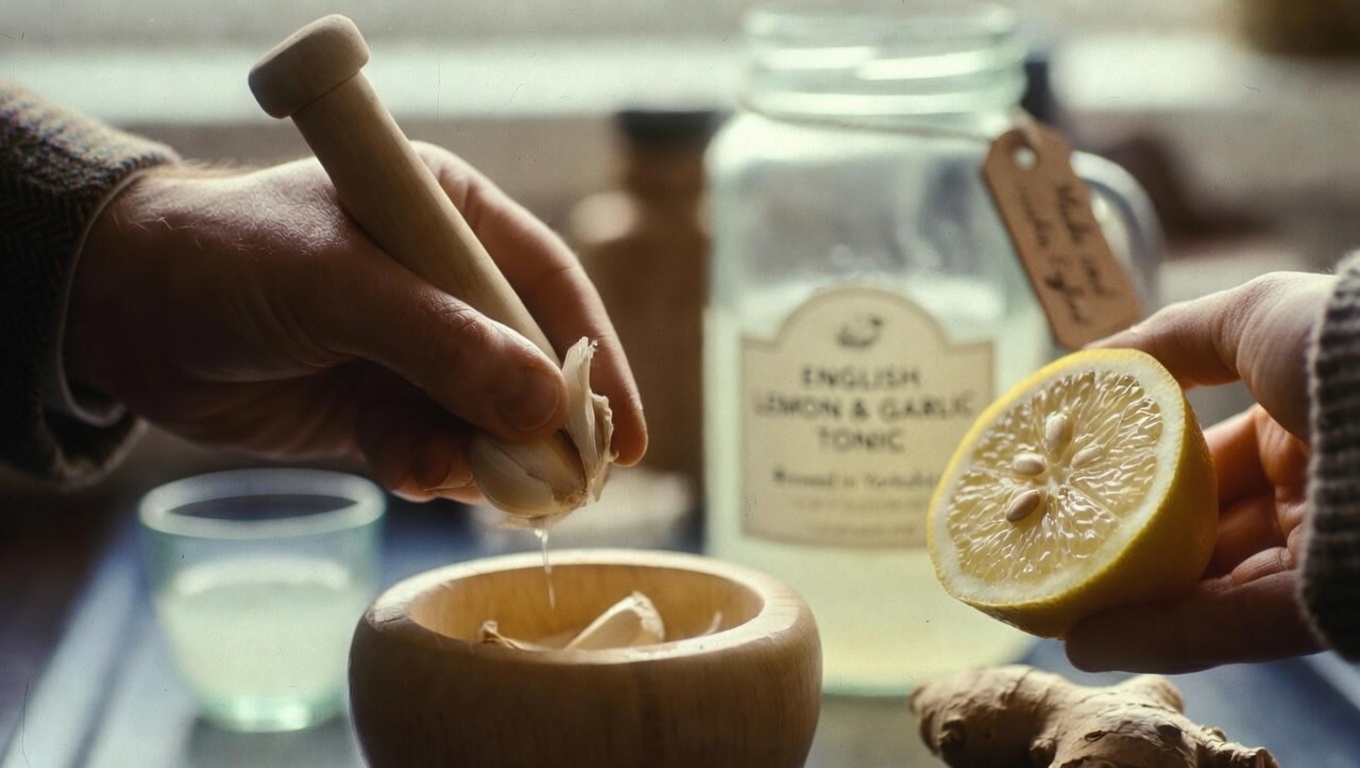
Key Ingredients at a Glance
Below is a simplified overview of the main components often used in this tonic and how they may support cardiovascular health:
| Ingredient | Key Compound(s) | Potential Cardiovascular Support | Notes from Studies |
|---|---|---|---|
| Garlic | Allicin (released when crushed) | May help lower LDL, reduce inflammation, support anti-clotting | Effects are modest; fresh, crushed garlic is best |
| Ginger | Gingerols | Supports vasodilation, circulation, and has anti-inflammatory actions | May aid relaxation of blood vessel walls |
| Lemon | Vitamin C, flavonoids | Antioxidant protection, may reduce oxidative damage to lipids | Often discussed for reducing LDL oxidation |
| Apple cider vinegar (optional) | Acetic acid | May offer minor support for lipid and glucose balance | Linked to small improvements in cholesterol in some studies |
| Honey | Natural sugars, antioxidants | Enhances taste, provides mild antimicrobial and antioxidant effects | Raw honey often chosen for higher antioxidant content |
The idea is that these ingredients may work in synergy, offering gentle, heart-friendly support when combined with an overall healthy diet and lifestyle.
How to Prepare the Homemade Garlic–Ginger–Lemon Tonic
This recipe produces a concentrated mixture that you can take in small daily servings. Many people refer to it as a “garlic-ginger-lemon elixir.” The quantities below yield roughly 20–30 servings, depending on your dose.
Ingredients
- 1 cup fresh lemon juice (from about 6–8 lemons)
- 1 cup garlic puree (from 2–3 heads, roughly 30–40 cloves)
- 1 cup fresh ginger juice (from about 200–300 g fresh ginger)
- 1 cup apple cider vinegar (optional, unfiltered/raw if available)
- 2 cups raw honey
Step-by-Step Instructions
-
Prepare the garlic
- Peel the garlic cloves.
- Crush or finely blend them and let sit for about 10 minutes to allow allicin to form.
-
Prepare the ginger
- Peel and chop the ginger root.
- Blend with a little water or juice in a blender, then strain through a fine sieve or cheesecloth if you prefer a smoother liquid. Alternatively, use a juicer.
-
Juice the lemons
- Squeeze enough fresh lemons to obtain 1 cup of juice, straining out seeds and excess pulp if desired.
-
Combine and gently heat
- In a saucepan, mix the lemon juice, garlic puree, ginger juice, and apple cider vinegar (if using).
- Heat over medium-low for about 20–30 minutes, stirring occasionally. Avoid a rolling boil to help preserve sensitive compounds.
-
Cool and add honey
- Remove from heat and let the mixture cool completely.
- Stir in the honey until fully dissolved and the mixture is uniform.
-
Store safely
- Transfer to a clean, airtight glass jar.
- Refrigerate. When properly stored, it typically keeps for about 1–2 months.
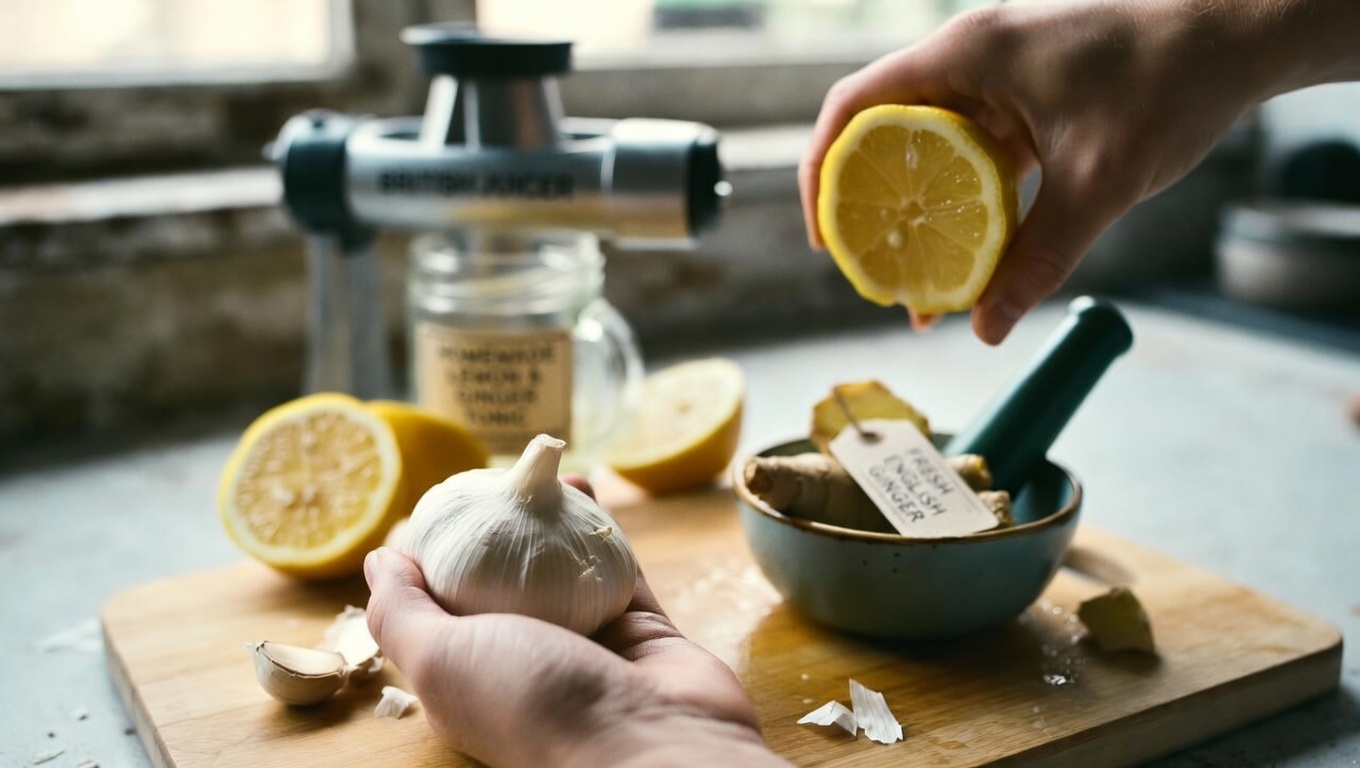
How to Use the Tonic in Your Daily Routine
Because this blend is quite strong, it’s best to introduce it gradually and pay attention to your body’s response.
-
Start gently
- Begin with about 1 teaspoon mixed into warm (not boiling) water to test your tolerance.
- Garlic and ginger can feel hot or intense for some people’s stomach.
-
Increase gradually
- If tolerated, build up to 1 tablespoon, 2–3 times daily.
- Many people prefer taking it on an empty stomach (for example, 20–30 minutes before meals).
-
As a warm drink
- Dilute 1–2 tablespoons in a cup of warm water for a soothing drink, especially in the morning or evening.
The mild heating during preparation tends to mellow the flavor and may improve texture and shelf life, while still retaining many helpful compounds.
Practical Tips to Get the Most Out of It
To integrate this tonic into a heart-conscious lifestyle:
-
Choose quality ingredients
Opt for fresh garlic, firm ginger, and unwaxed lemons; organic options are ideal when possible. -
Maximize garlic’s active compounds
Always crush or finely chop the garlic and let it rest for around 10 minutes before heating or mixing. This pause helps maximize allicin formation. -
Combine with heart-healthy habits
- Emphasize a Mediterranean-style eating pattern rich in vegetables, fruits, whole grains, legumes, nuts, olive oil, and fatty fish.
- Engage in regular physical activity suitable for your condition.
- Manage stress through techniques like breathing exercises, meditation, or gentle yoga.
- Aim for consistent, restorative sleep.
-
Stay well hydrated
Good hydration supports healthy circulation and overall metabolic function. -
Monitor your own response
Consider tracking how you feel—energy, digestion, and, with your doctor’s guidance, periodic checks of cholesterol and blood pressure.
Start with small amounts and increase slowly to reduce the risk of digestive upset. Some people describe more stable energy and improved digestion after several weeks of consistent use alongside healthier lifestyle changes.
Safety and Precautions
Although this tonic uses common kitchen ingredients, it is still biologically active and may not be suitable for everyone.
- Talk to your doctor first if you:
- Take blood thinners (such as warfarin), antiplatelet drugs, or aspirin
- Use blood pressure or cholesterol medications
- Have bleeding disorders or upcoming surgery
- Have acid reflux, GERD, or a sensitive stomach
- Have very low blood pressure
Garlic and ginger can have mild blood-thinning effects, and the acidity from lemon and vinegar may aggravate reflux in some individuals.
-
Pregnancy and breastfeeding
High intakes of garlic, ginger, or herbal-like preparations are generally not recommended during pregnancy without medical guidance. Always consult a healthcare professional before using this tonic if you are pregnant or breastfeeding. -
Watch for side effects
- Stop or reduce use if you experience significant heartburn, stomach pain, nausea, or allergic reactions.
- Adjust the dose or dilution if the mixture feels too strong.
This tonic should be viewed as a supportive, food-based habit—not a replacement for prescribed medications, medical procedures, or regular check-ups.
Conclusion: A Gentle Habit, Not a Miracle Cure
Adding a garlic–ginger–lemon tonic to your daily routine can be a simple way to consume compounds associated with healthier lipid profiles, reduced inflammation, and better vascular support. Its benefits are typically gradual and modest, and it works best as part of a broader strategy that includes balanced eating, movement, and appropriate medical care.
For many, the real value lies in turning this into a small daily ritual that supports a more intentional, heart-conscious lifestyle.
FAQ
-
How long does it take to notice any effect?
Experiences vary widely. Some people report subtle changes in energy or digestion within 2–4 weeks of regular use. Any measurable shifts in cholesterol or blood pressure, if they occur, are more likely to show up over several months and should always be evaluated in the context of overall lifestyle and medical care. -
Can I skip the heating step and keep everything completely raw?
Yes, you can make a raw version. Keeping the mixture unheated may preserve more heat-sensitive nutrients like vitamin C. However, gentle heating helps mellow the flavor and can improve texture and storage stability. Many people choose the lightly heated version because it is easier on the stomach and more pleasant to drink. -
Is this tonic safe for everyone?
No. While many people tolerate it well in moderate amounts, it can interact with medications (especially blood thinners and certain heart medications) and may not be suitable for those with specific medical conditions or sensitivities. Always check with a healthcare provider before starting this tonic, particularly if you have cardiovascular disease, low blood pressure, digestive issues, or take regular medication.
This information is for educational purposes only and is not a substitute for professional medical advice, diagnosis, or treatment. Always consult your healthcare provider before making changes to your diet, supplements, or health routine.