Cleanse Your Bowels Naturally with Dried Prunes
The old saying “death begins in the gut” underscores how strongly digestive health influences overall wellness. Your gut is responsible for absorbing nutrients, removing waste, and supporting a strong immune system. One simple, natural way to care for your digestion and gently cleanse your bowels is by adding dried prunes to your daily routine. Below, you’ll learn how dried prunes support gut health and how to use them effectively.
Why Choose Dried Prunes?
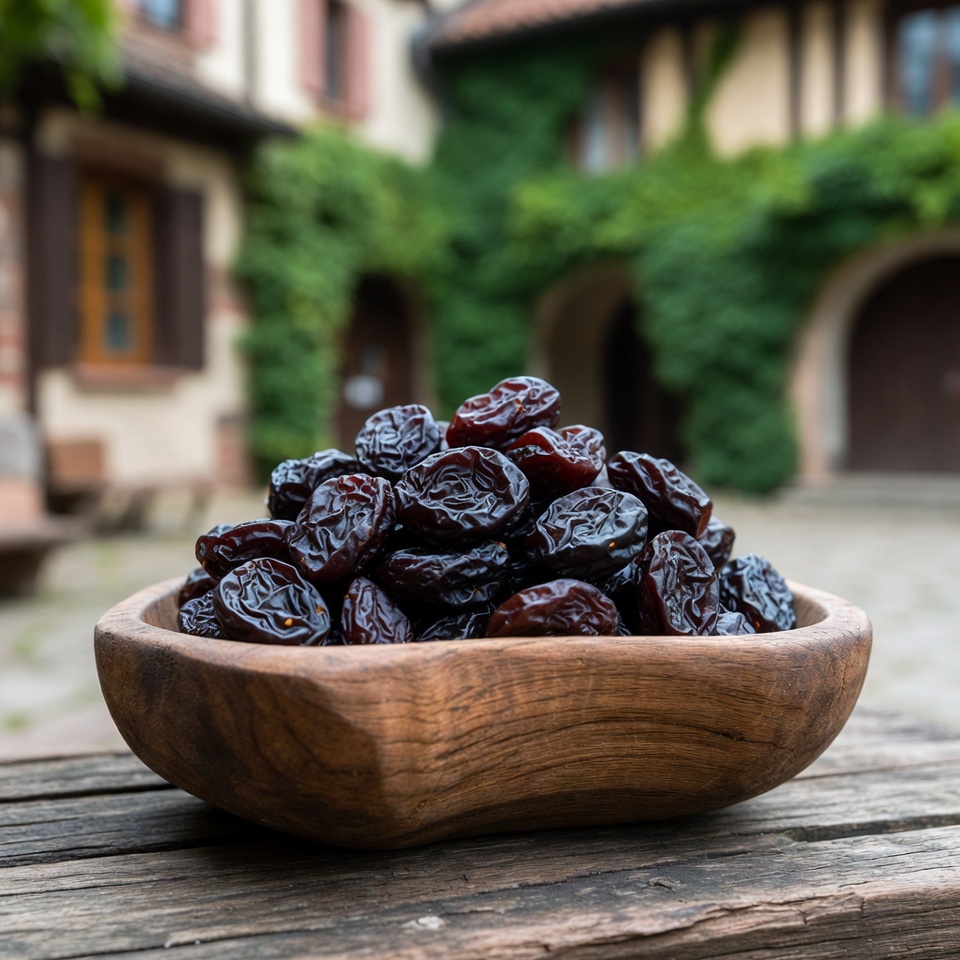
Dried prunes, often referred to as dried plums, are widely recognized for their powerful digestive benefits. They are loaded with dietary fiber, sorbitol, and natural plant compounds that work as mild, gentle laxatives. Together, these elements help:
- Encourage regular bowel movements
- Soften hard stools
- Support cleansing of the colon
Key Benefits of Dried Prunes for Bowel Health
1. Excellent Source of Fiber
Dried prunes are rich in dietary fiber, which:
- Adds bulk to your stool
- Speeds up its movement through the intestines
- Helps prevent constipation
- Promotes a more regular bowel pattern
This bulking effect makes it easier for your body to pass waste efficiently.
2. Gentle, Natural Laxative Effect
Prunes naturally contain sorbitol, a sugar alcohol known for its mild laxative properties. Sorbitol:
- Draws water into the intestines
- Softens stools
- Makes bowel movements easier and more comfortable
This natural process can help relieve occasional constipation without harsh chemical laxatives.
3. Packed with Antioxidants
Prunes are also high in antioxidants, which:
- Help protect the lining of the digestive tract
- Combat oxidative stress in the gut
- Support overall digestive and immune health
- May reduce inflammation that can affect gut function
A healthier gut lining contributes to better nutrient absorption and improved bowel health.
4. Nourishes Beneficial Gut Bacteria
The fiber in prunes acts as a prebiotic, meaning it feeds the “good” bacteria in your gut. A balanced gut microbiome:
- Supports smooth digestion
- Aids immune function
- Helps produce important nutrients and compounds
- Contributes to overall health and well-being
By regularly eating prunes, you help create an environment where beneficial gut bacteria can thrive.
How to Use Dried Prunes for Bowel Cleansing
Ingredients
- 5–10 dried prunes
- Water
Step-by-Step Instructions
-
Soak the prunes
Place the dried prunes in a glass of water and leave them to soak overnight. Soaking rehydrates the prunes, making them softer, easier to digest, and more effective. -
Eat on an empty stomach
In the morning, eat the soaked prunes before breakfast, on an empty stomach. For extra digestive benefits, you can also drink the water they were soaked in. -
Drink plenty of water
Throughout the day, stay well hydrated. Water helps the fiber in prunes do its job, keeps stools soft, and supports a smooth, efficient digestive process. -
Use regularly
For ongoing bowel health, make prunes a regular part of your diet. Consistent intake can help maintain regular bowel movements and prevent constipation over time.
Additional Tips for Better Bowel Health
-
Start slowly
If you’re not used to eating high-fiber foods, begin with a small amount (e.g., 2–3 prunes a day) and gradually increase. This helps minimize gas, bloating, or discomfort. -
Pair with other high-fiber foods
Boost the effect by also including fiber-rich foods such as fresh fruits, vegetables, legumes, nuts, seeds, and whole grains. A varied fiber intake is ideal for gut health. -
Stay active
Regular physical activity helps stimulate intestinal movement and supports a healthy digestion. Even simple daily walks can make a difference.
Conclusion
Adding dried prunes to your diet is an easy, natural strategy to support digestive health and gently cleanse your bowels. Thanks to their high fiber content, natural sorbitol, and antioxidant properties, prunes can promote regularity and contribute to a healthier gut. Try incorporating them into your daily routine and experience the benefits of a cleaner, more comfortable digestive system.