Natural Home Remedies for Swollen Feet (Edema)
Swollen feet, medically known as edema, can occur for many reasons: long hours of standing or sitting, pregnancy, poor circulation, hot weather, or underlying health issues. While it’s important to identify the root cause, several simple home remedies can help ease the swelling and discomfort.
1. Epsom Salt Foot Soak
Epsom salt contains magnesium, a mineral known for its ability to calm inflammation and relax sore, swollen feet.
You’ll need:
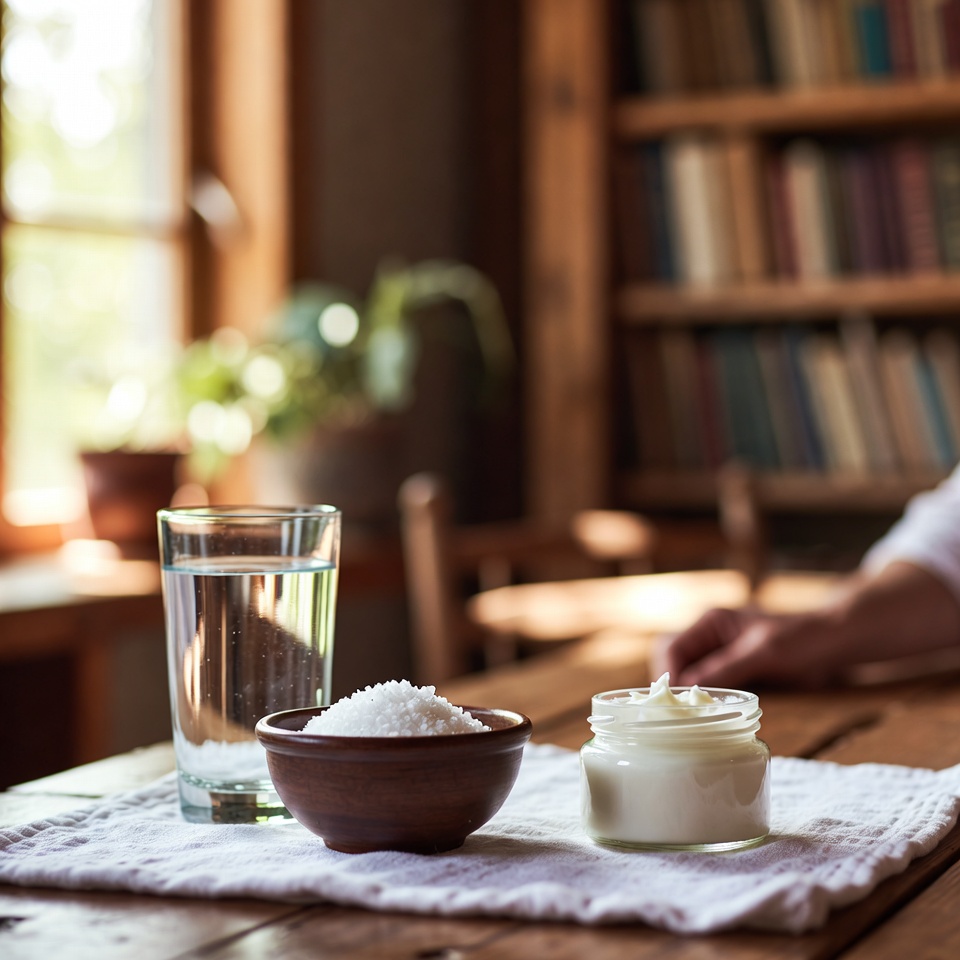
- A basin or tub with warm water
- ½ cup of Epsom salt
How to do it:
- Fill a basin with comfortably warm water.
- Add the Epsom salt and stir until fully dissolved.
- Soak your feet for 15–20 minutes.
- Repeat 2–3 times per week for noticeable relief.
2. Elevate Your Feet
When you sit or stand for long periods, gravity pulls fluid down into your feet and ankles. Raising your feet above heart level helps fluid move back through your circulatory system and can significantly reduce swelling.
How to do it:
- Lie flat on your back.
- Place a few pillows under your legs so your feet are higher than your heart.
- Stay in this position for 15–20 minutes.
- Try to do this several times throughout the day.
3. Foot Massage with Essential Oils
Gentle massage encourages blood flow and supports the lymphatic system in removing trapped fluid. Adding essential oils can provide a cooling, soothing effect.
You’ll need:
- A few drops of peppermint or lavender essential oil
- 1–2 tablespoons of a carrier oil (such as coconut or olive oil)
How to do it:
- Combine the essential oil with the carrier oil and mix well.
- Apply the blend to your feet and ankles.
- Using upward strokes, gently massage from toes toward the calves for 10–15 minutes.
- Repeat once or twice daily for best results.
4. Ginger Tea
Ginger acts as a natural diuretic and anti-inflammatory, helping the body release excess fluid and easing swelling from within.
You’ll need:
- A 1-inch piece of fresh ginger, thinly sliced
- 1 cup of hot water
- Honey, to taste (optional)
How to do it:
- Place the ginger slices in a cup and pour hot water over them.
- Let it steep for about 10 minutes.
- Strain the tea and sweeten with honey if desired.
- Drink 1–2 cups per day to support fluid balance.
5. Cold Compress
Cold therapy constricts blood vessels, which can reduce swelling and provide immediate relief from soreness and heat in the feet.
You’ll need:
- A clean towel
- Ice cubes or a cold gel pack
How to do it:
- Wrap ice cubes in the towel or use a cold pack wrapped in cloth (never place ice directly on skin).
- Apply the compress to the swollen areas of your feet.
- Leave on for 15–20 minutes.
- You can repeat this every few hours as needed.
6. Drink Plenty of Water
It may seem counterintuitive, but dehydration can actually make your body hold on to more fluid. Proper hydration helps flush out excess sodium and toxins, which can contribute to swelling.
What to do:
- Aim for about 8–10 glasses of water per day, or more if you are very active or in a hot climate.
- Limit highly salty, processed, or packaged foods that cause water retention.
7. Apple Cider Vinegar Compress
Apple cider vinegar is believed to have anti-inflammatory properties that may help ease swelling and discomfort when applied topically.
You’ll need:
- 1 cup apple cider vinegar
- 1 cup warm water
- A clean cloth or small towel
How to do it:
- Mix the apple cider vinegar and warm water in equal parts.
- Soak the cloth in the solution and wring out the excess.
- Wrap or lay the cloth over your swollen feet for about 15 minutes.
- Use once a day as needed.
Additional Tips for Managing Swollen Feet
- Engage in gentle activities like walking or simple foot exercises to boost circulation.
- Choose shoes that fit well, offer good arch support, and are not too tight around the toes or ankles.
- Take breaks from prolonged standing or sitting—move around every 30–60 minutes when possible.
If the swelling is persistent, severe, affects only one foot, or is accompanied by pain, shortness of breath, chest pain, or other concerning symptoms, seek medical advice promptly. While these natural remedies can be very helpful for mild to moderate swelling, a healthcare professional can rule out serious underlying conditions and suggest appropriate treatment.