Hibiscus Tea, Cloves, and Health: Separating Hype from Evidence
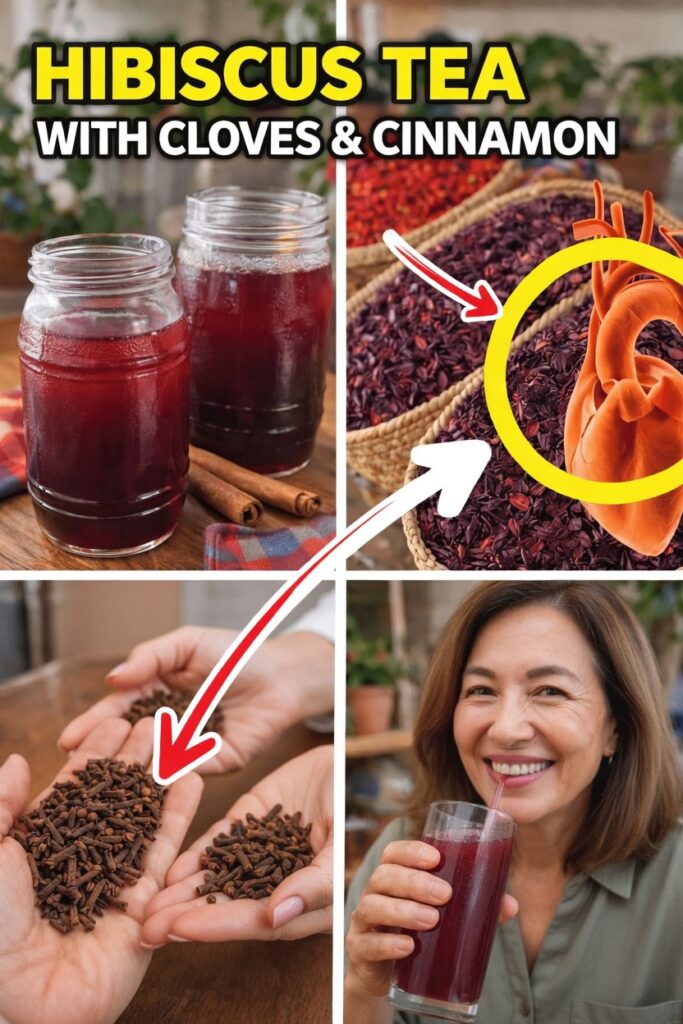
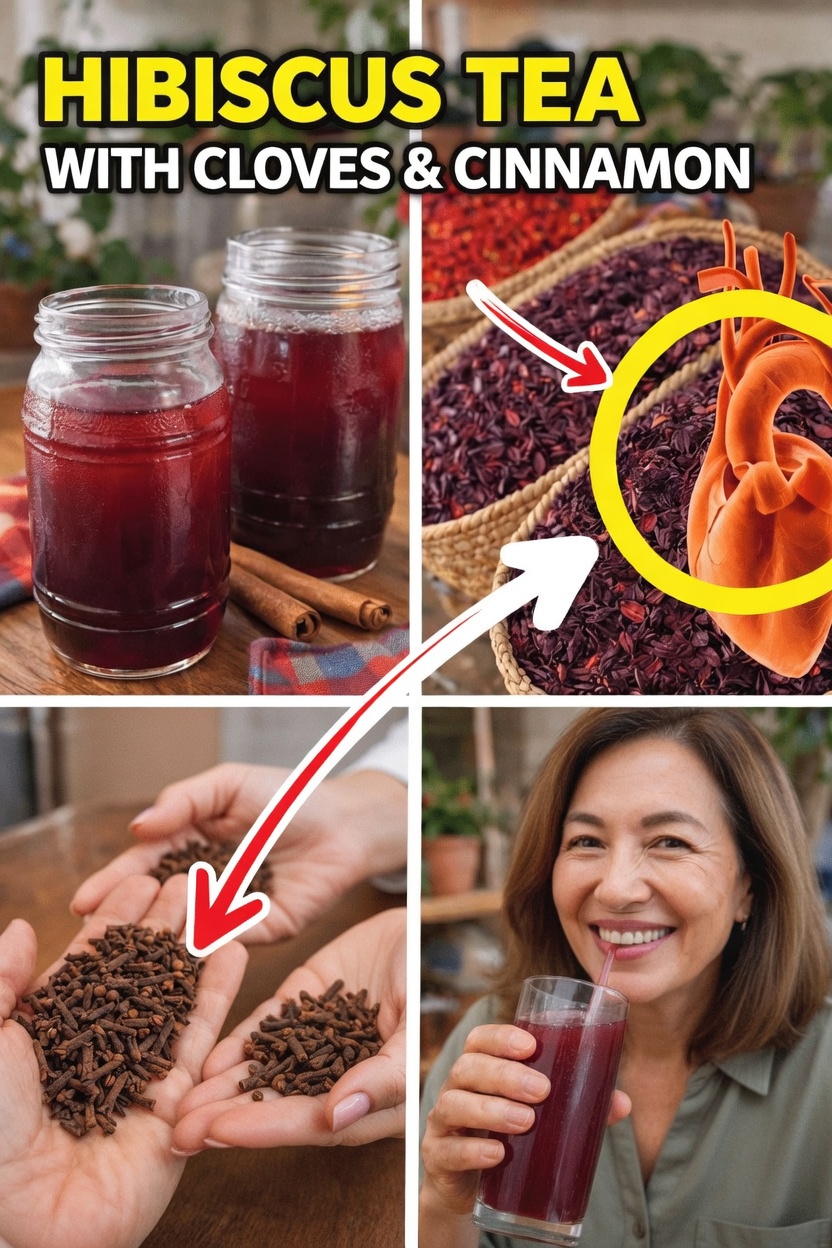
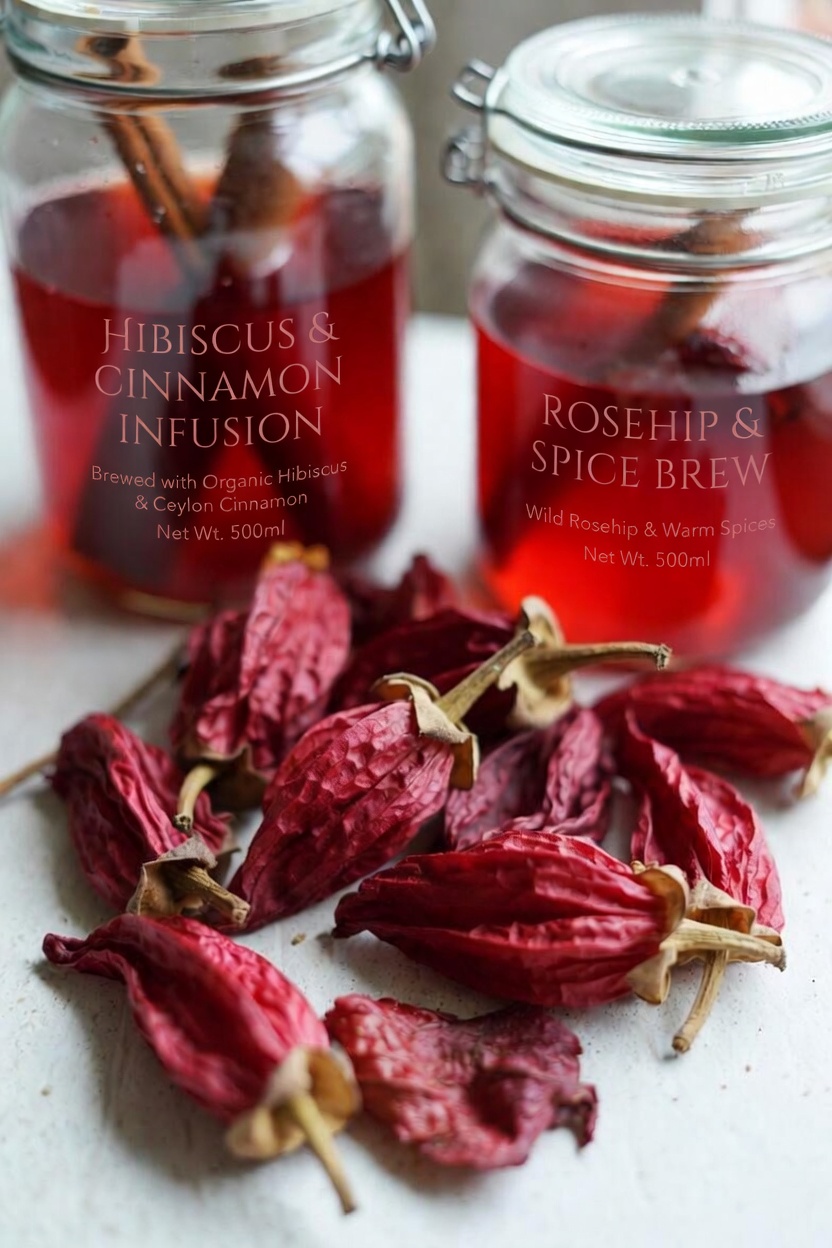
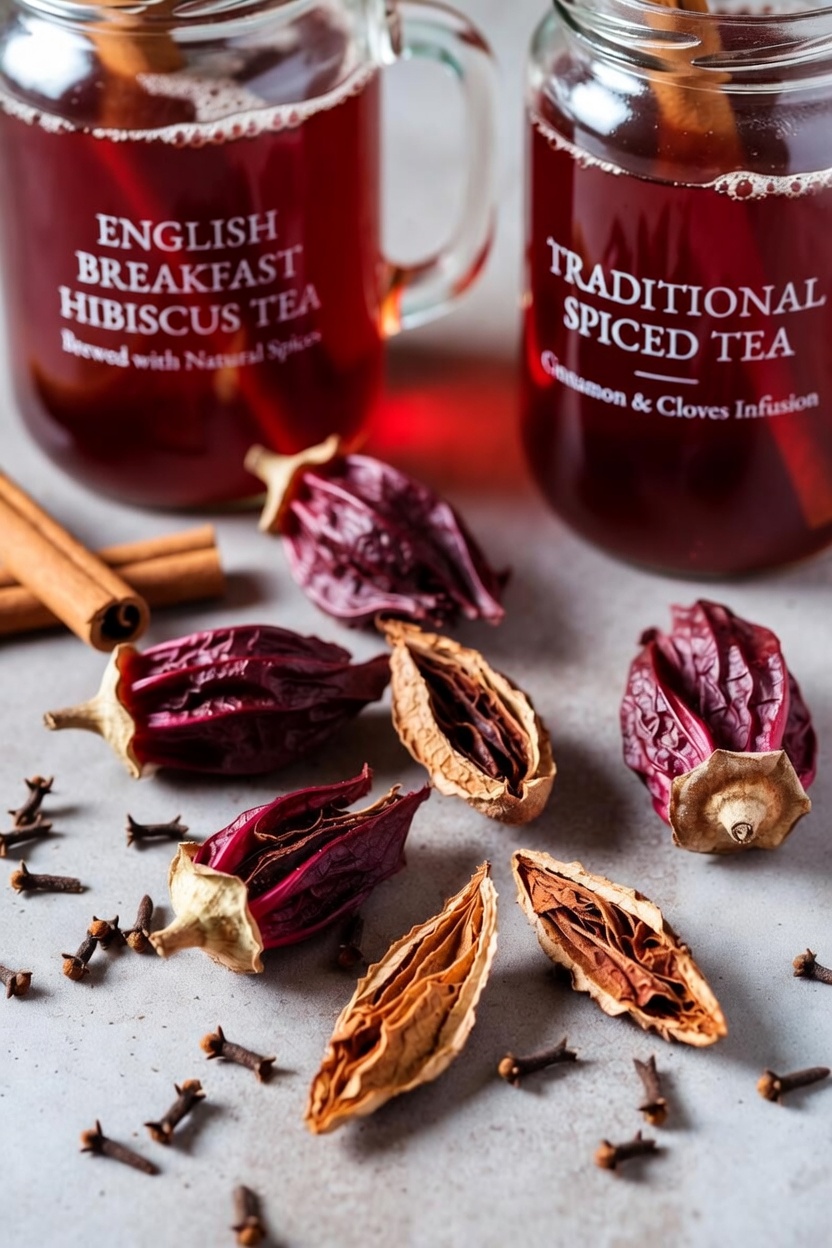
Viral posts often claim that a single “seed” or kitchen ingredient can dramatically improve serious health problems like cancer, diabetes, high blood pressure, or poor circulation. These posts frequently show images of dried hibiscus (roselle) calyces, jars of deep red tea, cloves, and cinnamon sticks. Based on the visuals and common traditional blends, the ingredient in question is almost certainly hibiscus tea (from Hibiscus sabdariffa, also known as roselle or “sour tea”), sometimes mixed with spices such as cloves and cinnamon.
No herb, seed, or food can cure or fully prevent complex diseases on its own. However, emerging research suggests that hibiscus tea—especially when used alongside an overall healthy lifestyle—may support heart and metabolic health. Cloves can add their own antioxidant punch and enhance flavor. Below is an evidence-informed overview of how hibiscus tea (with optional clove additions) might fit into a wellness routine.
Why Hibiscus Tea Is Getting So Much Attention
Hibiscus tea is made from the deep red calyces that surround the hibiscus flower. When brewed, it creates a vivid ruby infusion with a tangy, cranberry-like taste. It is naturally caffeine-free, enjoyable both hot and cold, and rich in plant compounds such as anthocyanins and other polyphenols—phytonutrients known for their antioxidant activity.
Blood Pressure Support
Several clinical studies, including meta-analyses of randomized controlled trials, have investigated hibiscus tea for blood pressure support. Regular intake—often around 2–3 cups per day—has been associated with modest reductions in both systolic and diastolic blood pressure in people with mild elevations. In some research, this effect is comparable to other lifestyle strategies, though not a replacement for medications when they are needed.
These benefits may be related to how hibiscus compounds help blood vessels relax and support healthier vascular function. Still, individual responses vary, and more high-quality research is needed.
Metabolic and Cardiovascular Markers
Early findings also suggest potential benefits for other markers of cardiometabolic health:
- Some studies report improved cholesterol and triglyceride profiles.
- Certain trials and animal studies point to liver-supportive effects.
- Hibiscus extracts (and, to a lesser extent, tea) have been explored for gentle support in weight management programs.
Most of this data is preliminary and sometimes based on concentrated extracts rather than standard brewed tea. Laboratory and animal studies indicate anti-inflammatory and antioxidant actions that may help protect cells, but these do not equal proof of disease prevention in humans.
The Role of Cloves
Cloves are the dried flower buds of the clove tree and are rich in eugenol and other antioxidant, anti-inflammatory compounds. When a few whole cloves are added to hibiscus tea—a common practice in traditional herbal blends—they provide:
- A warm, aromatic flavor that complements the tartness of hibiscus
- Additional compounds that may help protect cells against oxidative stress
However, evidence for specific hibiscus–clove combinations is limited, and most data comes from traditional use or studies on mixed herbal formulas, not from large clinical trials.
How to Make Hibiscus Tea at Home
Preparing hibiscus (roselle) tea at home is straightforward and allows you to control strength and sweetness. You can also experiment with flavors like cloves, cinnamon, or ginger.
Basic Hibiscus Tea Recipe (With Optional Cloves)
Try this simple version as a starting point:
- Bring 4–5 cups of water to a boil.
- Add ¼–½ cup dried hibiscus calyces, or use 3–4 hibiscus tea bags.
- Optional: Add 1–2 cinnamon sticks and 2–3 whole cloves for a spiced, warming flavor.
- Reduce heat and simmer for 5–10 minutes, depending on how strong you like it.
- Strain out the solids.
- Sweeten lightly with honey or another preferred sweetener if desired, or drink it plain for a tangy taste.
- Serve hot, or let it cool and refrigerate for a refreshing iced hibiscus tea.
You can start with 1–2 cups per day to see how your body responds. Many people use hibiscus tea as a flavorful alternative to sugary soft drinks or high-calorie beverages.
Potential Benefits of Hibiscus Tea
When consumed as part of a balanced diet and lifestyle, hibiscus tea may offer several potential advantages:
- High in antioxidants that help counteract daily oxidative stress
- May support healthy blood pressure levels, especially in people with mild elevations
- Could help maintain healthier cholesterol and triglyceride levels in some studies
- Caffeine-free and hydrating, making it a suitable choice any time of day
- Easy to customize with natural spices like cloves, cinnamon, or ginger for taste and variety
Keep in mind that scientific results are not uniform. The impact of hibiscus tea depends on factors such as:
- Amount consumed
- Duration of use
- Individual health status
- Whether tea or concentrated extracts are used
Safety, Interactions, and Who Should Be Cautious
For most healthy adults, moderate amounts of hibiscus tea are considered safe. However, there are important points to consider:
- Blood pressure and diabetes medications: Hibiscus can modestly lower blood pressure and may influence blood sugar. If you’re on medication for these conditions, combining hibiscus with your treatment could amplify effects and potentially lower levels too much.
- Pregnancy and breastfeeding: High intakes of hibiscus are generally not recommended during pregnancy or breastfeeding due to limited safety data. Always check with a healthcare professional first.
- Quality of the herb: Use food-grade, reputable sources of dried hibiscus to reduce the risk of contaminants or adulteration.
- Allergies or sensitivities: Discontinue use and seek advice if you notice adverse reactions like stomach upset, dizziness, or rash.
Hibiscus tea is a supportive beverage, not a substitute for medical care, prescribed medications, or professional guidance. If you have any ongoing health condition, speak with your healthcare provider before making major dietary or herbal changes.
FAQ About Hibiscus Tea and Cloves
How much hibiscus tea should I drink for possible benefits?
Many clinical studies use around 2–3 cups per day, typically prepared with about 1–2 teaspoons of dried hibiscus calyces per cup. For personal use, it’s sensible to:
- Start with 1 cup per day
- Gradually increase if you tolerate it well
- Monitor your blood pressure or blood sugar if these are concerns
Can I add cloves or other spices to hibiscus tea?
Yes. Cloves, cinnamon, ginger, or cardamom are commonly added to enhance flavor and potential antioxidant content. For cloves:
- Use around 1–3 whole cloves per pot
- Adjust to taste so they don’t overwhelm the tart hibiscus flavor
Is hibiscus tea safe for everyone?
Hibiscus tea is generally safe for most people when consumed in moderation. However, you should consult a healthcare professional if:
- You have low blood pressure
- You take blood pressure, heart, or diabetes medications
- You are pregnant, trying to conceive, or breastfeeding
Does hibiscus tea really help with circulation or metabolic issues?
Research suggests hibiscus tea may:
- Support better blood flow and vascular function by helping blood vessels relax
- Assist with metabolic markers such as blood lipids and possibly blood sugar
These effects tend to be modest and should be viewed as one small tool within a broader lifestyle that includes healthy eating, movement, sleep, and medical care—not as a stand-alone solution or cure.
What is the best way to store dried hibiscus?
To preserve flavor and beneficial compounds:
- Store dried hibiscus calyces in an airtight container
- Keep them in a cool, dark, dry place
- Avoid prolonged exposure to heat, light, and moisture
Using fresher, well-stored hibiscus will generally give you a more vibrant color, aroma, and taste, along with better retention of its plant compounds.