Gentle Evening Snacks to Support Aging Eyes
After 60, many people notice that their vision doesn’t feel quite the same. Mornings may start with slight blurriness, eyes can feel dry or tired, and focusing in low light might take more effort. These shifts often reflect natural age-related changes in eye tissues, reduced tear production, and a lifetime of exposure to light and environmental stressors that affect delicate eye structures.
While such changes are common with aging, regularly eating foods rich in eye-supporting nutrients may help maintain comfort and support long-term eye health as part of an overall healthy lifestyle.
What if a small, enjoyable snack before bed could supply nutrients that work in harmony with your body’s nightly repair processes? Research in eye health highlights specific antioxidants and vitamins that help protect retinal cells and maintain macular pigment. Below, you’ll find three simple bedtime snack ideas, grounded in nutritional science, plus easy ways to include them in your evening routine.
Why Evening Nutrient Timing May Matter for Eye Health
During sleep, the body prioritizes repair, recovery, and cellular maintenance—processes that include the eyes, which endure daily oxidative stress from sunlight, digital screens, and pollution. With age, the macula—the central area of the retina responsible for detailed, sharp vision—can become more vulnerable as protective pigments gradually decline.
Large studies, including the Age-Related Eye Disease Study (AREDS) and AREDS2 conducted by the National Eye Institute, have linked higher intakes of nutrients such as lutein, zeaxanthin, vitamin E, vitamin C, zinc, and other antioxidants with better support for eye health in older adults. These compounds help neutralize free radicals and support the density of macular pigment over time.
No single snack will transform vision overnight. However, consistently choosing nutrient-dense foods can contribute to long-term eye wellness when combined with regular eye checkups, a balanced diet, and healthy lifestyle habits.
Below are three practical, light evening options that are easy on digestion and rich in eye-friendly nutrients.
3 Bedtime Snacks That Nourish Your Eyes
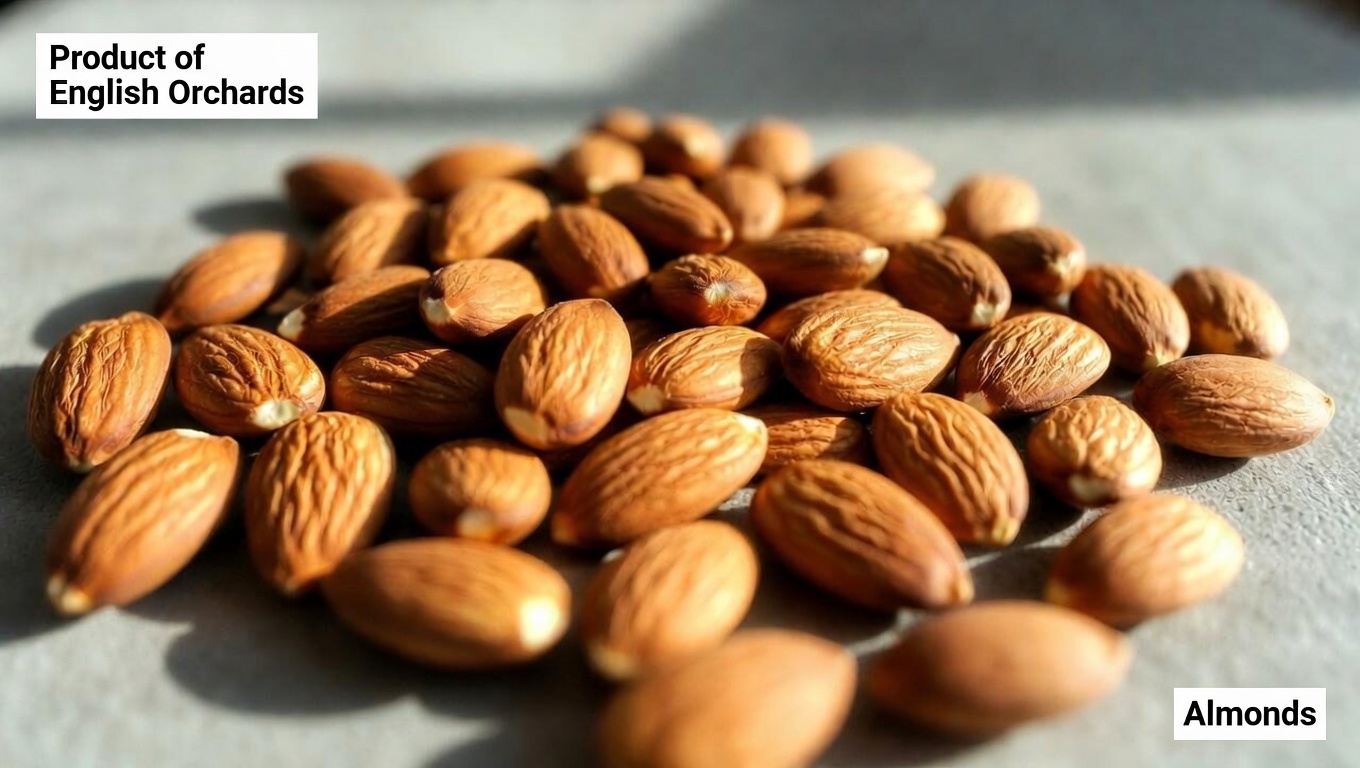
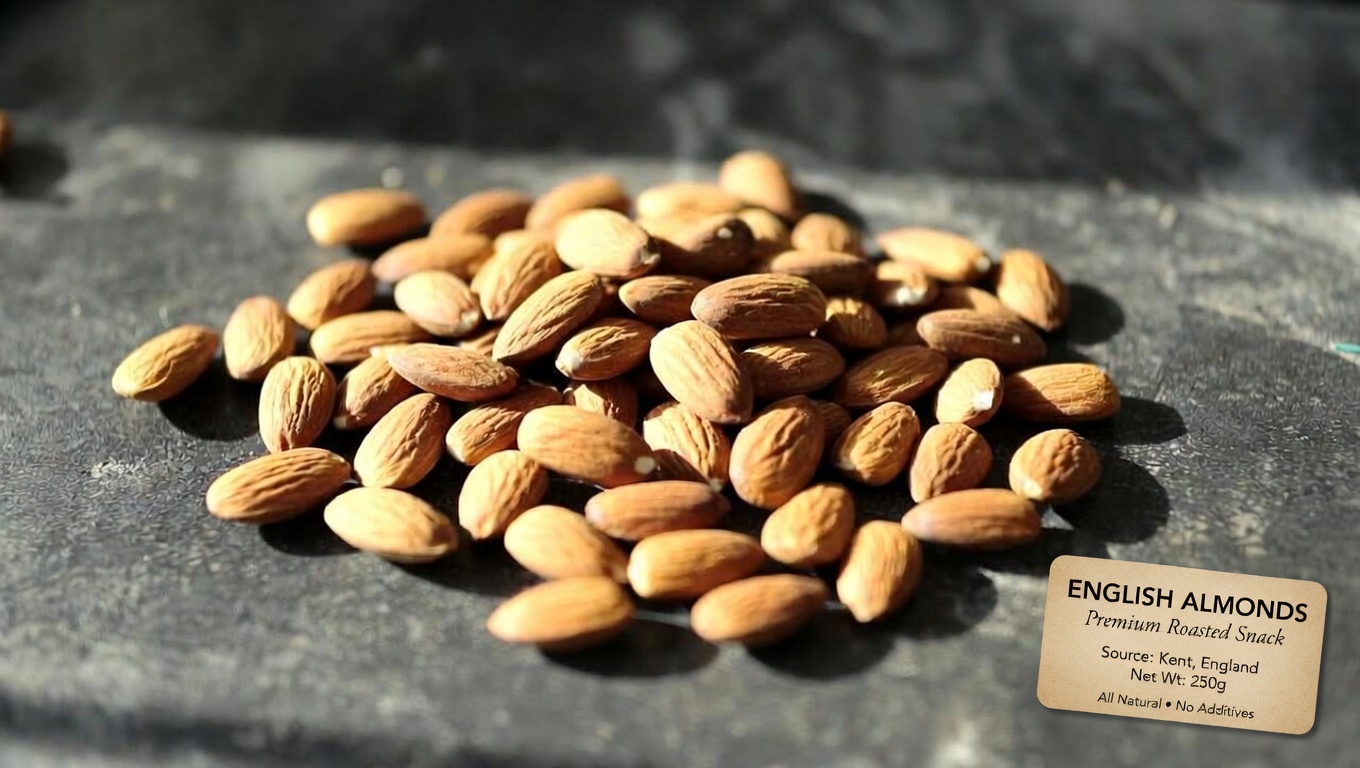
3. A Small Handful of Almonds or Mixed Nuts – Natural Source of Vitamin E
Almonds and other unsalted mixed nuts offer a crunchy, satisfying snack and are an excellent source of vitamin E, a powerful antioxidant. Vitamin E helps protect cells, including those in the retina, from oxidative damage. Studies have associated adequate vitamin E intake with a potential reduction in risk factors related to age-related eye changes.
A modest portion—around 1 ounce, or roughly 23 almonds—provides healthy fats that support the absorption of fat-soluble nutrients without feeling too heavy before sleep. Many people find this simple evening habit both filling and easy to maintain.
2. One Hard-Boiled Egg – Concentrated Lutein and Zeaxanthin
Egg yolks are naturally rich in lutein and zeaxanthin, two carotenoids that accumulate in the macula, where they act as internal filters against harmful blue light. These nutrients are highly bioavailable from eggs, meaning the body can absorb and use them efficiently. Regular consumption has been linked with support for macular pigment levels, an important factor for central vision.
A single hard-boiled egg provides lutein, zeaxanthin, some protein, and a small amount of zinc, which helps with overall nutrient transport in the body. For most individuals, eating eggs in moderation fits comfortably within heart-healthy dietary guidelines, although anyone with cholesterol or cardiovascular concerns should consult their healthcare provider.
1. A Small Bowl of Blueberries or Mixed Berries – Rich in Anthocyanins
Blueberries and other dark-colored berries stand out for their deep pigments, which come from anthocyanins—potent antioxidants that may help support blood flow to the retina and reduce inflammation. Berries also contain vitamin C, which plays a role in collagen formation and supports the structural integrity of eye tissues.
A serving of about ½ to 1 cup of fresh or frozen berries offers gentle natural sweetness, fiber, and antioxidants without a large calorie load or sharp blood sugar spike. Frozen berries thaw quickly and make a cool, refreshing nighttime treat. Research on berry antioxidants suggests potential protective effects for the eyes over time.
These three snacks are well-suited for the evening: they’re light, easy to digest, and provide concentrated eye-supportive nutrients without interfering with sleep.
Quick Comparison of These Bedtime Eye-Healthy Snacks
| Food | Key Nutrients | Potential Eye Health Support | Suggested Bedtime Serving |
|---|---|---|---|
| Almonds or Mixed Nuts | Vitamin E, healthy fats | Helps defend eye cells from oxidative stress | ~1 oz unsalted handful |
| Hard-Boiled Egg | Lutein, zeaxanthin, zinc, protein | Supports macular pigment and central vision protection | 1 whole hard-boiled egg |
| Blueberries or Mixed Berries | Anthocyanins, vitamin C, antioxidants | Contributes to antioxidant protection and eye comfort | ½–1 cup fresh or frozen berries |
Rotating among these options keeps your evening snacks interesting while delivering a broad spectrum of nutrients that support eye health.
Simple Ways to Add These Foods to Your Night Routine
Integrating these snacks into your evenings doesn’t have to be complicated. Try the following:
- Choose one snack per night: Pick whichever sounds most appealing and enjoy it about 1–2 hours before bedtime.
- Prepare in advance:
- Boil several eggs at once and store them in the refrigerator for the week.
- Pre-portion nuts into small containers or bags.
- Keep a bag of frozen berries on hand for quick access.
- Keep flavors simple: Eat nuts plain and unsalted, eggs with a sprinkle of pepper or herbs, and berries straight from the bowl—no heavy toppings needed.
- Be consistent: Aim to include one of these options on most evenings over several weeks and observe how your eyes feel, especially in the morning.
- Monitor gently: Note any changes in morning comfort, dryness, or clarity in a small journal to track subtle improvements.
Combining these habits with good daytime hydration can further support tear film balance and overall eye comfort.
Frequently Asked Questions
Can these foods really make a difference for aging eyes?
These snacks are not a cure for eye diseases, and they won’t reverse existing damage. However, nutrients like lutein, zeaxanthin, vitamin E, vitamin C, and anthocyanins—when obtained regularly from whole foods—align with research showing support for eye health and macular protection over time, especially in older adults.
Is it safe to eat an egg every night if I’m concerned about cholesterol?
For most people, consuming up to one egg per day is considered acceptable within modern dietary guidelines, as dietary cholesterol has a smaller impact on blood cholesterol than previously believed. That said, individuals with high cholesterol, heart disease, or other specific health conditions should seek personalized advice from their doctor or a registered dietitian.
What if I don’t enjoy nuts, eggs, or berries? Are there alternatives?
Yes. Other foods that support eye health include:
- Leafy greens (spinach, kale, collard greens) for lutein and zeaxanthin
- Other nuts and seeds (sunflower seeds, hazelnuts) for vitamin E
- Citrus fruits and bell peppers for vitamin C
- Fish rich in omega‑3s (salmon, sardines, mackerel) for retinal support
A varied, colorful diet that emphasizes fruits, vegetables, healthy fats, and lean proteins is ideal. An eye care professional can also recommend nutrients or supplements tailored to your specific eye condition.
Key Takeaway
Incorporating a small serving of almonds or mixed nuts for vitamin E, a hard-boiled egg for lutein and zeaxanthin, or a bowl of blueberries or mixed berries for anthocyanins before bed is a simple, enjoyable way to support your eyes with science-backed nutrients. While these snacks are not a replacement for medical treatment, they can fit seamlessly into your nightly routine and contribute to eye comfort and health as you age.
This article is for informational purposes only and does not replace professional medical advice. Always consult your healthcare provider or eye specialist before making significant dietary changes, particularly if you have existing eye conditions or other health concerns.