Nourish Your Eyes and Brain with Smart Seed Choices
Your eyes and brain are deeply interconnected. Both depend on healthy circulation, defense against oxidative stress, and steady intake of key nutrients such as omega-3 fatty acids, antioxidants, zinc, and vitamin E. Research, including the well-known Age-Related Eye Disease Study (AREDS), shows that diets rich in specific nutrients can help support long-term eye health. Similar studies in nutrition link certain fatty acids and vitamins with sharper cognition and better brain performance in older adults.
Seeds are especially powerful in this context. They pack a remarkable concentration of beneficial fats, vitamins, minerals, and antioxidants into a small serving—making them an easy, low-calorie way to support both visual and mental function.
Seed #1: Chia Seeds – Omega‑3 Support for Healthy Inflammation
Chia seeds have become popular for a reason: they’re among the richest plant-based sources of alpha-linolenic acid (ALA), a type of omega‑3 fatty acid. Omega‑3s help keep cell membranes in the eyes and brain flexible and resilient, and they play a role in maintaining a balanced inflammatory response.
- A typical serving of chia (about 1–2 tablespoons) provides several grams of ALA, along with fiber and plant-based protein.
- Chia seeds soak up liquid and form a gentle, gel-like consistency that many people find easy on digestion.
Regularly including chia seeds in your diet is often associated with steadier energy and more consistent mental focus throughout the day.
Seed #2: Flaxseeds – Lignans and Omega‑3s for Broad Protection
Ground flaxseeds are another excellent source of plant-derived omega‑3s and also deliver lignans—naturally occurring plant compounds with antioxidant activity. Higher intake of these nutrients has been linked in research to better support for retinal health and cognitive flexibility as we age.
- Grinding flaxseeds just before eating helps your body absorb their nutrients; whole seeds often pass through the digestive tract without breaking down fully.
- They are easy to use: sprinkle on yogurt, stir into oatmeal, or blend into smoothies.
The blend of healthy fats, antioxidants, and fiber makes flaxseeds a smart choice for sustained concentration, stable energy, and overall eye comfort.
Seed #3: Pumpkin Seeds – Zinc and Magnesium for Optimal Function
Pumpkin seeds (also known as pepitas) contribute valuable amounts of zinc, magnesium, and vitamin E. Zinc helps move vitamin A to the retina, which is essential for low-light vision and overall visual performance. Magnesium supports nerve transmission, aiding both brain signaling and eye muscle coordination.
- A small handful offers a meaningful dose of these minerals without overwhelming your taste buds.
- They add a satisfying crunch when eaten as a snack or used as a topping.
Studies examining nutrient status in older adults suggest that higher intakes of zinc and magnesium are associated with more favorable markers of brain aging.
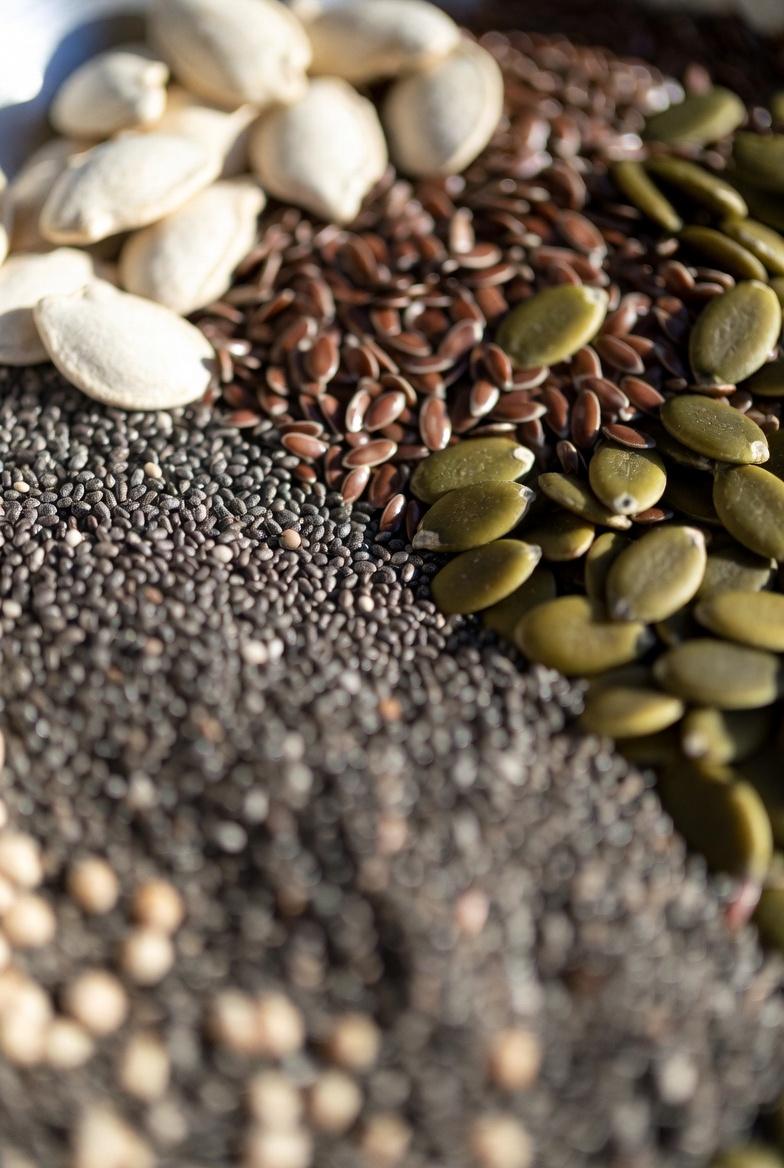
Quick Comparison: Key Nutrient Highlights
Each of these seeds brings something unique to the table, and together they create a powerful, complementary nutrient profile:
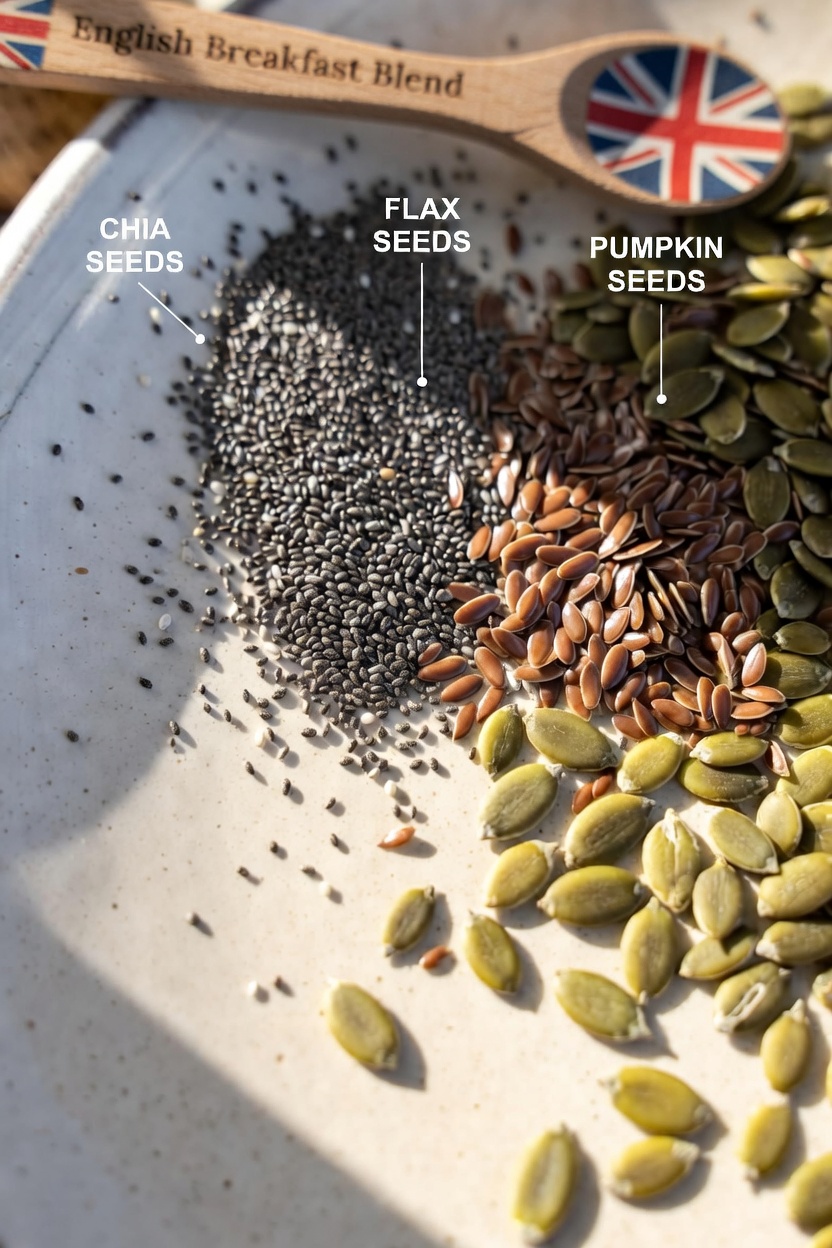
- Chia Seeds – High in ALA omega‑3s, fiber, and calcium
- Flaxseeds – Rich in ALA omega‑3s, lignans, and fiber
- Pumpkin Seeds – Great source of zinc, magnesium, vitamin E, and iron
Combined, they cover a broad spectrum of nutrients that support eye health, brain function, and healthy aging in a synergistic way.
How to Add These Seeds to Your Morning Routine
A simple morning ritual is often the easiest way to make these seeds a lasting habit. Here’s a practical approach:
-
Measure your mix
Start with 1 tablespoon each of chia seeds, ground flaxseeds, and pumpkin seeds (about 3 tablespoons total). -
Stir into a base you enjoy
Mix the seeds into yogurt, warm oatmeal, or a smoothie. If you prefer a thicker texture, let chia sit in liquid for 5–10 minutes to form a pudding-like consistency. -
Have it early in the day
Enjoy this seed mix first thing in the morning—either on an empty stomach or alongside breakfast—to help with steady energy and nutrient absorption. -
Start small if you’re new to seeds
If your digestive system is sensitive, begin with smaller amounts and slowly increase as your body adapts to the added fiber. -
Store them correctly
Keep seeds in airtight containers. Store flaxseeds and chia seeds in the refrigerator to help preserve their delicate fats and freshness.
Most people find this routine easy to maintain and naturally energizing. Over several weeks, consistent use is what tends to deliver noticeable benefits for both thinking and vision.
Extra Habits to Enhance Seed Benefits
To amplify the positive effects of chia, flax, and pumpkin seeds, pair them with a few supportive daily habits:
- Eat a variety of colorful fruits and vegetables for carotenoids like lutein and zeaxanthin, which are particularly important for eye health.
- Stay well hydrated and include other healthy fats such as avocados, olives, or nuts.
- Schedule regular eye examinations and keep your body active to support circulation to both the brain and eyes.
These small, consistent lifestyle choices can compound over time, strengthening the foundation for long-term eye and brain wellness.
Conclusion
Adding chia, flax, and pumpkin seeds to your morning routine is a straightforward, enjoyable way to supply your eyes and brain with nutrients that matter more and more as you grow older. These modest seeds deliver omega‑3 fatty acids, antioxidants, zinc, magnesium, and more—supporting clearer thinking, visual comfort, and overall resilience in daily life.
Try incorporating this seed mix for a few weeks and pay attention to how you feel. It’s a simple investment that your future self is likely to appreciate.
FAQ
How many seeds should I eat per day to start?
A good starting point is 1 tablespoon each of chia, ground flaxseeds, and pumpkin seeds in the morning. Adjust the amount based on your digestion, appetite, and overall needs.
Can I use these seeds if I have digestive sensitivities?
Yes, but introduce them gradually. Grind flaxseeds for better tolerance, and start with smaller portions. Chia and pumpkin seeds are generally well-tolerated, especially when you drink enough water to help manage the extra fiber.
When should I talk to a doctor before increasing seed intake?
If you are on blood-thinning medications, have a known medical condition, or follow a restricted diet, consult your healthcare provider before significantly increasing your intake of seeds. Their healthy fats and mineral content can be powerful and should fit safely within your overall care plan.