Constipation, Pain, Inflammation? This Natural Plant Could Change Everything
In many parts of the world, there is a hardy plant that grows almost everywhere—along roadsides, in fields, and in home gardens—yet few people truly understand its powerful medicinal potential: the castor plant.
Known scientifically as Ricinus communis, this plant has been used for centuries in traditional medicine to ease a wide range of ailments, from digestive discomfort to inflammatory pain. How can such a common plant offer so many benefits? And, just as important, how can you use it safely?
Keep reading to uncover the natural secrets of the castor plant and its famous derivative, castor oil.
What Is the Castor Plant?
The castor plant (Ricinus communis) is a fast-growing shrub from the Euphorbiaceae family, thriving especially well in warm and tropical climates.
You can identify it by:
- Large, star-shaped leaves
- Thick, branching stems
- Distinctive oval seeds with mottled patterns
This plant is best known as the source of castor oil, widely used in natural medicine, skincare, and hair care.
Important safety note: Raw castor seeds contain ricin, a highly toxic substance. They must never be eaten or used directly. Traditional remedies and modern uses are based mainly on the processed oil and, in some cases, the leaves, not on the raw seeds.
Key Medicinal Properties of Castor
For generations, different parts of the castor plant have been used for their therapeutic effects. It is especially valued for its:
- Anti-inflammatory properties
- Digestive support
- Antibacterial activity
- Laxative effect
Most of these benefits are linked to ricinoleic acid, the main active component in castor oil, known for supporting digestive function and helping reduce inflammation.
Health Benefits of Castor Oil and Castor Plant
1. Relieves Occasional Constipation
Castor oil is a well-known natural laxative. When taken in appropriate doses, it stimulates bowel movements and helps clear the intestines in cases of occasional constipation.
Traditionally, castor oil has been used to:
- Promote regular bowel movements
- Help cleanse the digestive tract
- Reduce bloating and discomfort
Because it is quite strong, it should always be used cautiously and for short-term relief, not as a daily remedy.
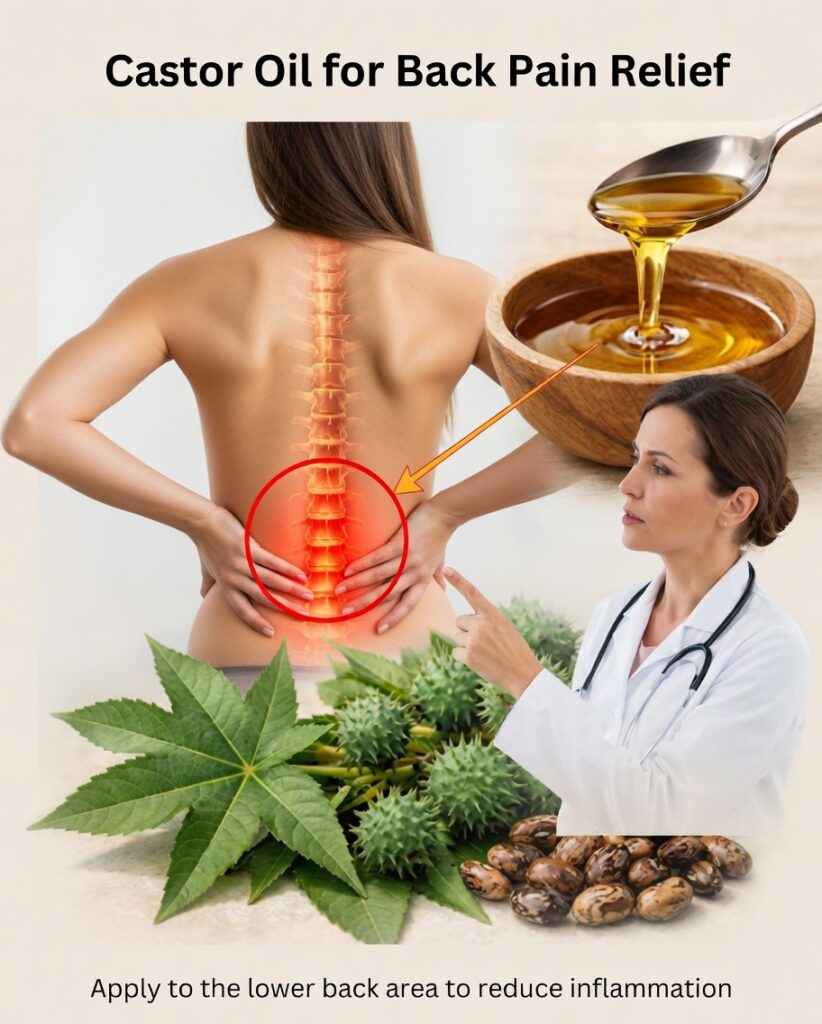
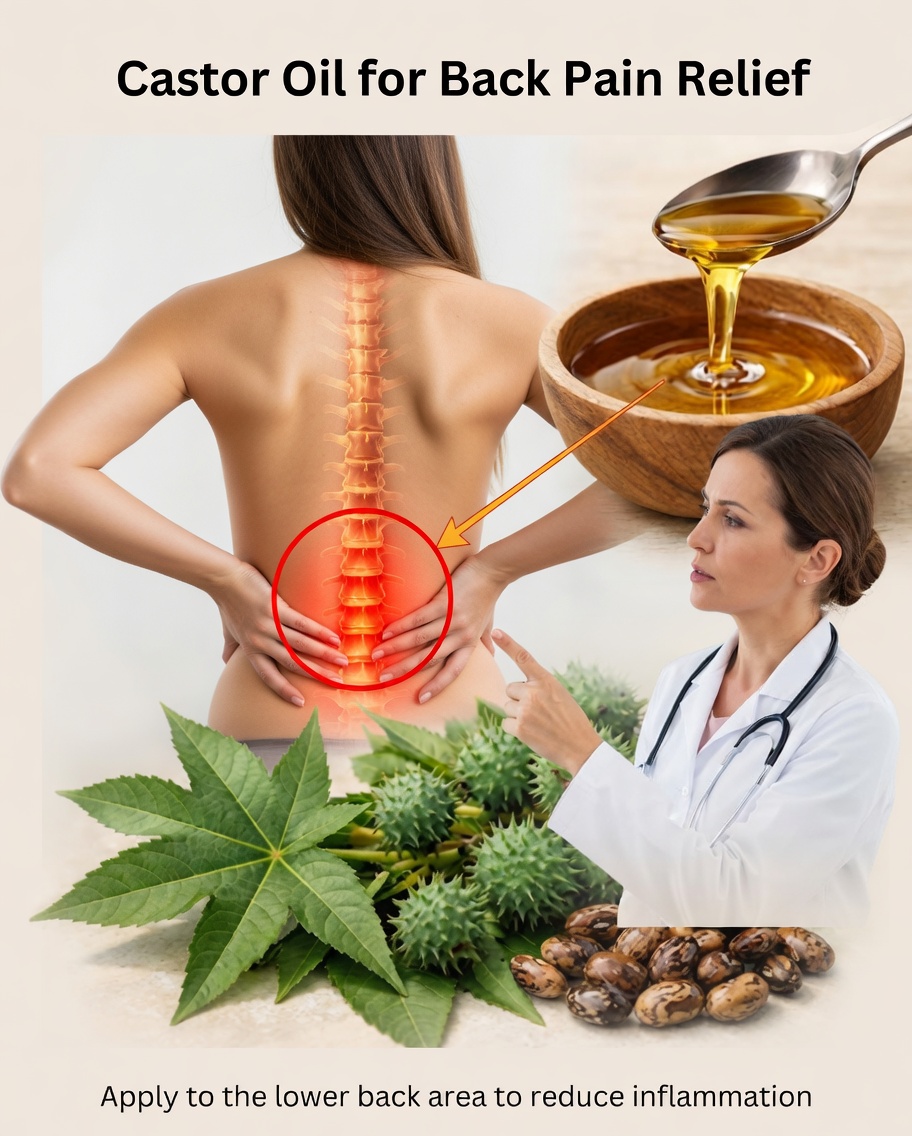
2. Helps Reduce Inflammation and Pain
Castor leaves are commonly used in traditional medicine as poultices to ease muscle and joint discomfort.
They are often applied to areas such as:
- Painful or stiff joints
- Overworked or tired muscles
- The lower back
The warmth and active compounds in the leaves can help soothe localized pain and may reduce swelling when used regularly.
3. Antibacterial Support
Some studies and traditional practices suggest that extracts from castor leaves have antibacterial properties, which may help the body fight minor infections on the skin or superficial wounds. This does not replace medical treatment but may support natural healing in mild cases.
4. Supports Skin Repair and Hydration
Castor oil is widely used as a skin-care ingredient because of its rich, thick texture and moisturizing effect. When applied topically, it can help:
- Maintain skin hydration
- Support the natural repair of skin tissue
- Protect dry or irritated areas
Well-hydrated skin tends to heal more effectively, making castor oil a popular choice in natural remedies for dry patches and minor skin concerns.
Traditional Home Remedies with Castor
1. Castor Leaf Poultice
A classic traditional remedy for pain and inflammation:
- Wash fresh castor leaves thoroughly.
- Warm them gently (for example, over steam or in warm water—never too hot).
- Place the warm leaves directly over the affected area.
- Cover with a clean cloth and leave in place for 20–30 minutes.
This method is commonly used to ease localized pain and reduce swelling in muscles and joints.
2. Digestive Infusions (Used with Caution)
In some traditional systems, mild infusions made from certain parts of the plant have been used to relieve:
- Gas and bloating
- Colic
- Indigestion
However, because of the plant’s potency and potential toxicity, any internal use beyond purified castor oil must be approached with extreme caution and under professional guidance.
3. Castor Oil for Skin and Hair
In natural beauty routines, castor oil is particularly popular for:
- Moisturizing dry skin
- Strengthening eyelashes and eyebrows
- Nourishing dry or damaged hair
- Softening rough areas such as elbows, knees, and heels
It is often used alone or mixed with other oils (like coconut or jojoba oil) to make it easier to spread and to balance its thick consistency.
Essential Safety Precautions
Despite its natural origin, the castor plant is not risk-free. Safe use is crucial:
- Never ingest raw castor seeds – they contain ricin, which is extremely toxic.
- Use only purified, pharmaceutical- or cosmetic-grade castor oil from reputable sources.
- Avoid internal use in children, pregnant or breastfeeding women unless explicitly guided by a healthcare professional.
- Do not exceed recommended doses of castor oil as a laxative.
- Always consult a medical professional before using castor oil or castor plant preparations internally, especially if you have existing health conditions or take medication.
Natural does not automatically mean safe—respecting the plant’s potency is essential.
Other Uses of the Castor Plant
Beyond traditional medicine and home remedies, the castor plant and its oil are also used in various industries, including:
- Industrial production of castor oil
- Soap and detergent manufacturing
- Mechanical lubricants
- Certain agricultural applications
This wide range of uses highlights just how versatile Ricinus communis can be.
Conclusion
The castor plant is a remarkable natural resource with many potential benefits. When used correctly and carefully, it may:
- Support digestive health and relieve occasional constipation
- Ease pain and inflammation in muscles and joints
- Improve skin hydration and contribute to healthy hair
However, its power comes with a clear need for caution. By using only safe, processed forms of the plant—especially purified castor oil—and seeking professional advice for internal use, you can enjoy its benefits while minimizing risks.
With proper knowledge and respect, the castor plant can become a valuable ally in a natural approach to health and well-being.