Fatigue, Itching, Bloating? Your Liver May Be Sending an SOS
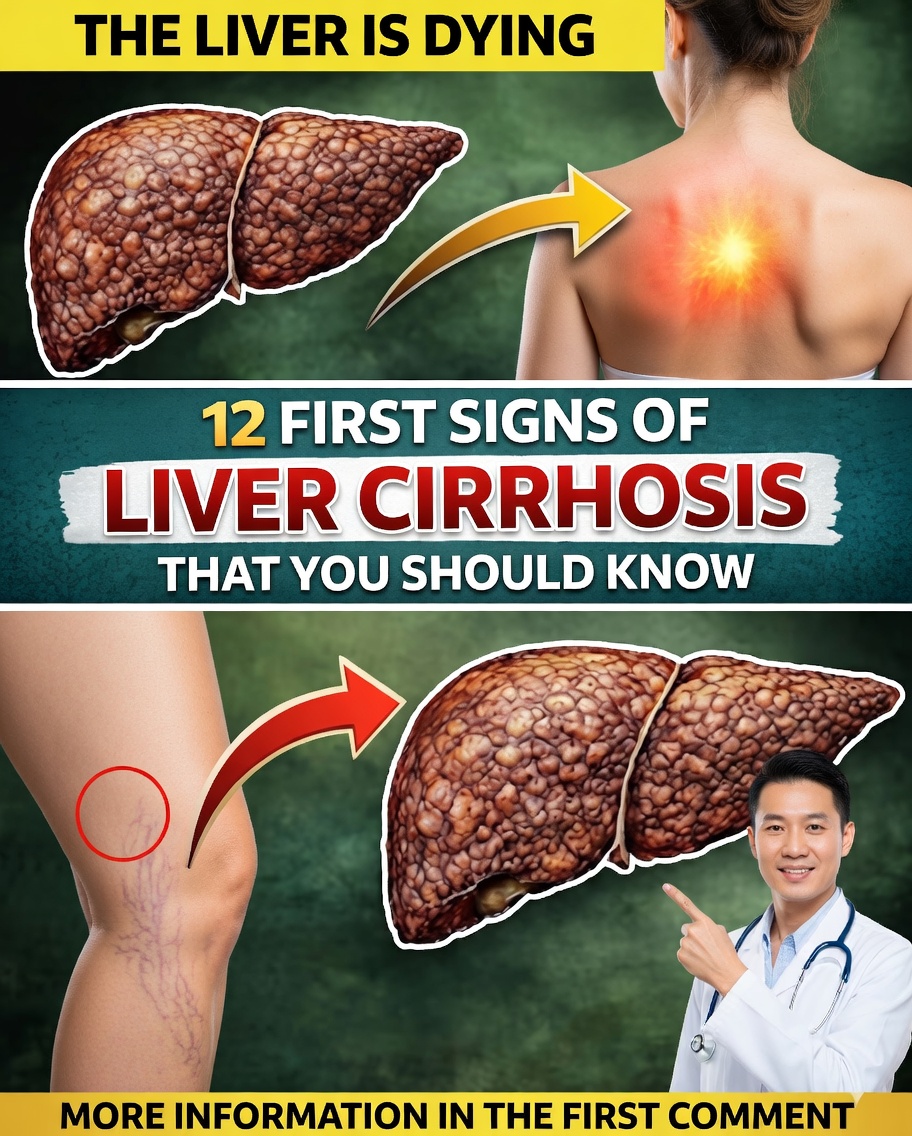
Liver cirrhosis is often called a “silent” disease because it can progress for many years with few or no obvious symptoms. Many people only discover there is a serious problem once the damage is already advanced. Cirrhosis occurs when healthy liver tissue is gradually replaced by scar tissue, which blocks normal blood flow and prevents the liver from doing its job properly.
Your liver is a vital organ with many responsibilities: filtering toxins, producing essential proteins, and processing nutrients from food. When it starts to struggle, your body sends out warning signals that should never be ignored. Recognizing these early signs can be the difference between timely treatment and life‑threatening complications.
What Is Liver Cirrhosis and Why Does It Develop?
Liver cirrhosis is the end result of long‑term, ongoing liver injury. Over time, repeated damage leads to scarring (fibrosis). As scar tissue builds up, it replaces healthy liver cells and disrupts the organ’s structure and vital functions.
Common causes of cirrhosis include:
- Heavy or prolonged alcohol consumption
- Non‑alcoholic fatty liver disease (fatty liver)
- Chronic viral hepatitis (such as hepatitis B or C)
- Other chronic liver diseases and metabolic conditions
One of the most concerning aspects of cirrhosis is how slowly symptoms can appear. Many people feel almost normal for years. By the time clear signs show up, the liver is often already severely affected.
12 Warning Signs of Liver Cirrhosis You Should Not Ignore
1. Extreme Fatigue and Constant Weakness
Feeling unusually tired all the time, even after adequate sleep or rest, can be an early sign of liver disease. When the liver cannot efficiently remove toxins, overall energy levels drop and you may feel drained without a clear reason.
2. Loss of Appetite
A noticeable decrease in hunger or interest in food may indicate that the liver is not functioning well. This can occur even if you have not changed your lifestyle or activity level.
3. Unexplained Weight Loss
When the liver is damaged, the body may struggle to absorb and process nutrients. This can lead to unwanted and unexplained weight loss, even when you are not trying to lose weight.
4. Nausea and Digestive Discomfort
Frequent nausea, indigestion, or a general feeling of upset stomach can be linked to impaired liver function. The liver plays a key role in digestion, so when it is under strain, your digestive system often shows it.
5. Pain or Discomfort in the Upper Right Abdomen
A feeling of pressure, fullness, or pain in the upper right side of the abdomen (where the liver is located) may signal liver inflammation or enlargement. This discomfort can be dull or sharp and may come and go.
6. Persistent Itching
Ongoing itching of the skin, without a clear cause such as an allergy, can be related to the buildup of bile salts and other substances in the blood when the liver and bile ducts are not working properly.
7. Yellowing of the Skin and Eyes (Jaundice)
Jaundice occurs when bilirubin—a yellow pigment produced during the normal breakdown of red blood cells—builds up in the body because the liver can no longer process or excrete it effectively. This leads to a yellow tint in the skin and the whites of the eyes.
8. Swelling in the Legs, Ankles, Feet, or Abdomen
Fluid retention is a common sign of advanced liver disease. Swollen legs and feet (edema) or a swollen abdomen (ascites) indicate that the liver is no longer regulating fluids and blood flow as it should.
9. Small, Visible Blood Vessels on the Skin
You may notice tiny, spider‑like blood vessels (called spider angiomas) appearing on the skin, often on the chest, face, or arms. These are associated with liver dysfunction and hormonal changes.
10. Reddened Palms
A persistent reddish coloration of the palms (palmar erythema) is another sign linked to hormonal imbalances that can occur when the liver is not working properly.
11. Easy Bruising or Frequent Bleeding
If you bruise more easily than before or notice nosebleeds or bleeding gums, it may be because a damaged liver is no longer producing enough clotting factors—proteins necessary for normal blood coagulation.
12. Confusion or Difficulty Concentrating
When the liver cannot remove toxins from the bloodstream, these substances can reach the brain and affect mental function. This condition, known as hepatic encephalopathy, can cause confusion, memory problems, mood changes, or difficulty focusing.
When Should You See a Doctor?
You should seek medical advice promptly if you notice several of these symptoms, especially if you have known risk factors such as:
- Regular or heavy alcohol use
- A history of hepatitis B or C
- Obesity or metabolic syndrome
- Type 2 diabetes or insulin resistance
- A family history of liver disease
Early evaluation, blood tests, and imaging can help detect liver damage before it reaches an irreversible stage.
Natural Ways to Protect and Support Your Liver
While medical follow‑up is essential, lifestyle changes play a crucial role in protecting your liver and slowing or even reversing early damage:
-
Limit or avoid alcohol completely
Alcohol is one of the leading causes of liver injury. Reducing or eliminating it greatly lightens the load on your liver. -
Maintain a healthy body weight
Excess weight, especially around the abdomen, increases the risk of fatty liver disease. A balanced diet and gradual weight loss can significantly improve liver health. -
Focus on a whole‑food, nutrient‑dense diet
Choose plenty of vegetables, fruits, whole grains, lean proteins, and healthy fats. Minimize processed foods, added sugars, and trans fats that contribute to inflammation and fat buildup in the liver. -
Exercise regularly
Aim for consistent physical activity, such as brisk walking, cycling, or swimming. Movement helps manage weight, improves insulin sensitivity, and supports overall liver function. -
Get regular health check‑ups
Routine blood tests and medical exams can detect liver problems early, even before symptoms appear. This is especially important if you have risk factors.
The liver has a remarkable capacity to regenerate—if you act before the damage becomes too extensive.
Conclusion: Listen to Your Liver’s Warning Signs
Cirrhosis is a serious, potentially life‑threatening condition, but in many cases it can be prevented or slowed down. Early symptoms are often subtle—fatigue, mild nausea, itching—yet paying attention to them can truly save your life.
Do not dismiss these signals. If something feels off, consult a healthcare professional. Your liver works tirelessly every day to filter toxins and keep you healthy; giving it proper care, protection, and timely medical attention is one of the best investments you can make in your long‑term well‑being.