
Can Fenugreek Seeds Play a Role in Kidney Health?
Concerns about kidney health often grow with age or when living with conditions such as diabetes, high blood pressure, or chronic stress on the body. The kidneys work constantly to filter waste, balance fluids, and regulate electrolytes, yet everyday habits—like poor diet, not drinking enough water, or unmanaged chronic illness—can gradually overload them. Over time, this may show up as fatigue, swelling, or noticeable changes in urination.
At the same time, it’s easy to feel confused by headlines about “miracle herbs” or “natural detox cures.” Many people are simply looking for realistic, science-informed ways to support their kidneys as part of a healthy lifestyle—without exaggerated promises. Research on plants such as fenugreek suggests they may offer gentle support, especially for metabolic health. But can a common kitchen spice really contribute to kidney wellness in a meaningful way?

Below, you’ll find an evidence-based look at fenugreek seeds, what studies suggest about their potential role in kidney support, and how to use them safely and sensibly.
Why Fenugreek Seeds Are Interesting for Overall Wellness
Fenugreek seeds come from the plant Trigonella foenum-graecum, long used in traditional cuisines and herbal practices in South Asia, the Middle East, and the Mediterranean. These small, hard, yellow-brown seeds are more than just a flavoring—they contain:
- Fiber (especially soluble fiber like galactomannans)
- Plant-based protein
- Bioactive compounds including flavonoids and polyphenols
These components are thought to work together to support general health in several ways that are indirectly relevant to kidney function.

1. Blood Sugar Regulation
Keeping blood sugar within a healthy range is crucial for protecting the kidneys over the long term. Persistently high glucose can damage the tiny blood vessels involved in filtration.
Research suggests that fenugreek may:
- Slow the absorption of carbohydrates from the digestive tract
- Improve the body’s response to insulin
By helping stabilize blood sugar, fenugreek could reduce one of the key drivers of kidney stress, especially in people at risk of diabetes-related kidney issues.
2. Antioxidant Activity
Oxidative stress—an imbalance between free radicals and the body’s defenses—can harm kidney tissue and other organs.
Fenugreek contains antioxidant compounds that:
- Help neutralize free radicals
- Have been shown in animal studies to reduce markers of oxidative damage
In experimental models where kidneys are exposed to toxins or metabolic stress, fenugreek has helped restore antioxidant balance.
3. Anti-Inflammatory Properties
Chronic, low-grade inflammation is a common thread in many kidney-related conditions.
Components of fenugreek may:
- Help modulate inflammatory pathways
- Reduce certain inflammatory markers in lab and animal studies
By calming ongoing inflammation, fenugreek could potentially support a healthier internal environment for kidney function.
4. Effects on Kidney Markers in Animal Studies
Several animal experiments have explored fenugreek in situations where the kidneys are under strain—such as toxin exposure or diabetes-like conditions. In these models, fenugreek has been associated with:
- More stable levels of urea and creatinine (common markers of kidney function)
- Less structural damage to kidney tissues
These results are promising but still preliminary, and they do not yet translate directly into guaranteed effects in humans.
How Fenugreek May Support Kidney Function: What Research Shows
Human evidence is still limited, but early findings help clarify how fenugreek might fit into a broader kidney-supportive lifestyle.
Animal Studies
In animals exposed to substances that damage the kidneys or mimic diabetic conditions, fenugreek supplementation has been found to:
- Preserve kidney structure under stress
- Reduce rises in blood markers like urea and creatinine
- Restore antioxidant enzyme activity and reduce tissue changes
These outcomes suggest fenugreek may help the body cope better with kidney stress, at least in controlled experimental settings.
Human Studies in Metabolic Conditions
Fenugreek has also been studied in people with type 2 diabetes, a major risk factor for chronic kidney disease. In these studies, fenugreek seed preparations have been associated with:
- Improved blood glucose control
- Positive changes in some liver and kidney-related lab tests
- Modest improvements in markers such as alkaline phosphatase
Additionally, reviews of fenugreek research highlight its broader benefits for metabolic health, including blood sugar and lipid balance. Since metabolic health is closely linked to kidney health, these indirect effects are likely important.
A Supportive, Not Standalone, Approach
It’s essential to keep context in mind:
- Most data come from animal studies or small human trials
- Dosages, preparations, and populations vary between studies
- Fenugreek is not a cure or a replacement for medical treatment
Instead, it may serve as a supportive food-based option alongside core strategies like blood pressure control, diabetes management, a balanced diet, and adequate hydration.
Simple Ways to Add Fenugreek Seeds to Your Routine
If you decide to try fenugreek seeds, the goal is consistent, moderate use—not high-dose experimentation.
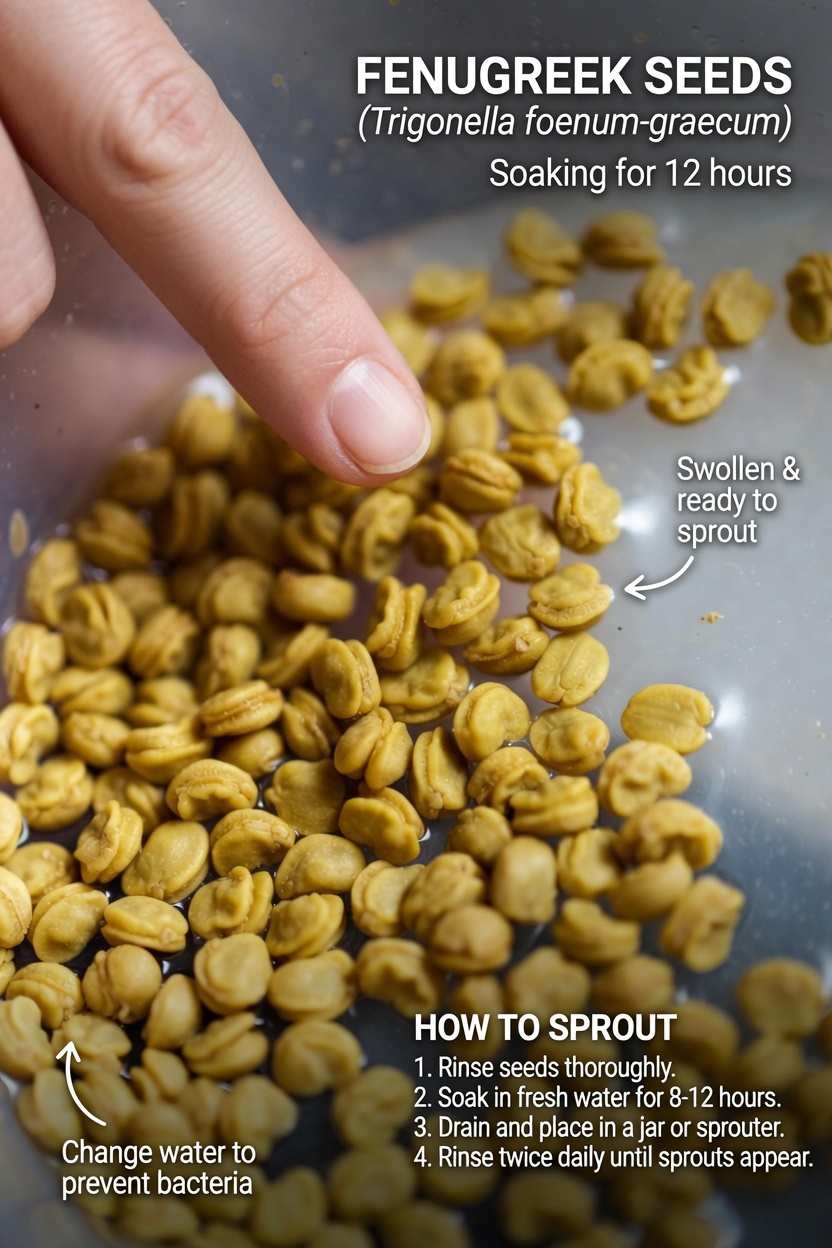
Step 1: Choose Good-Quality Seeds
- Select whole, clean fenugreek seeds from a reputable brand
- Organic options can help reduce exposure to contaminants
Step 2: Prepare the Seeds
Common preparation methods include:
-
Soaking:
- Place 1 teaspoon of seeds in water overnight
- Strain and use the softened seeds the next day
-
Dry-roasting:
- Gently roast the seeds in a dry pan until aromatic
- Grind into a powder to make them easier to digest and use in foods
Step 3: Daily Use Ideas
You can incorporate fenugreek in several simple ways:
- Stir 1 teaspoon of soaked seeds or ground powder into warm water or herbal tea
- Mix seeds or powder with a small amount of honey to improve flavor
- Add ground fenugreek to smoothies, yogurt bowls, soups, stews, or curries
Consistency matters more than complexity. Small daily amounts are usually sufficient for general wellness use.
Step 4: Suggested Amount and Timing
- Typical amount: About 1 teaspoon (around 5 g) per day is a common starting point
- Research range: Many studies use 5–10 g daily, often divided into smaller doses
- Timing: Some people prefer taking fenugreek in the morning on an empty stomach, though it can also be included with meals if that feels better for digestion
Tips to Support Kidney Health Alongside Fenugreek
Fenugreek works best as part of an overall healthy lifestyle:
- Stay well-hydrated: Adequate water intake helps the kidneys filter waste efficiently
- Eat balanced meals: Focus on vegetables, lean proteins, whole grains, and minimize heavily processed foods and excessive salt
- Monitor your body’s response: Notice any changes in digestion, energy, or other symptoms and adjust as needed
- Maintain regular check-ups: Blood pressure, blood sugar, and kidney function tests (like eGFR, creatinine, and urine albumin) are key indicators to track with your healthcare provider
Possible Side Effects and Precautions
Fenugreek is widely used as a culinary spice and is generally safe in food-level amounts. However, higher intakes or supplemental use can cause side effects in some people.
Common Mild Effects
- Digestive discomfort (gas, bloating, or loose stools)
- A sweet, maple-like smell in sweat or urine
These effects are usually harmless but can be noticeable.
Who Should Be Especially Careful?
- People on blood-thinning medications: Fenugreek may affect clotting and could increase bleeding risk
- People using diabetes medications or insulin: Fenugreek can lower blood sugar, so combined use may require closer monitoring and dose adjustments
- Pregnant women: High doses are not recommended due to traditional concerns and limited safety data
- Anyone with existing kidney disease or on multiple medications: Always consult a healthcare professional before adding fenugreek regularly
If you experience severe symptoms or suspect an allergic reaction, stop using fenugreek and seek medical advice promptly.
Key Takeaways: Fenugreek and Kidney Support
- Rich in beneficial compounds: Fenugreek seeds provide fiber, antioxidants, and bioactive substances that support metabolic and inflammatory balance.
- Emerging evidence: Animal research and early human studies suggest fenugreek may help maintain healthier kidney markers and protect against some forms of kidney stress, especially in metabolic conditions.
- Supportive, not curative: Fenugreek can be a helpful addition to a kidney-friendly lifestyle but should never replace prescribed medications or medical treatment.
- Use thoughtfully: Start with small daily amounts, pay attention to your body, and check with a healthcare provider if you have underlying conditions or take regular medications.
FAQ
1. How much fenugreek should I use daily for general wellness?
For most adults, starting with about 1 teaspoon (around 5 g) of soaked or ground fenugreek seeds once a day is reasonable. Many studies use 5–10 g daily, but the ideal amount can vary by individual. For personalized guidance—especially if you have health conditions—consult a healthcare professional or dietitian.
2. Can fenugreek replace my prescribed treatment for kidney problems?
No. Fenugreek is a supportive food ingredient, not a medical treatment. It cannot substitute for prescribed medications, dialysis, or other therapies. Always follow your doctor’s recommendations for any kidney-related condition and use fenugreek only as a complement to standard care.
3. Is it safe to combine fenugreek seeds with honey?
Yes, fenugreek seeds are often paired with honey to improve taste, and this combination is generally safe for most people. However, if you are monitoring your blood sugar or have diabetes, remember that honey adds extra sugar and should be used in moderation.