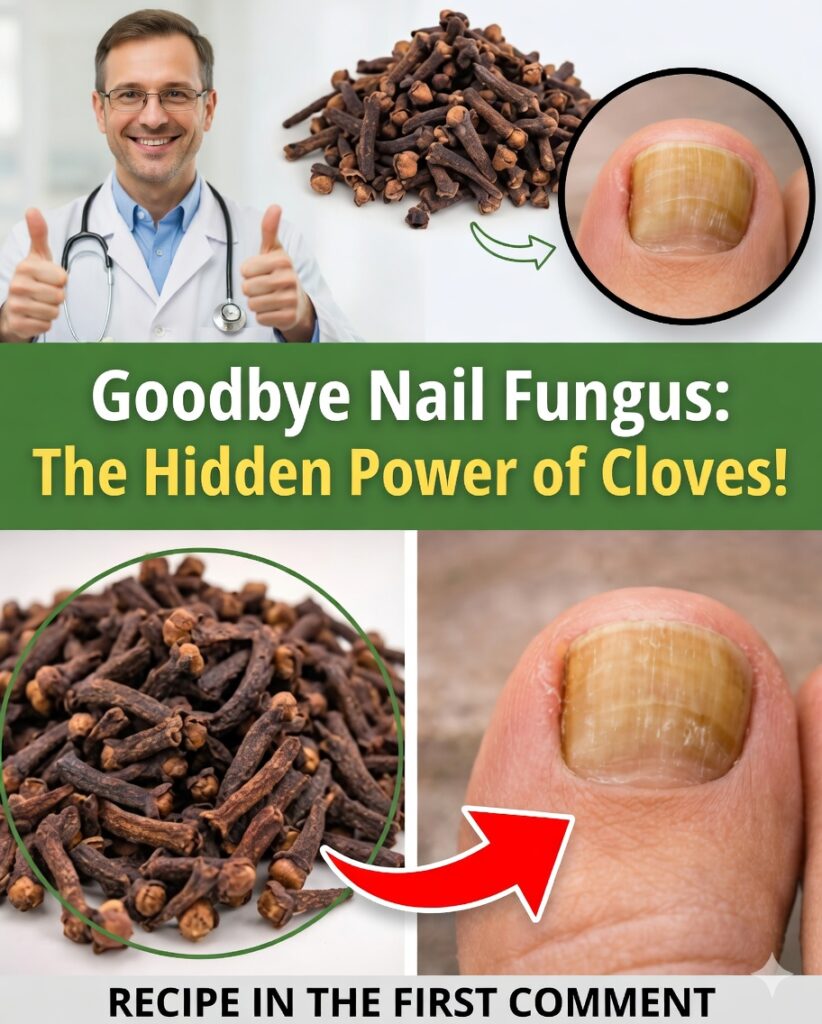
Say Goodbye to Yellow, Damaged Nails with This Powerful Natural Secret
Fungal nail infections, medically known as onychomycosis, are extremely common and can make nails thick, yellow, brittle, and unattractive. These infections occur when fungi invade the nail or the surrounding skin, most often affecting the toenails.
While medical treatments are available, many people look for natural remedies to support nail health. One ingredient that’s drawing increasing attention is clove. This aromatic spice is valued for its antimicrobial and antifungal properties, which may help combat the microorganisms responsible for nail infections.
Why Do Fungal Nail Infections Develop?
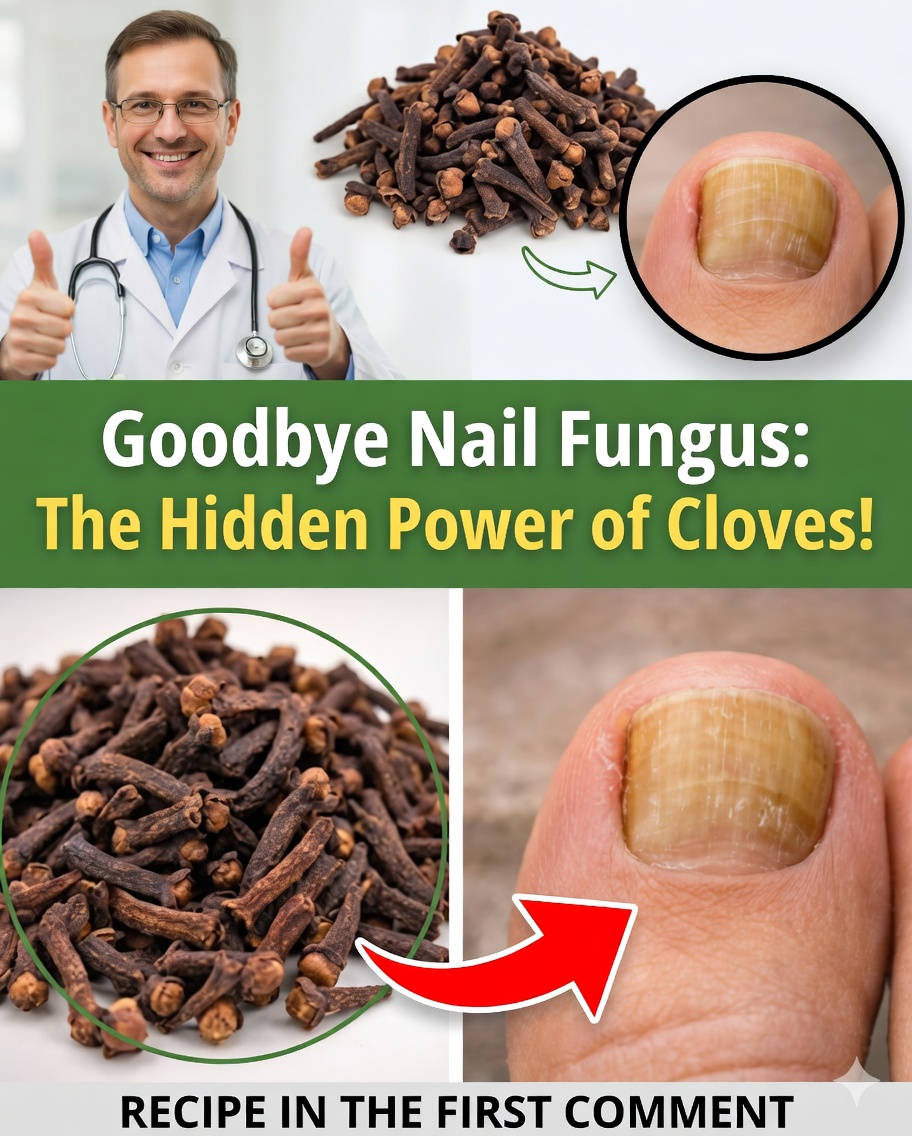
Fungal nail infections arise when dermatophytes, yeasts, or molds colonize the nail. Once established, these microorganisms can cause:
- Discoloration (yellow, brown, or whitish nails)
- Thickened or brittle nails
- Irregular, rough, or crumbly texture
Common factors that encourage the appearance of fungal nail infections include:
- Constant moisture around the feet
- Prolonged use of closed, non-breathable shoes
- A weakened or compromised immune system
- Walking barefoot in warm, damp public areas (pools, locker rooms, communal showers)
These infections can be stubborn and slow to resolve, which is why many people turn to natural antifungal options for additional support.
Clove: A Powerful Natural Antifungal
Clove contains a key active compound called eugenol, recognized for its strong antibacterial and antifungal actions. Research suggests that clove essential oil can help inhibit the growth of various fungi, including those involved in skin and nail infections.
Some studies also indicate that clove oil may interfere with the germination of fungal spores, making it a promising natural ally in the fight against nail fungus.
Key Benefits of Clove for Nail Health
Incorporating clove into your nail-care routine may offer several advantages:
-
Antifungal activity
Thanks to eugenol, clove can help slow down or limit the proliferation of fungi responsible for nail infections. -
Antiseptic support
Clove’s antimicrobial properties help keep the area cleaner, potentially reducing the risk of secondary bacterial involvement. -
Soothing effect on inflammation
It may help calm redness, irritation, and sensitivity around the affected nail. -
Improved nail appearance over time
As the infection gradually diminishes, the healthy nail has a better chance to grow back with a clearer, more uniform look—though this process naturally takes time, as nails grow slowly.
How to Use Clove for Fungal Nails
Here are some simple at-home methods that incorporate clove. Always use them consistently and with care:
1. Diluted Clove Essential Oil
- Mix 6–8 drops of clove essential oil with 2 tablespoons of coconut oil or another carrier oil (such as olive or almond oil).
- Apply a small amount to the affected nail and surrounding skin twice a day.
- Dilution is crucial to minimize the risk of irritation or burning sensations.
2. Clove Foot Soak
- Boil 1 tablespoon of whole cloves in water for about 10 minutes.
- Allow the water to cool until it is warm but comfortable to the touch.
- Soak your feet for 15–20 minutes, then dry them thoroughly, especially between the toes.
3. Natural Clove Paste
- Crush a few whole cloves into a fine powder.
- Mix with a small amount of coconut oil to form a paste.
- Apply the paste to the affected nail and leave it on for about 20 minutes, then rinse and dry carefully.
Use these methods regularly over several weeks; fungal nails typically improve slowly, in line with the nail’s natural growth cycle.
Important Precautions
Even though clove is a natural product, it must be used correctly:
- Never apply undiluted clove essential oil directly on the skin or nail.
- Perform a patch test on a small area of skin before using it more widely.
- Stop use immediately if you notice burning, intense redness, itching, or any other signs of irritation.
Natural remedies can be helpful for mild cases or as a complementary approach. However, severe, painful, or persistent infections require medical evaluation and appropriate treatment from a healthcare professional.
Practical Tips to Prevent Nail Fungus
Prevention is a key step in maintaining healthy nails and avoiding reinfection:
- Keep feet clean and thoroughly dry, especially between the toes.
- Choose breathable footwear and avoid wearing tight, closed shoes for long periods.
- Change socks daily, or more often if your feet sweat a lot.
- Avoid sharing nail clippers, files, or other manicure/pedicure tools.
- Wear flip-flops or sandals in public showers, pools, and locker rooms.
Final Thoughts
Clove stands out as a promising natural remedy for supporting nail health, thanks to its antifungal and antiseptic properties. While it should not replace professional medical treatment in serious cases, it can be a valuable addition to a broader care routine for fungal nails.
With regular use, patience, and good hygiene practices, this simple kitchen spice may become a powerful ally in your journey toward clearer, stronger, and healthier nails.