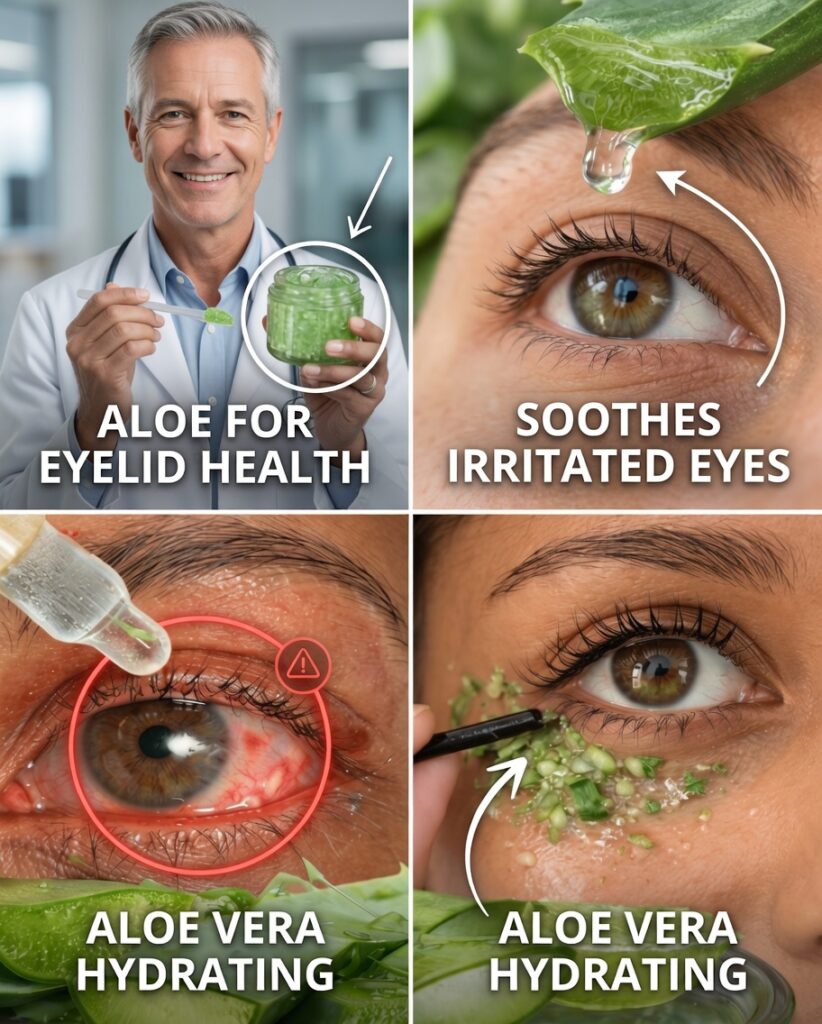
Burning, Red, Tired Eyes? This Gentle Natural Routine Could Change Your Daily Comfort
Your eyes don’t scream when something is wrong… they whisper.
A gritty sensation, a faint burning, redness that makes you look exhausted even after a full night’s sleep. Before you notice, you’re rubbing your eyes over and over without thinking about it.
What if this didn’t have to be “just the way it is”?
What if a softer, more natural routine could genuinely improve your comfort?
Keep reading to the end—what you’re about to discover might reshape your everyday eye-care habits.
Why Your Eyes Feel More Sensitive With Time
As we get older—especially after the age of 40—our eyes tend to become more reactive and delicate. Modern life doesn’t help:
- Long hours in front of screens
- Air conditioning or heating
- Wind and pollution
- Contact lenses
- Prolonged reading or close-up work
All of these can increase eye strain and discomfort.
But dry eye is not simply a matter of “not enough tears.” It also depends on:
- The quality of your tears
- The health of the glands in your eyelids
- Your environment and daily habits
This is why a gentle, consistent routine can make a real difference.
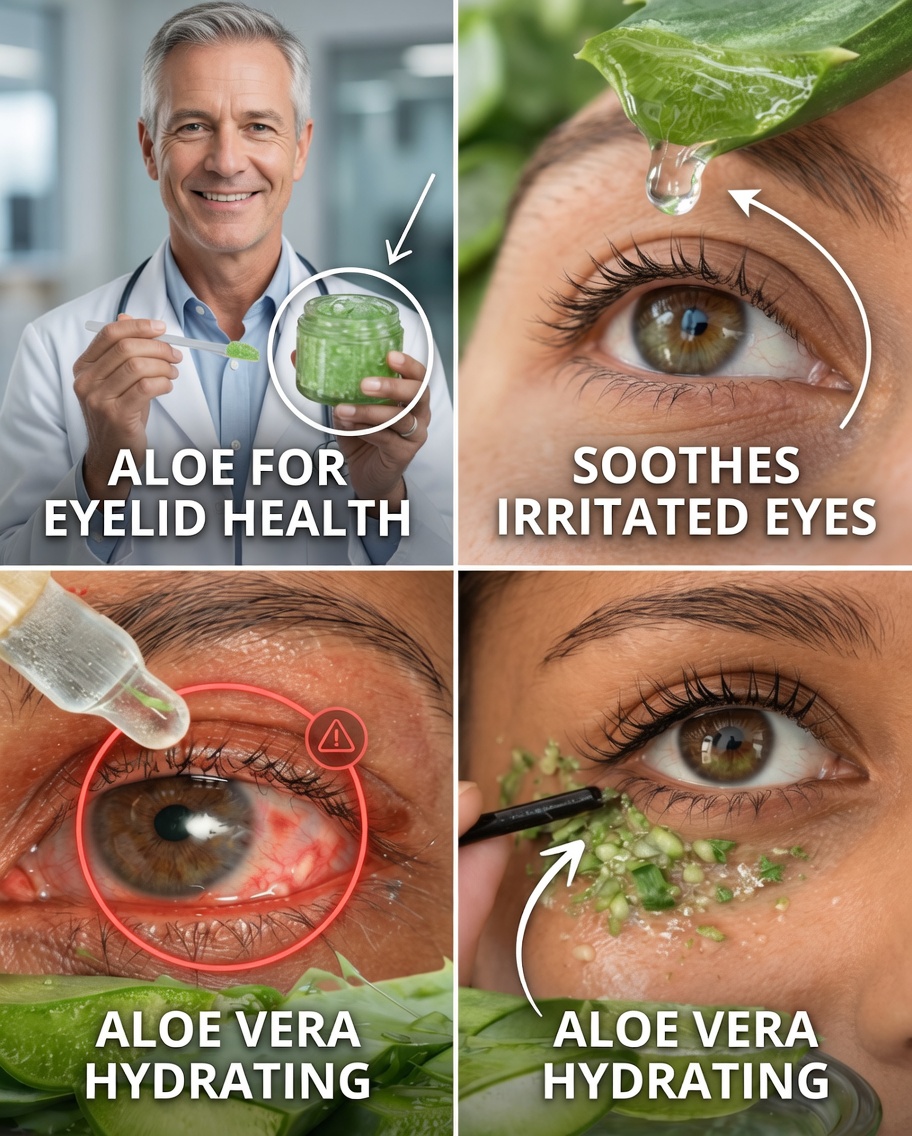
Aloe Vera: Soothing, But Not For Direct Eye Use
Aloe vera is widely appreciated for calming and hydrating the skin. Its high content of polysaccharides and moisturizing compounds makes it a popular choice for soothing irritation and dryness.
However, your eyes are far more sensitive than your skin. They require:
- Strict hygiene
- Sterile conditions
- A very specific pH and composition
Key rule: Never apply fresh aloe vera gel directly into your eyes.
Doing so can increase the risk of irritation, infection, or serious discomfort.
So how can aloe vera be helpful—while staying safe?
Realistic Benefits of Aloe Vera (For External Use Only)
When used correctly and only on the skin around the eyes, aloe vera can gently support your overall eye comfort.
1. Soothes the eye contour
Applied around the orbital bone (never too close to the lash line), aloe gel provides a cooling sensation that can:
- Reduce the urge to rub your eyes
- Promote a feeling of calm and relief
2. Hydrates delicate skin
Dry, tight skin around the eyes can make overall discomfort feel worse. Aloe vera helps:
- Restore a supple, smoother feel
- Reduce sensations of tightness and dryness
3. Mild decongesting effect
Used slightly chilled, aloe can:
- Help lessen puffiness
- Give the eye area a more rested, refreshed appearance
4. Encourages a gentler routine
Incorporating aloe vera often goes hand in hand with:
- Using fewer harsh or heavily fragranced products
- Adopting a more minimalist, skin-friendly care routine
This can reduce the risk of additional irritation around the eyes.
5. Supports a calming evening ritual
Used in a nighttime routine—ideally combined with:
- Less screen time before bed
- More rest and relaxation
Aloe vera can indirectly support better eye comfort by helping you wind down and care for the area around your eyes.
How to Use Aloe Vera Safely Around the Eyes
To enjoy the benefits without putting your eyes at risk, follow these guidelines:
-
Choose a pure gel:
Use a high-quality aloe vera gel that is as pure as possible, without added fragrance, alcohol, or irritating ingredients. -
Apply only to the orbital bone:
Gently dab a small amount around the eye socket bone, not on the eyelids’ edge and not close to the lashes. -
Avoid direct eye contact:
Do not let the gel get into your eyes. If it does, rinse thoroughly with clean water and seek medical advice if irritation persists. -
Use slightly cooled gel:
A gel stored in the refrigerator (lightly chilled, not frozen) can boost the soothing and de-puffing effect. -
Limit the frequency:
1–2 applications per day are usually enough.
Important Precautions
Aloe vera is not suitable for everyone or every situation. Be cautious if:
- You have a known allergy to aloe or related plants (like some lilies or garlic)
- The skin around your eyes is irritated, broken, or wounded
- You wear contact lenses—avoid using aloe immediately before inserting lenses
- Your discomfort is persistent, severe, or worsening—this needs professional evaluation
When in doubt, speak with an eye care professional or dermatologist before starting a new product around your eyes.
Warning Signs: See a Professional Immediately
Stop all home care experiments and consult an eye specialist urgently if you notice:
- Intense or persistent eye pain
- Blurred or fluctuating vision
- Strong sensitivity to light (photophobia)
- Discharge, swelling, or redness that increases
- Any symptoms that rapidly worsen or do not improve
Your eyes are too precious to ignore serious warning signs.
A Simple 7-Day Plan To Support Eye Comfort
Use this one-week plan as a gentle reset for your eyes and the skin around them:
Day 1–2: Blink consciously + hydrate
- Make a habit of deliberate, full blinks—especially when using screens.
- Drink more water to support overall hydration.
Day 3–4: Reduce dry air exposure
- Limit time in strong air conditioning or direct fan airflow.
- Use a humidifier if your environment is very dry.
Day 5: Simplify products around your eyes
- Remove unnecessary creams, makeup removers, or harsh cleansers.
- Choose mild, fragrance-free products suitable for sensitive skin.
Day 6: Add preservative-free artificial tears (if tolerated)
- Use lubricating eye drops without preservatives, as recommended by a professional.
- Follow instructions carefully and avoid overuse.
Day 7: Introduce aloe vera externally as a soothing ritual
- Apply a small amount of pure aloe gel on the orbital area only.
- Make it part of a calming evening routine with reduced screen time.
The Real Secret
Aloe vera is not a magic cure for eye problems.
It is simply a gentle tool that can encourage better habits.
The true transformation comes from:
- Consistency
- Soft, respectful care
- Listening to what your eyes are trying to tell you
Ask yourself:
- On a scale of 1 to 10, how comfortable are your eyes today?
- What is one small change you could implement tonight?
Protect your eyes—they are with you for life, and they deserve thoughtful, consistent care.