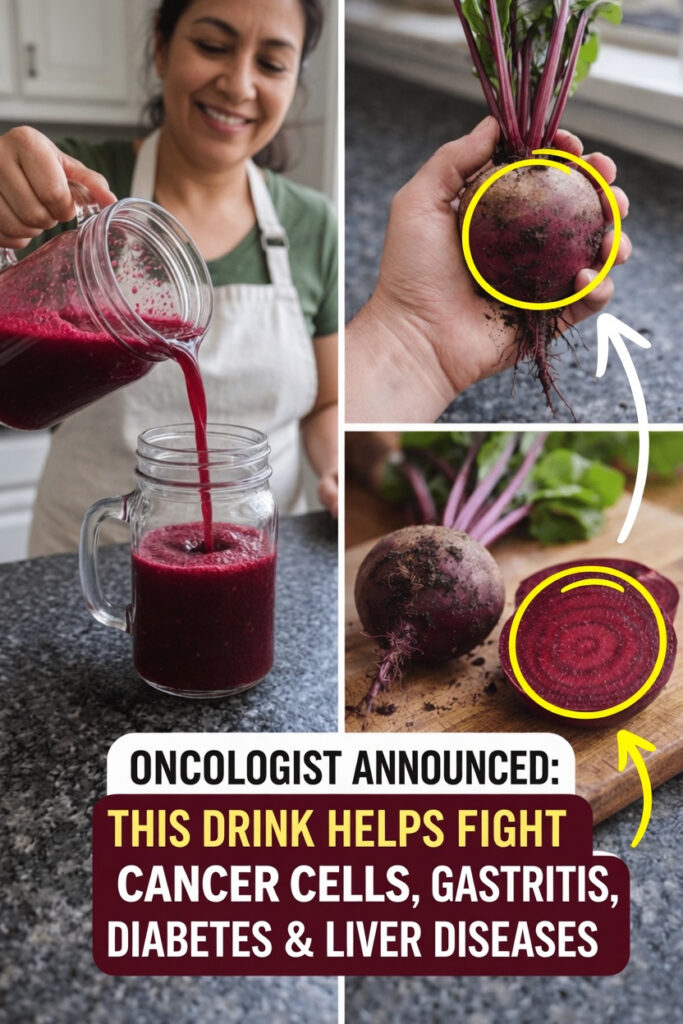
Beetroot Juice Benefits: A Simple, Natural Way to Support Heart Health and Energy
In a fast-moving world, many people want simple and natural ways to improve cardiovascular health, maintain steady energy, and support overall well-being. Occasional tiredness, changes in blood pressure, or a general lack of vitality can make daily life feel more difficult than it should. Among the many wellness drinks available today, beetroot juice has become especially popular for its rich color, dense nutrition, and growing scientific interest.
So, what makes this bright red drink so special? And is it really worth adding to your routine? Keep reading to learn about its nutrients, possible health benefits, and an easy homemade recipe you can try for yourself.
Why Beetroot Juice Gets So Much Attention
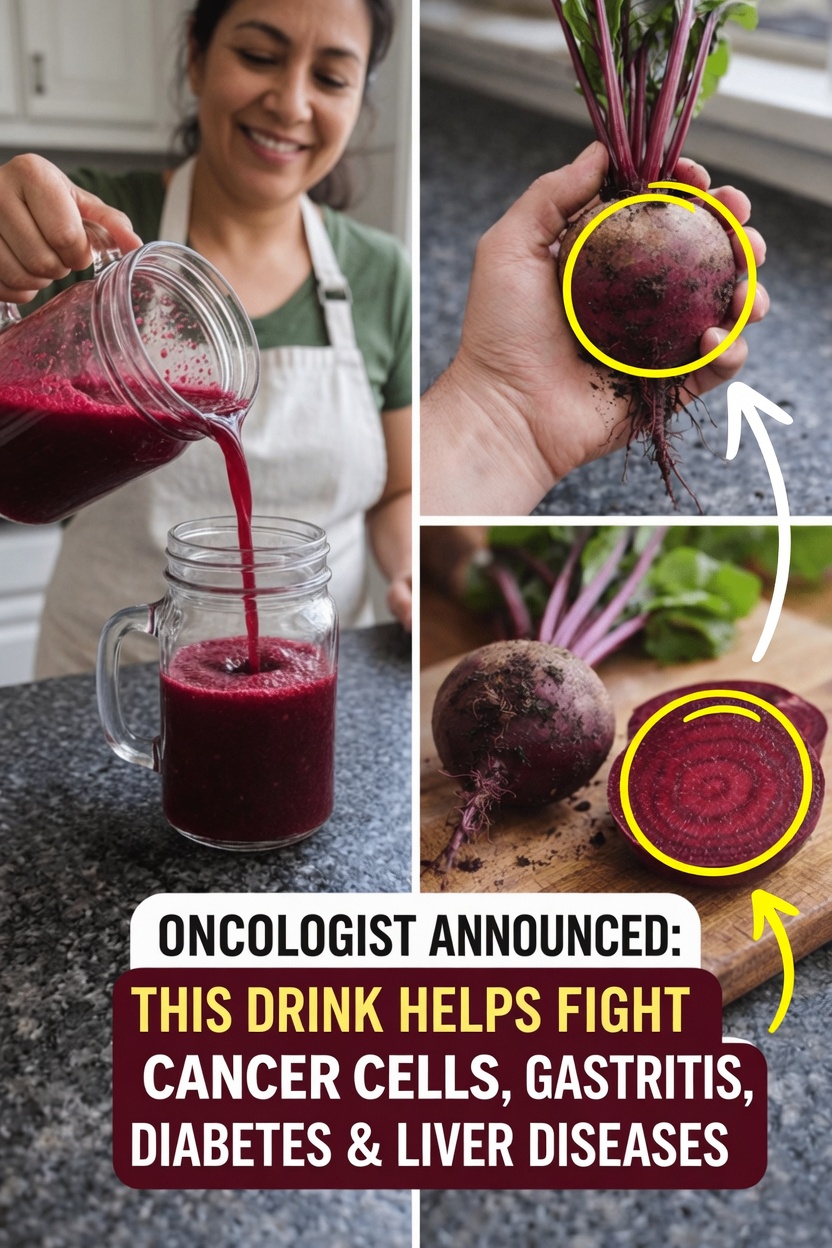
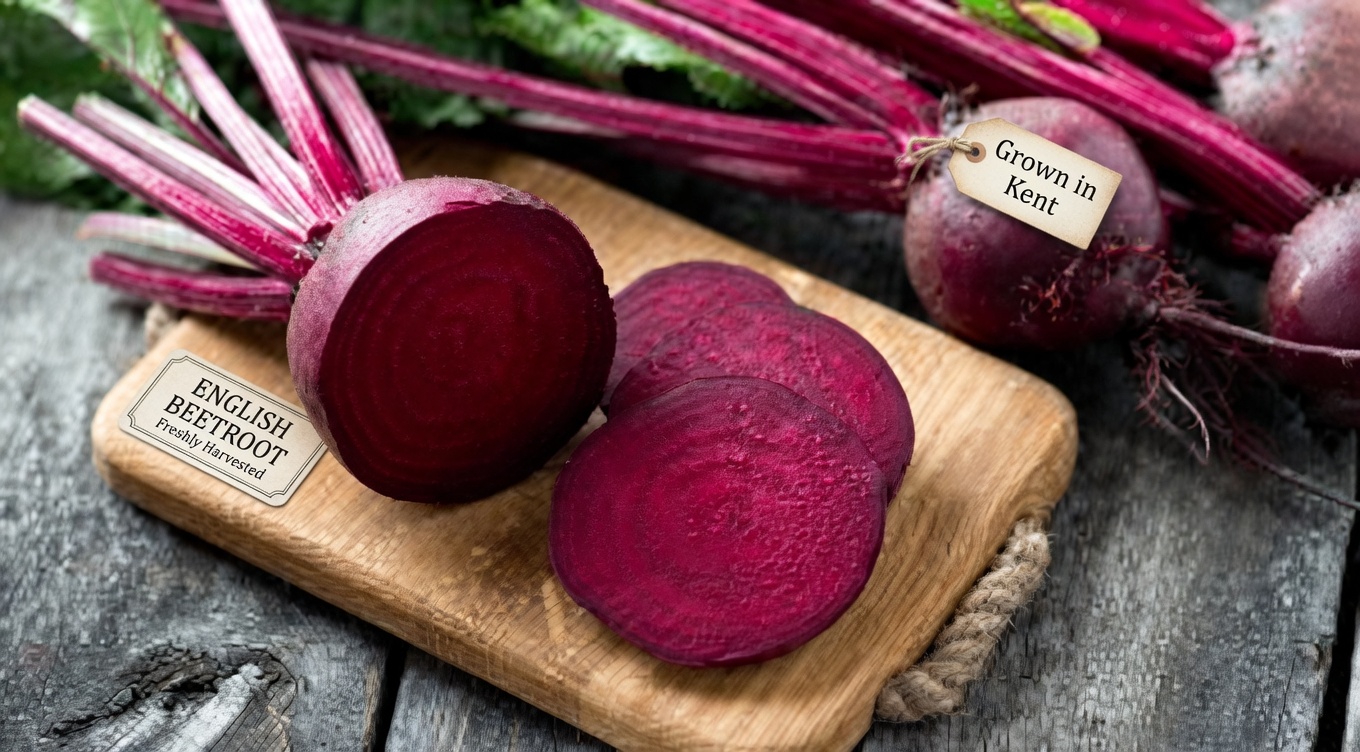
Beetroot, often simply called beet, is a root vegetable known for its striking red-purple hue. That intense color comes from natural plant compounds called betalains. Along with these antioxidants, beets are also rich in dietary nitrates, which are one of the main reasons beetroot juice has attracted researchers and health-conscious consumers.
When fresh beets are turned into juice, their beneficial compounds become concentrated in a convenient, easy-to-drink form. Studies suggest that the nitrates found in beetroot may be converted by the body into nitric oxide, a compound involved in helping blood vessels relax and widen.
Beyond nitrates, beetroot juice also provides a variety of vitamins and minerals that support good nutrition and help make it more than just a trendy beverage.
Main Nutrients in Beetroot Juice
A single glass of beetroot juice can provide an impressive range of nutrients. Some of the most notable include:
- Folate (Vitamin B9): Important for healthy cell function and overall wellness
- Potassium: Helps support fluid balance and normal heart rhythm
- Manganese: Contributes to bone health and metabolism
- Antioxidants such as betalains: Help protect the body from oxidative stress
Because of this nutrient combination, beetroot juice can be a valuable plant-based addition to a balanced diet.
Potential Health Benefits of Beetroot Juice
Researchers have examined beetroot juice in several areas of health and performance. While results vary from person to person, the evidence points to a few promising benefits.
1. May Help Support Healthy Blood Pressure
One of the most widely studied benefits of beetroot juice is its potential role in supporting normal blood pressure. Research suggests that the nitrate content may help maintain healthy blood pressure levels, especially in individuals with higher readings. Some reviews have reported improvements in systolic blood pressure after regular intake.
2. May Improve Exercise Endurance and Performance
Beetroot juice is also popular among athletes and active individuals. Studies indicate that it may help the body use oxygen more efficiently during exercise. This could support longer workouts, better stamina, or improved physical performance in some people.
3. Provides Antioxidant and Anti-Inflammatory Support
Beets contain betalains and other beneficial plant compounds that may help reduce oxidative stress, which the body experiences as part of everyday life. These antioxidants may also contribute to a healthy inflammatory response.
4. Other Areas Still Being Studied
Some early research has explored the possible effects of beetroot on metabolic health and liver function. However, more evidence is needed before any strong conclusions can be made.
It is important to remember that beetroot juice is not a cure-all. Its effects depend on many factors, including diet, lifestyle, activity level, and individual health conditions.
How to Make Fresh Beetroot Juice at Home
Making beetroot juice yourself is easy and gives you full control over the ingredients. Here is a simple recipe for 1 to 2 servings.
Ingredients
- 3 to 4 medium fresh beetroots, washed and trimmed
- 2 apples, for natural sweetness
- 1 lemon, peeled, to brighten the flavor
- Optional: 1 small piece of ginger, about 1 inch, for extra freshness
Step-by-Step Instructions
- Cut the beets, apples, and lemon into pieces that fit your juicer.
- Juice all ingredients, starting with the softer items if your machine requires it.
- Stir the juice well before serving.
- Pour over ice if you like it cold.
- Drink it fresh for the best flavor and nutrient value. A serving of 8 to 12 ounces is a good starting point.
No Juicer? No Problem
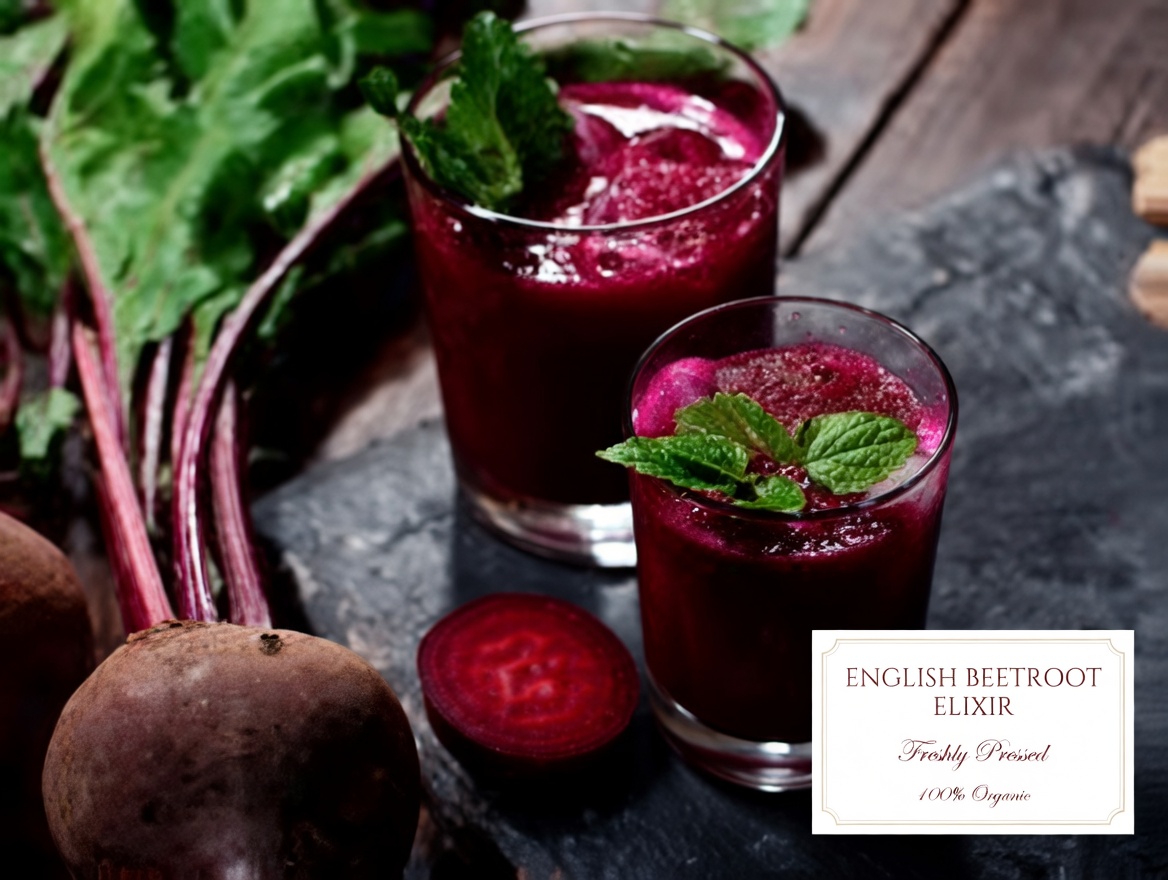
If you do not have a juicer, place all the ingredients in a blender with a small amount of water. Blend until smooth, then strain the mixture through a fine mesh strainer or a nut milk bag. This method may leave in a little more fiber, which can be helpful for digestion.
Helpful Beginner Tip
If beetroot juice is new to you, begin with a smaller portion. Its earthy taste can be quite strong at first, and starting slowly can make it easier to get used to.
Easy Ways to Add Beetroot Juice to Your Diet
If you want to make beetroot juice a regular habit, these ideas can help:
- Drink it in the morning for a refreshing nutrient boost
- Add it to smoothies with berries or spinach to soften the earthy flavor
- Use it in salad dressings or soups for a vibrant color and extra nutrition
- Combine it with meals that contain vitamin C to support iron absorption from plant foods
The key is consistency, not perfection. Drinking it 2 to 3 times per week is a practical place to start. Then you can observe how your body responds.
Things to Know Before You Start Drinking Beetroot Juice
For most people, beetroot juice is considered safe. However, there are a few things to keep in mind:
- It can temporarily turn urine or stool pink or red. This harmless effect is called beeturia.
- If you have a history of kidney stones, speak with a healthcare professional before drinking it regularly.
- If you take blood pressure medication, it is wise to check with your doctor first, since the nitrate content may affect blood pressure in some cases.
Final Thoughts: Is Beetroot Juice Worth Trying?
Beetroot juice is a flavorful and nutrient-rich drink that can add variety to your diet while offering potential support for blood pressure, exercise stamina, and antioxidant protection. It is not a miracle solution, but it may be a smart and simple addition to a healthy lifestyle.
If you are curious, start with a modest amount, pay attention to how you feel, and enjoy its bold color and earthy taste as part of a balanced wellness routine.
FAQ
How much beetroot juice can I drink per day?
Many studies use around 8 to 16 ounces (250 to 500 ml) daily. If you are just starting, begin with less and increase gradually depending on your comfort and response.
Can I drink beetroot juice if I already have low blood pressure?
It is best to ask a healthcare provider first. Because beetroot juice contains nitrates, it may reduce blood pressure further in some individuals.
Does beetroot juice detox the body?
The body already has natural detoxification systems, especially the liver. Beetroot juice can provide nutrients that support overall health, but no single food or drink can detoxify the body on its own.