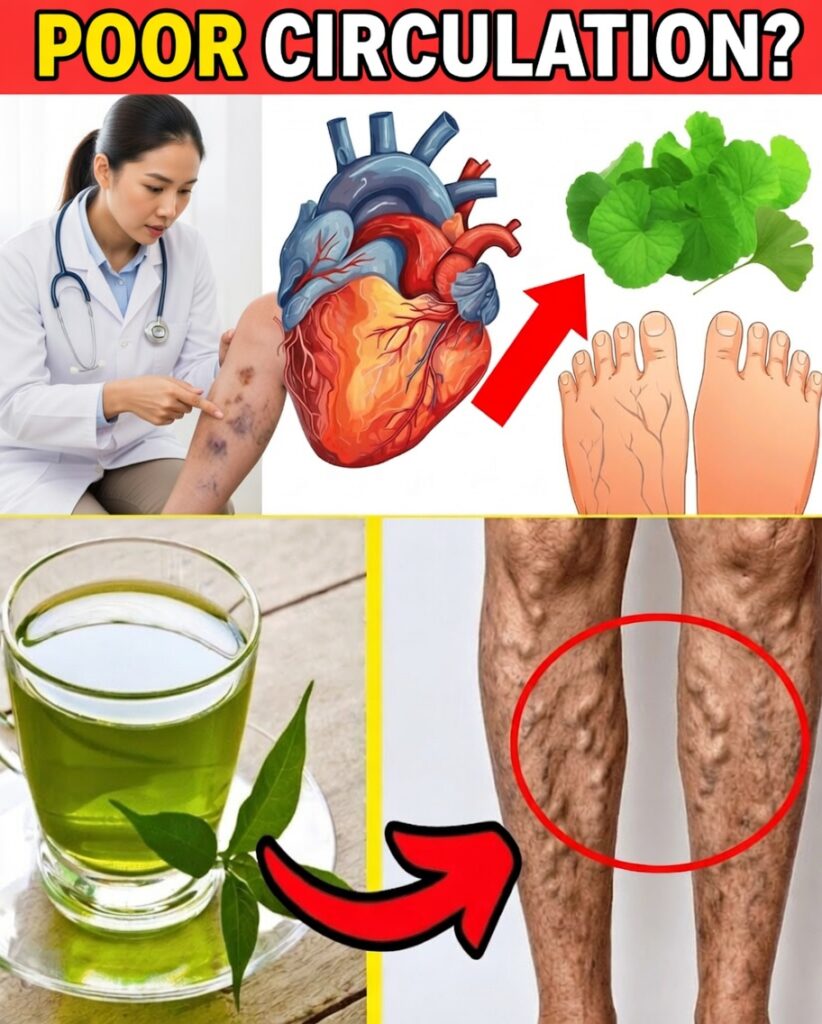
Varicose Veins, Swelling, Discomfort? A Simple Natural Routine to Boost Leg Circulation
Do you ever end a long day feeling as if your legs are weighed down by something you can’t see? Maybe your ankles are puffy, your calves feel tight, or you’ve noticed winding blue veins becoming more visible over time. Varicose veins aren’t just a cosmetic issue — they can be uncomfortable and unpredictable. So how can you help your legs feel lighter day after day?
Take a moment now and check in with your body: on a scale from 1 to 10, how comfortable do your legs feel? If your number is on the lower side, keep reading. Some of the most effective strategies for circulation are surprisingly simple — and often overlooked.
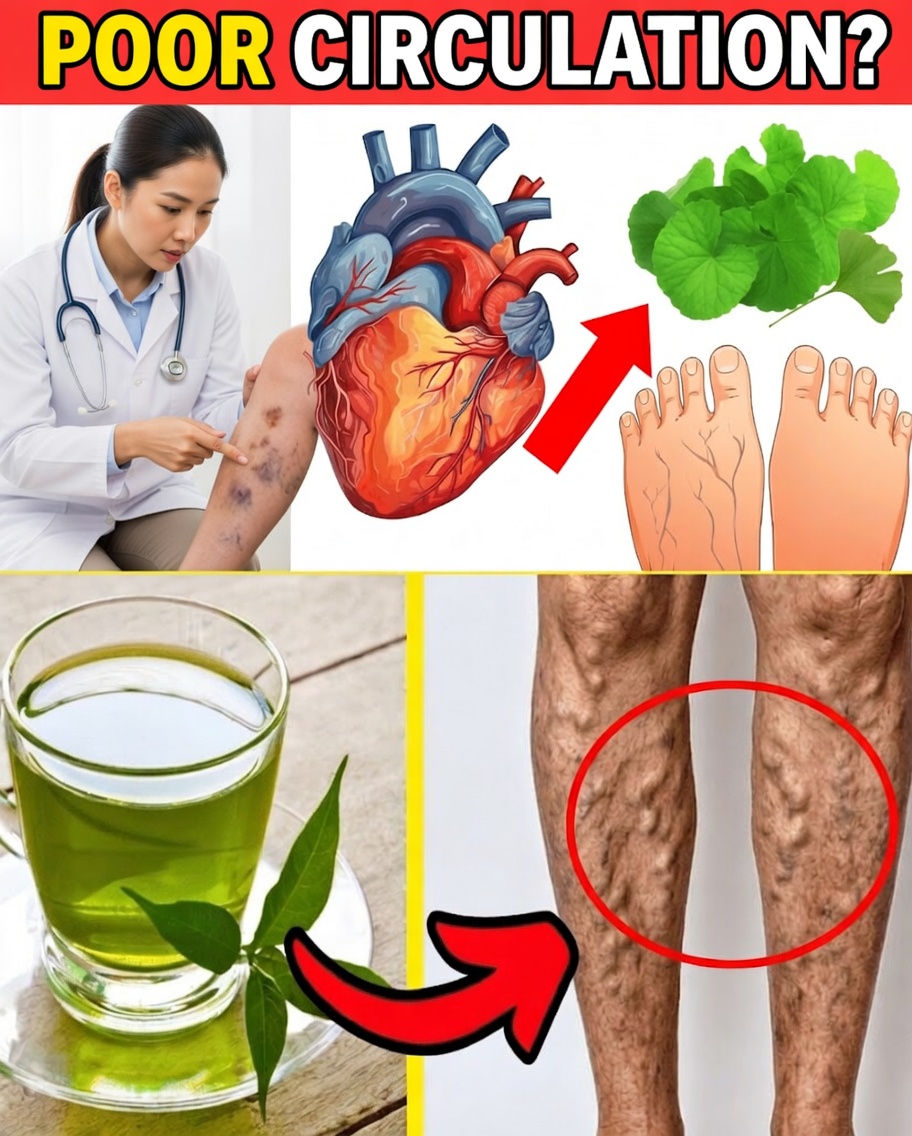
What’s Really Happening with Varicose Veins?
Varicose veins develop when the tiny valves inside your veins don’t close properly. Instead of sending blood smoothly back toward the heart, these weakened valves allow blood to pool in the legs. Over time, this can lead to:
- Increased pressure inside the veins
- Swelling around the ankles and calves
- A heavy, dragging sensation in the legs
Many people assume that only medical treatments can help. While professional care is important in more advanced cases, gentle lifestyle changes can noticeably improve comfort and circulation, especially in the early stages.
Why Varicose Veins Are More Than a Cosmetic Concern
Beyond their appearance, varicose veins can cause:
- Aching or throbbing pain
- Itching and irritation
- Restless legs at night
- A feeling of fatigue and heaviness
When your legs don’t feel good, you naturally move less. Unfortunately, reduced movement slows circulation even more, creating a cycle that can gradually worsen symptoms. The good news: consistent, small changes can help break that cycle.
10 Natural Strategies to Support Leg Comfort and Circulation
1. Stay Properly Hydrated
Adequate hydration keeps your blood less viscous and supports smoother circulation. Aim to sip water regularly throughout the day, starting from the morning.
2. Walk Frequently
Your calf muscles act like a “natural pump,” helping push blood back toward the heart. Even 5 minutes of walking every hour can make a difference if you sit or stand for long periods.
3. Elevate Your Legs
Lie down and raise your legs above heart level for 10–20 minutes. This simple posture reduces pressure in the leg veins and can ease swelling and heaviness.
4. Use Compression Stockings Wisely
Graduated compression stockings support venous return, especially if you spend many hours on your feet or seated. Use them during times you know your legs are under more strain, such as long workdays or travel.
5. Strengthen Calves and Ankles
Gentle strengthening exercises help your muscles assist blood flow. Try:
- Standing calf raises (rising onto the balls of your feet)
- Ankle circles and flexes while seated
Just a few minutes daily can contribute to better circulation.
6. Increase Fiber and Plant-Based Foods
A diet rich in vegetables, fruits, legumes, and seeds supports vascular health and a healthy weight — both important for vein comfort. Fiber also helps prevent constipation, which can otherwise increase pressure in the veins.
7. Cut Back on Excess Salt
Too much sodium encourages water retention and swelling. Reducing highly processed and salty foods can help your legs feel less puffy at the end of the day.
8. Avoid Staying Completely Still for Long Periods
Our bodies are designed to move. If you sit a lot, stand up and stretch regularly. If you stand a lot, shift your weight, walk a few steps, or flex your calves. Frequent small movements encourage better blood flow.
9. Try Gentle Massage
Light massage, always moving upward toward the heart, can stimulate circulation. Use a soft pressure with a suitable oil or cream, avoiding any areas that are painful, inflamed, or where the skin is damaged.
10. Support Sleep and Manage Stress
Quality sleep and stress management help your body repair and regulate circulation. Simple practices like deep breathing, stretching before bed, or a regular sleep schedule can support overall vascular health.
A Simple 7-Day Starter Plan
Use this one-week plan to begin easing discomfort and improving circulation:
- Day 1: Drink more water than usual and take two 5-minute walks.
- Day 2: Add 15 minutes of leg elevation above heart level.
- Day 3: Include a short session of calf exercises (such as calf raises).
- Day 4: Reduce or remove at least one salty or highly processed food from your day.
- Day 5: Take a walk after dinner to support evening circulation.
- Day 6: Try compression stockings if your legs feel heavy or swollen.
- Day 7: Check in with your body: has your leg comfort improved compared to Day 1?
Conclusion: Small Steps, Real Relief
Varicose veins can feel discouraging, but you may have more influence over your comfort than you realize. There is no magic cure, yet combining simple daily habits can meaningfully improve circulation and how your legs feel.
Start with one action today: drink a glass of water, take a short walk, or elevate your legs for a few minutes tonight. Keep it up for 7 days and pay attention to any changes in heaviness, swelling, or discomfort.
Quick tip for tonight: Elevate your legs for 15 minutes before bed. You may be pleasantly surprised by how much lighter your legs feel afterward.
This article is for informational purposes only and does not replace professional medical advice. If you experience significant pain, persistent swelling, skin changes, or other concerning symptoms, consult a healthcare specialist.