Seniors Over 60: The Truth About the “Hidden Vitamin” and a Safer Way to Support Your Heart
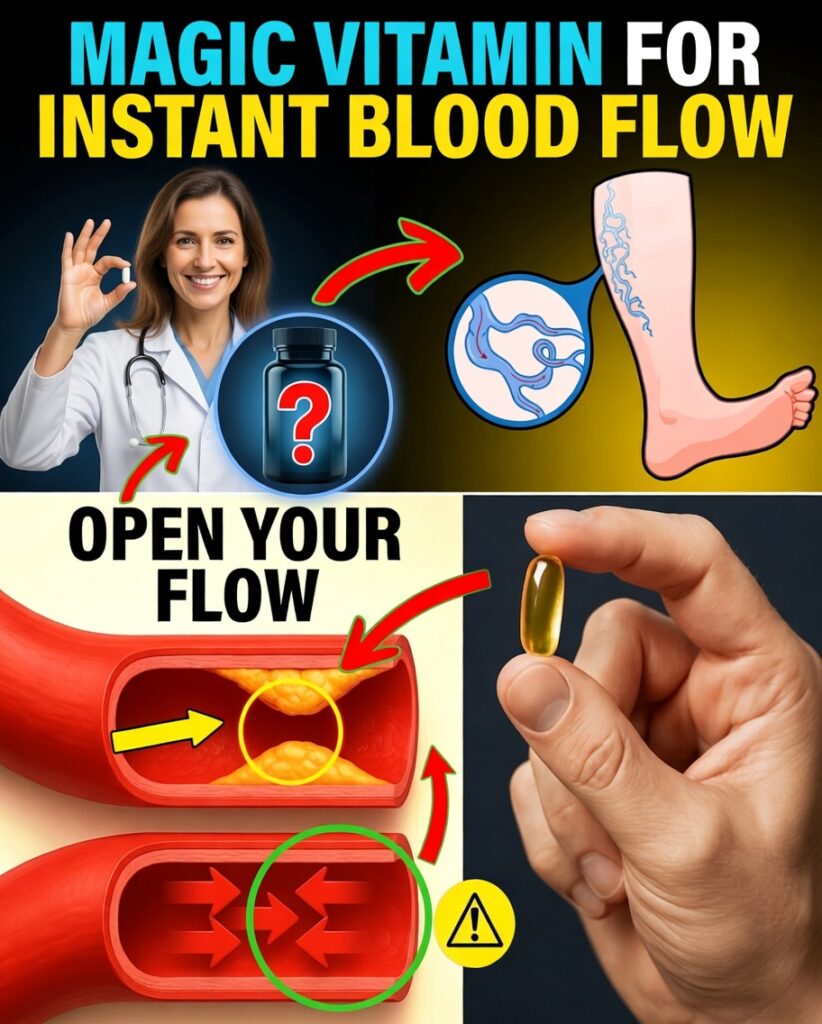
Have you seen online videos claiming there is a “hidden vitamin” that can “melt plaque” and restore blood flow almost overnight? If you are over 60, this promise can sound very tempting—especially when you are looking for more energy, warmer hands and feet, and peace of mind about your heart. But what is real, and what is simply marketing?
Imagine this for a moment: you pause, take a deep breath, place your hand on your chest and wonder, “Am I really doing enough for my arteries?” Do you feel less resilient than you used to? Have stairs become more challenging? If you had to rate your circulation from 1 to 10, which number would you choose? The truth is more complex than a miracle cure—but also more reassuring.
Atherosclerosis: Why There Is No Instant “Artery Cleanser”
Atherosclerosis—the buildup of plaque in the arteries—is a gradual and multifactorial process. Plaques form over time through a combination of inflammation, cholesterol, calcium deposits, and fibrous tissue. There is no supplement that can suddenly “unclog” arteries like a drain cleaner.
However, certain nutrients can support vascular health, help maintain a healthy inflammatory balance, and assist with proper calcium handling in the body—when used wisely and as part of a larger lifestyle strategy.
Contrary to what some videos suggest, plaques are not like candle wax that you can simply melt away. They are made of fats, immune cells, and sometimes calcium. Some plaques are soft and unstable, others are harder and more calcified. This diversity is precisely why a one-size-fits-all “magic pill” cannot work for everyone.
Are Supplements Useless? Not at All—But They’re Not Magic
This does not mean supplements have no value. It means expectations must be realistic. The goal is to support your body’s natural processes, not to search for a miracle cure.
Effective cardiovascular support comes from the accumulation of small, consistent habits that work together: nutrition, movement, stress management, medical care, and—where appropriate—targeted supplements.
Many popular videos highlight six specific nutrients:
- Vitamin K2
- Omega-3 fatty acids (such as krill oil)
- Vitamin E
- Aged garlic extract
- Vitamin C
- Evening primrose oil
These are often marketed as “artery cleaners.” That claim is exaggerated. In reality, these nutrients may help support healthy blood vessels, normal blood flow, and balanced inflammation—but only as part of an overall heart-healthy lifestyle, not as a standalone cure.
A Smarter Approach to Heart and Artery Health After 60
A more realistic, science-based strategy can offer several important benefits:
1. Less Anxiety About Symptoms
Understanding that cardiovascular health is a long-term process can reduce fear and panic. When you see heart health as something you can slowly improve, step by step, you are more likely to take consistent, practical actions instead of chasing quick fixes.
2. Better Daily Energy
A balanced diet rich in nutrients and low in ultra-processed foods helps stabilize blood sugar and energy levels. Over time, this can translate into less fatigue, more stamina, and a greater sense of vitality.
3. Smarter Calcium Management
Nutrients such as vitamin K2 may help guide calcium into your bones and teeth instead of allowing it to accumulate in soft tissues like arteries. This does not “erase” existing plaques, but it may support healthier calcification patterns in the long term.
4. Stronger, More Flexible Blood Vessels
Regular physical activity—especially walking—and a heart-healthy diet improve arterial flexibility and function. Over time, this can help your cardiovascular system respond better to daily demands and stress.
5. Improved Circulation
Simple, consistent movement is one of the most powerful tools you have. Even a short daily walk can help promote better blood flow, support leg circulation, and reduce the feeling of heaviness or cold extremities.
6. Reduced Oxidative Stress
Foods rich in antioxidants—such as colorful vegetables, fruits, nuts, seeds, and certain oils—support the body’s defense against oxidative stress. This is important for protecting blood vessels and overall cardiovascular health.
7. More Balanced Blood Pressure
Small, sustainable changes—like reducing highly processed foods, moderating salt intake (when appropriate), eating more potassium-rich foods (such as certain fruits and vegetables), and staying hydrated—can help support balanced blood pressure over time.
Above all, this kind of approach supports your long-term independence and quality of life. The real goal is not a dramatic overnight change, but stable, lasting heart health as you age.
What You Can Do Right Now
Instead of searching for a single “miracle vitamin,” focus on a simple, sustainable routine:
-
Eat a balanced, nutrient-dense diet
Include adequate protein, plenty of colorful vegetables, some fruit, whole grains (if tolerated), and healthy fats (such as olive oil, nuts, seeds, and fatty fish). -
Walk every day, even briefly
A 10–20 minute walk is better than none. Start small and build up as your body allows. -
Cut back on highly processed foods
Limit sugary drinks, packaged snacks, fast food, and products with long ingredient lists. -
Manage stress with simple routines
Try deep breathing, light stretching, meditation, gentle hobbies, or regular social contact—all of which support heart health. -
Talk to a healthcare professional before adding supplements
This is essential if you are taking medications (especially blood thinners, blood pressure drugs, or cholesterol-lowering treatments), as some supplements can interact with them.
Keep Your Hope—But Change the Strategy
If the idea of a “hidden miracle vitamin” attracted you, you are not alone. Wanting a quick solution is human. You can keep your hope for better health—but place that hope in something more reliable: consistent, safe, evidence-based habits.
In the end, it is not a spectacular, one-time solution that protects your heart. It is the small, sensible actions you repeat day after day that make the real difference for your arteries, your circulation, and your future independence.