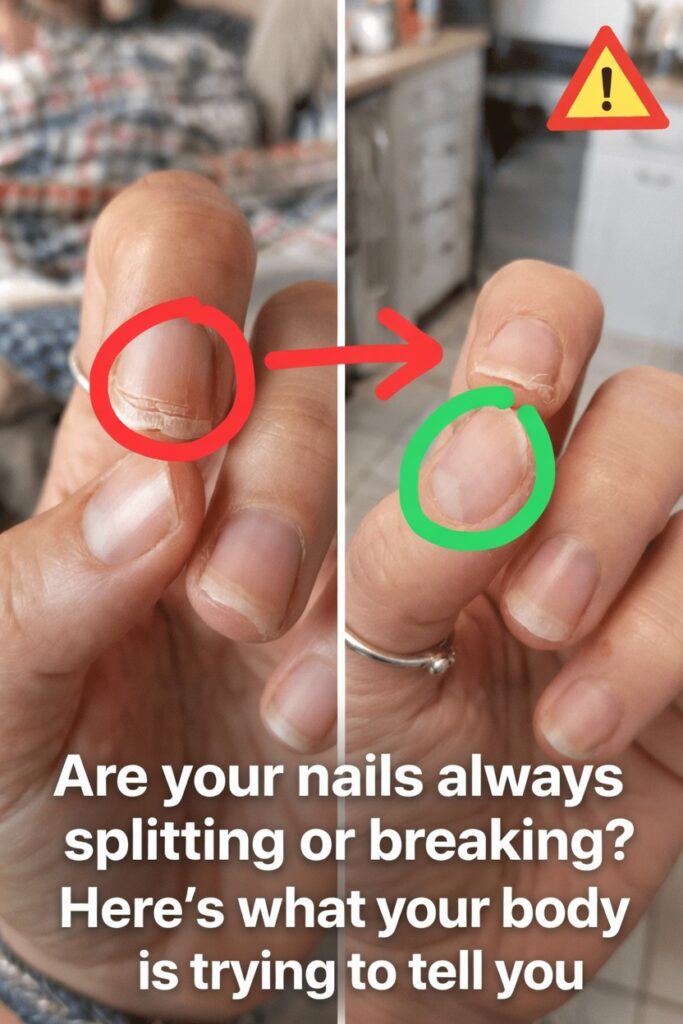
Why Are My Nails So Brittle? 10 Everyday Reasons and What to Do
Noticing your nails crack, peel in thin layers, or snap with the slightest pressure can be both annoying and painful. Simple tasks like opening a can, typing on a keyboard, or pulling up a zipper may suddenly leave you with jagged, uneven edges.
Dermatology research suggests that brittle nails affect up to 1 in 5 adults worldwide, and the issue is especially common in women over the age of 50.
The good news: in many cases, fragile or splitting nails are linked to everyday habits and environmental factors you can change. This guide walks through 10 common causes of brittle nails and practical steps you can start using today. Keep reading to the end to see how several of these triggers connect through one shared theme.
What Actually Makes Nails Brittle or Easy to Split?
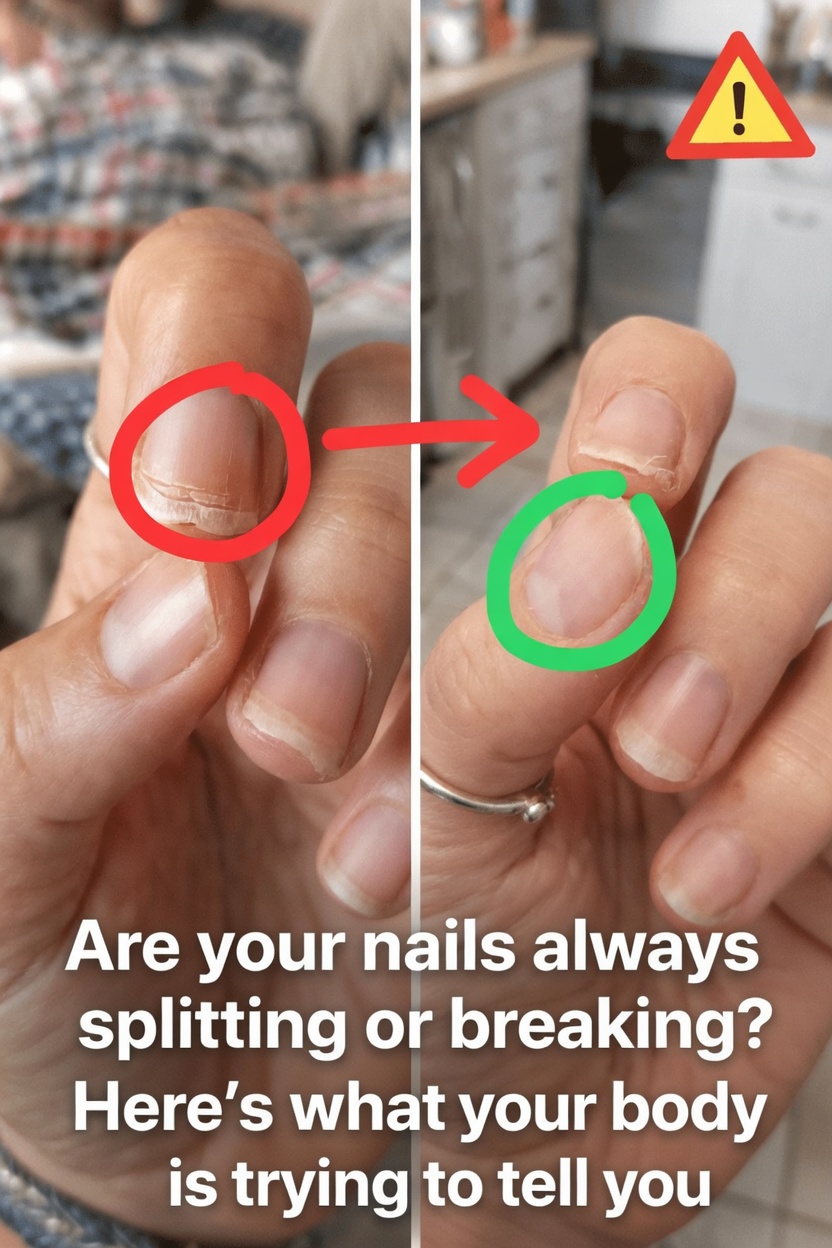
Your nails are made primarily of keratin, a strong structural protein that protects the tips of your fingers and toes. When the nail plate loses moisture, experiences repeated physical stress, or reflects internal health changes, it can become:
- Dry and rough
- Softer and more flexible than usual
- Layered, peeling, or split at the tips
In many people, weak nails are driven more by daily habits and external exposure than by serious disease. However, certain patterns—especially when combined with other symptoms—deserve closer attention.
1. Frequent Handwashing and Water Exposure
Constant contact with water is one of the most common reasons for brittle nails.
Each time your hands go in and out of water, the nail plate swells as it absorbs moisture and then shrinks again as it dries. This repeated swelling–shrinking cycle strips away natural oils faster than your body can replace them, leaving nails:
- Dehydrated
- More likely to crack, peel, or split
People who wash dishes often, clean without gloves, work in healthcare, or have jobs involving frequent handwashing are particularly prone to this problem.
2. Aging and Natural Nail Changes
As we age, nails tend to:
- Grow more slowly
- Hold less moisture
- Contain fewer lipids (natural fats) that keep them flexible
Studies show that post-menopausal women often report increased nail fragility due to changes in hormone levels and reduced lipid content in the nail plate. While age-related changes can’t be completely avoided, gentle, consistent care can significantly improve how nails look and feel.
3. Dry Air and Seasonal Weather Shifts
Environmental dryness is another big factor in brittle nails.
Cold, low-humidity air—especially during winter—draws moisture out of the nails and surrounding skin. Indoor heating can intensify this effect. As a result, many people notice:
- More splitting and peeling in colder months
- Rougher cuticles and increased hangnails
Maintaining hydration and using protective products during dry seasons can help counteract this effect.

4. Harsh Chemicals and Cleaning Products
Exposure to strong chemicals gradually erodes the nail’s protective barrier. Common culprits include:
- Household cleaners and detergents
- Strong dishwashing liquids
- Nail polish removers, particularly acetone-based formulas
- Frequent use of alcohol-based hand sanitizers
Over time, these products dissolve the natural oils that protect the nail surface, leaving it more brittle and prone to:
- Peeling
- Breakage
- Horizontal (transverse) splits
Wearing gloves and choosing gentler products can significantly reduce this type of damage.
5. Nail Habits, Trauma, and Over-Styling
How you use and style your nails also matters. Repeated minor trauma gradually weakens nail structure. Common examples include:
- Using nails as tools to scratch, pry, or open items
- Nail biting or picking at cuticles
- Aggressive buffing or filing
- Regular application and removal of nail polish, gels, or acrylic extensions
Long nails get caught more easily, increasing the risk of breaks. Filing too roughly or in a back-and-forth “sawing” motion can thin the nail edge and encourage splitting.
6. Low Overall Hydration (Dehydration)
Just like your skin, your nails rely on adequate hydration to stay flexible and resilient.
If you’re not drinking enough fluids throughout the day, your body may prioritize water for vital organs over peripheral tissues like nails. This can contribute to:
- Dry, dull-looking nails
- Increased cracking and flaking at the tips
While water intake alone doesn’t “cure” brittle nails, good hydration supports overall nail health alongside other strategies.
7. Nutritional Factors – Especially Biotin
Nutrition plays a key role in the health of your nail matrix (the area where new nail cells form).
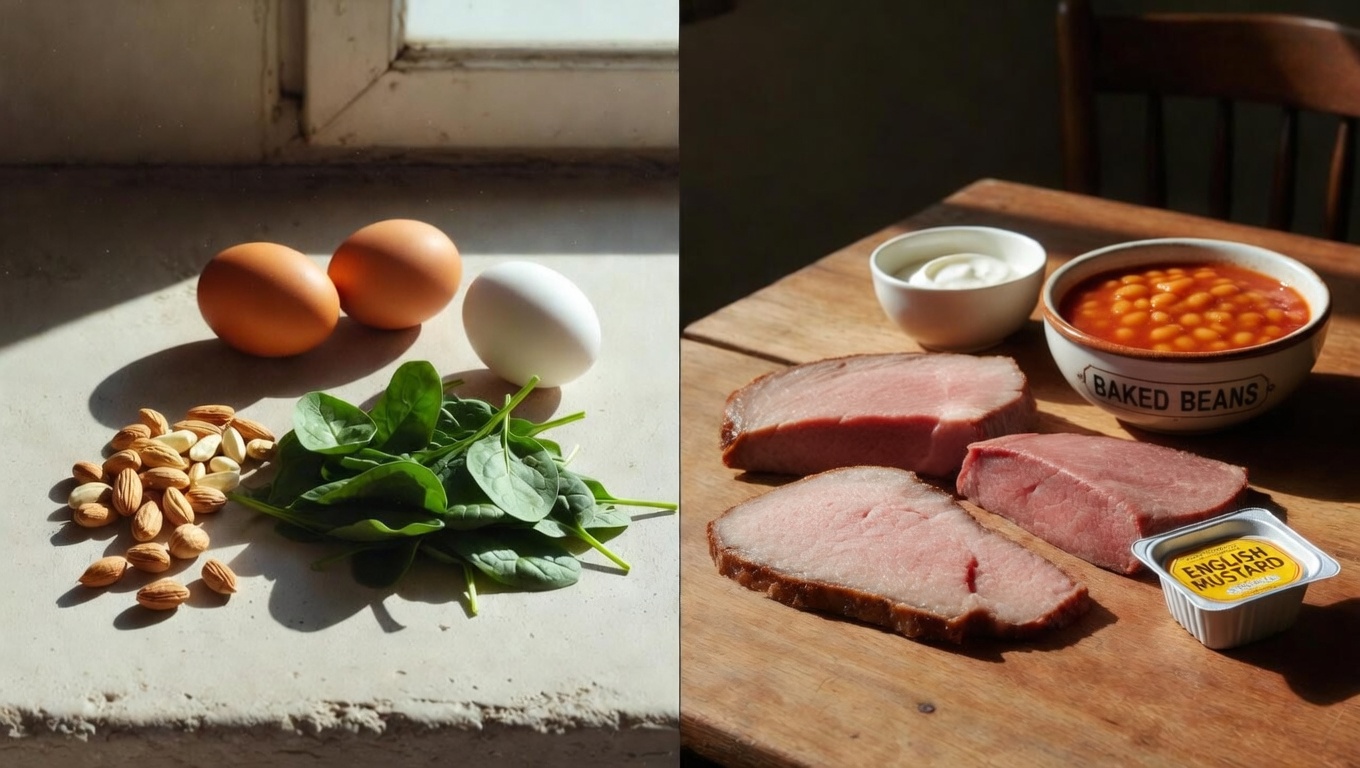
Biotin, a B vitamin, is often mentioned in connection with nail strength. It’s naturally present in foods such as:
- Eggs (particularly the yolk)
- Nuts and seeds
- Leafy green vegetables
- Whole grains
Small studies have reported improvements in nail thickness and reduced splitting with regular biotin intake in some individuals. However:
- Results are mixed
- Not everyone responds the same way
- Biotin is not a guaranteed solution for every case of brittle nails
Emphasizing a varied, nutrient-dense diet is generally more beneficial than relying solely on supplements.
8. Iron Levels and Related Health Signs
Iron helps carry oxygen in the blood, including to the cells that build your nails. When iron levels are low, some people develop noticeable nail changes, such as:
- Thin, fragile nails
- Spoon-shaped nails that curve upward (koilonychia)
- Overall weakness or slow growth
Iron deficiency may result from inadequate dietary intake, heavy menstrual bleeding, or absorption issues in the gut. When brittle nails occur alongside symptoms like fatigue, pale skin, or shortness of breath, it’s important to consider iron status and seek medical evaluation.
9. Protein Intake and Keratin Production
Keratin—the main protein in nails—depends on adequate protein intake from your diet. If you frequently consume low-protein meals, your body may lack the building blocks needed for strong nail formation.
Support keratin production with:
- Lean meats, poultry, and fish
- Eggs and dairy products (if tolerated)
- Legumes such as lentils, chickpeas, and beans
- Soy products, nuts, and seeds
Over time, consistent protein intake helps maintain a stronger nail structure and may reduce splitting and breakage.
10. Underlying Skin Conditions or Health Issues
Sometimes brittle nails are linked to underlying medical conditions. Examples include:
- Psoriasis – can cause pitting, discoloration, and thickening of the nails
- Fungal nail infections – often lead to thick, crumbly, discolored, and brittle nails
- Thyroid disorders – may contribute to thin, ridged, or fragile nails
- Other systemic conditions – can show up as changes in nail shape, color, or texture
If your nail brittleness comes with other symptoms—such as skin rashes, hair loss, weight change, or significant fatigue—talk with a healthcare professional to rule out deeper causes.
Quick-Start Habits to Support Stronger Nails
Here are practical steps many people find helpful for improving weak or splitting nails:
-
Protect your hands:
Wear cotton-lined or waterproof gloves when washing dishes, cleaning, or working with chemicals to limit water and product exposure. -
Moisturize regularly:
Apply a rich hand cream or cuticle balm containing lanolin, glycerin, or similar emollients at least once daily—ideally after washing, while skin is still slightly damp. -
File gently, not aggressively:
Use a fine-grit emery board and file in one direction only, from side to center, to smooth edges and prevent snags. Avoid sawing back and forth. -
Keep nails at a practical length:
Short to medium-length nails are less likely to catch or tear during daily activities. -
Stay consistently hydrated:
Aim to sip water throughout the day. Herbal teas and water-rich foods (like fruits and vegetables) also contribute to hydration. -
Focus on nutrient-dense foods:
Include eggs, nuts, seeds, spinach, lentils, beans, and lean proteins in your regular meals to supply biotin, iron, protein, and other essential nutrients. -
Take nail polish breaks:
Allow nails to go bare periodically—no polish, gels, or acrylics—to give them a chance to recover. -
Choose gentle nail products:
Opt for acetone-free removers and milder nail products if you enjoy manicures.
With consistent care, many people notice smoother, stronger nails over time—typically within a few months, as new nail growth gradually replaces older, damaged sections.
Common Nail-Strengthening Strategies Compared
| Approach | How It Helps | Long-Term Sustainability | Ease of Use |
|---|---|---|---|
| Daily cuticle and hand moisturizing | Restores and maintains surface hydration | High | Very easy |
| Wearing gloves for wet work and cleaning | Reduces water, detergent, and chemical damage | High | Easy |
| Improving overall diet (protein, biotin, iron) | Supports keratin production from within | High | Moderate effort |
| Nail hardeners or protective polish | Offers temporary reinforcement of the nail | Low to moderate | Easy |
| Consulting a dermatologist or doctor | Identifies and treats underlying conditions | Variable | As needed |
The Bigger Picture: Small Consistent Changes Matter
Your nails often reflect both your environment and your routine. For many people, focusing on protection, hydration, and balanced nutrition leads to:
- Fewer splits and breaks
- Smoother nail edges
- Healthier-looking hands overall
You don’t need to change everything at once. Start with one or two simple habits—like wearing gloves for household chores or adding a daily moisturizing step—and observe how your nails respond over the next few weeks and months.
Frequently Asked Questions About Brittle Nails
How long does it take for brittle nails to improve?
Fingernails grow at an average rate of about 3 mm per month. Because of this slow growth, noticeable improvement usually takes:
- Around 3–6 months of consistent care for fingernails
- Longer for toenails, which grow more slowly
Changes appear as the newer, healthier nail gradually replaces the older, damaged parts.
Are brittle nails always a sign of a serious health problem?
In most cases, no. Brittle nails are commonly linked to:
- Repeated water exposure
- Harsh chemicals or frequent manicures
- Dry environments
- Everyday habits
However, if nail changes occur alongside symptoms like fatigue, unexplained weight changes, hair loss, skin rashes, or shortness of breath, it is wise to consult a healthcare professional to rule out underlying conditions.
Can supplements fix brittle nails?
Some people see benefits from specific nutrients—such as biotin or iron—when deficiencies are present. However:
- Supplements do not work for everyone
- They may be unnecessary or even problematic if you already get enough through food
- It’s important not to self-diagnose deficiencies
Focus first on a balanced diet and speak with a healthcare provider before starting any supplement, especially if you take other medications or have health conditions.
This information is meant for general educational purposes and does not replace professional medical advice, diagnosis, or treatment. If you have concerns about your nails or overall health, consult a qualified healthcare provider.