
Supporting Creatinine and GFR Naturally with Vegetables
When you’re tracking creatinine levels or glomerular filtration rate (GFR), even small changes in your lab results can feel worrying. Higher creatinine typically suggests the kidneys are working harder to filter waste, which can be influenced by diet, hydration, lifestyle, or underlying health issues. Many people look for everyday, food-based strategies to ease the load on their kidneys and support overall renal health.
The encouraging news: certain vegetables can fit very well into a kidney-friendly eating pattern. They supply fiber, antioxidants, and hydration, which may support the body’s natural waste removal processes—without promising dramatic or overnight changes.
This guide highlights five vegetables often discussed in the context of kidney support and creatinine management. They are chosen based on their nutrient profiles and their common use in plant-forward diets, which are frequently linked with better metabolic balance and more efficient waste handling in the body. At the end, you’ll also find practical tips to add them to your meals and a simple way to combine them for daily benefit.

Why Vegetables Matter for Kidney Support
Vegetable-rich eating patterns can support overall health and may reduce stress on the kidneys. Many vegetables are naturally:
- Low in sodium
- High in fiber
- Rich in water and antioxidants
Research suggests that increasing dietary fiber—especially from plant sources—may help reduce serum creatinine in some individuals. Fiber can bind certain waste products in the gut, encouraging their removal via the digestive tract rather than relying solely on the kidneys. In addition, diets higher in plants and lower in animal protein are often associated with a lighter workload for the kidneys and potentially more stable GFR over time.
However, vegetables differ in their mineral content. For people who need to monitor potassium, sodium, or phosphorus, choosing the right ones is important. The five vegetables below are often singled out because they are relatively low in potassium (in typical serving sizes), hydrating, and packed with beneficial nutrients and anti-inflammatory compounds.
1. Cucumber: A Cooling, Hydrating Choice
Cucumbers are composed of roughly 95% water, making them excellent for maintaining hydration—one of the most basic supports for kidney function. Adequate fluid intake helps the body flush out metabolic waste, and cucumber contributes to this process with very few calories and a low mineral load.
Plant-based nutrition research frequently highlights water-dense vegetables like cucumber for their role in maintaining fluid balance and supporting healthy circulation. While they don’t directly “lower creatinine,” they can contribute to a lifestyle where kidney function is better supported. Cucumbers also supply antioxidants that help counteract everyday oxidative stress.
Easy ways to include more cucumber:
- Toss sliced cucumbers into salads for extra crunch
- Add cucumber rounds to water for a light, refreshing flavor
- Layer into sandwiches or wraps as a hydrating, low-sodium filler
2. Celery: Gentle Support for Fluid Balance
Celery offers a crisp texture and naturally occurring compounds that can promote healthy fluid balance in the body. Its mild diuretic-like effect may encourage regular urine output, reinforcing the kidneys’ role in filtering and excreting waste.
Many dietary sources point to celery’s fiber and anti-inflammatory properties, which align with broader evidence that high-fiber foods can help manage waste accumulation. In standard serving sizes, celery tends to be relatively low in potassium, so it can fit into many kidney-conscious meal plans.
Simple ways to use celery:
- Enjoy raw celery sticks with a light, kidney-friendly dip
- Add chopped celery to soups, stews, or stir-fries for volume and texture
- Blend into green smoothies for a subtle, refreshing flavor
3. Cabbage: Affordable Fiber for Kidney-Friendly Meals
Cabbage is a cruciferous vegetable known for its budget-friendly price and impressive nutrition profile. It is rich in fiber, vitamin C, vitamin K, and beneficial plant compounds. Because its potassium content is modest, cabbage is frequently recommended in kidney-friendly eating guidelines.
Fiber from cabbage can help bind waste products in the digestive tract, potentially reducing their circulation and the burden on the kidneys. Some nutritional studies associate higher vegetable fiber intake—including from cruciferous vegetables like cabbage—with improved markers in kidney health discussions and better gut–kidney interaction.
Ways to enjoy cabbage:
- Shred into coleslaw with a light, vinegar-based dressing
- Steam, stir-fry, or sauté as a simple side dish
- Use large cabbage leaves as wraps for lean protein or plant-based fillings
4. Cauliflower: Versatile, Low-Potassium “All-Rounder”
Cauliflower often appears on “superfood” lists because it can easily replace higher-carb or higher-potassium foods. It offers fiber, antioxidants, and vitamin C, yet remains relatively low in potassium and phosphorus, giving people with kidney concerns more flexibility in portion sizes.
Plant-forward eating patterns frequently spotlight cauliflower for supporting kidney health indirectly: its fiber content may aid in waste elimination, and its nutrient density helps maintain overall wellness without adding excess burden. This aligns with research showing that higher fiber intake can positively influence creatinine levels in some contexts.
Creative ways to prepare cauliflower:
- Roast florets with herbs and a small amount of healthy oil
- Mash cooked cauliflower as a lighter alternative to mashed potatoes
- Pulse or grate into “cauliflower rice” for low-carb, kidney-conscious meals
5. Bitter Gourd (Bitter Melon): A Traditional Metabolic Support
Bitter gourd, also known as bitter melon, is easily recognized by its distinct flavor and textured skin. It has a long history in traditional cuisines and herbal practices, particularly for supporting blood sugar balance and general metabolic health.
Preliminary research and animal studies suggest that bitter gourd has antioxidant and protective properties that may help shield kidney tissues from certain types of stress. Human evidence is still developing, so it shouldn’t be seen as a cure, but it can be a thoughtful addition to a kidney-supportive diet, especially for those focused on metabolic health.
If you’re new to bitter gourd, start with small portions to get used to its taste.
Ways to incorporate bitter gourd:
- Stir-fry thin slices with mild spices, garlic, or onion to soften the bitterness
- Juice in small quantities and dilute with water or other vegetable juices
- Stuff with lean fillings and bake for a satisfying main dish
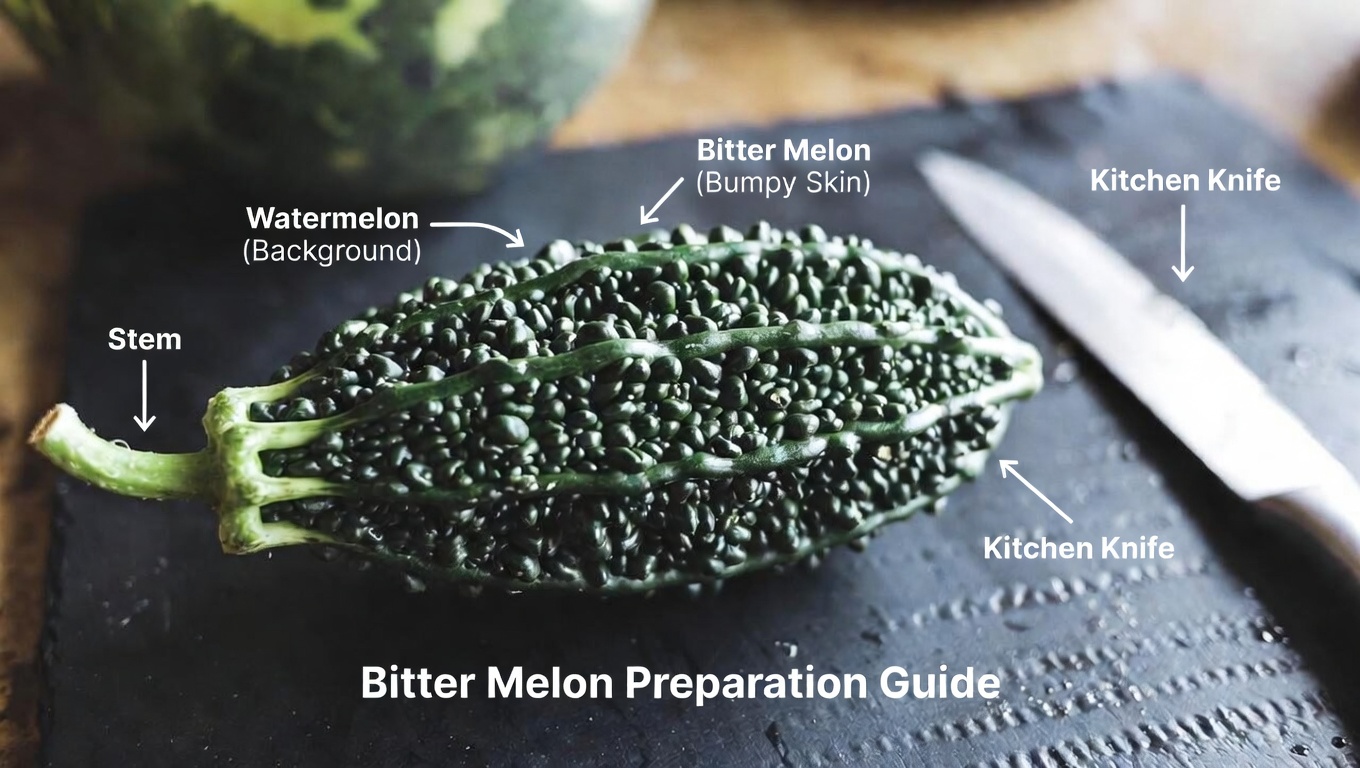
Quick Comparison of the Five Kidney-Friendly Vegetables
- Cucumber – Very high water content, refreshing, low in potassium
- Celery – Supports fluid balance, provides fiber, crisp texture
- Cabbage – Inexpensive, high in fiber, works well raw or cooked
- Cauliflower – Low in potassium and phosphorus, nutrient-dense, versatile
- Bitter Gourd – Traditional metabolic support, unique bioactive compounds
Each of these vegetables brings a different set of benefits, and together they can help form the backbone of a kidney-conscious, plant-forward diet.
Actionable Tips to Start Using These Vegetables Today
You don’t need a complete diet overhaul to begin supporting kidney health. Small, consistent steps matter.

Here are practical ways to get started:
-
Begin gradually
Aim for 2–3 servings of these vegetables per day. A helpful goal is to fill about half your plate with vegetables at main meals. -
Prioritize hydration
Combine water-rich vegetables like cucumber and celery with adequate fluid intake. This supports the kidneys’ natural filtering process. -
Choose kidney-friendly cooking methods
Steaming, boiling (with draining), or light sautéing can help manage mineral content. For those who must limit potassium, leaching techniques and proper cooking can make a difference—follow the guidance of your healthcare provider or dietitian. -
Monitor how you feel
Over a week or two of adding more vegetables, pay attention to your energy levels, digestion, and overall well-being. Note any changes to discuss at your next medical visit. -
Combine for “synergy”
Try a mixed salad using cucumber, celery, and cabbage for a high-fiber, hydrating meal. Add a side of roasted cauliflower or a small portion of bitter gourd for extra variety.
Consistent, balanced dietary patterns are more impactful than any single “miracle” food. These vegetables work best as part of an overall healthy lifestyle.
Conclusion
Bringing more cucumber, celery, cabbage, cauliflower, and bitter gourd into your routine can be a simple and enjoyable way to support kidney health through nutrition. Their combination of fiber, hydration, and beneficial plant compounds may help reduce strain on the kidneys while promoting better overall well-being.
For the best results, pair these foods with other kidney-friendly habits—such as staying active, managing stress, moderating protein intake when advised, and following the plan recommended by your healthcare team. Small, steady changes often add up to meaningful long-term benefits for creatinine levels, GFR, and overall health.
FAQ
What is the best dietary approach to help lower creatinine levels?
Emphasize more fiber-rich vegetables and fruits while avoiding excessive animal protein and highly processed foods. The exact plan should be personalized, so it’s important to work with a healthcare professional or renal dietitian.
Are these five vegetables safe for everyone with kidney issues?
In typical portions, these vegetables are generally considered kidney-friendly and relatively low in potassium for many people. However, individual needs vary depending on kidney function, medications, and lab results. Always confirm with your doctor or dietitian before making major dietary changes.
How long does it take for dietary changes to affect creatinine or GFR?
There is no fixed timeline. Changes in kidney markers depend on overall health, underlying conditions, and how consistently you follow dietary and medical recommendations. Many people may notice shifts over weeks to months, but regular monitoring with your healthcare provider is essential to track progress.