
Waking Up Hot at Night? It May Be a Sign of Menopause
If you often wake up in the middle of the night feeling too warm, restless, and unable to get comfortable, you are not alone. Add stubborn belly weight that does not seem to respond to healthy eating or exercise, plus unexpected bloating or abdominal discomfort, and these midlife body changes can feel especially frustrating.
For many women, these experiences are not random. They are often common signs of the menopause transition. The good news is that once you understand what your body is doing, it becomes easier to manage the changes with practical daily habits, including a few surprisingly simple routines many women find helpful.
What the Menopause Transition Really Means
Menopause is the natural stage of life when menstrual periods come to an end. During this transition, hormones such as estrogen and progesterone begin to shift, then gradually decrease. For most women, this process begins sometime in the late 40s or early 50s, though the timing can vary from person to person.
The years leading up to menopause are known as perimenopause. This phase can bring noticeable physical and emotional changes that affect sleep, comfort, mood, and energy.
What matters most is this: menopause is a normal biological transition. Millions of women go through it every year. According to organizations like the North American Menopause Society, identifying the signs early can make the experience feel far less confusing and overwhelming.
9 Common Signs You May Be Going Through Menopause
Research suggests that as many as 80% of women experience at least some menopause symptoms during the transition. Below are nine of the most common signs and how they may show up in everyday life.
1. Irregular Periods
One of the earliest signs of perimenopause is a change in your menstrual cycle. Your period may become:
- lighter or heavier than usual
- more frequent
- farther apart
- skipped altogether
This happens because ovulation becomes less regular over time.
Keeping track of your cycle with a calendar or app can help you notice changes more clearly.

2. Sudden Hot Flashes
A hot flash can feel like a sudden rush of heat moving through the face, chest, and neck. It may also come with:
- sweating
- flushed skin
- a rapid heartbeat
- discomfort that lasts several minutes
These episodes can happen during the day or at night. Hormonal shifts, especially changing estrogen levels, can affect the body's temperature regulation system.
Wearing breathable layers and keeping a handheld fan nearby can provide quick relief.
3. Night Sweats That Interrupt Sleep
Night sweats are intense episodes of sweating during sleep that can leave you drenched and fully awake. Once you are up, getting back to sleep may be difficult.
Many women describe waking in the early morning hours feeling overheated, uncomfortable, and exhausted. Creating a cooler sleep environment can help. Consider:
- lowering the bedroom temperature
- using lightweight blankets
- choosing moisture-wicking sheets or sleepwear
These small adjustments can make a noticeable difference.
4. Chills or a Strong Need to Cool Down
Not all temperature changes feel like heat. Some women also experience sudden chills or feel an intense need for cooling, even when the room seems comfortable.
These swings can happen because the body’s internal thermostat becomes more sensitive during hormonal changes. Keeping options nearby, such as an extra blanket or lighter clothing layers, can help you respond more easily when body temperature shifts unexpectedly.
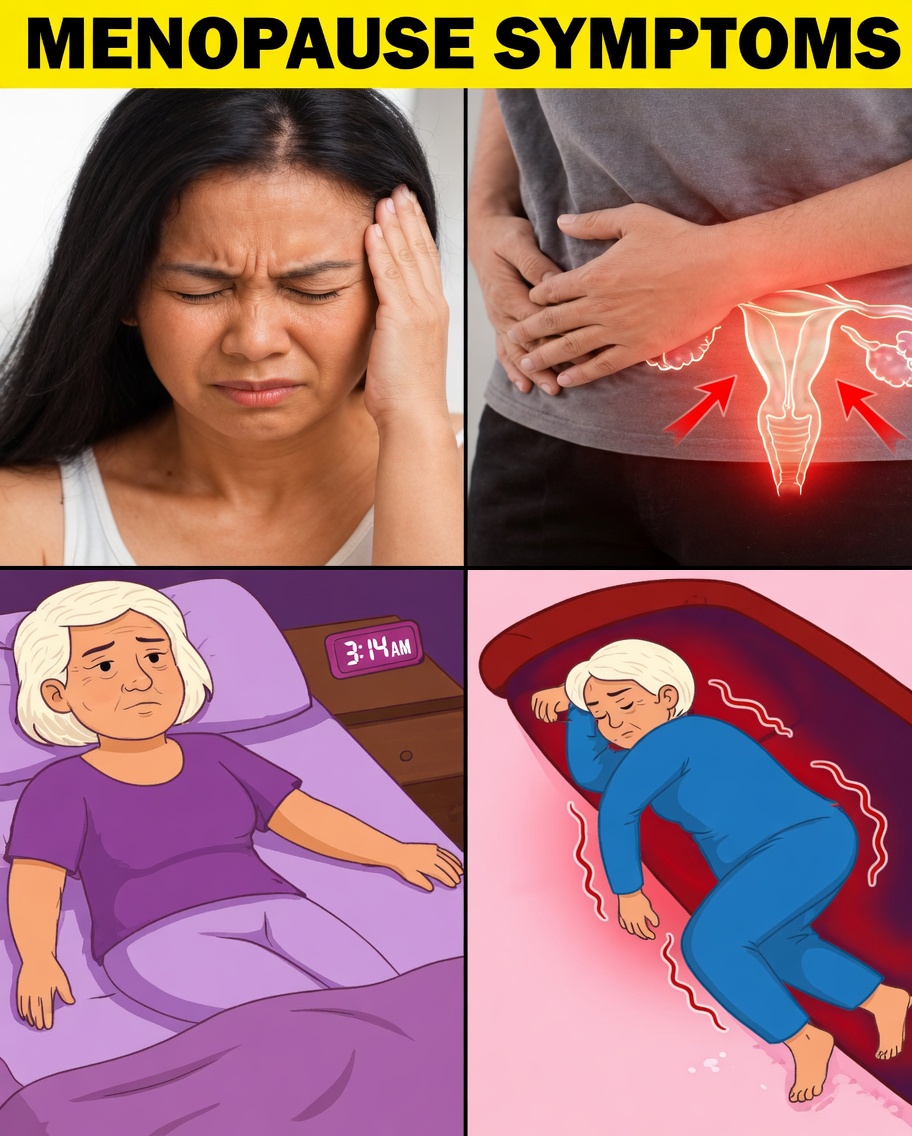
5. Bloating and Abdominal Discomfort
Menopause-related hormone fluctuations can also affect digestion. As a result, some women notice new or increased:
- bloating
- pressure in the abdomen
- digestive discomfort
- a feeling of heaviness in the midsection
This can be frustrating, especially when it appears alongside other menopause symptoms. Eating smaller meals, drinking enough water, and choosing foods that are easier to digest may help reduce the discomfort.
6. Weight Gain Around the Belly
A common complaint during menopause is weight gain, especially around the midsection. Even women who maintain the same eating and exercise habits may notice that extra pounds settle more easily around the waist.
This is often linked to hormonal changes and a naturally slowing metabolism. The encouraging news is that supportive habits can still make a real difference.
5 Practical Ways to Support a Healthy Weight During Menopause
- Do resistance training two to three times per week, such as squats, strength machines, or free weights.
- Focus on whole foods, including vegetables, lean protein, and healthy fats.
- Aim for seven to nine hours of quality sleep each night.
- Stay well hydrated throughout the day.
- Reduce stress with simple habits like walking or deep breathing.
Strength training and protein-rich meals are especially helpful for maintaining muscle and supporting metabolic balance.
7. Mood Swings and Irritability
Shifting hormone levels can influence brain chemistry, which may lead to emotional changes such as:
- irritability
- anxiety
- feeling overwhelmed
- increased sensitivity
You may notice that your patience feels shorter or that your mood changes more quickly than usual. This is a common part of the menopause transition.
Gentle exercise, regular movement, and staying connected with supportive friends or family can help improve emotional balance naturally.
8. Fatigue and Low Energy
Feeling tired all the time is another common menopause symptom. Sleep disruption from hot flashes or night sweats can be one reason, but hormonal changes themselves can also contribute.
Some women also experience brain fog, making concentration and mental clarity more difficult.
The positive side is that energy often improves with supportive lifestyle habits, including:
- balanced meals
- regular light exercise
- consistent sleep routines
- stress management
Even small daily efforts can help restore stamina over time.
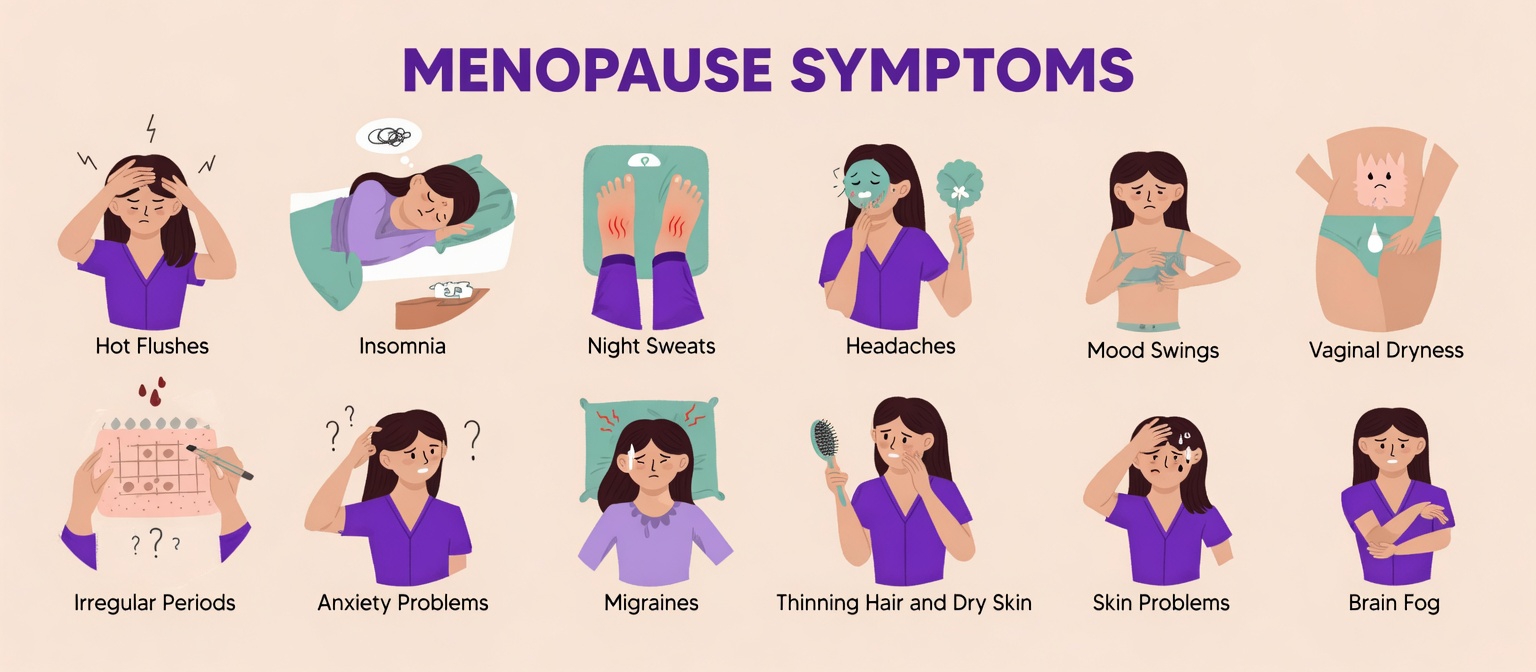
9. Changes in Skin, Hair, and Body Sensations
Menopause can affect more than sleep and mood. Many women also notice physical changes such as:
- drier skin
- thinning hair
- reduced skin elasticity
- subtle body changes like less breast fullness
These shifts are often connected to changes in collagen and tissue support. A simple daily routine that includes moisturizer, nutrient-dense foods, and proper hydration can help support healthy skin and hair.
Understanding these body changes can make them feel less alarming and more manageable.
Lifestyle Habits That Can Truly Help
One of the most important things to remember is that small, steady changes often work better than dramatic ones. Studies show that women who remain active and eat a balanced diet frequently report milder menopause symptoms overall.
Daily Habits That Support Menopause Wellness
- Combine cardio exercise with strength training
- Eat more fruits, vegetables, whole grains, and calcium-rich foods
- Try short sessions of yoga, meditation, or mindful breathing
- Cut back on caffeine and alcohol, especially later in the day
- Stay socially connected through friends, support circles, or women’s health groups
These habits may not eliminate every symptom, but they can improve how you feel on a daily basis.
When to Talk to Your Doctor
Although menopause symptoms are common, some changes should not be ignored. It is a good idea to check in with a healthcare provider if you experience:
- very heavy bleeding
- symptoms that interfere seriously with daily life
- unusual changes that feel concerning
- ongoing uncertainty about whether symptoms are menopause-related
A doctor can rule out other possible causes and help you decide on the best next steps.
Conclusion
Menopause is a natural stage of life, not a sign that your body is failing. It can bring uncomfortable changes, but it also offers an opportunity to pay closer attention to your health and well-being.
By recognizing these nine common signs early, you can better understand what is happening and respond with simple, supportive habits that improve everyday comfort. For many women, the biggest shift is not just physical relief, but the confidence that comes from realizing their body is transitioning, not breaking down.
Small steps today can help you feel more balanced, more informed, and more like yourself again.
FAQ
What age does menopause usually start?
The average age of menopause is about 51, but symptoms can begin earlier, often in the 40s. Family history, health, and lifestyle can all influence timing.
How long does the menopause transition last?
For many women, perimenopause and menopause symptoms last between four and eight years. However, every experience is different.
When should I seek medical advice?
You should speak with your doctor if symptoms are severely affecting your daily life, if bleeding becomes unusually heavy, or if you notice changes that seem out of the ordinary.