Stroke Warning Signs: Early Clues You Should Never Ignore
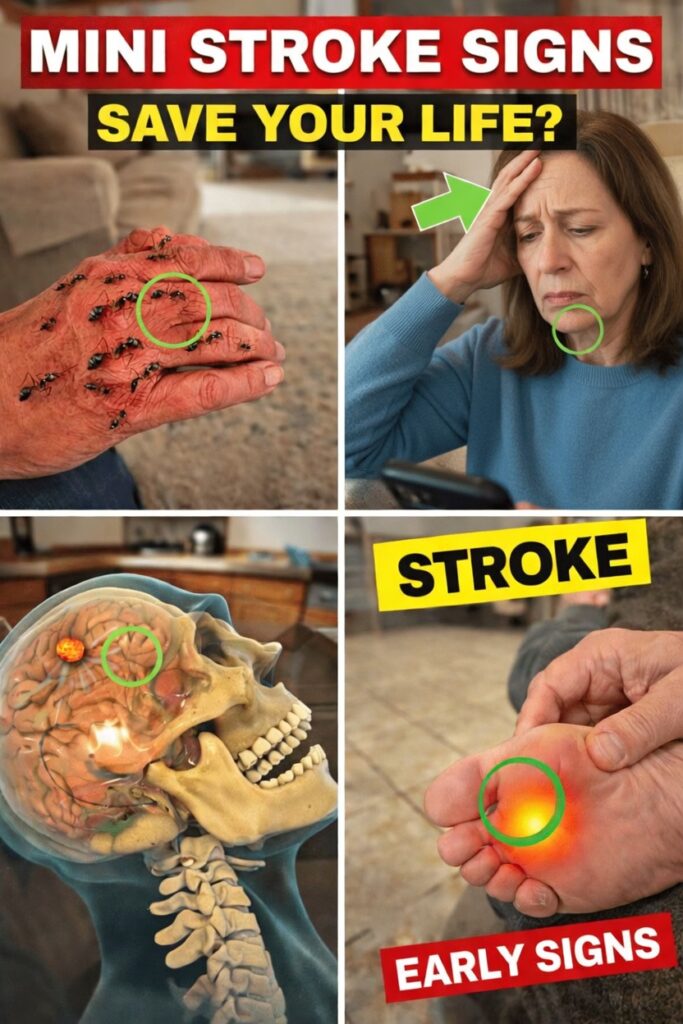
Stroke is still one of the major causes of death and long-term disability worldwide, and it can appear with little warning. Subtle changes in how you feel or function are often brushed off as normal aging, being overworked, or simply not sleeping well. Yet paying attention to these early shifts can lead to faster medical care and lifestyle changes that protect your brain.
Research from organizations such as the American Heart Association and the CDC shows that transient ischemic attacks (TIAs) – often called “mini-strokes” – can serve as powerful alerts. Symptoms may clear within minutes or hours, but they signal serious underlying problems that need attention. Not every stroke is preceded by obvious warning signs, but listening to your body may have a real impact on your long-term health.
In this guide, you’ll learn about common early warning signs that may appear days or weeks before a major stroke, along with practical, science-backed habits you can start using right now. Stay with it to the end – you’ll see a simple daily practice many people skip, even though it can significantly support stroke prevention.
What Happens in the Brain Before a Stroke?
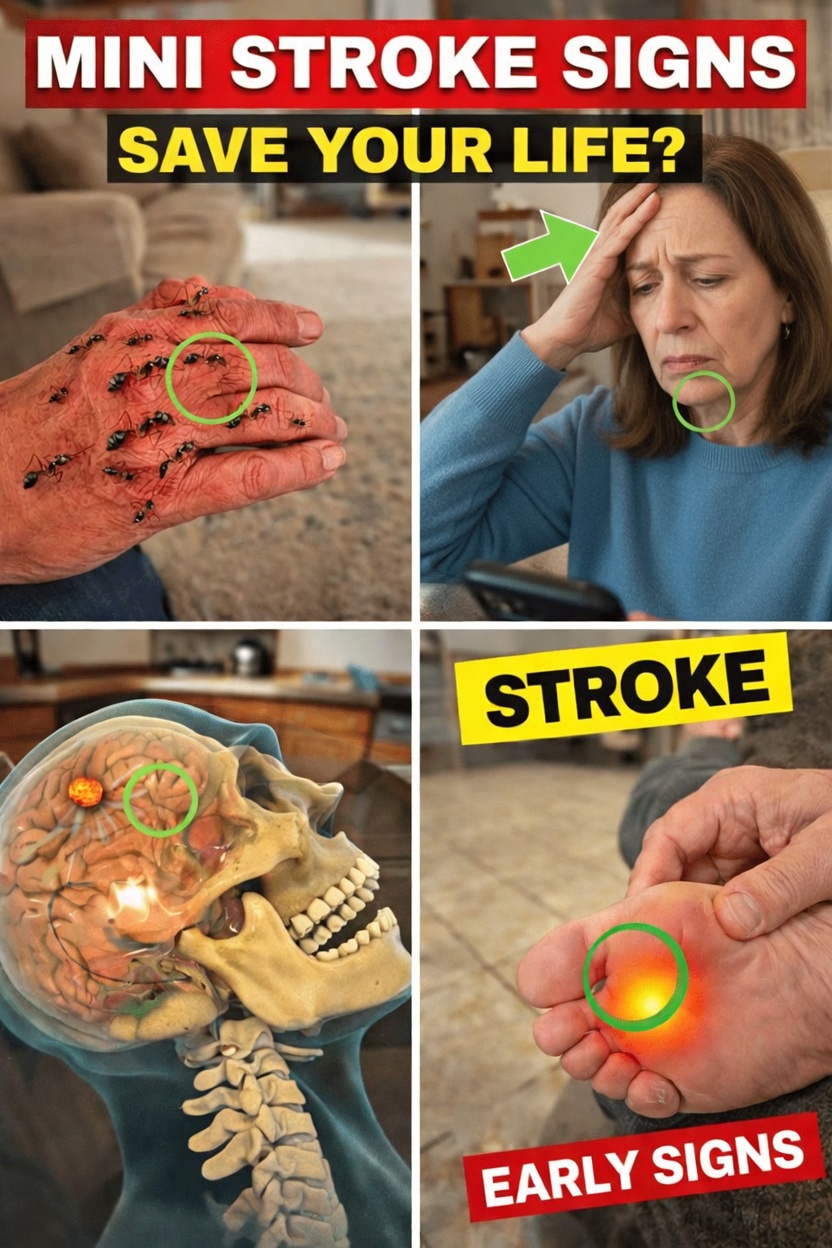
A stroke occurs when the blood supply to part of the brain is cut off, either because a blood vessel is blocked (ischemic stroke) or because a vessel ruptures and bleeds (hemorrhagic stroke). When brain cells are deprived of oxygen and nutrients, they begin to die within minutes.
Before a full-blown stroke, some people experience a transient ischemic attack (TIA). A TIA is a brief interruption of blood flow to the brain. The blockage clears on its own, so symptoms resolve quickly – often within a few minutes and usually within 24 hours.
However, the danger is far from over. Studies suggest that up to one in three people who have had a TIA will go on to have a stroke within the following months, with many occurring in the first days to weeks if the root causes are not treated.
These short-lived events don’t usually leave permanent damage, but they are urgent warning signals. Trusted medical sources such as the Mayo Clinic and the American Stroke Association stress that rapid evaluation and treatment after a TIA can dramatically cut the chances of a future stroke through medication, monitoring, and risk-factor management.
8 Possible Early Warning Signs of Stroke
Stroke symptoms often appear out of nowhere, but some individuals notice subtle or intermittent changes over a period of days or weeks. These signs do not prove a stroke will happen, but they should never be ignored. Contact a healthcare professional immediately if you notice any of the following:
-
Sudden numbness or weakness, especially on one side of the body
You may feel numbness, tingling, or weakness in the face, arm, or leg, particularly on one side. For example, one arm might feel heavy or drift downward when you try to hold both arms up, or one side of your face might not move properly when you smile. -
Trouble speaking or understanding others
Speech may become slurred, garbled, or hard to produce. You might struggle to find the right words or have difficulty understanding what someone is saying, even if the episode is brief. -
Vision changes in one or both eyes
You might suddenly experience blurred vision, double vision, or lose sight in part of your visual field, as if a curtain has dropped over one eye or a section of your view is missing. -
Dizziness, unsteadiness, or loss of coordination
Feeling as if the room is spinning, staggering when you walk, or having unexpected trouble with balance and coordination during simple tasks can be warning signs. -
Severe, sudden headache with no clear cause
A sudden, intense headache that feels very different from your usual headaches – often described as the “worst headache of my life” – can signal a serious problem and needs urgent attention. -
Unusual fatigue or overwhelming tiredness
Some people report feeling deeply exhausted or drained without a clear reason in the days before a stroke. While fatigue is common and often harmless, a sudden change in your usual energy level can be a clue when combined with other symptoms. -
Short-lived episodes of these symptoms that come and go
TIAs often cause stroke-like symptoms that vanish within minutes. Because they resolve on their own, people may dismiss them, but repeated brief episodes are major red flags that require prompt medical evaluation. -
Difficulty swallowing or facial drooping
You may notice that swallowing feels awkward, food seems “stuck,” or you choke more easily. One side of your mouth may not lift properly, or you might see drooping on one side of your face in the mirror or in photos.
Use the F.A.S.T. Test to Check for Stroke
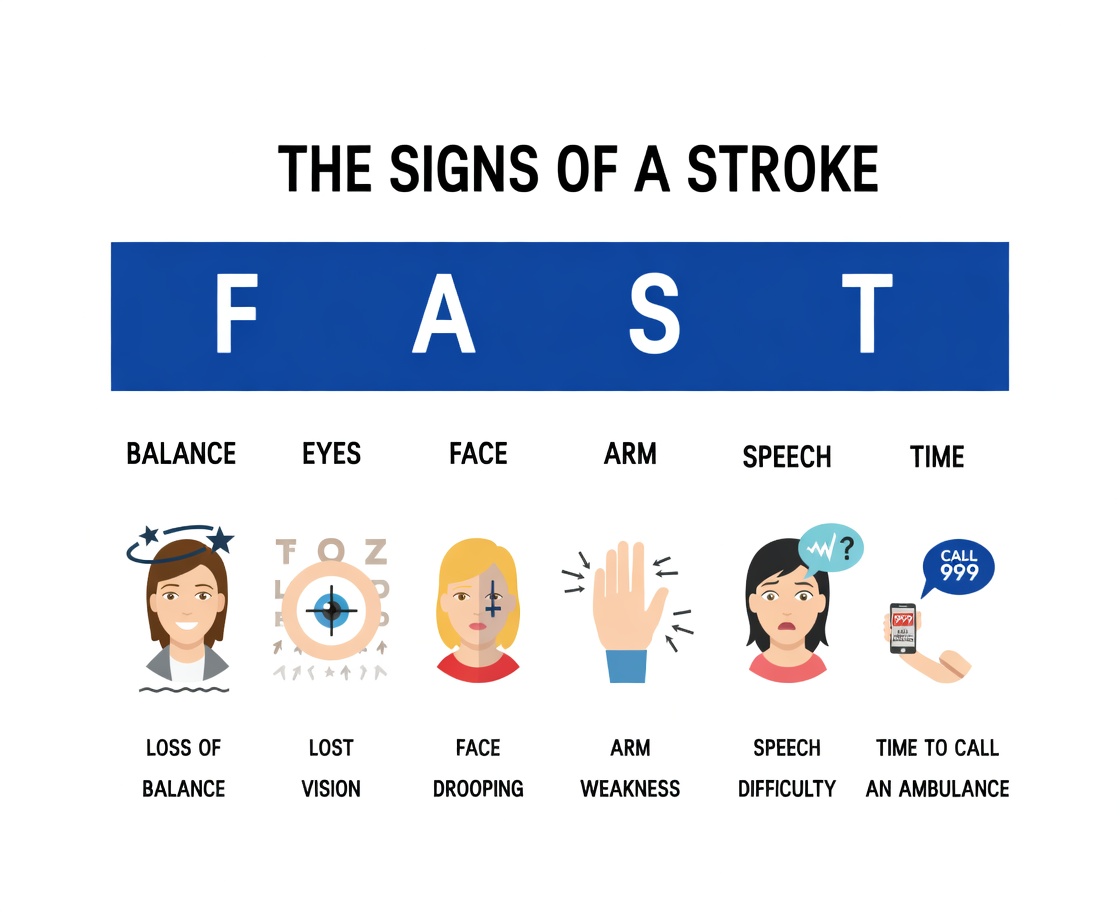
The American Stroke Association recommends the F.A.S.T. test to quickly spot common stroke symptoms:
- F – Face: Ask the person to smile. Does one side of the face droop?
- A – Arms: Ask them to raise both arms. Does one arm drift downward or feel weak?
- S – Speech: Ask them to repeat a simple sentence. Is their speech slurred, strange, or hard to understand?
- T – Time: If any of these signs appear, call emergency services right away.
Even if symptoms fade quickly, do not wait to see if they return. Early evaluation can uncover serious risk factors and prevent a more devastating stroke.
Why Early Signs of Stroke Matter
TIAs and early stroke symptoms are powerful predictors of future events. Research shows that the risk of a major stroke is dramatically higher in the days and weeks after a TIA. Public health agencies like the CDC emphasize that fast action not only saves lives but can also improve recovery and reduce long-term disability.
Recognizing symptoms early allows healthcare providers to:
- Perform brain imaging and circulation studies
- Check for high blood pressure, diabetes, and high cholesterol
- Detect heart rhythm problems such as atrial fibrillation
- Prescribe medications or recommend procedures to lower stroke risk
Not every stroke is preceded by warning signs, but being aware of these possibilities encourages people to seek help sooner rather than later, when treatments are most effective.
9 Evidence-Based Strategies to Help Prevent Stroke
While certain risk factors like age and genetics cannot be changed, many powerful stroke prevention tools are within your control. The following habits are strongly supported by research and major health organizations:
-
Check and control your blood pressure
Elevated blood pressure is one of the strongest predictors of stroke. Monitor it regularly at home or in clinics, and follow your healthcare provider’s advice on lifestyle changes and medications if your readings are high. -
Adopt a heart-healthy eating pattern
Base your meals on fruits, vegetables, whole grains, beans, lean protein sources, and healthy fats like those in fish, nuts, seeds, and olive oil. Reduce intake of salt, highly processed foods, sugary snacks, and sugary drinks to protect both heart and brain. -
Move your body consistently
Aim for at least 150 minutes per week of moderate-intensity physical activity, such as brisk walking, cycling, dancing, or swimming. Regular exercise supports healthy blood vessels, improves circulation, and can help manage weight and blood pressure. -
Work toward and maintain a healthy weight
Excess body weight is linked to high blood pressure, diabetes, and other stroke risks. Even modest weight loss can improve these factors and lower your overall risk. -
Stop smoking and avoid tobacco in all forms
Smoking damages blood vessels and accelerates plaque buildup, greatly increasing stroke risk. Quitting leads to benefits relatively quickly, and support from counseling, medication, or quit programs boosts your chances of success. -
Drink alcohol in moderation, if at all
Heavy drinking raises blood pressure and stroke risk. If you drink, stick to recommended limits: up to one standard drink per day for women and up to two for men, or choose not to drink. -
Manage cholesterol and blood sugar levels
High cholesterol and uncontrolled diabetes damage blood vessels over time. Regular checkups, lab tests, and following prescribed treatment plans (including medication and lifestyle changes) are essential for keeping these numbers in a healthy range. -
Prioritize good-quality sleep
Most adults need about 7–9 hours of sleep each night. Poor sleep, sleep apnea, and chronic sleep deprivation are linked to cardiovascular problems and higher stroke risk. Talk with a healthcare provider if you snore loudly, stop breathing during sleep, or feel tired despite a full night in bed. -
Practice effective stress management
Ongoing stress can contribute to high blood pressure and unhealthy coping habits. Techniques like deep breathing, mindfulness meditation, yoga, spending time in nature, or engaging in relaxing hobbies can help keep stress, and therefore stroke risk, under better control.
A Simple Bonus Habit: Keep a Daily Health Journal
One practical tool many people find surprisingly powerful is a basic daily log. Each day, jot down:
- How you slept and your energy level
- Any unusual sensations (numbness, headaches, dizziness, speech problems)
- Key habits, such as exercise, meals, and stress level
Over time, this record helps you notice patterns, spot new or recurring symptoms earlier, and provide your healthcare provider with accurate information during appointments.
Conclusion: You Have Real Power Over Your Brain Health
Noticing possible early warning signs of stroke and acting on them, combined with consistent preventive habits, can significantly influence your long-term brain and heart health. Stroke risk is not completely fixed – many important factors respond to daily choices, medical guidance, and ongoing attention.
Staying informed, listening to your body, and partnering with healthcare professionals give you the best chance to lower your risk and protect your quality of life.
FAQ
What should I do if I have a brief symptom that goes away?
Treat it as an emergency warning, not a minor annoyance. Contact a healthcare provider immediately or seek urgent care, even if you feel fine by the time you arrive. Short episodes can be TIAs and often indicate a high risk of a future stroke.
Can younger people experience these warning signs?
Yes. Although stroke is more common in older adults, it can affect people of any age, including young adults. Risk factors such as high blood pressure, smoking, diabetes, high cholesterol, and certain heart conditions may appear earlier in life, so awareness is important at every age.
How quickly should I respond to sudden stroke symptoms?
Right away. If you or someone near you shows possible stroke symptoms – such as face drooping, arm weakness, or speech difficulty – call emergency services immediately. Time-sensitive treatments work best when started as soon as possible, and fast action can save brain function and even save a life.