
Lighter, More Comfortable Legs: Can One Nutrient Help?
Heavy, achy legs at the end of the day are a familiar feeling for many people. You might notice mild swelling around the ankles, visible or bulging veins, or a tight, “full” sensation that eases when you prop your legs up. These symptoms can make everyday tasks like standing at work or walking longer distances feel more demanding, and over time they may chip away at comfort and confidence.
Lifestyle habits have a major impact on vein health, but growing interest in nutrition has turned the spotlight on one key nutrient that supports the body’s own mechanisms for keeping blood vessels flexible. The question many are asking: could a simple, targeted addition to your routine noticeably change how your legs feel day to day?

Understanding Leg Vein Discomfort and Circulation
Challenges with leg circulation often arise from a mix of factors:
- Long periods of sitting or standing
- Advancing age
- Genetic predisposition
- Weight and lifestyle habits
When blood has to travel back up from the lower body against gravity, your vein walls and one-way valves do a lot of work. If they are under extra strain, you may experience:
- A feeling of heaviness or fatigue in the legs
- Mild swelling, especially near the ankles
- More prominent or twisted veins
- Tightness that improves when legs are elevated
A key goal for many people is to support vascular flexibility—helping blood vessels remain supple so they can respond better to the demands of daily life. This is where calcium handling inside the body becomes important.
Research increasingly shows that the way calcium is regulated in blood vessels can influence how flexible or stiff they become over time. When calcium accumulates in softer tissues instead of staying in the bones, it may contribute to reduced vessel elasticity. Certain nutrients help guide calcium to the right places—and one of the most studied is vitamin K2, especially in its MK-7 form.
What Makes Vitamin K2 (MK-7) Unique?
Vitamin K is not a single nutrient but a family of compounds with different roles:
- Vitamin K1 (phylloquinone): Primarily involved in blood clotting and found mostly in leafy green vegetables.
- Vitamin K2 (menaquinones): Plays a larger role in calcium metabolism and vascular health.
Within vitamin K2, the MK-7 form (menaquinone-7) has drawn particular interest. It stands out because:
- It stays active in the body for a longer time—up to several days.
- It can be effective at lower daily doses compared with some other vitamin K forms.
- It has been widely studied in relation to cardiovascular and vascular markers.
Studies from regions such as Europe and Japan indicate that MK-7 activates a crucial protein called Matrix Gla Protein (MGP). When MGP is fully activated, it helps prevent inappropriate calcium deposits from forming in vessel walls. This may support:
- Healthier, more elastic arteries and veins
- Better protection against progressive stiffening of blood vessels
Some research has also examined how vitamin K–dependent proteins are involved in changes to vein walls. While not a cure, low vitamin K status and poor activation of these proteins have been discussed as potential contributors in conditions like varicose veins.
Beyond that, observational and clinical findings suggest that adequate vitamin K2 intake may be linked with more favorable markers of:
- Vascular elasticity
- Blood flow
- Overall vessel resilience

Key Research Highlights on Vitamin K2-MK7
Several human studies have evaluated the impact of MK-7 on vascular health:
-
Postmenopausal women and arterial flexibility
- Trials using approximately 180 mcg of MK-7 daily over multiple years found that women taking MK-7 experienced less age-related arterial stiffening than those on placebo.
- These results suggest a protective, maintenance effect on blood vessel elasticity.
-
Randomized trials and vascular calcification
- Reviews of controlled studies have noted improvements in certain markers of vascular health, including a slower progression of calcification in some groups.
- While outcomes vary by population and study design, the overall trend supports a role for K2 in managing calcium in blood vessels.
-
Emerging data on vein wall integrity
- Early-stage vascular research indicates that vitamin K–dependent proteins such as MGP may influence the structure and integrity of vein walls.
- Adequate vitamin K2 intake could therefore help support better outcomes in people concerned about vein-related issues.
These findings, largely reported in PubMed-indexed and peer-reviewed publications, underscore a supportive function rather than a direct treatment. Typical study doses range roughly from 180–360 mcg of MK-7 per day, taken consistently over months or years.
Why Combine Vitamin K2 with Vitamin D3?
Vitamin D3 is well-known for its role in enhancing calcium absorption from food, supporting bone density and immune function. But when calcium absorption increases, the body also needs a system to direct that calcium to where it belongs—primarily bones and teeth, not arteries and soft tissues.
This is where Vitamin K2-MK7 complements vitamin D3:
- Vitamin D3 helps you absorb calcium.
- Vitamin K2-MK7 helps guide and utilize that calcium correctly, activating proteins that bind calcium into bone and keep it out of vessel walls.
For this reason, many practitioners favor a combined approach:
-
Circulation-focused support
- Around 180–240 mcg MK-7
- Plus 4,000–5,000 IU vitamin D3 daily
-
Higher-level support (under professional supervision)
- Up to 360 mcg MK-7
- Plus 6,000–8,000 IU vitamin D3
-
Maintenance strategy
- About 180 mcg MK-7
- With 4,000 IU vitamin D3
These are general ranges drawn from research and practice, not universal prescriptions. It is essential to consult a healthcare provider to tailor doses to your individual needs, medical history, and lab results.
How to Incorporate Vitamin K2-MK7 into Your Routine
To make the most of vitamin K2-MK7, consider the following practical steps:
-
Choose the MK-7 form
Look for supplements specifying K2 as MK-7, ideally from well-researched, standardized sources (often derived from fermented foods like natto). MK-7 tends to have better bioavailability and a longer half-life. -
Take it with dietary fat
Vitamin K2 is fat-soluble, so it’s best absorbed with a meal containing healthy fats such as:- Avocado
- Nuts and seeds
- Olive oil or other quality oils
- Eggs or fatty fish
-
Be consistent over time
Most studies show benefits after months of continuous use, not days. Incorporate it into your daily routine, similar to how you would treat a long-term wellness supplement. -
Support circulation with lifestyle habits
Nutritional support works best alongside everyday choices that promote blood flow:- Regular walking or light exercise
- Periodically elevating your legs when resting
- Staying well-hydrated
- Avoiding long stretches of sitting or standing without movement
-
Pay attention to how your legs feel
Over the span of several weeks to months, some people notice:- Less end-of-day heaviness
- Reduced sense of tightness
- More comfort while standing or walking
These changes can be subtle and gradual but meaningful over time.
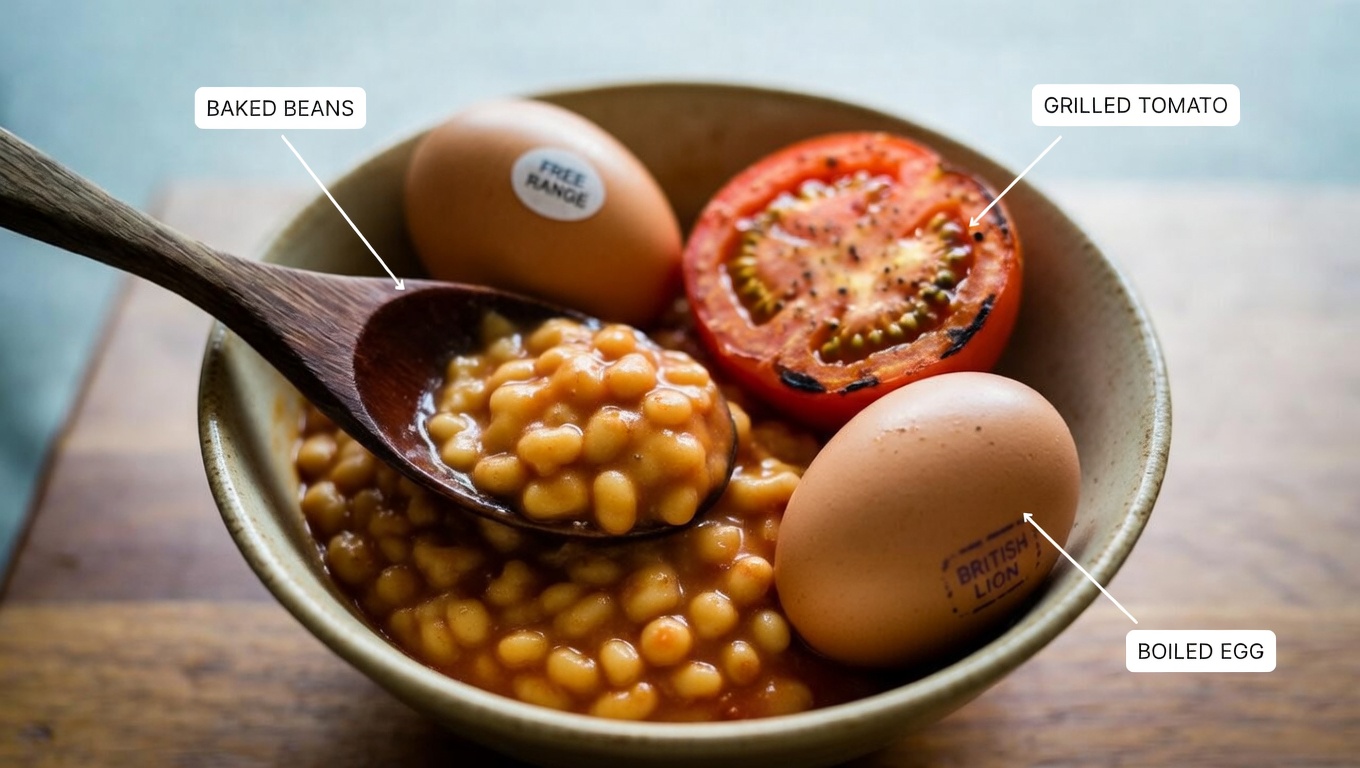
Food Sources of Vitamin K2
Supplements are convenient, but combining them with dietary sources can offer a broader base of support. Foods naturally rich in vitamin K2 include:
- Natto (fermented soybeans – the richest known source of MK-7)
- Cheese, especially aged varieties such as Gouda or Edam
- Egg yolks
- Butter from grass-fed animals
- Meat, particularly organ meats like liver
Because K2 content can vary widely depending on farming and preparation methods, food alone may not always provide consistent amounts—another reason supplementation is often considered.
Important Safety Notes and Considerations
-
Vitamin K2-MK7 vs. blood thinners
Vitamin K2-MK7 does not act as a blood thinner and functions differently from vitamin K1 in terms of clotting. However, if you are taking anticoagulant medications (e.g., warfarin), any form of vitamin K can potentially influence your INR and treatment stability.- Always speak with your doctor or anticoagulation clinic before starting vitamin K2—even at low doses.
- Do not adjust medications without professional guidance.
-
General tolerability
For most individuals who are not on blood-thinning medications, vitamin K2-MK7 is generally well-tolerated at doses used in research. Reviews have observed daily intakes up to around 375 mcg as safe in healthy adults. -
Lifestyle still comes first
Supplements should complement, not replace, core strategies for vein and vascular health:- Regular physical activity
- Maintaining a healthy body weight
- Limiting excessive salt intake
- Avoiding smoking
- Managing blood pressure and blood sugar
Putting It All Together: A Natural Aid for Vein Comfort
Leg vein discomfort doesn’t have to be an inevitable consequence of aging or demanding routines. By supporting the body’s internal systems for calcium regulation and vessel flexibility, vitamin K2-MK7 offers a promising piece of the vascular wellness puzzle.
It is not a quick fix or a stand-alone solution. However, when combined with:
- Thoughtful nutrition
- Daily movement
- Healthy circulation habits
vitamin K2-MK7 may help you maintain lighter, more comfortable legs and better long-term vascular resilience.
If heavy, tight, or tired legs are affecting your everyday life, consider discussing nutritional approaches—including vitamin K2-MK7 and vitamin D3—with a qualified healthcare professional to see whether they fit your overall health plan.
FAQ
What is the difference between vitamin K1 and vitamin K2?
- Vitamin K1 is found mainly in leafy green vegetables and is primarily involved in blood clotting.
- Vitamin K2, especially the MK-7 form, is more closely tied to calcium management, helping direct calcium into bones and away from arteries and soft tissues, thereby supporting both bone strength and vascular health.
How long does it take to notice potential benefits from vitamin K2-MK7?
Research often evaluates changes in vascular markers over several months to a few years of consistent use. While lab-measured improvements in arterial flexibility or calcification develop gradually, some individuals report changes in leg comfort—such as reduced heaviness or less tightness—within a few weeks to a few months. Individual responses vary.
Is vitamin K2-MK7 safe for daily use?
Evidence from clinical trials and safety reviews indicates that vitamin K2-MK7 is generally well-tolerated at commonly used doses, with intakes up to about 375 mcg per day reported as safe in healthy adults.
However:
- If you are on warfarin or other anticoagulant medications, you must consult your doctor before using any vitamin K supplement.
- If you have underlying health conditions or take multiple medications, professional guidance is recommended to personalize dosage and ensure safety.