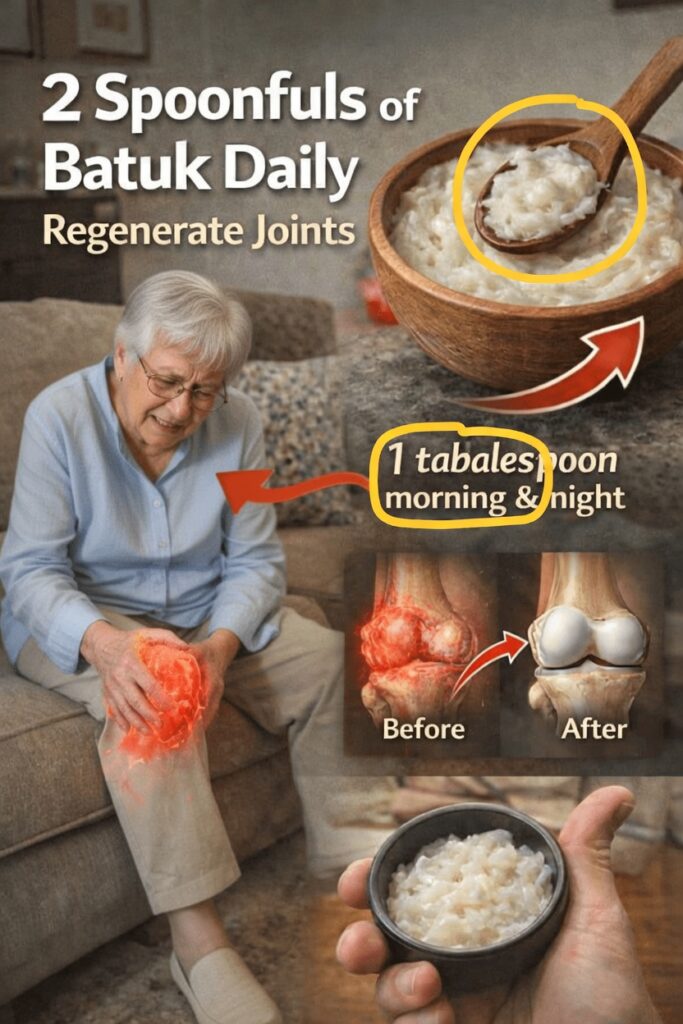
Virgin Coconut Oil and Joint Comfort: A Gentle, Natural Addition to Your Routine
Many people notice their joints becoming less flexible with time—especially in the knees, hips, and other weight-bearing areas. Morning stiffness, a feeling of “rustiness” when getting up, or mild aches during everyday activities can slowly turn simple movements into a chore. These changes are often linked to natural wear and tear over the years.
Alongside exercise, stretching, and a balanced diet, more and more people are exploring natural options that may help support overall joint health. One everyday ingredient that has drawn particular interest is virgin coconut oil.
What if something already in your kitchen could be used—sensibly and in moderation—to nourish tissues and support long-term comfort? This guide looks at virgin coconut oil, why it attracts attention for joint support, and practical ways some people incorporate it into their lifestyle, based on general research insights.
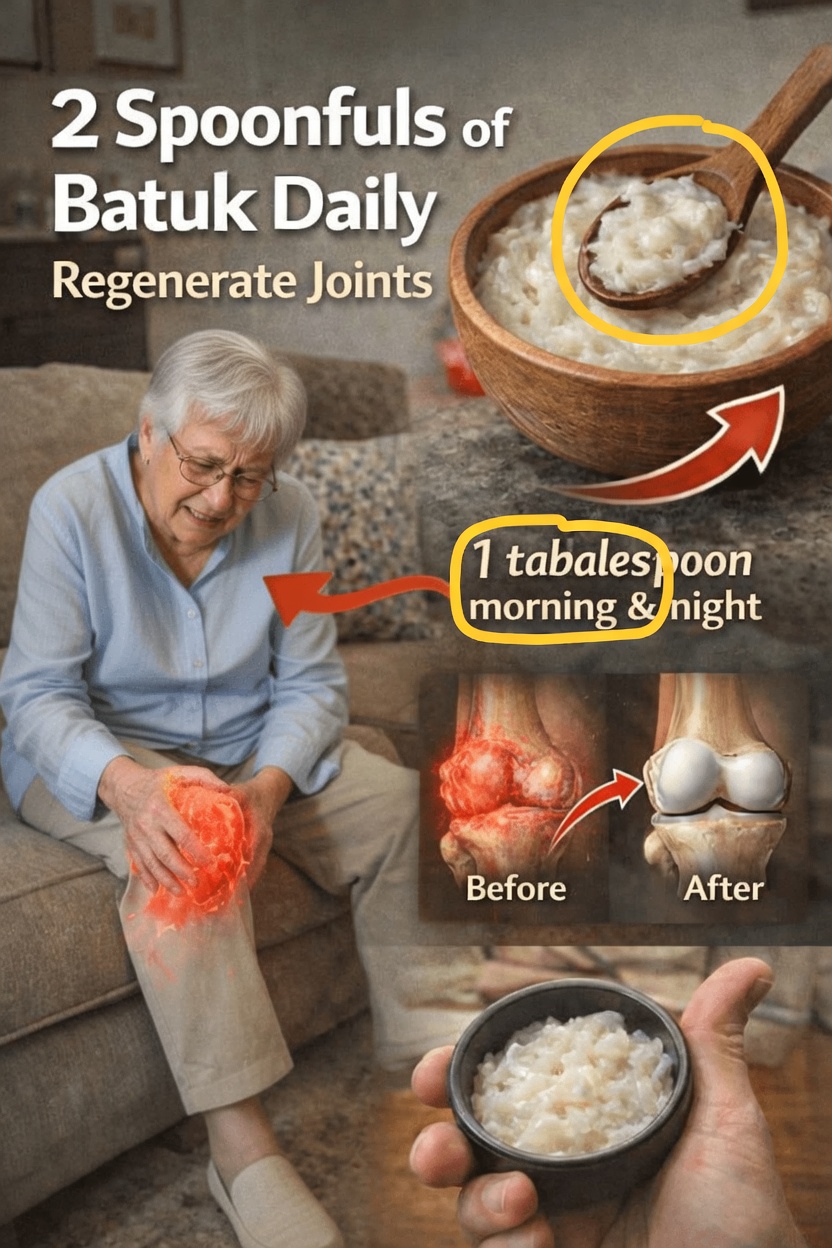
Understanding Joint Discomfort and Natural Support
Joint discomfort can arise from several overlapping factors, including:
- Occasional inflammation in and around the joint
- Reduced lubrication in cartilage and connective tissues
- Everyday oxidative stress affecting cells and tissues
As people age or accumulate years of physical activity, supporting smooth movement, flexibility, and comfort becomes increasingly important. Traditional wellness approaches and modern nutrition research both highlight foods rich in healthy fats and antioxidants as potentially helpful for overall joint and tissue health.
Virgin coconut oil is made from fresh coconut meat and processed without high heat or harsh chemicals. It naturally contains:
- Medium-chain fatty acids (MCFAs), such as lauric acid
- Plant-based compounds including polyphenols with antioxidant properties
Early animal and laboratory studies suggest these components may help support normal inflammatory pathways and the body’s natural antioxidant defenses.
For example, some preclinical research has examined how virgin coconut oil extracts influence markers related to inflammation, oxidative stress, and tissue integrity. Evidence in humans is still limited and not entirely consistent, and high-quality clinical trials are needed. However, its long history of use in traditional diets has prompted interest in its possible role in general wellness and joint comfort.
Why Virgin Coconut Oil Stands Out
Compared with many common cooking oils, virgin coconut oil has a distinctive nutritional profile that has led to increased research and consumer curiosity.
Key points often noted in the scientific literature include:
-
Medium-Chain Fatty Acids (MCFAs)
These fats are digested and metabolized more quickly than many long-chain fats. They may support energy production and help maintain overall metabolic balance when used in moderation as part of a healthy diet. -
Antioxidant Compounds
Virgin coconut oil contains polyphenols and other plant compounds that can help the body counteract oxidative stress—one of the factors that may influence tissue aging and comfort. -
Potential Supportive Actions in Joint Models
Some animal studies have reported anti-inflammatory and tissue-protective effects in models mimicking joint stress or joint-related changes.
Reviews of the available data suggest that while coconut oil’s broader impact on cardiovascular markers (like cholesterol) varies and remains debated, its antioxidant profile appears promising in specific contexts. Quality matters: organic, cold-pressed, unrefined virgin coconut oil tends to retain more of these natural compounds than highly processed alternatives.
Common Ways People Use Virgin Coconut Oil for Daily Wellness
Many people choose to add virgin coconut oil in small, regular amounts rather than in large doses. They often combine it with other joint-supportive habits like gentle exercise, stretching, and a nutrient-rich diet.
Two of the most common approaches are internal (dietary) use and external (topical) application.

1. Internal Use: Adding Virgin Coconut Oil to Your Diet
If you choose to consume virgin coconut oil, it’s wise to start with a small amount and see how your body responds.
Typical ways people incorporate it include:
- Stirring about 1 teaspoon to 1 tablespoon into warm herbal tea or coffee in the morning
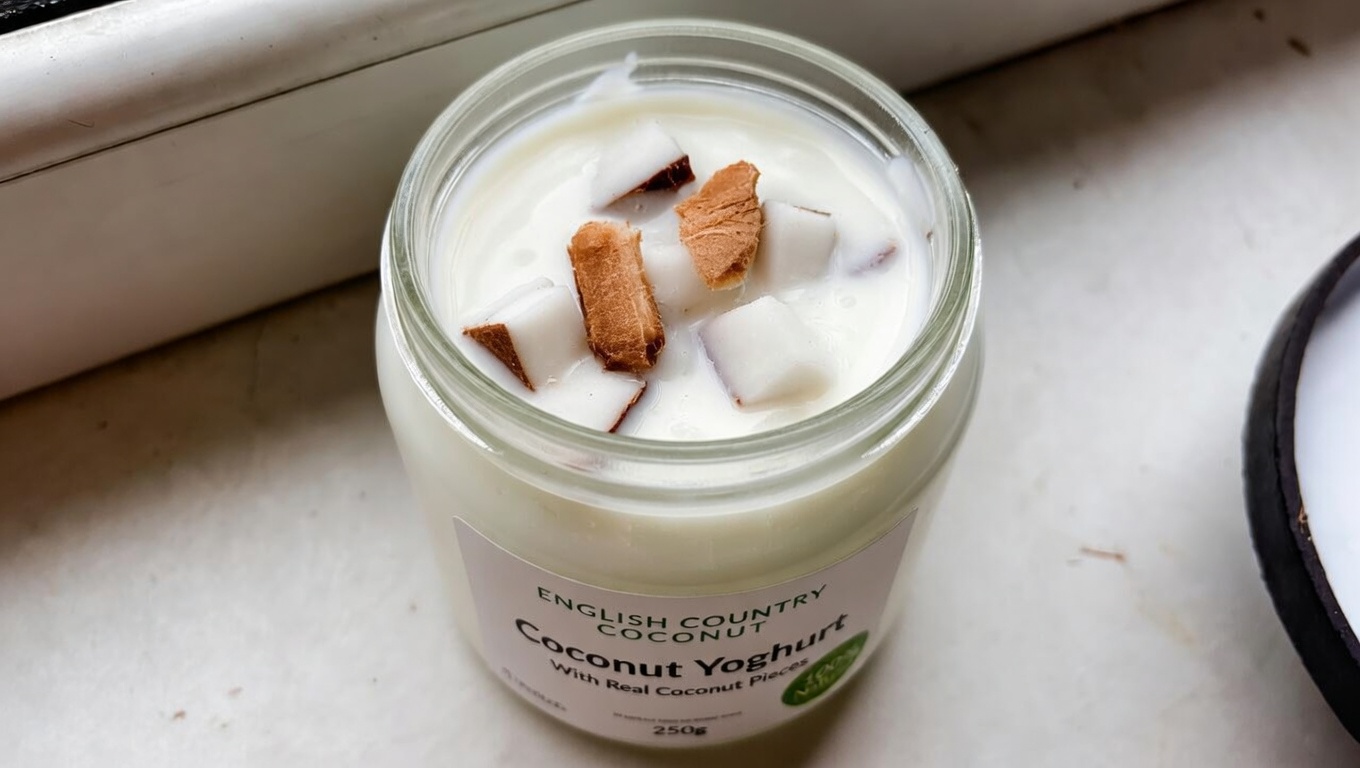
- Blending it into smoothies, oatmeal, or yogurt for added richness and healthy fats
- Using small amounts for light sautéing or baking, keeping in mind its mild coconut flavor
- If tolerated, taking a second small serving later in the day with a meal
Most general guidelines suggest keeping intake to around 1–2 tablespoons per day in total, adjusting based on your overall calorie needs, diet, and health goals. Because it is high in saturated fat, moderation is particularly important.
2. External Use: A Simple Topical Massage Routine
Some people prefer (or add) topical application as a soothing self-care practice for areas that feel stiff or overworked.
A basic routine might look like this:
- Scoop out about 1 teaspoon of virgin coconut oil.
- Warm it between your palms until it melts and feels comfortably warm.
- Gently massage it into the area of concern using slow, circular motions for about 10–15 minutes.
- For extra comfort, place a warm towel over the area afterward to encourage relaxation.
- Repeat once or twice daily, such as after a shower or before bedtime.
This method does not treat underlying joint conditions, but the combination of warmth, massage, and moisture may help promote circulation and ease temporary stiffness.
What You Might Notice Over Time
When virgin coconut oil is used consistently as part of a broader healthy lifestyle, people sometimes report gradual, subtle changes over several weeks or months, such as:
- Less pronounced stiffness upon waking
- A feeling of smoother or easier movement during everyday tasks
- A general sense of warmth, comfort, and relaxation in the tissues
These experiences are personal and can vary widely. Results are not guaranteed and depend on many factors, including age, activity level, diet, genetics, and underlying health.
For best joint support, virgin coconut oil is usually combined with:
- Maintaining a healthy body weight
- Eating a diet rich in fruits, vegetables, whole grains, and omega‑3 fats
- Staying physically active with low-impact movement like walking, swimming, or yoga
- Adequate hydration and sleep
What Research Says About Virgin Coconut Oil and Joint Health
Current scientific evidence provides useful context but is still in the early stages, especially for human joint health.
Some findings include:
-
Animal Studies in Joint Models
Studies in animals, including models of induced arthritis, suggest that polyphenols and other components of virgin coconut oil may help modulate inflammatory markers and reduce oxidative stress in tissues. -
Anti-Inflammatory Effects in Lab Settings
In vitro (test-tube) and preclinical studies have explored the ability of certain fatty acids, such as lauric acid, and polyphenolic fractions to influence pathways involved in inflammation. -
Combined Nutrient Approaches
In at least one study focused on early knee concerns, virgin coconut oil used alongside vitamin D appeared to support certain cartilage-related markers, indicating a potential synergistic effect. However, these findings are preliminary. -
Reviews and Overall Conclusions
Broader reviews highlight virgin coconut oil’s antioxidant capacity but make it clear that human clinical trials are limited. Coconut oil should not be viewed as a cure or sole treatment for joint issues, but rather as an optional part of a comprehensive wellness plan.
More large-scale, long-term human studies are needed to define how—and to what extent—virgin coconut oil might support joint health in different populations.
Safe and Practical Tips for Getting Started
If you decide to experiment with virgin coconut oil for general wellness and joint comfort, consider these guidelines:
-
Choose Quality
Look for organic, cold-pressed, unrefined virgin coconut oil to maximize natural antioxidants and beneficial compounds. -
Store It Properly
Keep it in a cool, dark place. It naturally solidifies at cooler room temperatures and liquefies when warmer—both forms are fine to use. -
Use in Moderation
Because virgin coconut oil is calorie-dense and high in saturated fat, keep intake modest and factor it into your overall diet. -
Combine with Joint-Friendly Habits
Pair it with:- Regular low-impact exercise (walking, cycling, swimming, yoga)
- Adequate protein for muscle support
- Vitamin C–rich foods (citrus fruits, berries, bell peppers) for collagen production
- Magnesium sources (leafy greens, nuts, seeds, legumes) for muscle and nerve function
-
Track Your Experience
Pay attention to how you feel over 4–6 weeks of consistent use. You can keep a simple journal about stiffness, comfort, and mobility at different times of day.
If you have existing medical conditions, take medications, or have concerns about cholesterol or heart health, it’s wise to speak with a healthcare professional before making significant changes to your fat intake.
Final Thoughts: Virgin Coconut Oil as Part of a Balanced Approach
Virgin coconut oil can be a simple, natural addition for people looking to support overall wellness and joint comfort. Its unique mix of medium-chain fats and antioxidant compounds makes it an interesting functional food and topical oil when used sensibly.
However, it is not a stand-alone solution or a substitute for medical care. The best results for joint health typically come from a combination of:
- Thoughtful nutrition
- Regular, joint-friendly movement
- Adequate rest and stress management
- Professional guidance where needed
Small, sustainable changes usually bring the most meaningful benefits over time. Listen to your body, introduce virgin coconut oil gradually, and integrate it into a broader plan for long-term joint health and overall well-being.
FAQ
1. How much virgin coconut oil can I use daily for general support?
Many people start with 1–2 tablespoons per day in total, often divided between meals or uses (for example, 1 tablespoon in the morning and 1 in the afternoon). Begin with a smaller amount, such as 1 teaspoon, and increase slowly if you feel comfortable. Always consider your overall calorie and fat intake, and consult a health professional if unsure.
2. Is virgin coconut oil appropriate if I’m concerned about cholesterol?
Virgin coconut oil is relatively high in saturated fat, which can affect cholesterol levels differently from person to person. Some research indicates it may raise HDL (“good”) cholesterol, but it may also impact LDL (“bad”) cholesterol. If you have high cholesterol, cardiovascular risk factors, or a family history of heart disease, discuss its use with your doctor or dietitian before increasing intake.
3. Can everyone use virgin coconut oil?
Most people tolerate virgin coconut oil well when used in moderate amounts. However:
- Those with a coconut allergy should avoid it completely.
- Some individuals may experience digestive discomfort if they consume too much too quickly.
- If you are pregnant, breastfeeding, taking medications, or managing chronic conditions, seek guidance from a healthcare provider before making significant dietary changes.
Start slowly, observe how your body responds, and adjust your use accordingly.