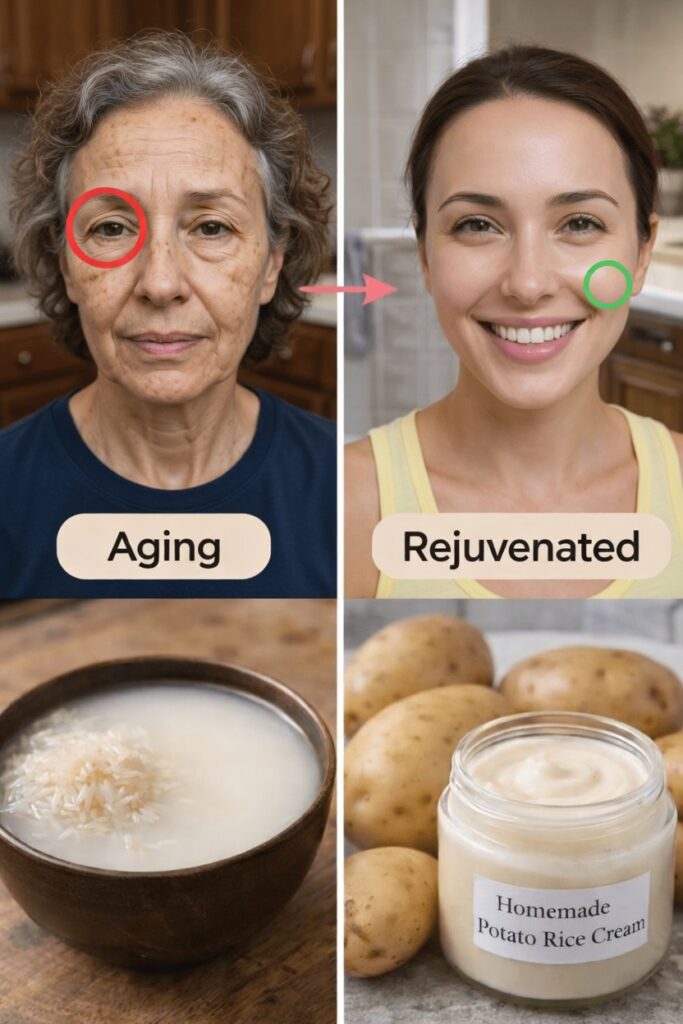
Revive Tired, Dull Skin with a Simple Rice and Potato Night Treatment
Many people deal with skin that looks flat, fatigued, and feels slightly rough—especially after long workdays, stress, or not getting enough sleep. It can be discouraging when pricey serums and creams promise a radiant glow yet leave your skin feeling dry, patchy, or unchanged.
That’s one reason a very simple DIY skincare blend made from two everyday ingredients—rice and potato—has become so popular online. It’s low-cost, gentle, and based on traditional natural skincare practices that may support softer, brighter-looking skin when used consistently as part of a nighttime routine.
But what makes this particular mix special, and could it realistically fit into your evening skincare ritual? Let’s break it down so you can decide if it’s worth trying.
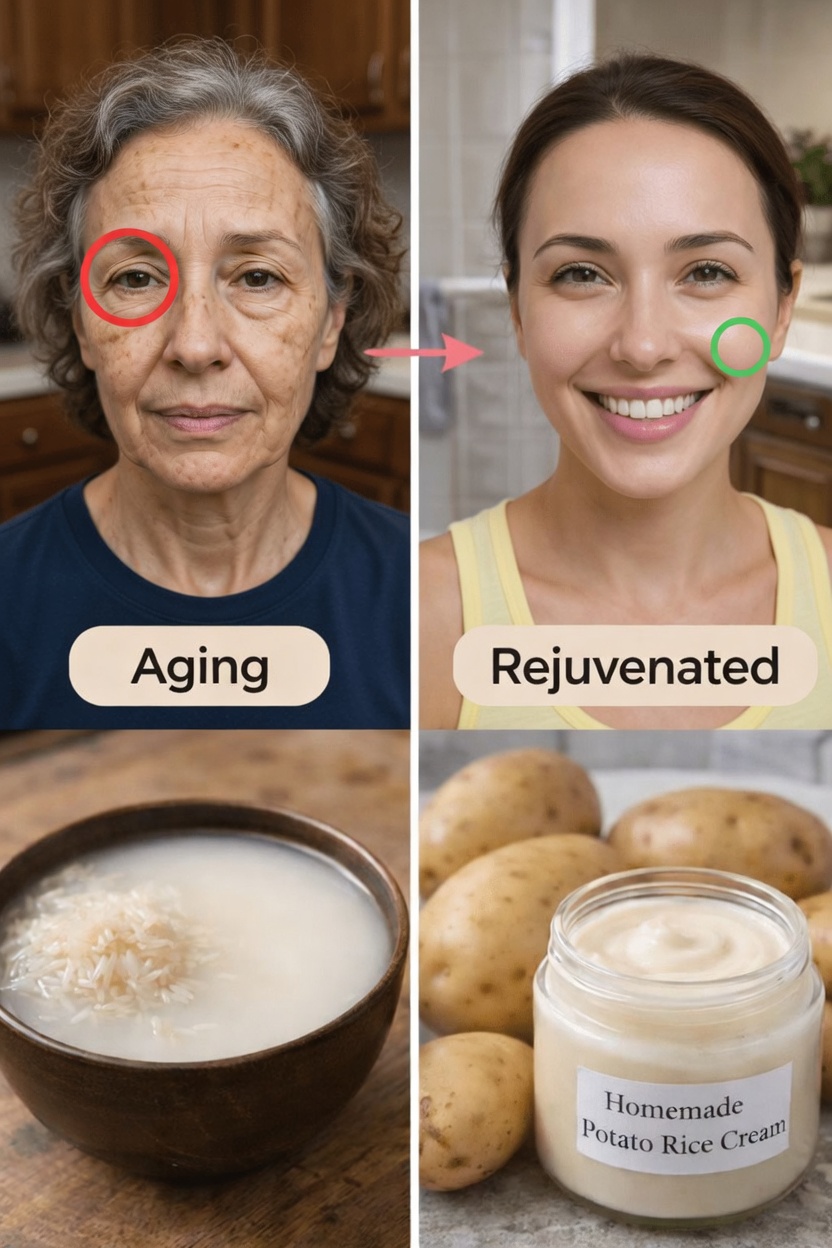
Why Rice and Potato Are Long-Time Staples in Natural Skincare
Kitchen ingredients have been used for beauty for generations, especially across Asia, where rice-based preparations are a classic go-to for smooth, more even-looking skin.
The Role of Rice in DIY Skincare
Rice has earned a reputation as a gentle, everyday-friendly ingredient. Modern research points to several rice-derived components that may be helpful for skin:
- Ferulic acid – an antioxidant that can help protect the skin from environmental stressors.
- Inositol – associated with helping improve skin texture and supporting a smoother feel.
- Rice starch – can create a mild, temporary tightening effect on the skin’s surface.
- Amino acids – help support hydration and the skin’s natural moisture barrier.
Together, these properties make rice water and rice extracts popular in routines focused on softness, hydration, and a more luminous appearance.
How Potato Complements Rice
Potato brings its own set of benefits that pair well with rice:
- Naturally rich in vitamin C, which is known for its role in supporting a brighter, more even skin tone.
- Contains enzymes such as catecholase, often mentioned in relation to reducing the look of spots or uneven patches over time.
- Cooling and soothing when used raw, which can feel refreshing on puffy, tired, or lackluster skin.
Many people use raw potato slices or juice as a quick refresh for dull complexions, especially around the eye area (while avoiding direct contact with the eyes).
Why the Combination Works
When you bring rice and potato together, you get a mild, nourishing blend that:
- Feels light on the skin
- Can support hydration and comfort
- May help promote a fresher, more rested look over time
This makes it especially suitable for evening use, when the skin is ready to rest and recover.
Why Nighttime Is Ideal for a Rice and Potato Mask
Your skin carries out much of its repair and renewal process while you sleep, which is why nighttime is often considered “prime time” for skincare.
Using a gentle, homemade rice and potato blend in the evening allows:
- Longer contact time without interruption from makeup or sunscreen
- Less exposure to pollutants and sun while the treatment sits on your skin
- Better moisture retention, helping support barrier recovery overnight
Many people describe this mask as calming and non-irritating, making it a relaxing step to include in a bedtime routine.
Realistic Benefits of a Rice and Potato Face Mask
This is not a miracle cure—but with consistency, it can become a helpful part of a simple, nourishing routine. When used regularly, a rice and potato blend may help support:
- Softer, more hydrated-feeling skin
- A fresher, less dull appearance
- Temporary surface smoothing thanks to natural starches
- Overall comfort and nourishment, especially for tired or stressed skin
Research on rice-derived ingredients suggests they can contribute to better hydration and provide antioxidant benefits. Potato, with its vitamin C content, may support a brighter-looking complexion over time.
Anecdotal feedback from people who use rice and potato masks frequently often includes:
- Subtle improvement in radiance after a few weeks
- Skin that feels smoother and more comfortable
- A more “awake” look in the morning
Still, it’s important to stay realistic. This blend:
- Will not erase deep wrinkles
- Does not replace professional treatments or dermatological care
- Does not offer sun protection and must be paired with daily SPF
Who Is Most Likely to Enjoy This DIY Skincare Trend?
This simple rice and potato mask tends to appeal to people who:
- Prefer natural or kitchen-based skincare options
- Have sensitive or easily irritated skin and want something gentle
- Need budget-friendly additions to their routine
- Favor gradual, steady improvements over aggressive treatments
- Want to focus on daily nourishment, not quick, drastic fixes
It’s particularly popular among individuals in their 20s to 50s who want a low-effort way to maintain or restore a healthy-looking glow without overcomplicating their skincare routine.
How to Make a Basic Rice and Potato Blend at Home
Below is a simple, beginner-friendly version of the rice and potato mask that many people customize. Always patch test first to check for any sensitivity.
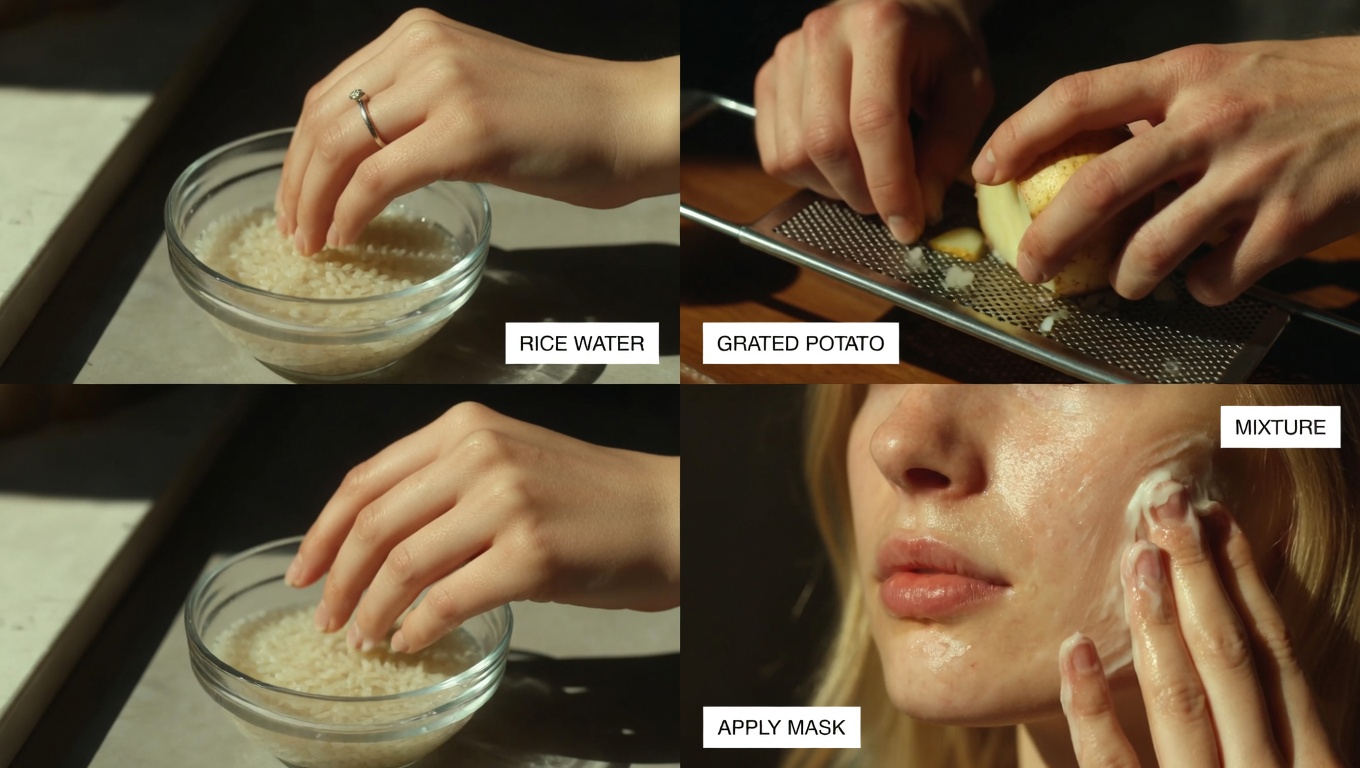
Ingredients (Basic Version)
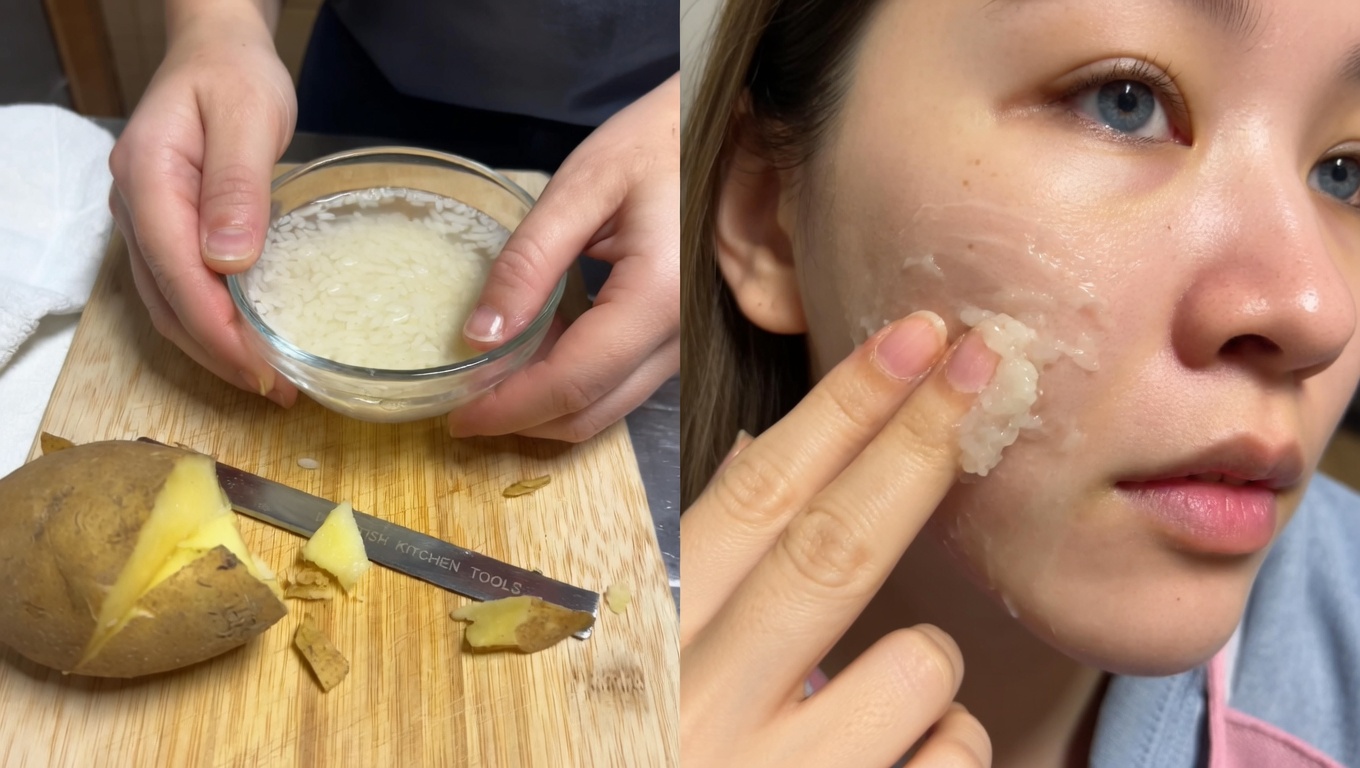
- 2–3 tablespoons rice (to create rice water or a light starch solution)
- 1 small raw potato, peeled
- Optional: a small amount of aloe vera gel or plain yogurt for a creamier texture
Step-by-Step Instructions
-
Prepare the rice water or starch
- Rinse the rice thoroughly to remove surface impurities.
- Either:
- Soak the rice in clean water for about 30 minutes, then strain to collect the liquid, or
- Boil the rice in water and strain it to obtain a thicker, starchier liquid.
-
Extract the potato juice
- Grate or blend the peeled potato.
- Place the grated potato in a clean cloth or strainer and squeeze to collect the juice.
-
Combine the ingredients
- Mix the rice water/starch with the potato juice.
- Add a small amount of aloe vera gel or plain yogurt if you want a smoother, more lotion-like consistency.
- Stir until the mixture is as uniform as possible.
-
Apply the mask
- Start with a clean face and neck.
- Apply a thin, even layer, avoiding the eye area and any broken skin.
-
Leave it on
- Allow the blend to sit for about 15–20 minutes (or a bit longer if your skin feels comfortable).
- Rinse off gently with lukewarm water and pat the skin dry.
-
Storage
- Transfer any leftover mixture to a clean container.
- Store in the refrigerator and use within 2–3 days, as it contains no preservatives and has a short shelf life.
A good starting point is using this mask 2–3 times per week, then adjusting based on how your skin responds.
Simple Tips to Fit This Mask into Your Routine
To get the best out of your rice and potato blend, keep these guidelines in mind:
- Always cleanse first with a gentle cleanser to remove makeup and dirt.
- Follow with a moisturizer if your skin feels dry or tight after rinsing.
- Use a broad-spectrum sunscreen every morning, regardless of your nighttime routine.
- Stay consistent for several weeks to fairly assess any changes.
- Support your skin from within with good sleep, hydration, and a balanced diet.
Why This Back-to-Basics Routine Keeps Trending
In a beauty world filled with complex ingredient lists and high price tags, many people are drawn to solutions that feel simple, familiar, and transparent. Rice and potatoes are:
- Easy to find
- Inexpensive
- Recognizable and trusted in many cultures
Because of that, experimenting with this kind of DIY mask feels low-risk for many. Even small improvements—like waking up to skin that feels a bit softer or looks slightly more refreshed—can motivate people to stick with it and share their experiences online.
Final Thoughts
A rice and potato blend won’t replace a complete skincare routine or professional treatments, but it can be a gentle, natural addition to your evening regimen. Used thoughtfully and consistently, it may help support smoother, more hydrated, and healthier-looking skin over time—without complicated steps or expensive products.
FAQ
Can I use this rice and potato mask every night?
Many people begin with 2–3 evenings per week to see how their skin reacts. If your skin tolerates it well and feels comfortable, you can gradually increase the frequency. Always pay attention to signs of dryness or irritation, as overusing any ingredient—even natural ones—can sometimes disrupt the skin barrier.
Is this DIY mask suitable for all skin types?
This blend is generally considered mild and gentle, but everyone’s skin is different. Those with very sensitive skin, reactive skin, or known allergies should:
- Perform a patch test on the inner forearm or behind the ear first.
- Avoid use if redness, itching, or burning occurs.
If you have active skin conditions (like eczema or severe acne), consult a dermatologist before trying new DIY treatments.
How long might it take to notice results?
Results vary widely, but people who use the mask consistently along with good skincare habits often report:
- Softer-feeling skin
- A more radiant look
within about 2–4 weeks. For best outcomes, pair this mask with:
- Daily sun protection
- Adequate hydration
- A gentle, balanced skincare routine overall.