
Smarter Bread Choices for Diabetes and Prediabetes
Living with diabetes or prediabetes often means paying close attention to every carbohydrate, especially familiar staples like bread. Many people reach for what seems like a healthier option—such as whole wheat—only to see their blood sugar climb, followed by energy crashes, stronger hunger, or concern about long-term health.
The encouraging news: not all breads affect blood glucose in the same way. Certain varieties, especially those higher in fiber, made from whole grains, or digested more slowly, can fit into a blood sugar–friendly eating pattern when eaten in sensible portions and combined with balanced meals.
In this guide, you’ll learn how to choose better breads for diabetes management, based on general nutrition research and glycemic response. Stay with it to the end—there’s a simple pairing strategy that can help almost any bread work more gently on your blood sugar.

Why Bread Type Matters for Blood Sugar Control
Bread is quick, convenient, and comforting—but many refined breads are rapidly broken down into glucose, which can trigger noticeable post-meal spikes. Research consistently shows that foods with more intact grains and higher amounts of soluble fiber tend to be digested and absorbed more slowly, leading to more gradual changes in blood sugar instead of sharp surges.
The glycemic index (GI) is a tool that ranks how quickly a food raises blood glucose compared with pure glucose. Lower-GI breads (typically with a GI under 55) usually contain more fiber and intact grains, which:
- Slow carbohydrate absorption
- Support longer-lasting fullness
- Help smooth out blood sugar swings
Organizations like the American Diabetes Association generally recommend choosing whole-grain breads instead of refined white bread to support better carbohydrate management.
However, there’s an important caveat: your personal response may not match the average. Blood sugar changes depend on:
- Portion size
- What you eat along with the bread (protein, fat, fiber)
- Your overall dietary pattern and health
Using your own blood glucose monitoring (or a CGM if you have one) is crucial to see how different breads actually affect you.
What to Look For in Diabetes-Friendly Bread
When you’re reading labels and deciding on the best bread for blood sugar, these features can help guide you:
-
High fiber content
Aim for at least 3 grams of fiber per slice to help slow digestion and absorption. -
Whole grains as the first ingredient
Choose breads where the first ingredient is whole wheat, whole rye, whole oats, or sprouted grains. This indicates a true whole-grain product. -
Minimal added sugars
Skip loaves with added sugar, honey, molasses, corn syrup, or other sweeteners high on the ingredient list. -
Lower net carbs
Net carbs = total carbs − fiber. A higher fiber content lowers net carbs, giving a clearer picture of the bread’s impact. -
Seeds and nuts included
Ingredients like flax, chia, sunflower, or pumpkin seeds add healthy fats, extra fiber, and satisfying texture.
5 Bread Types to Consider for More Stable Blood Sugar
While individual responses differ, the following bread categories are often recommended over standard white bread because of their fiber content and generally lower or moderate glycemic impact.
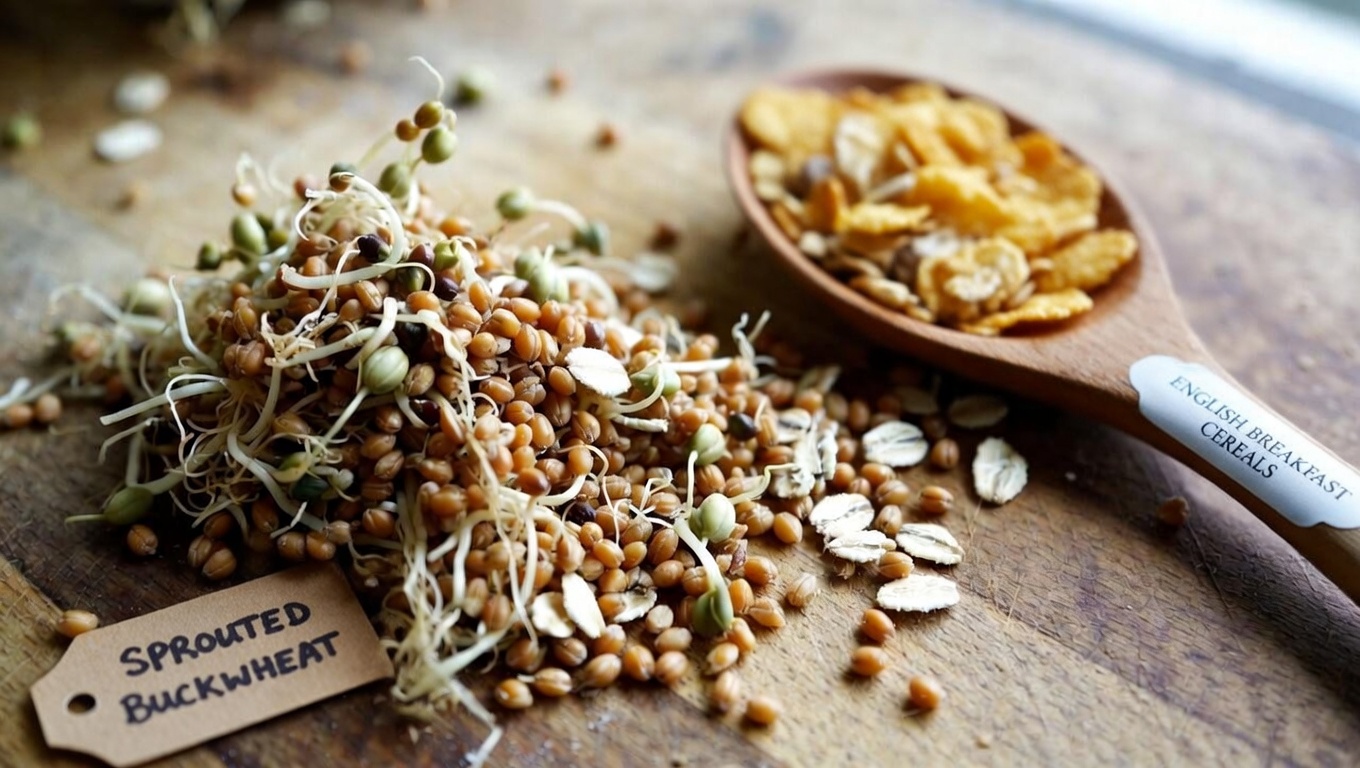
1. Sprouted Grain Bread
Sprouted grain bread is made from whole grains and sometimes legumes that have been allowed to sprout before baking. This process can increase nutrient availability and often boosts fiber and protein.
Benefits include:
- Typically lower GI than white bread
- A hearty, dense texture that promotes fullness
- More intact plant compounds and nutrients
Common examples include brands like Ezekiel 4:9 and other sprouted grain blends.
2. 100% Whole Wheat or 100% Whole Grain Bread
True 100% whole wheat or whole grain bread retains the bran and germ of the grain, which is where most of the fiber and nutrients are found.
Look for:
- “100% whole wheat” or “100% whole grain” on the front
- Whole grain listed first in the ingredient list
- Around 3–4 grams of fiber per slice
Brands such as Dave’s Killer Bread or Sara Lee 100% Whole Wheat are common examples, but always check the label for added sugars and fiber content.
3. Rye Bread (Especially Pumpernickel or Sourdough Rye)
Rye-based breads, particularly traditional pumpernickel or sourdough rye, often have a lower GI than many wheat breads. Reasons include:
- Rye’s natural structure, which slows digestion
- Dense texture, which may lengthen digestion time
- Fermentation in sourdough, which can modestly reduce glycemic impact and support gut health
For many people with diabetes, rye breads (especially darker, denser varieties) can be gentler on blood sugar than white or soft wheat bread.
4. Oat Bread
Oat bread incorporates oats, which contain beta-glucan, a type of soluble fiber known to support:
- Slower glucose absorption
- Improved satiety
- More gradual blood sugar rises
Oat breads often have a mild, nutty flavor and work well with both sweet and savory toppings.
5. Flaxseed or Seed-Heavy Bread
Breads rich in seeds—especially flaxseed—add:
- Omega-3 fats
- Extra fiber
- Crunchy, satisfying texture
These features can help slow digestion and blunt blood sugar spikes. Many “multigrain” or “seeded” loaves include flax, sunflower, pumpkin, or sesame seeds; choose varieties where whole grains and seeds are prominent, not just sprinkled on top.
Quick Comparison: Bread Types and Key Features
Approximate GI values and fiber amounts can vary by brand and recipe, but this summary offers a general guide compared with standard white bread.
| Bread Type | Approx. GI Range | Typical Fiber per Slice | Main Advantage | Best Ways to Enjoy |
|---|---|---|---|---|
| Sprouted Grain | Low (≈36–50) | 3–6 g | Nutrient-dense, higher protein and fiber | Toasted with avocado, eggs, or hummus |
| 100% Whole Wheat/Grain | Medium (≈65–71) | 3–4 g | Widely available, more fiber than white | Everyday sandwiches with lean protein and veggies |
| Rye / Pumpernickel | Low (≈41–56) | 2–4 g | Dense texture, benefits of fermentation | Open-faced with turkey, cheese, or smoked salmon |
| Oat Bread | Medium (≈55) | 2–4 g | Beta-glucan for gradual glucose release | Breakfast toast with nut butter or cottage cheese |
| Flaxseed / Seeded Bread | Low–Medium (≈40–55) | 3–5 g | Extra healthy fats and fiber | As a snack, or alongside salads and soups |
| White / Refined Bread | High (≈70–90+) | <2 g | None for blood sugar control | Best limited, or replaced with higher-fiber options |
Note: GI values vary by product, ingredients, and preparation. Always check labels and monitor your own response.
How to Fit Bread into a Blood Sugar–Friendly Eating Plan
To see what works best for your body, introduce these breads gradually and observe your blood glucose response.
Practical strategies:
-
Start small
Begin with one slice at a meal instead of two, especially at breakfast, when some people are more insulin resistant. -
Always pair with protein and healthy fat
Combine bread with foods like eggs, Greek yogurt, cheese, nut butter, avocado, or lean meats. This pairing can significantly reduce the overall glycemic impact. -
Try toasting
Lightly toasting bread may slightly alter starch structure, which can modestly lower the GI for some breads. -
Watch portion sizes
A common guideline is 1–2 slices per meal, depending on your carb goals. Check your blood sugar about 1–2 hours after eating to see how you respond. -
Freeze what you don’t need
Slice and freeze bread in portions. This reduces waste and helps you control how much you use at a time. -
Experiment systematically
Try one new bread type per week. Keep notes on your energy levels, hunger, and blood sugar readings so you can identify the best bread for your own diabetes management.
Simple Recipe: Blood Sugar–Friendly Avocado Toast on Sprouted Bread
A balanced breakfast or snack can help smooth out your glucose response. Here’s an easy option:
- Toast 1 slice of sprouted grain bread until lightly golden.
- In a bowl, mash ½ ripe avocado with a pinch of salt and a splash of lemon or lime juice.
- Spread the avocado over the toast.
- Top with tomato slices, 1 poached or soft-boiled egg, and a sprinkle of black pepper or chili flakes.
This combination of fiber (bread + avocado), healthy fats (avocado), and protein (egg) helps support steadier blood sugar and longer-lasting satisfaction.
Frequently Asked Questions
Is sourdough bread good for blood sugar?
Many people find that sourdough bread, especially when made with whole grains or rye, leads to a milder blood sugar rise than standard white bread. The fermentation process can slow digestion somewhat, but individual responses still vary, so monitor your own readings.
Can I eat bread every day if I choose lower-GI options?
For many people with diabetes or prediabetes, bread can be included daily in moderate portions as part of balanced meals. Focus on:
- Higher-fiber, whole-grain or sprouted varieties
- Pairing with protein, healthy fats, and non-starchy vegetables
- Checking your blood sugar to confirm how it affects you
What if sprouted grain bread isn’t available where I live?
If you can’t find sprouted bread, look for:
- 100% whole grain or 100% whole wheat bread
- Rye or pumpernickel with whole grains and limited added sugars
- Breads with at least 3 grams of fiber per slice
Reading ingredient lists and nutrition labels is more important than the marketing on the front of the package.
Managing blood sugar is highly individual. The best bread for one person with diabetes may not be the best for another. Use this information as a starting point, experiment with different options, and rely on your blood glucose readings and how you feel to guide your choices.
This guide is for educational purposes only and does not replace personalized medical advice. Always consult your healthcare provider or a registered dietitian before making significant changes to your eating pattern, especially if you have diabetes, prediabetes, or take medication that affects blood sugar.