
Mulberry Leaf Tea and Metabolic Health After 40
As people move into their 40s and beyond, many notice subtle shifts in how the body handles everyday demands. Energy may dip more easily after meals, blood pressure and cholesterol numbers can be harder to manage, and lab results do not always reflect the effort put into diet and exercise. Mild fatigue, occasional joint or leg discomfort from slower circulation, and worry over “stubborn” numbers often show up together, making simple lifestyle changes feel complicated.
Alongside core habits like balanced nutrition, regular movement, and quality sleep, researchers have been examining gentle, plant-based options that may offer extra support. One traditional ingredient with a long history in Asian cultures and growing scientific interest is mulberry leaf.
Mulberry leaf, from the Morus alba tree, has been consumed as an herbal tea for centuries. It contains natural compounds that may influence metabolic health, especially how the body responds to carbohydrates. But how strong is the evidence, and what does it mean in practical terms? The sections below summarize key findings, safe use, and what to keep in mind before trying it.

What Is Mulberry Leaf and Why Is It Studied?
Mulberry leaves are rich in bioactive substances, including:
- Flavonoids
- Polyphenols
- Polysaccharides
- 1-deoxynojirimycin (DNJ), a notable iminosugar
DNJ has drawn particular attention because of its ability to interact with enzymes in the digestive tract that break down carbohydrates. By influencing these enzymes, DNJ may slow the conversion of certain starches and sugars into absorbable forms, potentially moderating the rise in blood glucose after eating.
Human studies, including placebo-controlled trials, have observed lower post-meal blood sugar spikes when mulberry leaf extract is taken alongside a carbohydrate-rich drink or meal. These findings align with traditional uses in Chinese and Vietnamese medicine, where mulberry leaf tea has been used to support vitality and help “clear heat,” a concept roughly linked to internal balance and comfort.
Support for Blood Sugar Balance
One of the best-studied areas for mulberry leaf is its impact on postprandial (after-meal) blood sugar. Clinical research suggests that mulberry leaf preparations may help soften sharp glucose rises following carbohydrate intake.
Examples from human trials include:
- Healthy adults: When mulberry leaf extract was added to a sucrose (sugar) challenge, participants showed a significantly lower glycemic and insulin response compared with placebo.
- People with impaired glucose regulation: In individuals with reduced glucose tolerance, regular mulberry leaf intake over several weeks led to improvements in after-meal blood sugar control.
- Meta-analyses of clinical trials: Pooled data indicate modest reductions in fasting glucose, HbA1c (a marker of longer-term blood sugar control), and insulin levels in some groups, particularly when mulberry products were used consistently for 8 weeks or longer.
These effects are thought to come mainly from DNJ slowing carbohydrate digestion and absorption, rather than from directly triggering more insulin release. This mechanism makes mulberry leaf interesting for people aiming to maintain more stable energy levels and reduce dramatic post-meal highs and lows.

Impact on Cholesterol and Lipid Profiles
Beyond blood sugar, mulberry leaf has also been explored for its influence on blood lipids:
- Systematic reviews and randomized controlled trials report that mulberry products can lead to reductions in:
- Total cholesterol (TC)
- LDL cholesterol (“bad” cholesterol)
- Triglycerides (TG)
One meta-analysis found average decreases around:
- About 13 mg/dL in total cholesterol
- About 19 mg/dL in triglycerides
While results vary between studies, these changes are considered modest but potentially meaningful when combined with lifestyle strategies.
Animal studies and some human data further suggest that mulberry leaf may help improve HDL cholesterol (“good” cholesterol) in certain situations. The leaf’s polyphenols and antioxidant compounds are thought to support blood vessel health and reduce oxidative stress, which may indirectly benefit overall cardiovascular wellness.
Blood Pressure and Circulation
Evidence for blood pressure effects is more limited and somewhat mixed, but early findings are encouraging:
-
Preclinical research (mainly in animals) has shown that mulberry leaf extracts can:
- Help relax blood vessels
- Inhibit enzymes such as angiotensin-converting enzyme (ACE), which plays a key role in blood pressure regulation
-
Human studies are fewer and smaller. Some meta-analyses have not found a significant overall change in systolic or diastolic blood pressure when pooling data, though individual responses may differ.
Even if direct blood pressure changes are modest, the antioxidant and anti-inflammatory actions of mulberry leaf may support healthier circulation over time by promoting better vessel flexibility and less oxidative damage.
Inflammation, Oxidative Stress, and Everyday Comfort
Mulberry leaves contain polyphenols and other compounds with anti-inflammatory and antioxidant properties, according to laboratory and animal research. These effects may:
- Help neutralize free radicals
- Reduce markers of low-grade inflammation
Such mechanisms could, in theory, contribute to greater physical comfort, especially in people who experience mild aches or discomfort linked to metabolic stress. However, direct human studies specifically measuring pain reduction or joint comfort with mulberry leaf are still limited, so these potential benefits should be viewed as emerging rather than confirmed.
How to Prepare and Use Mulberry Leaf Tea
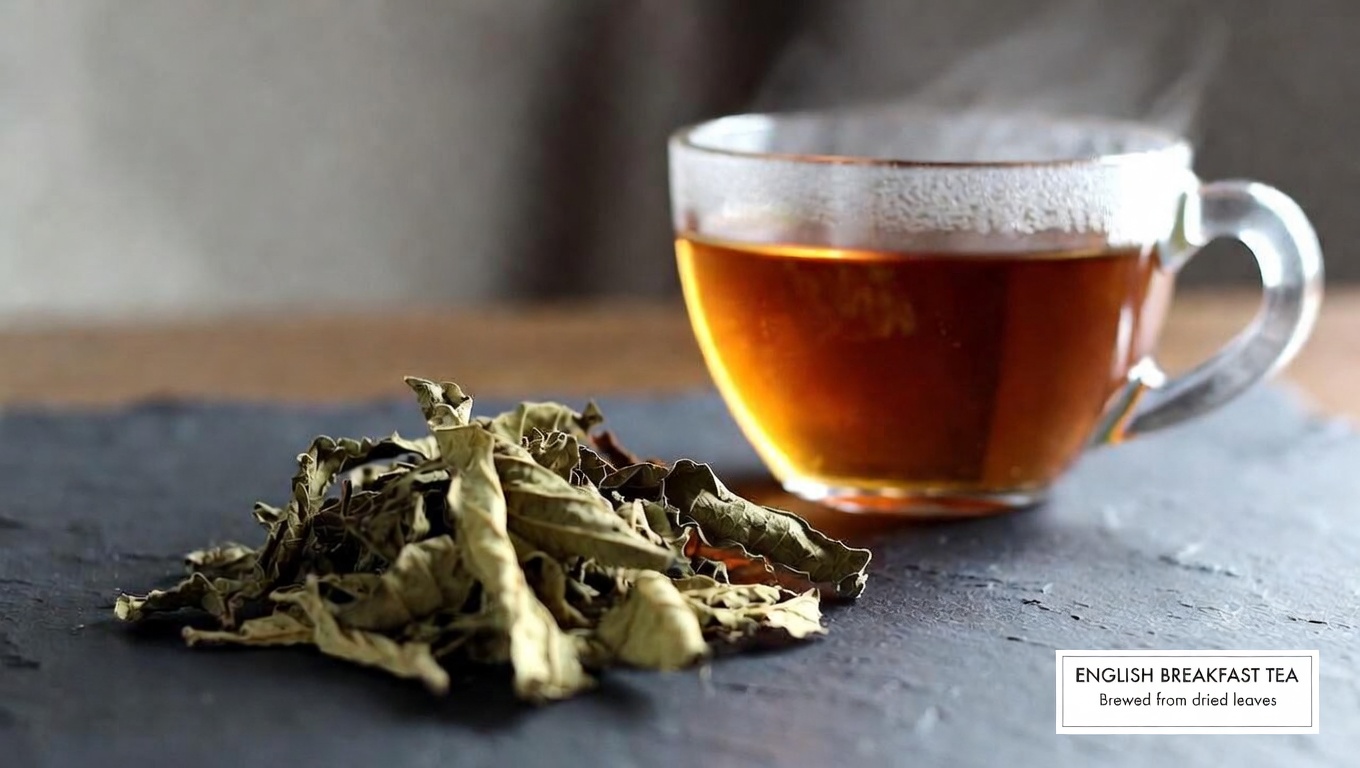
One of the simplest ways to explore mulberry leaf is as a herbal tea. It is easy to prepare and can be integrated into daily routines with minimal effort.
Basic brewing guide:
- Use 1–2 teaspoons of dried mulberry leaves per cup (quality organic sources are preferred when available).
- Pour over hot, but not fully boiling, water to preserve delicate compounds.
- Steep for 5–10 minutes, depending on how strong you like the flavor.
- Drink 1–3 cups per day, ideally with or after meals to align with potential metabolic benefits.
- For a refreshing option, brew a stronger tea, let it cool, and enjoy over ice.
It is wise to start slowly—such as 1 cup per day—to observe how your body responds. Research suggesting benefits typically involves regular, consistent intake over several weeks, rather than occasional use.
Mulberry Leaf Tea Compared With Other Options
Mulberry leaf is not a replacement for medications or other medical treatments, but some people consider it as a complementary approach. The table below summarizes how it generally compares with common options:
| Aspect | Mulberry Leaf Tea (Potential) | Common Medications (for blood sugar/lipids) | Other Herbs (e.g., green tea, cinnamon) |
|---|---|---|---|
| Post-meal glucose support | May slow carbohydrate absorption via DNJ | Direct enzyme or insulin action; often strong effects | Usually mild, variable influence |
| Lipid profile | Modest reductions in TC, LDL, TG seen in some studies | Powerful, prescription-based improvements | Some antioxidant and minor lipid support in some data |
| Antioxidant support | Contains polyphenols and antioxidants | Depends on specific drug; often not the primary benefit | Often good antioxidant profiles |
| Accessibility | Natural, inexpensive, simple to prepare at home | Requires prescription and medical supervision | Widely available as supplements or teas |
| Evidence level | Growing support from randomized trials and reviews | Extensive, long-term clinical evidence | Mixed quality; research sometimes less robust |
Mulberry leaf is best viewed as an adjunct to, not a replacement for, standard care, particularly for individuals with diagnosed metabolic or cardiovascular conditions.
A 30-Day Mulberry Leaf Tea Trial: A Simple Framework
If you are curious about how mulberry leaf tea might fit into your life, you can consider a short, informal 30-day trial—provided your healthcare provider agrees it is appropriate for you.
Suggested approach:
-
Week 1
- Introduce 1 cup daily with a main meal.
- Notice how you feel shortly after eating (energy, fullness, comfort).
-
Weeks 2–4
- If well tolerated, increase to 2 cups per day, spaced with meals.
- Pay attention to your overall sense of well-being, post-meal energy, and digestion.
-
Tracking (optional)
- Some people simply observe how they feel, while others may jot down notes on energy, cravings, or sleep.
- If your doctor has recommended tracking blood sugar, blood pressure, or lipids, follow their advice and share any changes at your next visit.
Many people appreciate the calming ritual of sipping a mild, earthy herbal tea as part of an evening routine or as a mid-afternoon break.
Frequently Asked Questions About Mulberry Leaf
How much mulberry leaf is typically used in research?
Most studies use the equivalent of about 1–3 grams of dried leaf or extract per day, which often lines up with 1–3 cups of tea daily. Benefits in clinical trials usually appear after several weeks of consistent use rather than from a single dose.
What side effects might occur?
Mulberry leaf is generally well tolerated, but some individuals report mild digestive changes, such as:
- Gas
- Bloating
- Constipation
- Loose stools
These effects are typically temporary and may improve by lowering the dose or spacing intake throughout the day.
Who should speak with a healthcare provider before using mulberry leaf?
You should consult a doctor or qualified healthcare professional before adding mulberry leaf if you:
- Take medications for blood sugar, blood pressure, or cholesterol
- Use other supplements that affect glucose or cardiovascular health
- Are pregnant, trying to conceive, or breastfeeding
- Have chronic health conditions, especially metabolic or cardiovascular disease
Mulberry leaf can potentially enhance the effects of blood sugar–lowering medications, increasing the risk of hypoglycemia (blood sugar dropping too low). A professional can help you decide if it is appropriate and how to monitor for interactions.
Important Disclaimer
This content is for informational purposes only and does not constitute medical advice, diagnosis, or treatment. Mulberry leaf and mulberry leaf tea should not be used as a substitute for professional healthcare, prescribed medications, or recommended lifestyle therapies. Always consult your physician or healthcare provider before starting any new supplement or herbal product, especially if you have existing medical conditions or take prescription drugs.