Gentle Herbal Support for Leg Circulation After 40
By the time many of us reach our 40s, we start to notice subtle shifts in how our legs feel—especially after long stretches of sitting at a desk, driving, or standing on our feet. A sense of heaviness, mild fatigue, or occasional discomfort in the calves can creep in, even if nothing seems “seriously wrong.”
These sensations can be linked to everyday factors such as:
- Less frequent movement throughout the day
- Age-related changes in blood vessels
- Low-grade inflammation that may influence blood flow
Not everyone will experience obvious circulation issues, but supporting vascular health with smart lifestyle habits can make daily movement feel more comfortable. Alongside walking more, staying hydrated, and eating well, certain herbs—backed by tradition and growing scientific interest—may offer gentle support for healthy blood flow.
What if a few simple, kitchen-friendly herbs could become part of your routine for lighter, more comfortable legs and better overall circulation? Below are six key herbs worth considering.
Why Circulation Becomes More Important With Age
From around age 40 onward, blood vessels can gradually lose some of their natural elasticity. At the same time, modern habits—like prolonged sitting, limited exercise, and higher oxidative stress—can affect how efficiently blood moves through the body.
Some common, subtle signs of less-than-optimal circulation include:
- Cold hands or feet
- Legs feeling tired or heavy during or after walks
- A general sense of sluggishness or reduced stamina
Research emphasizes the importance of supporting endothelial function—the thin inner lining of your blood vessels—because it plays a major role in maintaining smooth, healthy blood flow.
Diet appears to be a key piece of this puzzle. Studies link higher intake of plant-based compounds such as flavonoids and antioxidants with better cardiovascular and vascular health over time. Many herbs are naturally rich in these compounds, making them a useful addition to a circulation-friendly lifestyle.
6 Herbs That May Help Support Healthy Circulation
Below are six herbs commonly discussed in relation to blood flow, vascular function, and leg comfort.
1. Cayenne Pepper (Capsicum annuum)
Cayenne pepper contains capsaicin, a compound known for its warming effect. Capsaicin may help relax blood vessels and support circulation, in part by encouraging nitric oxide production—a key molecule involved in vascular dilation.
Some experimental studies suggest capsaicin may:
- Enhance microcirculation (small blood vessels)
- Reduce the tendency of platelets to clump together in lab settings
How to use cayenne pepper:
- Sprinkle a small pinch into soups, eggs, stews, or stir-fries
- Start with very small amounts if you’re sensitive to spice or prone to stomach irritation
2. Hawthorn Berry (Crataegus spp.)
Hawthorn has been used for centuries as a heart and circulation-supportive herb. It contains flavonoids and other plant compounds thought to help:
- Promote gentle relaxation of blood vessels
- Support cardiac performance and overall cardiovascular comfort
Reviews of hawthorn preparations note potential benefits for mild circulatory concerns when used consistently.
How to use hawthorn:
- Brew as a tea: 1–2 teaspoons of dried berries per cup of hot water, once or twice daily
- Often combined with other cardiovascular herbs for added synergy
3. Ginkgo Biloba
Ginkgo is one of the most studied herbs for peripheral circulation—blood flow to the limbs and brain. Standardized ginkgo extracts are frequently researched for:
- Enhancing blood flow to extremities
- Supporting microcirculation
- Reducing blood viscosity (thickness) in some studies
These effects may be particularly relevant for leg comfort and brain health as we age.
How to use ginkgo:
- Choose standardized extracts that follow established dosing guidelines
- Take regularly; benefits usually build gradually over several weeks
- Always check with a healthcare provider, especially if you’re on blood thinners or other medications
4. Ginger (Zingiber officinale)
Ginger is widely known for its warming, digestive, and anti-inflammatory properties. Its active components, such as gingerols, may help:
- Support healthy blood vessel function
- Maintain balanced platelet activity
- Promote smoother circulation as part of a broader lifestyle
How to use ginger:
- Fresh ginger tea: slice about a 1-inch piece and steep in hot water for 10–15 minutes
- Grate into stir-fries, soups, marinades, or add to smoothies and juices
5. Turmeric (Curcuma longa)
Turmeric’s bright yellow pigment comes from curcumin, a compound with strong antioxidant and anti-inflammatory activity. Research suggests curcumin may:
- Support healthy endothelial function
- Help maintain a balanced clotting response
- Contribute to overall cardiovascular and vascular health when included regularly in the diet
How to use turmeric:
- Add to curries, rice dishes, roasted vegetables, or soups
- Try “golden milk” with turmeric, black pepper (for better absorption), and a healthy fat source like coconut or almond milk
- Combine with oils or fats to improve bioavailability
6. Garlic (Allium sativum)
Garlic is a classic herb for heart and blood vessel support across many cultures. Its sulfur-containing compounds, including allicin, are associated with:
- Supporting vessel relaxation
- Helping reduce platelet stickiness in various studies
- Overall cardiovascular support when eaten consistently
How to use garlic:
- Crush or chop fresh cloves and let them sit for about 10 minutes before cooking to maximize beneficial compound formation
- Use generously in everyday cooking, or consider aged garlic extract supplements if recommended by your practitioner
Quick Comparison: How These Herbs May Support Circulation
| Herb | Key Compound | Primary Circulation-Support Focus | Easy Daily Use Idea |
|---|---|---|---|
| Cayenne Pepper | Capsaicin | Warming effect, supports vessel dilation & flow | Sprinkle small amounts in food |
| Hawthorn | Flavonoids | Heart comfort, gentle vessel relaxation | Drink as herbal tea |
| Ginkgo Biloba | Terpene lactones | Peripheral and microcirculation, especially limbs | Standardized extract capsule |
| Ginger | Gingerols | Anti-inflammatory support for healthy flow | Fresh tea or grated in dishes |
| Turmeric | Curcumin | Antioxidant protection for blood vessels | Golden milk, curries, or soups |
| Garlic | Allicin | Supports balanced platelet activity & relaxation | Fresh in cooking or extracts |
These herbs tend to work best when they complement an overall healthy routine—regular movement, good hydration, and nutrient-dense meals.
Simple Ways to Add These Herbs Into Your Day
You don’t need a major lifestyle overhaul to begin supporting your circulation. Small, steady changes are often most sustainable.
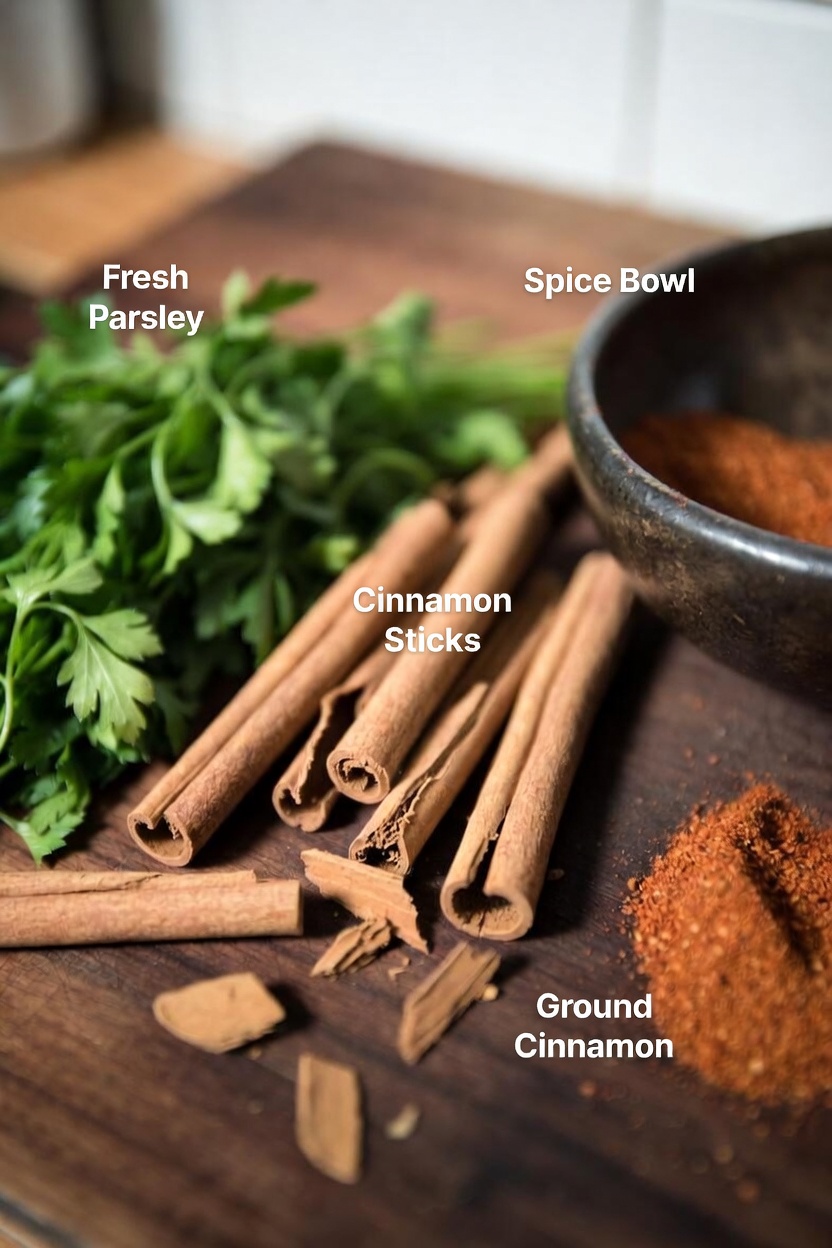
Consider these easy ideas:
- Morning boost
- Start your day with a warm cup of ginger or hawthorn tea.
- Flavor your meals
- Cook with garlic and turmeric regularly, and add a tiny pinch of cayenne for extra warmth if tolerated.
- Targeted evening support
- If your focus is on leg comfort or peripheral circulation, talk with your healthcare provider about whether ginkgo could be appropriate.
- Track how you feel
- Once a week, rate your leg comfort or energy on a 1–10 scale. Many people notice subtle shifts—like lighter legs or better stamina—after 2–4 weeks of consistent use.
To amplify the benefits, pair these herbs with simple circulation-friendly habits:
- Take short walking breaks during the day
- Gently stretch your calves and ankles
- Elevate your legs for a few minutes when you can
What Current Research Suggests
A growing body of research—including lab experiments, human trials, and systematic reviews—examines how these herbs might influence vascular health.
Some key themes:
- Ginkgo and garlic: Their compounds appear to support blood flow and vessel function in controlled settings, with some human studies noting improvements in circulation-related markers.
- Cayenne and ginger: Show promise in supporting vasodilation and affecting mechanisms related to platelet activity and inflammatory pathways.
- Turmeric and hawthorn: Frequently studied for their broader cardiovascular and antioxidant effects, which indirectly support healthy circulation.
Most human trials focus on overall cardiovascular wellness rather than single, isolated effects. The consistent pattern: moderate, regular intake as part of a balanced, plant-rich lifestyle tends to be more beneficial than high, sporadic doses.
Final Thoughts: Small Daily Habits, Long-Term Comfort
Supporting circulation—especially in the legs—doesn’t have to be complicated. By weaving circulation-friendly herbs into foods and drinks you already enjoy, you can take gentle, sustainable steps toward:
- More comfortable legs during daily activities
- Better overall vascular health
- A greater sense of energy and lightness
Consistency is key: small habits practiced daily often add up to noticeable changes over time. Pay attention to how your body responds, and work with your healthcare provider to find the approach that fits you best.
FAQ
1. Are these herbs safe to use every day?
In culinary amounts, most of these herbs are generally well-tolerated for most people. However, concentrated supplements (like ginkgo, high-dose garlic, or standardized extracts) can interact with medications—especially blood thinners, blood pressure drugs, or diabetes medications. Start with food-level doses, go low and slow, and consult your healthcare provider before using supplements regularly.
2. How long might it take to notice a difference in leg comfort or circulation?
Many people notice subtle changes—like less heaviness in the legs or slightly improved energy—within about 2–4 weeks of consistent use, especially when combined with movement and a healthy diet. Individual responses vary, and herbs are not a quick fix.
3. Can I combine several of these herbs together?
Yes. Combining herbs and spices is common and can be beneficial. Examples include:
- Turmeric with black pepper and healthy fats to enhance absorption
- Teas blending hawthorn and ginger
- Meals that use garlic, turmeric, and a touch of cayenne together
A varied, plant-rich diet typically offers the greatest overall benefit. If you are on medications or have health conditions, speak with your healthcare provider before using multiple herbal supplements at once.
This content is for informational and educational purposes only and does not replace personalized medical advice, diagnosis, or treatment. Always consult your doctor or qualified healthcare professional before adding new herbs or supplements, particularly if you have existing health conditions, take prescription medications, are pregnant, or are breastfeeding.