
7 Affordable High-Protein Foods Inspired by Japanese Seniors for Strength After 60
After age 60, it is common to notice a gradual loss of muscle strength. Everyday activities can start to feel harder, and that shift often affects confidence, independence, and overall quality of life. The encouraging part is that there is a practical solution hidden in the everyday eating habits of older adults in Japan.
Many Japanese seniors support strength and mobility with simple, low-cost foods they eat regularly. You do not need expensive supplements or complicated meal plans to follow their example. By adding these 7 budget-friendly, high-protein foods to your routine, you can start supporting muscle health right away. At the end, you will also find one simple strategy that makes this approach even more effective.
Why Japanese Seniors Often Maintain Strength for Longer
Japan is known for exceptional longevity, and many older adults there stay physically active well into their 80s and 90s. One major reason is their food pattern. Traditional Japanese meals often include economical sources of protein that are easy to digest, simple to prepare, and spread throughout the day.
Research suggests that older adults benefit most when protein is evenly distributed across meals rather than eaten all at once. This is one reason the Japanese style of eating works so well. It naturally encourages steady protein intake without relying on powders, shakes, or costly health products.
Another advantage is the emphasis on whole foods. These choices do more than provide protein. Many also contain fiber, omega-3 fats, calcium, and other nutrients that support muscles, bones, digestion, and heart health. Studies indicate that consuming around 25 to 30 grams of protein per meal may help improve strength and mobility in later life.
The good news is that you do not have to live in Japan to eat this way. These foods are widely available in grocery stores and usually cost only a few dollars, or less, per serving.

7 Cheap High-Protein Foods Japanese Seniors Commonly Eat
Below are seven practical protein-rich foods that fit easily into a modern kitchen and a budget-conscious lifestyle.
1. Tofu: A Daily Japanese Classic
Tofu is one of the most recognizable staples in Japanese cooking, and it is also one of the cheapest protein options you can buy. A standard block often costs under two dollars and provides about 10 grams of protein per 100 grams.
It is especially useful for older adults because it is soft, light on digestion, and easy to flavor. Soy protein has been associated with better muscle preservation in aging adults, making tofu a smart daily choice.
Easy ways to enjoy it:
- Add cubed firm tofu to miso soup
- Stir-fry it with vegetables for dinner
- Blend silken tofu into smoothies for a creamy breakfast
- Serve it chilled with soy sauce, ginger, or scallions
Even half a block per day can make a meaningful difference in your protein intake.
2. Natto: Fermented Soybeans for Digestion and Muscle Support
Natto, a fermented soybean food often eaten at breakfast in Japan, may not be familiar to everyone, but it is highly nutritious. One small pack contains roughly 8 grams of protein along with beneficial probiotics that support gut health.
Because it is fermented, the protein may be easier for some seniors to digest and absorb. It has long been valued in Japanese households as an energizing, everyday food.
Simple ways to start:
- Mix it into warm rice
- Stir it into scrambled eggs
- Start with a small spoonful if the texture is unfamiliar
- Gradually build up to a full pack
Its flavor can take a little getting used to, but many people come to enjoy its earthy, nutty taste.
3. Edamame: Fast, Filling, and Protein-Rich
Edamame are young soybeans, usually sold frozen, and they are one of the easiest high-protein snacks to prepare. One cup of shelled edamame provides close to 17 grams of protein, plus fiber and antioxidants.
In Japan, they are commonly served steamed with a little salt, making them a perfect low-effort option for older adults who want something quick and nutritious.
How to use edamame:
- Boil or steam a handful in about 5 minutes
- Sprinkle lightly with sea salt
- Toss into salads or grain bowls
- Add them to soups or side dishes
They are faster than most processed snacks and much more nourishing.

4. Eggs: Simple, Affordable, and Complete Protein
Eggs are a reliable part of many Japanese meals, from breakfast through dinner. They are inexpensive, versatile, and packed with high-quality protein. One large egg provides about 6 grams of protein and contains all the essential amino acids the body needs.
Some studies suggest that including eggs in the morning may help older adults maintain better muscle function and more stable energy throughout the day.
Easy ways to eat more eggs:
- Hard-boil several at once for quick snacks
- Make a Japanese-style rolled omelet, or tamagoyaki
- Add eggs to rice bowls, soups, or stir-fries
- Include one or two in your main meals
They are one of the most practical protein foods for any budget.
5. Canned Sardines: Small Fish, Big Nutrition
Many Japanese seniors eat small fish such as sardines and mackerel because they are inexpensive and highly nutritious. A can of sardines packed in water offers around 20 grams of protein, along with calcium and omega-3 fatty acids that support both bone and heart health.
Because canned sardines are eaten with their soft bones, they provide extra minerals without any added effort.
Ways to serve sardines:
- Add them to a rice bowl
- Mash them onto toast with chopped green onions
- Mix them with a little lemon or ginger
- Pair them with vegetables for a fast lunch
Even two servings per week can provide important benefits.
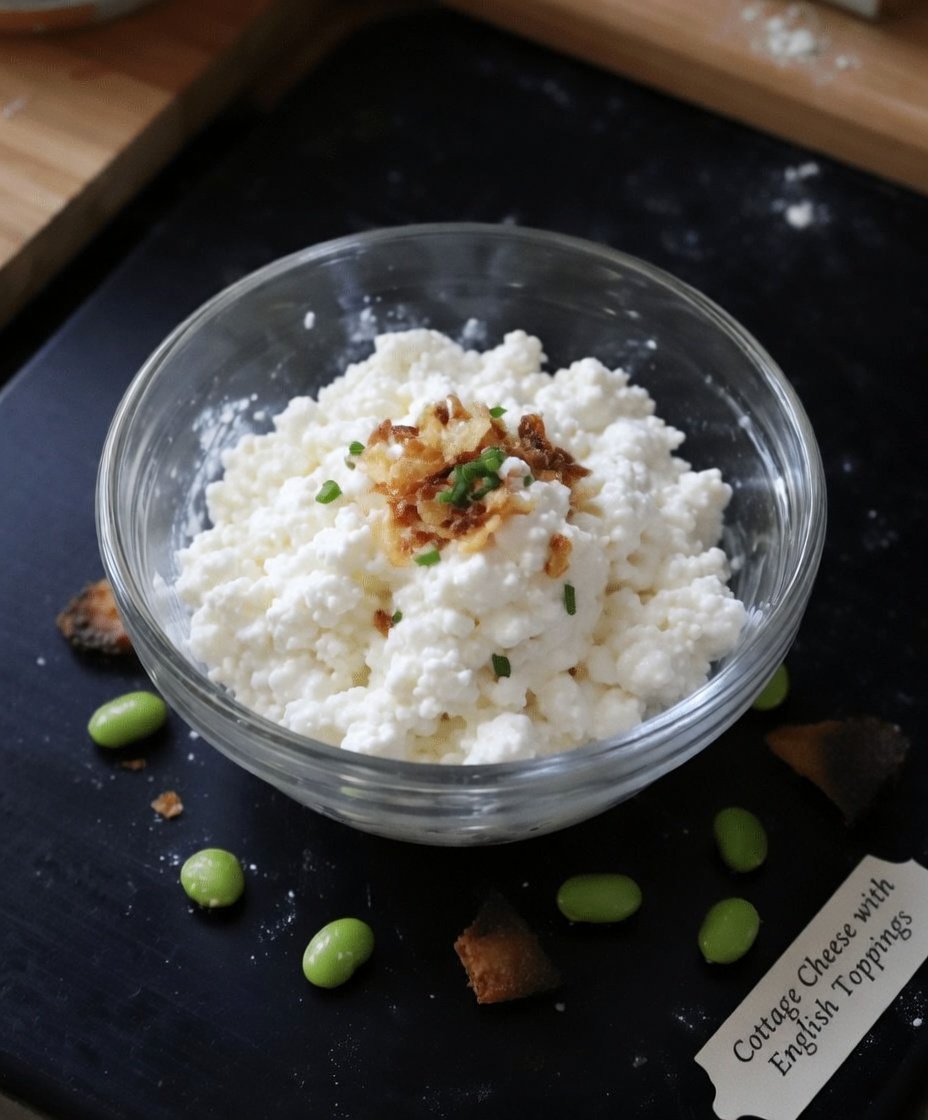
6. Cottage Cheese: An Unexpected Budget Protein
Cottage cheese may not be traditional Japanese food, but it fits surprisingly well with the Japanese philosophy of simple, protein-rich eating. It is inexpensive, mild in flavor, and easy on the stomach. A half-cup serving contains about 14 grams of protein while remaining relatively low in fat.
For older adults who want a no-fuss option, it is one of the easiest foods to add to the day.
Ideas for serving cottage cheese:
- Eat it plain as a snack
- Top it with edamame for extra protein
- Sprinkle with nori flakes for a Japanese-inspired flavor
- Mix in a small amount of miso for a savory twist
It is affordable, accessible, and highly practical for daily use.
7. Canned Tuna or Mackerel: Fast Protein from the Sea
When fresh fish is not available, canned tuna or mackerel becomes an excellent backup. These pantry staples are commonly used in Japanese home cooking for quick meals. One can usually provides between 20 and 25 grams of protein, along with healthy fats that may help reduce inflammation.
They are ideal for busy days when cooking energy is low.
Easy serving ideas:
- Mix with grated ginger and chopped green onion
- Add to rice balls or onigiri
- Spoon over soba noodles
- Use in a salad or rice bowl
Keeping a few cans on hand makes it easier to stay consistent with protein intake.
Protein and Cost Comparison
| Food | Approximate Protein per Serving | Estimated Cost per Serving | Easy Japanese-Style Use |
|---|---|---|---|
| Tofu | 10g per 100g | $0.50 | In miso soup or stir-fry |
| Natto | 8g per 50g pack | $0.75 | Mixed with rice |
| Edamame | 17g per cup shelled | $0.60 | Steamed as a snack |
| Eggs | 6g per large egg | $0.20 | Tamagoyaki or boiled |
| Canned Sardines | 20g per can | $1.00 | Over a rice bowl |
| Cottage Cheese | 14g per 1/2 cup | $0.40 | Topped with nori |
| Canned Tuna | 25g per can | $0.80 | Ginger and green onion salad |
A Simple Daily Protein Plan You Can Start Today
If you want to put this into action immediately, try a basic routine like this:
- Breakfast: Eggs and edamame for 20 or more grams of protein
- Lunch: Tofu or natto with rice and vegetables
- Dinner: Sardines, tuna, or mackerel with a simple side
- Snack: Cottage cheese in the afternoon
This approach helps spread protein across the day, which research suggests may improve how the body uses it for muscle maintenance. To make it even more aligned with Japanese habits, drink green tea with meals for added antioxidants.
The Surprising Tip That Ties It All Together
The most powerful trick is not just what you eat, but how you space it out. Instead of loading most of your protein into one meal, aim to include a meaningful amount at breakfast, lunch, dinner, and even snacks. This steady pattern appears to support muscle preservation much better in older adults.
To boost the benefit even more, take a gentle 10-minute walk after meals. That small amount of movement pairs well with protein intake and helps support mobility, balance, and daily energy.
What You May Notice After Making This Change
People who consistently add these foods to their meals often report improvements such as:
- More stable energy throughout the day
- Better balance and easier movement
- Less effort during daily tasks
- Greater confidence staying active
The Japanese example shows that strength in later life does not have to depend on expensive powders, strict diets, or intense exercise programs. Often, simple and affordable meals are enough to give the body the support it needs.
Frequently Asked Questions
How much protein do adults over 60 need?
Many experts recommend about 1.2 to 1.6 grams of protein per kilogram of body weight per day, ideally divided across meals. For someone weighing 150 pounds, that comes to roughly 80 to 110 grams daily.
Are these foods okay if I have high blood pressure or high cholesterol?
In many cases, yes. Choose lower-sodium canned fish when possible and balance your meals with vegetables and whole foods. If you have a medical condition or dietary restrictions, check with your doctor first.
How can I buy these foods on a tight budget?
Look for tofu, natto, and edamame in the international or frozen section. Store-brand eggs, cottage cheese, and canned fish are usually the most economical choices. Buying frozen edamame and larger packs of tofu can save even more.
Final Thought
Japanese seniors have shown for generations that staying strong with age does not need to be complicated or expensive. Start with one or two of these protein-rich foods this week, then gradually build the habit. Small daily choices can make a lasting difference for your muscles, movement, and independence.